Built Environment’s Impact on Economy: Key Insights
The built environment represents one of the most significant yet underexamined drivers of economic performance globally. Comprising buildings, infrastructure, transportation networks, and urban design systems, the built environment directly influences productivity, property values, employment patterns, and resource efficiency. Understanding how constructed spaces shape economic outcomes has become essential for policymakers, investors, and urban planners navigating the intersection of sustainable development and economic growth.
The relationship between physical infrastructure and economic prosperity extends far beyond simple correlation. When we examine definition of the built environment, we must recognize it as an interconnected system that generates cascading economic effects across multiple sectors. From commercial real estate markets to labor mobility, from energy consumption patterns to social capital formation, the built environment functions as both an economic asset and a constraint on sustainable development.
This comprehensive analysis explores how constructed spaces drive economic value, create market inefficiencies, and shape long-term prosperity. By integrating ecological economics perspectives with mainstream economic analysis, we can better understand the true costs and benefits of our built systems.
Defining the Built Environment and Its Economic Scope
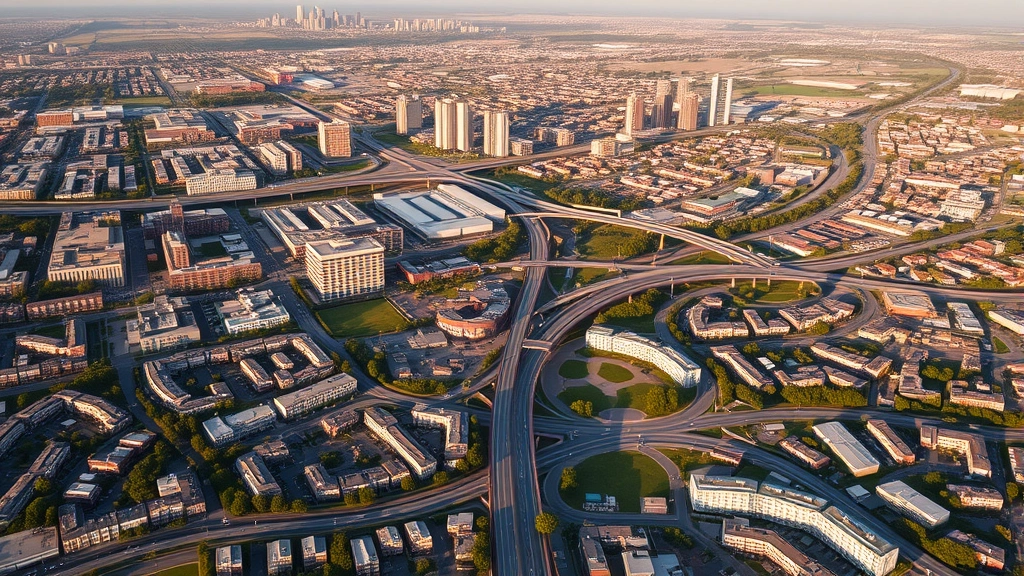
The built environment encompasses all human-made structures and infrastructure that shape human habitation and economic activity. This includes residential buildings, commercial offices, industrial facilities, transportation infrastructure, utility networks, and public spaces. Unlike natural ecosystems, the built environment represents accumulated capital investment representing trillions of dollars globally.
According to the World Bank, built environment assets constitute approximately 30-40% of total wealth in developed economies. This staggering proportion demonstrates why understanding its economic impact is crucial for macroeconomic analysis. The built environment also intersects with broader concepts like human environment interaction, where constructed spaces mediate between human activity and natural systems.
The definition of the built environment extends beyond physical structures to include the spatial relationships, accessibility patterns, and design principles embedded within these systems. Smart cities, green buildings, and mixed-use developments represent evolving interpretations of how we construct economic space. Understanding types of environment helps clarify how built systems differ from natural and social environments.
Economic scope includes both direct contributions (construction employment, real estate transactions) and indirect effects (productivity gains from improved transportation, health benefits from better urban design). The built environment also generates what ecological economists call ecosystem services trade-offs—where infrastructure development simultaneously creates economic value while diminishing natural capital.
Economic Contributions of Built Infrastructure
Built infrastructure directly contributes to economic growth through multiple mechanisms. Construction activity itself generates employment, materials demand, and capital investment. The global construction industry employs over 110 million workers and represents approximately 6-9% of global GDP, making it one of the world’s largest economic sectors.
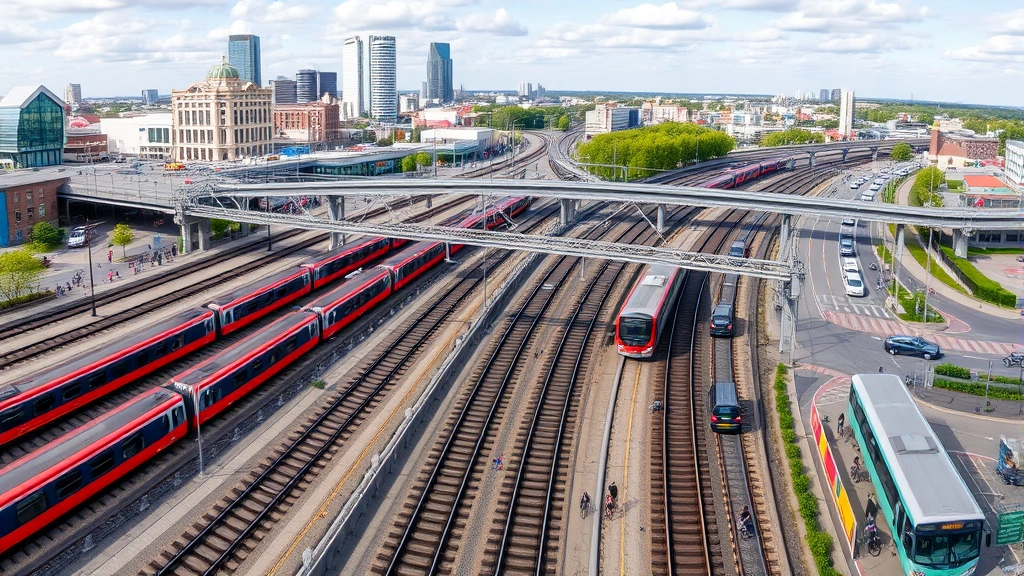
Beyond construction employment, built infrastructure enables economic activity by reducing transaction costs and facilitating commerce. Well-designed transportation networks decrease logistics costs, improve market access, and enable specialization. A company’s decision to locate in a city depends substantially on infrastructure quality—roads, ports, airports, and telecommunications networks. Poor infrastructure quality can reduce productivity by 20-30% according to UNEP research on urban economic efficiency.
The built environment creates what economists call agglomeration benefits—productivity gains from geographic concentration of economic activity. Cities with superior infrastructure attract talented workers, facilitate knowledge spillovers, and enable innovation clusters. Silicon Valley’s technological dominance partly reflects infrastructure investments in transportation and telecommunications that enabled talent clustering and startup ecosystems.
Real estate development also generates government revenue through property taxes, development fees, and construction taxes. In many developed nations, property taxation funds 5-15% of government budgets, supporting essential public services. This revenue dependency means built environment decisions have profound fiscal implications for municipal governments.
Real Estate Markets and Property Values
Real estate represents the single largest asset class globally, with residential property alone valued at approximately $300 trillion. The built environment fundamentally shapes property values through location premiums, accessibility benefits, and design quality. Understanding these valuation mechanisms reveals how physical space translates into economic wealth concentration.
Location-based value premiums demonstrate built environment economics clearly. Properties near transit hubs command 10-20% price premiums compared to otherwise identical properties in less accessible locations. Schools, parks, and commercial amenities nearby increase residential property values by similar magnitudes. This spatial variation in property values has profound implications for wealth distribution and intergenerational equity.
The built environment creates what urban economists call hedonic pricing effects—where property prices reflect bundles of characteristics including location, design, and neighborhood amenities. A study from Journal of Urban Economics found that walkability improvements increase property values by 5-10%, demonstrating how design choices directly translate into economic value.
Real estate markets also exhibit significant inefficiencies driven by built environment characteristics. Zoning restrictions, building codes, and development regulations constrain housing supply, artificially inflating prices. In constrained markets like San Francisco and London, housing costs consume 40-50% of household income, reducing economic productivity and limiting labor mobility. These constraints represent what ecological economists call artificial scarcity—where regulatory frameworks limit natural resource allocation efficiency.
Hidden Costs: Externalities and Environmental Economics
While built infrastructure generates measurable economic benefits, it simultaneously imposes substantial costs through environmental externalities. Ecological economics frameworks reveal how conventional GDP accounting obscures these hidden costs, presenting incomplete economic pictures.
Construction and building operation together account for approximately 36% of global energy consumption and 39% of energy-related carbon dioxide emissions. These climate-related externalities impose costs estimated at $100-200 billion annually through increased healthcare expenses, infrastructure damage, and agricultural losses. Yet standard economic accounting excludes these costs from property valuations or construction project analyses.
Urban sprawl—a characteristic built environment pattern—generates substantial transportation externalities. Extended commutes increase fuel consumption, air pollution, and congestion costs. The United Nations Environment Programme estimates that sprawl-related transportation externalities cost developed economies 2-5% of GDP annually through congestion, accidents, and pollution.
Water infrastructure provides another example of hidden costs. Urban stormwater systems often degrade water quality by concentrating pollutants and reducing infiltration. Green infrastructure approaches that incorporate natural systems can reduce these externalities while lowering maintenance costs by 20-40%, demonstrating how ecological design creates economic value.
The built environment also fragments ecosystems and reduces biodiversity, imposing costs through pollination losses, flood control degradation, and climate regulation impairment. Ecological economists estimate these biodiversity-related costs at 5-10% of GDP in developed economies, yet they remain invisible in conventional economic analyses.
Built Environment and Labor Productivity
Workplace design, office location, and commuting patterns profoundly influence labor productivity and human capital development. The built environment shapes how workers interact, learn, and collaborate—fundamental determinants of productivity growth.
Office design quality significantly affects worker productivity. Research shows that improved lighting, thermal comfort, and air quality increase productivity by 5-15%. Open office layouts reduce privacy but increase collaboration, while distributed work arrangements enabled by digital infrastructure reduce commuting externalities. The COVID-19 pandemic demonstrated that distributed work arrangements can maintain productivity while reducing built environment energy consumption by 40-50%.
Commuting patterns represent another critical built environment economic impact. Long commutes reduce labor supply (workers value leisure time), increase health costs through stress-related illness, and reduce time available for family and community engagement. Cities with superior public transportation and compact development patterns experience higher labor force participation rates and lower unemployment, partly because accessible employment opportunities reduce job search costs.
Educational facilities within the built environment significantly influence human capital development. Schools in neighborhoods with superior infrastructure and lower pollution exposure produce higher academic achievement and lifetime earnings. This creates path-dependent economic inequality where built environment disparities compound across generations.
The built environment also enables or constrains entrepreneurship through commercial space availability and affordability. Startup ecosystems depend on accessible, affordable workspace. Restrictive zoning and expensive commercial real estate limit small business formation, reducing economic dynamism. Cities like Austin and Denver that permit diverse commercial development experience higher startup formation rates and faster employment growth.
Sustainable Design and Economic Resilience
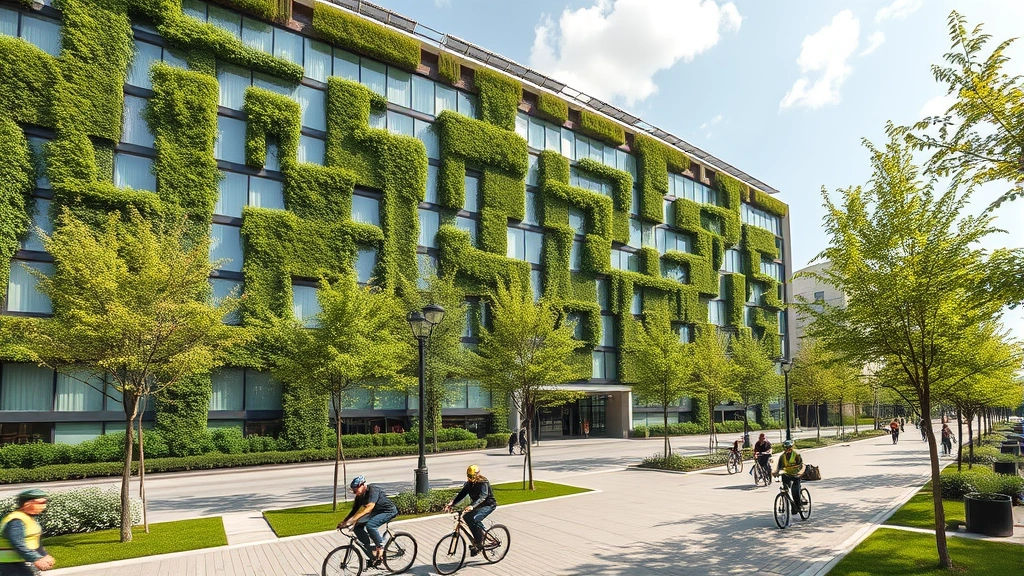
Sustainable built environment approaches increasingly demonstrate superior economic performance compared to conventional development patterns. Green buildings, renewable energy infrastructure, and nature-based solutions generate economic returns while reducing environmental costs.
Energy-efficient buildings reduce operating costs by 20-40% through lower utility consumption. Initial capital costs for efficient design typically pay back within 5-10 years through operational savings, after which buildings generate pure economic gains. Yet market failures and information asymmetries prevent widespread adoption, demonstrating how built environment economics involves behavioral and institutional dimensions beyond physical engineering.
Renewable energy infrastructure represents the fastest-growing energy sector globally, driven partly by cost reductions in solar and wind technologies. These distributed infrastructure systems create local employment, reduce fuel import costs, and increase energy security. Countries investing heavily in renewable infrastructure—Denmark, Costa Rica, Uruguay—demonstrate how sustainable built environment choices enhance economic resilience.
Nature-based solutions including green infrastructure, urban forests, and wetland restoration provide multiple economic benefits. A study in Ecological Economics found that urban green infrastructure provides ecosystem services valued at 2-5% of municipal budgets while reducing infrastructure maintenance costs and improving property values.
Climate-resilient design reduces disaster-related economic losses. Flood-resistant infrastructure, drought-tolerant landscaping, and heat-mitigating design features decrease climate-related damages. Insurance companies increasingly recognize that built environment resilience reduces claims costs, creating market incentives for sustainable design.
Regional Economic Disparities
Built environment quality correlates strongly with regional economic performance, creating persistent disparities in development outcomes. Regions with superior infrastructure experience faster economic growth, higher incomes, and greater innovation capacity.
Infrastructure investment disparities between regions compound over time through agglomeration effects. Wealthy regions attract additional investment, talent, and businesses, while regions lacking infrastructure fall further behind. This creates what development economists call infrastructure-driven inequality—where initial built environment differences generate persistent regional disparities.
Rural-urban disparities partly reflect built environment differences. Rural regions often lack broadband infrastructure, limiting digital economy participation. Transportation infrastructure deficiencies increase rural business costs and reduce market access. These infrastructure gaps partially explain why rural per-capita incomes lag urban incomes by 20-40% in most developed economies.
Within cities, neighborhood quality differences driven by built environment characteristics create profound inequality. Neighborhoods with superior schools, parks, and commercial amenities command property premiums that concentrate wealth among existing residents while excluding lower-income households. This creates what urban economists call environmental gentrification—where infrastructure improvements displace existing residents unable to afford rising property costs.
Developing economies face particular challenges because infrastructure deficiencies constrain economic growth while capital constraints limit investment. The Asian Development Bank estimates that developing Asia needs $1.7 trillion in annual infrastructure investment to maintain growth rates, yet current investment falls far short, creating massive productivity drags.
FAQ
What exactly is the definition of the built environment?
The built environment encompasses all human-made structures and infrastructure including buildings, roads, bridges, utilities, and public spaces. It represents the physical framework where economic activity occurs and includes both residential and commercial construction, transportation networks, and utility systems.
How does built environment quality affect property values?
Built environment quality affects property values through multiple mechanisms: accessibility to employment and amenities, neighborhood infrastructure quality, design features, and environmental conditions. Properties in walkable neighborhoods with superior schools and transit access command 10-20% premiums compared to less accessible locations.
What are the main economic benefits of good infrastructure?
Superior infrastructure reduces transaction costs, increases productivity, attracts investment and talent, enables agglomeration benefits, generates employment through construction and operation, and creates wealth through real estate appreciation. Well-developed infrastructure can increase regional productivity by 20-30%.
How do built environment decisions affect environmental costs?
Built environment choices determine energy consumption, transportation patterns, land use intensity, and ecosystem impacts. Sprawling development patterns increase transportation externalities, while dense development with renewable energy reduces environmental costs. These externalities often exceed 5-10% of GDP but remain invisible in conventional economic accounting.
Can sustainable design be economically competitive?
Yes, sustainable design increasingly demonstrates superior economic returns. Energy-efficient buildings reduce operating costs by 20-40%, green infrastructure reduces maintenance expenses, and resilient design decreases climate-related losses. Initial capital costs typically pay back within 5-10 years through operational savings.
How does built environment influence labor productivity?
Built environment affects productivity through workplace design quality, commuting patterns, and accessibility to employment opportunities. Superior office design increases productivity 5-15%, while reduced commute times improve labor supply and health outcomes. Accessible employment opportunities reduce job search costs and increase labor force participation.
What role does built environment play in economic inequality?
Built environment quality strongly correlates with income and wealth, creating persistent inequality. Superior neighborhoods command property premiums that concentrate wealth, while infrastructure gaps in disadvantaged regions limit economic opportunities. Infrastructure investments that improve accessibility can reduce inequality, but gentrification risks require intentional affordability policies.


