Is Renewable Energy Cost-Effective? Economist Insights
The transition to renewable energy represents one of the most significant economic shifts of the twenty-first century. For decades, policymakers and economists debated whether clean energy could compete with fossil fuels on purely economic grounds. Today, the evidence is unequivocal: renewable energy has become the most cost-effective power generation option in most markets worldwide. This transformation challenges conventional wisdom about energy economics and reshapes how we evaluate the true costs of electricity production.
Understanding renewable energy cost-effectiveness requires examining multiple dimensions beyond simple price comparisons. We must consider levelized costs, externalities, grid integration expenses, job creation, and long-term energy security. The intersection of renewable economics with environmental protection reveals that cost-effectiveness and ecological sustainability are increasingly aligned rather than in opposition.
Levelized Cost of Energy: The Economic Foundation
The levelized cost of electricity (LCOE) provides the primary metric for comparing energy generation technologies. LCOE represents the average revenue per unit of electricity generated needed to recover the investment, operating costs, and financing expenses over a project’s lifetime. This standardized approach allows economists to compare renewable and conventional energy sources on equal footing.
According to recent data from the Lazard Levelized Cost of Energy Analysis, utility-scale solar photovoltaic systems now cost between $26 and $50 per megawatt-hour, while onshore wind ranges from $24 to $50 per megawatt-hour. These figures represent dramatic declines from 2010 when solar cost approximately $378 per megawatt-hour and wind exceeded $135 per megawatt-hour. This ninety percent reduction in solar costs and eighty percent reduction in wind costs fundamentally altered energy economics.
Coal-fired power plants, by contrast, generate electricity at approximately $60 to $150 per megawatt-hour when accounting for all operational and capital costs. Natural gas facilities range from $44 to $100 per megawatt-hour depending on fuel prices and facility efficiency. Nuclear power, despite its low operational costs, requires substantial upfront capital investment, resulting in LCOE estimates between $130 and $200 per megawatt-hour for new facilities. These comparisons demonstrate that renewable sources have achieved cost parity or superiority across most developed and developing markets.
The dramatic cost reductions stem from technological improvements, manufacturing scale economies, and supply chain optimization. Solar panel efficiency has increased while production costs have fallen exponentially following predictable learning curves. Wind turbine designs have become more sophisticated, with larger turbines capturing more energy from lower wind speeds. Battery storage technology, critical for addressing intermittency concerns, has experienced similar cost trajectories, declining approximately eighty-five percent since 2010.
Comparative Analysis Across Energy Sources
When evaluating renewable energy economics, direct LCOE comparisons provide incomplete pictures. A comprehensive analysis must account for capacity factors—the actual output versus theoretical maximum output—which vary significantly across technologies and geographic locations.
Solar photovoltaic systems typically achieve capacity factors between twenty and thirty percent in most locations, though exceptional sites exceed forty percent. Onshore wind facilities operate at capacity factors ranging from twenty-five to forty-five percent, with offshore wind exceeding fifty percent in many locations. Hydroelectric facilities demonstrate capacity factors between thirty and ninety percent depending on precipitation patterns and reservoir management. Coal plants operate at capacity factors around fifty to sixty percent, while modern natural gas facilities achieve seventy to ninety percent.
When LCOE adjustments account for these capacity factors, the economic advantage of renewables strengthens considerably. A solar facility with $40 per megawatt-hour LCOE and thirty percent capacity factor actually costs approximately $133 per megawatt-hour of delivered electricity when accounting for intermittency. However, this calculation requires incorporating the value of energy storage and grid balancing services, which increasingly favor renewable integration as storage costs decline.
The International Renewable Energy Agency (IRENA) reports that renewable electricity costs have become competitive with or cheaper than fossil fuel alternatives in virtually all markets. This economic transformation occurred faster than most energy experts predicted, driven by manufacturing innovation and competitive auction mechanisms that reduced developer profit margins while maintaining project viability.
Hidden Costs of Fossil Fuels
Traditional energy cost comparisons often omit externalities—costs imposed on society and ecosystems rather than reflected in electricity prices. Understanding renewable energy’s true cost-effectiveness requires examining what economists call the “social cost of carbon” and related environmental expenses.
Fossil fuel combustion generates air pollution, causing respiratory diseases, premature mortality, and healthcare expenses. The World Bank estimates that air pollution costs the global economy approximately five percent of GDP annually through health impacts, reduced productivity, and agricultural losses. Coal power plants contribute disproportionately to these costs through emissions of sulfur dioxide, nitrogen oxides, and fine particulate matter.
Climate change represents the most significant externality. The social cost of carbon—the economic damage from each ton of CO2 emitted—ranges from $51 to $185 per ton in recent economic analyses, depending on discount rates and climate sensitivity assumptions. When applied to fossil fuel electricity generation, this externality adds $50 to $150 per megawatt-hour to coal’s true economic cost, making renewable alternatives substantially cheaper from a societal perspective.
Water consumption presents another overlooked externality. Coal and nuclear plants require enormous quantities of water for cooling, creating competition with agricultural and municipal water users. In water-scarce regions, this competition imposes substantial economic costs through reduced agricultural productivity and increased water treatment expenses. Renewable sources, particularly solar and wind, require minimal operational water, providing significant advantages in arid regions.
Mining and fuel extraction impose environmental costs including habitat destruction, water contamination, and ecosystem degradation. These impacts, while difficult to quantify precisely, represent real economic losses through reduced ecosystem services and natural capital depletion. Understanding environment and natural resources economics requires incorporating these comprehensive cost assessments.
When externalities are properly valued, renewable energy’s cost advantage expands dramatically. Studies accounting for full social costs demonstrate that wind and solar are two to three times cheaper than coal when environmental and health impacts are included.
Grid Integration and Infrastructure Investment
Critics argue that renewable energy’s apparent cost advantage disappears when considering grid integration expenses. This argument requires careful examination because integration costs vary substantially based on renewable penetration levels, existing grid infrastructure, and geographical distribution of resources.
At low penetration levels—below twenty percent of electricity supply—integration costs remain minimal. Existing grid flexibility from conventional power plants, demand variability, and hydroelectric facilities accommodates renewable fluctuations without substantial additional investment. As penetration increases beyond forty percent, integration costs become more significant, requiring investments in energy storage, demand management, grid modernization, and potentially long-distance transmission infrastructure.
However, integration cost studies reveal important nuances. Battery storage costs have declined so rapidly that storage-plus-renewable systems now compete economically with fossil fuel alternatives in many markets. Grid modernization investments benefit renewable and conventional systems alike, improving efficiency and reliability. Demand management technologies—including electric vehicle charging optimization and smart building controls—provide substantial flexibility at minimal cost.
The National Renewable Energy Laboratory’s grid integration studies demonstrate that electricity systems with eighty to ninety percent renewable penetration are technically and economically feasible with appropriate investments in storage, flexibility, and transmission. The required investments are substantial but economically justified by operational savings and avoided fossil fuel costs.
Geographic diversity of renewable resources significantly reduces integration challenges. Wind generation patterns differ between locations, reducing overall variability. Solar resources correlate with daytime electricity demand in most regions. Hydroelectric facilities provide flexible storage and generation. Integrating geographically diverse renewable sources creates more stable, predictable electricity supply than individual resource types alone.
Job Creation and Economic Multipliers
Renewable energy sectors generate more employment per dollar invested than fossil fuel industries. Manufacturing solar panels, installing wind turbines, and constructing electrical infrastructure require substantial skilled labor. These jobs typically offer competitive wages, training opportunities, and local economic benefits that fossil fuel industries cannot replicate.
The International Renewable Energy Agency reports that renewable energy employed approximately twelve million people globally in 2021, with employment growing rapidly across manufacturing, installation, operations, and maintenance sectors. Solar and wind industries employ approximately two to three times more workers per unit of energy produced compared to coal and natural gas industries.
Renewable energy jobs demonstrate superior characteristics for economic development. Installation and maintenance work cannot be outsourced, remaining local and supporting community economies. Manufacturing facilities increasingly locate in developing nations, transferring technology and capital investment. Training programs build workforce skills applicable across industries. These employment characteristics make renewable energy particularly valuable for how humans affect the environment while simultaneously improving economic conditions.
Economic multiplier effects amplify renewable energy’s job creation benefits. Workers and businesses purchasing local goods and services create additional employment beyond direct renewable energy sector jobs. Studies estimate that each direct renewable energy job generates 1.5 to 2.5 additional jobs throughout the economy through multiplier effects.
Investment Trends and Market Dynamics
Global investment patterns reveal market confidence in renewable energy cost-effectiveness. Renewable energy attracted approximately $366 billion in investment during 2022, surpassing fossil fuel investment for the first time. This trend reflects both environmental commitments and straightforward economic calculations by investors seeking profitable projects.
Private capital increasingly dominates renewable energy financing, indicating that projects achieve financial viability without subsidies. While some renewable energy still benefits from tax credits and policy support, these mechanisms increasingly level playing fields distorted by historical fossil fuel subsidies rather than creating artificial advantages. The International Monetary Fund estimates that fossil fuels receive approximately $7 trillion in global subsidies annually when environmental costs are included, far exceeding renewable energy support.
Investment trends vary significantly across regions and technologies. Mature markets focus increasingly on offshore wind and battery storage, while developing nations prioritize utility-scale solar and onshore wind. Emerging technologies including green hydrogen, advanced geothermal, and floating solar represent growing investment categories as costs decline and applications expand.
Corporate renewable energy procurement demonstrates confidence in cost-effectiveness. Thousands of corporations have committed to one hundred percent renewable electricity targets, driven by economics rather than altruism. Long-term power purchase agreements with renewable developers offer price stability unavailable from fossil fuel markets, protecting corporate electricity costs from fuel price volatility.
Regional Variations in Cost-Effectiveness
Renewable energy cost-effectiveness varies significantly across geographic regions based on resource availability, existing infrastructure, labor costs, and policy environments. Understanding these variations is essential for assessing global renewable energy potential.
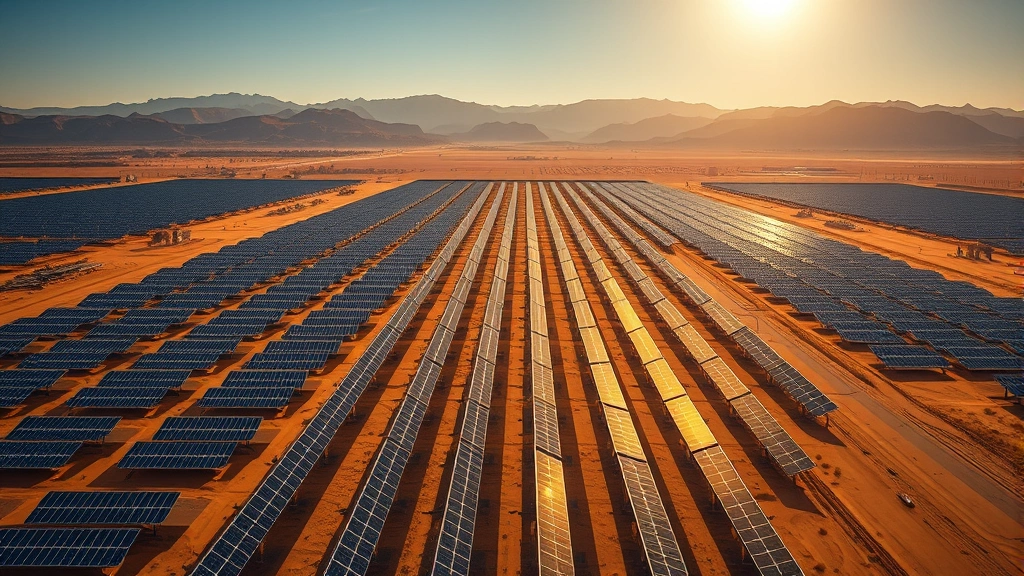
Solar resources concentrate in tropical and subtropical regions with high direct normal irradiance. Middle East, North Africa, and Sub-Saharan African regions possess exceptional solar resources where photovoltaic electricity costs potentially reach $15 to $25 per megawatt-hour—lower than any fossil fuel alternative. These regions represent enormous renewable energy opportunities for both domestic consumption and export through green hydrogen or synthetic fuels.
Wind resources favor temperate regions with consistent atmospheric circulation patterns. Northern Europe, particularly the North Sea region, possesses exceptional offshore wind resources. The Great Plains region of North America, Patagonia in South America, and coastal regions worldwide offer excellent onshore wind potential. These areas can achieve electricity costs of $20 to $40 per megawatt-hour, competing effectively with all fossil fuel alternatives.
Tropical regions present unique renewable energy opportunities including hydroelectric potential, biomass resources, and year-round solar availability. Understanding types of environment and their resource characteristics enables optimal renewable energy portfolio development. Island nations particularly benefit from renewable energy development, reducing vulnerability to fuel import price volatility and fossil fuel supply disruptions.
Policy environments significantly influence renewable energy cost-effectiveness through mechanisms including renewable energy standards, feed-in tariffs, investment tax credits, and carbon pricing. Regions implementing supportive policies experience faster renewable energy deployment, accelerating technology learning curves and cost reductions. Conversely, regions maintaining fossil fuel subsidies or implementing regulatory barriers face higher renewable energy costs and slower deployment.
The relationship between human environment interaction and renewable energy economics becomes increasingly important as climate impacts intensify. Regions experiencing drought, extreme weather, and water stress face rising fossil fuel electricity costs due to cooling water scarcity, making renewable alternatives increasingly attractive economically.

Energy storage technology developments promise to enhance renewable energy cost-effectiveness in all regions. Battery manufacturing continues expanding globally, with costs declining predictably. Emerging storage technologies including compressed air, thermal storage, and green hydrogen offer complementary solutions addressing different timeframe requirements. As storage costs decline further, renewable energy with storage will achieve cost advantages over fossil fuel alternatives across all regions and seasons.
Transmission infrastructure investments enable renewable resource utilization in regions with exceptional resources but limited local demand. High-voltage direct current transmission technology allows economical long-distance electricity transport, potentially connecting North African solar resources to European markets or American Great Plains wind to coastal population centers. These infrastructure investments require substantial capital but enable renewable energy deployment in optimal resource locations.

FAQ
What is the average cost of renewable energy compared to fossil fuels in 2024?
Utility-scale solar and wind electricity costs between $24 and $50 per megawatt-hour, substantially cheaper than coal ($60-$150/MWh) and competitive with natural gas ($44-$100/MWh). When accounting for environmental externalities, renewables cost two to three times less than fossil fuels.
Does renewable energy require subsidies to be cost-competitive?
Modern renewable energy projects achieve financial viability without subsidies in most markets. Policy support increasingly addresses fossil fuel subsidy distortions rather than creating artificial renewable advantages. Many renewable projects operate cheaper than fossil fuel alternatives even without financial support.
What about the costs of battery storage for renewable energy?
Battery storage costs have declined eighty-five percent since 2010, now ranging from $100 to $200 per kilowatt-hour. Combined renewable plus storage systems cost-effectively compete with fossil fuel alternatives, with costs continuing to decline as manufacturing scales.
How do renewable energy jobs compare to fossil fuel employment?
Renewable energy creates two to three times more jobs per unit of energy produced compared to fossil fuels. Renewable jobs demonstrate superior characteristics including local permanence, training opportunities, and stronger economic multiplier effects.
Which renewable energy source is most cost-effective globally?
Solar photovoltaic technology demonstrates the fastest cost declines and greatest global applicability. However, optimal renewable energy portfolios vary by region, combining solar, wind, hydroelectric, and other resources matching local resource availability and demand patterns.
What percentage of electricity can renewable energy economically provide?
Research demonstrates that electricity systems with eighty to ninety percent renewable penetration are technically and economically feasible with appropriate investments in storage, demand management, and transmission infrastructure.


