Table of Contents
Introduction
Picture this: you’re cooking a meal using nothing but sunshine. Sounds too good to be true? It’s not. Solar ovens let you harness the sun’s energy to cook delicious food without touching your gas stove or cranking up the electric bill. Whether you’re a camping enthusiast, someone who cares about the planet, or just curious about cool DIY projects, solar cooking might be exactly what you’ve been looking for.
Here’s what makes solar ovens so appealing—they do way more than just save you money on utilities. Every meal you cook with solar power means less reliance on fossil fuels and a smaller carbon footprint. It’s like giving Mother Earth a little high-five with every dish. Plus, if you’re already into sustainable living (maybe you’ve thought about how to build a rain garden), solar ovens fit perfectly into that lifestyle. And here’s a bonus: they’re incredibly portable and safe, making them perfect for camping trips, emergency situations, or anywhere you’re living off the grid.
The best part? Building one is surprisingly straightforward. You probably have most of the materials lying around your house right now—cardboard boxes, aluminum foil, plastic wrap, some black paper. That’s it. The whole thing works on the greenhouse effect, trapping heat like a tiny, food-focused greenhouse. Don’t worry if you’re not particularly handy; this isn’t rocket science. (Though if you want to dive deeper into sustainable practices, learning about how to recycle glass bottles pairs nicely with the whole eco-friendly vibe.)
Look, with energy costs going through the roof and climate change becoming impossible to ignore, solar ovens aren’t just a fun weekend project—they’re a smart move. They bring innovation right to your backyard (or kitchen counter) while actually making a difference. If you’re interested in the bigger picture of sustainable living, understanding how to reduce greenhouse gas emissions shows you exactly why solar cooking fits into a greener future. Once you learn how to build and use one of these things, you’ll have a skill that’s both practical and planet-friendly.
What You’ll Learn in This Guide
Ready to become a solar cooking pro? We’re going to walk through everything you need to know, from gathering materials to serving up your first sun-cooked meal.
- Materials Needed: We’ll cover what you absolutely need versus what’s nice to have, plus explain why each piece matters for trapping heat and reflecting sunlight effectively.
- Step-by-Step Construction Guide: No confusing technical jargon here—just clear instructions that take you from an empty cardboard box to a working solar oven, including how to position those reflectors for maximum sun-catching power.
- How to Use Your Solar Oven: The real fun begins here. Learn which foods work best, how to position your oven, when to adjust those reflectors, and timing tips that’ll save you from under- or overcooking your masterpiece.
- Safety and Maintenance: Because nobody wants burnt fingers or a broken oven. We’ll cover the safety basics and simple maintenance tricks to keep your solar cooker working like new.
As you get into solar cooking, you might find yourself wanting to go even further with sustainable living. That’s where learning about how to reduce carbon footprint comes in handy—it’s all part of the same mindset. Once you see how easy and rewarding solar cooking can be, you’ll wonder why you waited so long to try it.
We’re going to tackle each step thoroughly, so you won’t be left scratching your head or dealing with a half-finished project. From choosing the right materials to mastering the art of timing your meals with the sun, you’ll have everything you need to start cooking sustainably. And honestly? There’s something pretty satisfying about serving a meal that was cooked entirely by sunshine.
This isn’t just about building a cool gadget (though it definitely is cool). It’s about taking a real step toward energy independence and showing that small changes can make a genuine difference. Ready to discover what it’s like to cook with pure solar power? Let’s dive in and see what your new solar oven can do.
So you’re ready to take the plunge into solar cooking? Awesome! Now that we’ve covered the basics of what solar ovens can do, let’s get our hands dirty with the real stuff—actually building one and putting it to work. We’re going to tackle two things here: how to construct a solar oven that actually works (using stuff you probably have lying around), and how to use it without burning yourself or your food. Trust me, once you get the hang of harnessing the sun’s energy for cooking, you’ll wonder why more people aren’t doing this.
Step-by-Step Construction of an Effective Solar Oven
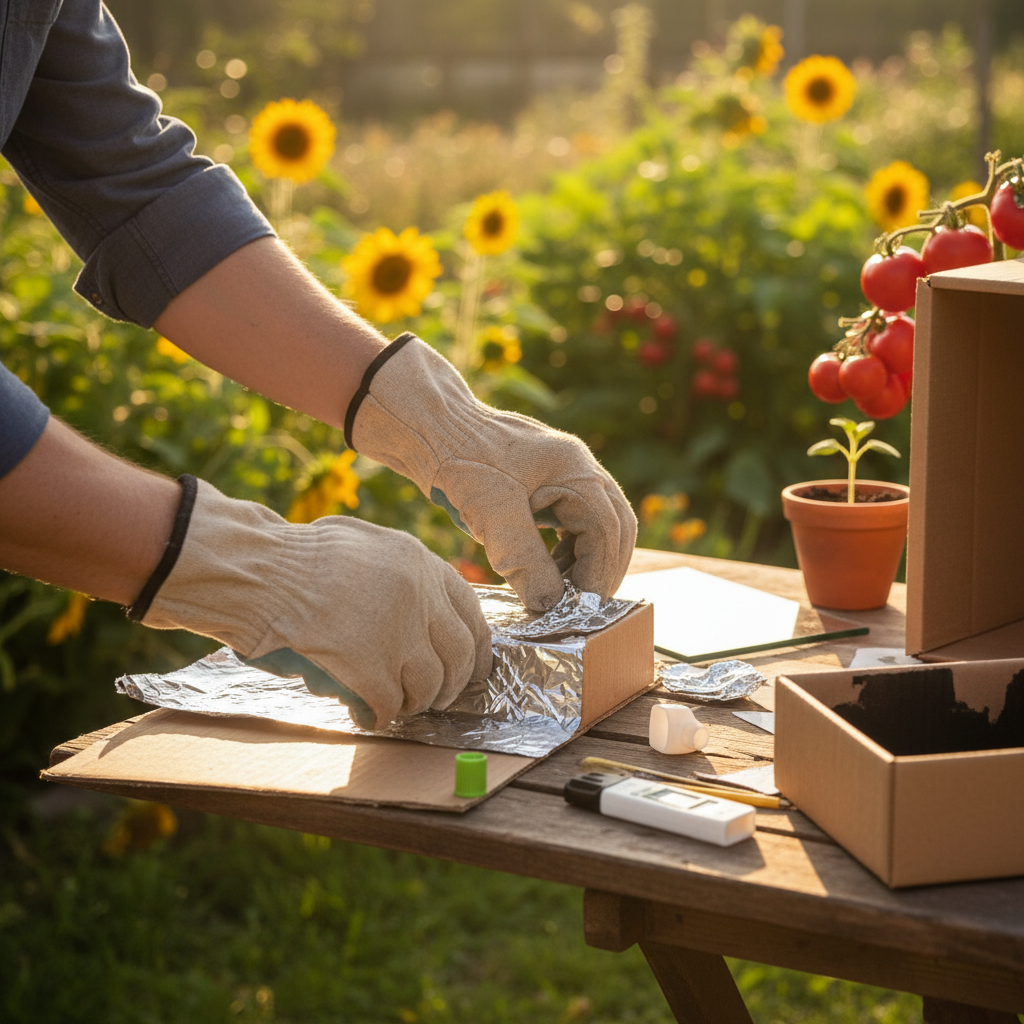
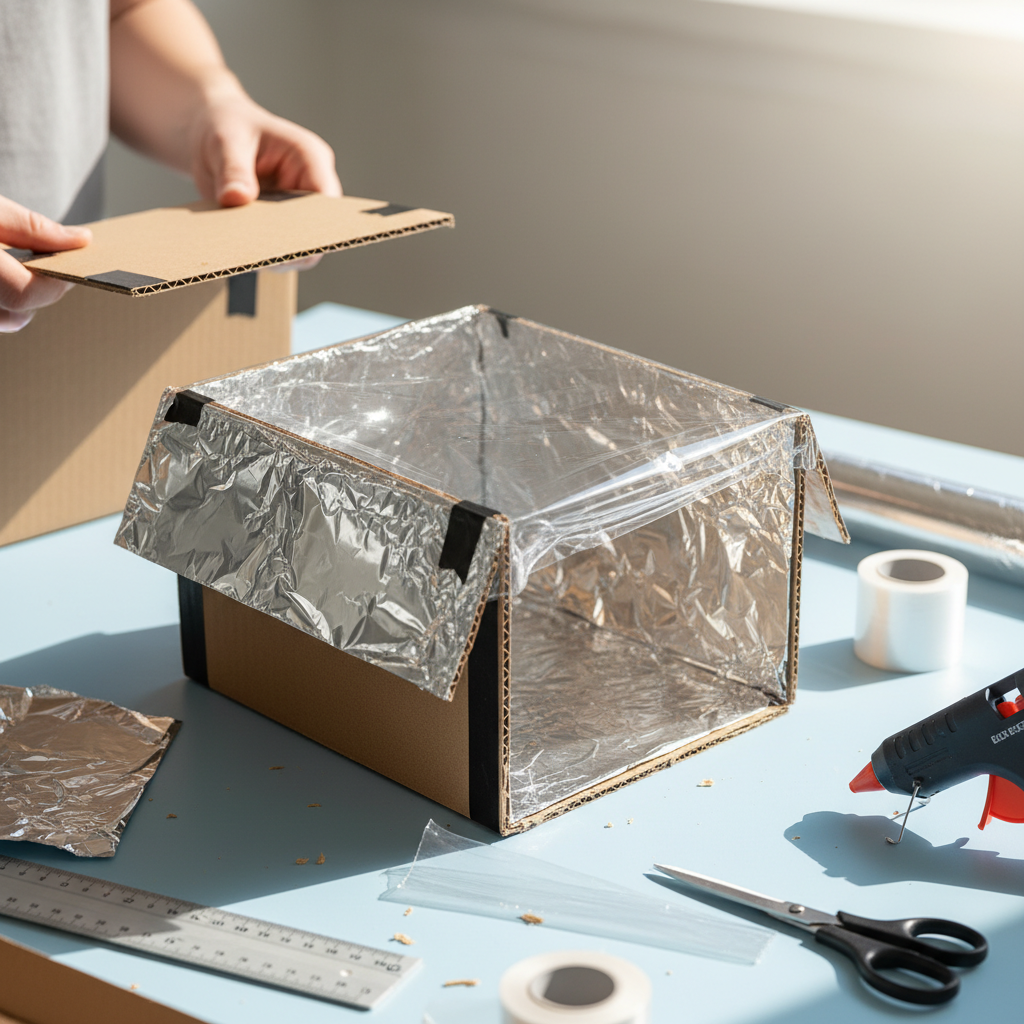
Building a solar oven is honestly one of the most satisfying DIY projects you can tackle. It’s like making magic happen with cardboard boxes and aluminum foil. You’ll need some basic materials—nothing fancy. We’re talking boxes (pizza boxes work great), aluminum foil to bounce sunlight around, plastic wrap for that greenhouse effect, and black paper or paint to soak up heat like a sponge. When you put these simple pieces together just right, you end up with something that can actually cook your dinner using nothing but sunshine. Pretty cool, right? If you’re into this kind of sustainable DIY approach, you might also dig learning about how to build a rain garden—it’s another way to work with nature using simple materials.
Here’s where it gets interesting. You line your box with that black paper (it’s like giving your oven a heat-absorbing superpower), then position aluminum foil reflectors to funnel sunlight straight into your cooking chamber. The plastic wrap? That’s your secret weapon—it seals everything up and traps heat just like a greenhouse does. No fuel required. Want to take it up a notch? Throw in a thermometer so you can actually see what’s happening temperature-wise, add some extra insulation to keep that heat from escaping, and make your reflectors adjustable. These upgrades work kind of like the smart design principles you see in renewable energy for homes—it’s all about capturing and using energy more efficiently.
Key Aspects of Solar Oven Construction
Want your solar oven to actually work well? It’s all about getting these fundamentals right:
- Material Selection: Your aluminum foil is like a mirror system directing sunlight where you want it, while that black interior acts like a heat magnet. Get these choices right, and you’re halfway to solar cooking success.
- Insulation Techniques: Think of your plastic wrap and insulating materials as a cozy blanket that keeps the heat from sneaking out. The better you seal things up, the hotter your oven stays—and the better your food cooks.
- Reflector Angling: This is where you get to play scientist. Those adjustable reflectors need to follow the sun like a sunflower, maximizing heat capture as the day moves along. Get this right, and your cooking speed will surprise you.
- Assembly Quality: Sloppy construction equals heat leaks and frustration. Take your time with the sealing and make sure everything’s secure—your future self will thank you when you’re not wrestling with a wobbly oven.
Now that you’ve got yourself a functional solar oven, let’s talk about actually using the thing safely and getting the most out of it.
How to Use and Maintain Your Solar Oven Safely and Efficiently
Here’s where theory meets reality. Using a solar oven isn’t like flipping on your gas range—it takes a bit more finesse. Start with foods that love slow, steady heat: vegetables, rice, casseroles, even bread. (Yes, you can bake bread with sunlight!) Your cookware matters too. Dark, thin pots and pans are your friends here—they grab heat faster and hold onto it better than shiny stuff. Speaking of sustainable living choices that work together, check out how to recycle glass bottles if you’re building a whole eco-friendly lifestyle around your solar cooking adventure.
Location is everything. Find the sunniest spot you can—think of your oven as a sun-worshipping plant that needs direct light to thrive. And here’s the thing about solar cooking: the sun moves (shocking, I know), so you’ll need to adjust those reflectors throughout the day to keep the heat flowing. Safety-wise, remember you’re dealing with concentrated sunlight that can get seriously hot. Use oven mitts, keep kids at a safe distance, and don’t stare directly at those reflective surfaces unless you want to see spots for the next hour. For maintenance, keep those reflectors clean—dusty foil is useless foil. Check your seals regularly and store the whole thing indoors when you’re not using it.
Key Aspects of Using and Maintaining Your Solar Oven
Getting the most out of your solar oven comes down to these essentials:
- Optimal Food Preparation: Choose recipes that can handle the “low and slow” approach, and invest in cookware that actually wants to absorb heat. Your cooking times will be different, but the results can be amazing.
- Sun Positioning and Reflector Adjustment: Think of yourself as a solar panel operator—you need to track that sun and keep your reflectors aimed right. It’s a bit of work, but it keeps your temperatures consistent and your food cooking properly.
- Safety Precautions: Treat this like any other cooking method that can burn you. Oven mitts are non-negotiable, kids should admire from a distance, and those reflectors can be surprisingly intense.
- Regular Maintenance: Clean surfaces capture more light, tight seals hold more heat, and proper storage keeps everything working longer. A little TLC goes a long way with solar ovens.

So you’ve built your solar oven—now what? Well, you’ve just taken a pretty awesome step toward living more sustainably. Solar ovens use the sun’s free energy to cook your food without any fuel or electricity. No gas bills, no emissions, just pure sunshine doing the work. And honestly? That’s pretty cool.
Beyond saving money and helping the environment, solar ovens are surprisingly practical. They’re portable (great for camping), safe (no flames or hot surfaces), and you can build one with stuff you probably already have lying around—cardboard, aluminum foil, plastic wrap. It’s one of those projects where you actually feel good about being resourceful.
Here’s what I love about solar cooking: you’re literally turning sunlight into dinner. There’s something satisfying about that connection between nature and technology. Plus, once you start thinking this way, you begin to see other opportunities to live more sustainably. It becomes a bit addictive (in the best way).
Speaking of other opportunities—why stop at solar cooking? If you’re on a roll with eco-friendly projects, consider creating a rain garden that handles stormwater runoff while making your yard look amazing. Our guide on how to build a rain garden walks you through it step by step. Or maybe you’re thinking bigger picture? Check out our resource on how to start a community garden—it’s a great way to bring neighbors together while supporting local ecosystems.
Want to expand your renewable energy game? Our guide to renewable energy for homes covers solar panels, wind power, and other options that pair perfectly with your new solar cooking skills. And if you’re curious about the bigger picture of climate action, our strategies to reduce greenhouse gas emissions offer practical ways to make a real difference.
Look, sustainability doesn’t have to be overwhelming or perfect. Your solar oven is proof that small, doable projects can actually be fun and rewarding. Whether you’re just getting started or you’ve been at this for years, every little step counts. Start where you are, use what you have, do what you can. And remember—other people notice when you’re doing cool stuff like cooking with sunshine. You might just inspire someone else to give it a try.
Frequently Asked Questions
-
How long does it take to cook food in a solar oven?
- Cooking times vary by sunlight intensity and food type, typically longer than conventional ovens.
-
Can I use a solar oven on cloudy days?
- Solar ovens rely on sunlight, so they are less effective or unusable on cloudy days.
-
What types of food can I cook in a solar oven?
- Foods like vegetables, rice, and baked goods cook well in solar ovens.
-
Is it safe to use a solar oven?
- Yes, with proper care and safety precautions, solar ovens are safe to use.
-
Do I need special cookware for solar cooking?
- Using dark, thin cookware helps absorb heat efficiently, but special cookware is not required.