Impact of Air Pollution on GDP: Study Insights
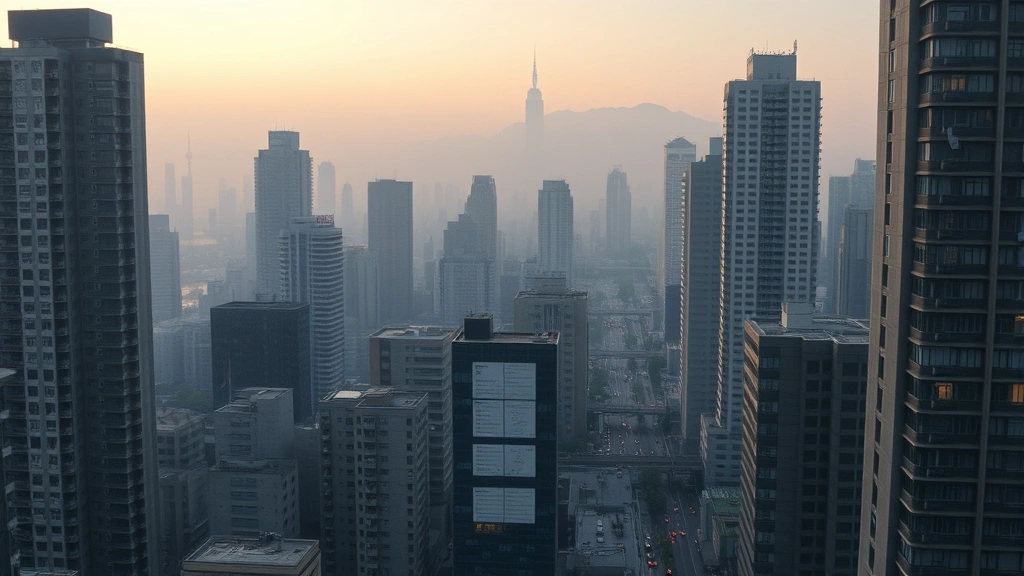
The atmospheric environment represents one of the most critical yet undervalued economic assets in modern societies. Air quality directly influences productivity, healthcare expenditures, and overall economic performance, yet traditional GDP measurements fail to adequately capture these costs. Recent comprehensive studies reveal that air pollution imposes staggering economic burdens on nations worldwide, with developing economies bearing disproportionate losses. Understanding the quantifiable relationship between atmospheric degradation and gross domestic product is essential for policymakers seeking to balance economic growth with environmental sustainability.
Air pollution costs the global economy trillions of dollars annually through reduced workforce productivity, increased medical expenses, agricultural losses, and infrastructure deterioration. The World Health Organization estimates that outdoor air pollution alone causes approximately 4.2 million premature deaths yearly, each representing not merely a human tragedy but a significant economic loss. When economists analyze the atmospheric environment through a rigorous cost-benefit framework, the financial imperative for pollution control becomes undeniable, challenging conventional assumptions about the trade-off between environmental protection and economic prosperity.
Understanding Air Pollution’s Economic Footprint
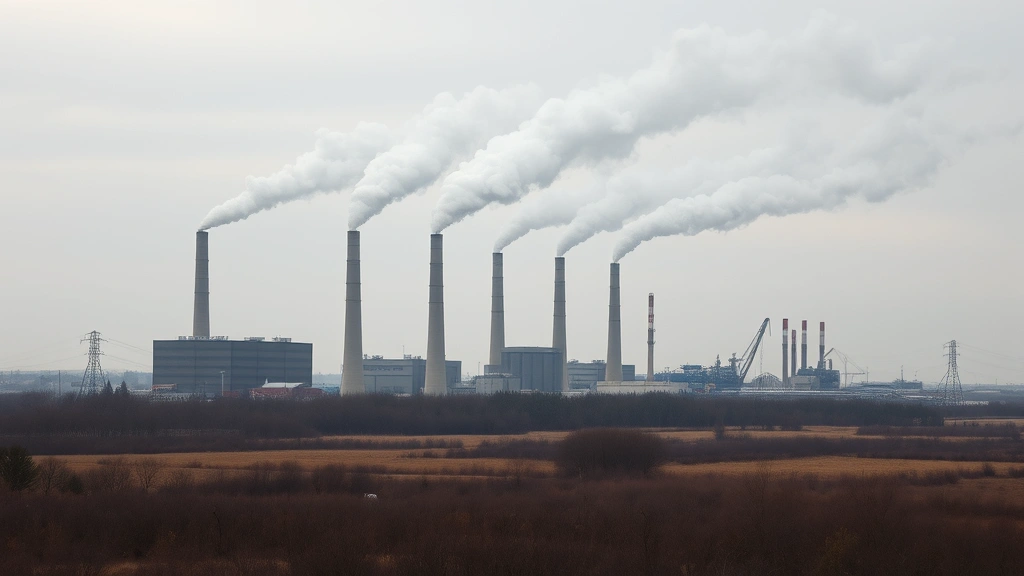
Air pollution represents a hidden tax on economic productivity that pervades nearly every sector of modern economies. The atmospheric environment, compromised by industrial emissions, vehicular exhaust, agricultural practices, and energy production, generates cascading economic consequences that extend far beyond immediate air quality concerns. When we examine human environment interaction through an economic lens, we discover that pollution costs manifest as direct expenditures on healthcare, lost work days, and reduced agricultural yields, alongside indirect costs including decreased property values and environmental remediation expenses.
The relationship between air quality and GDP operates through multiple interconnected pathways. First, pollution-related illness reduces labor force participation and productivity among affected workers. Second, governments must allocate substantial resources to treating pollution-related diseases, diverting funds from productive investments. Third, businesses face increased operational costs through equipment corrosion, reduced equipment lifespan, and regulatory compliance expenses. Fourth, consumer spending patterns shift as households prioritize health expenditures over consumption, dampening aggregate demand. These mechanisms create a multiplier effect whereby initial pollution impacts generate secondary economic losses throughout entire economies.
Research from the World Bank documents that air pollution costs represent 2-5% of GDP in developing nations and 1-2% in developed countries. However, these figures underestimate true costs because they exclude non-market damages including ecosystem degradation, reduced biodiversity, and climate change acceleration. The atmospheric environment’s degradation therefore represents a fundamental economic threat comparable to major recessions, yet receives substantially less policy attention than financial crises.
Quantifying Productivity Losses and Healthcare Costs
Healthcare expenditures attributable to air pollution constitute the largest identifiable economic cost in most nations. Respiratory diseases, cardiovascular conditions, lung cancer, and asthma exacerbations create enormous treatment burdens. Studies examining definition of environment science frameworks demonstrate that when researchers properly account for pollution-related healthcare costs, the economic burden becomes staggering. In China alone, air pollution generates annual healthcare costs exceeding $100 billion, representing approximately 2% of national GDP. India faces comparable burdens with pollution-related healthcare expenses consuming roughly 3% of GDP.
Productivity losses manifest through multiple channels that economists increasingly recognize as economically significant. Workers experiencing pollution-related illness miss more workdays, reducing annual labor output. Chronic exposure to poor air quality impairs cognitive function, diminishing worker efficiency even when individuals remain employed. Children breathing polluted air perform worse academically, reducing future earning potential and innovation capacity. Elderly populations exposed to pollution experience accelerated cognitive decline, reducing their economic contributions during potentially productive years. These productivity impacts compound over generations, creating intergenerational economic losses that far exceed immediate healthcare costs.
The atmospheric environment’s impact on agricultural productivity represents another substantial but frequently overlooked economic cost. Air pollution, particularly ground-level ozone and particulate matter, damages crops through photosynthesis disruption and leaf damage. Global agricultural losses from air pollution exceed $50 billion annually. Developing nations, where agricultural sectors employ larger workforce proportions, experience disproportionate economic impacts from pollution-induced crop damage. When combined with climate change effects exacerbated by the same pollution sources, agricultural economic losses become potentially catastrophic for food-importing nations.
Absenteeism rates increase dramatically in regions with poor air quality. Studies tracking workplace attendance in polluted cities reveal 10-15% higher absence rates compared to clean-air cities. These absences represent direct productivity losses that immediately reduce GDP. Furthermore, presenteeism—where workers attend but operate at reduced efficiency—causes even larger economic losses that standard productivity metrics often fail to capture. A worker breathing polluted air may complete tasks slowly, make more errors, and require longer recovery periods, reducing their effective contribution by 20-30% despite nominal employment.
Regional Disparities in Economic Impact
Air pollution’s economic impact varies dramatically across regions, with developing nations experiencing disproportionate GDP losses relative to their pollution levels. This disparity reflects several interconnected factors including lower adaptive capacity, greater baseline vulnerability, less stringent environmental regulations, and higher pollution concentration in economically productive urban areas. Understanding types of environment degradation reveals that rapidly industrializing regions simultaneously experience severe atmospheric deterioration, creating compounding economic pressures during critical development phases.
South Asian economies, particularly India, Pakistan, and Bangladesh, experience some of world’s most severe air pollution with corresponding massive GDP impacts. India’s annual economic losses from air pollution approach 5% of GDP, equivalent to approximately $150 billion. These losses occur during periods when rapid economic growth is essential for poverty reduction and infrastructure development, creating a tragic paradox where the very development process generating pollution undermines long-term economic prosperity. Pakistan faces comparable challenges with air pollution costs consuming roughly 4% of GDP, constraining investment capacity for education and infrastructure.
East Asian economies including China and Southeast Asian nations confront similar atmospheric environment challenges. China’s aggressive pollution control policies, implemented over the past decade, have begun reducing air quality impacts, yet current costs still represent 2-3% of GDP. Southeast Asian nations face growing pollution burdens from rapid industrialization and increasing vehicle ownership, with air quality deteriorating in major metropolitan areas. These regions demonstrate that pollution impacts intensify during development phases when economic growth rates are highest, potentially creating self-limiting growth dynamics unless aggressive pollution controls accompany industrial expansion.
Sub-Saharan African regions, despite currently lower industrial activity, face increasing air pollution from expanding urban centers, biomass burning, and industrial development. Economic losses from air pollution in these regions, though smaller in absolute terms, represent substantial percentages of national GDP in economically vulnerable nations. The World Health Organization estimates that air pollution contributes disproportionately to disease burden in African regions, creating healthcare costs that consume government budgets needed for other development priorities. This pattern suggests that without proactive atmospheric environment protection, African nations will experience massive economic drains as industrialization accelerates.
Long-Term GDP Implications and Growth Trajectories
Air pollution’s economic impacts extend far beyond current-year GDP measurements, fundamentally altering long-term growth trajectories and intergenerational prosperity. When economists model pollution impacts across multi-decade periods, accounting for compounding productivity losses, accumulated health damages, and reduced human capital development, the long-term GDP costs become truly staggering. A child growing up in a heavily polluted region experiences reduced educational attainment, lower lifetime earnings, and potentially chronic health conditions limiting career opportunities. Aggregated across millions of children, these individual impacts reshape entire national economies.
The atmospheric environment’s degradation creates path dependency whereby pollution damages in early development phases constrain future growth potential. Nations that fail to control pollution during rapid industrialization periods may find themselves locked into lower-growth equilibria where pollution-related healthcare costs consume excessive government resources, reducing investments in education, research, and infrastructure that drive long-term productivity growth. This dynamic particularly threatens developing nations where rapid urbanization coincides with weak environmental governance capacity.
Research examining how humans affect the environment economically demonstrates that pollution control investments generate substantial positive returns over multi-decade periods. Nations implementing aggressive air quality improvements during development phases experience faster long-term growth than comparable nations allowing pollution to accumulate. Germany, Japan, and South Korea all implemented stringent pollution controls during development phases, and empirical evidence suggests these investments contributed to, rather than hindered, long-term prosperity. The apparent trade-off between environmental protection and economic growth dissolves when proper time horizons and comprehensive cost accounting are applied.
Intergenerational equity considerations amplify long-term economic concerns. Current generations benefiting from unrestricted pollution impose massive costs on future populations through accumulated atmospheric damage, reduced natural capital stocks, and constrained development options. From an economic perspective emphasizing intergenerational welfare, this represents a catastrophic misallocation of resources. Future generations inherit degraded environments requiring expensive remediation while experiencing reduced economic opportunities. Standard GDP accounting fails to capture these intergenerational transfers, systematically underestimating true pollution costs.
Policy Interventions and Economic Benefits
Evidence increasingly demonstrates that comprehensive air pollution control policies generate positive net economic returns, contrary to industry claims about compliance costs. The United Nations Environment Programme documents that every dollar invested in air quality improvements generates $4-6 in economic benefits through reduced healthcare costs, increased productivity, and improved agricultural yields. These benefit-to-cost ratios exceed those for most alternative public investments, suggesting that air pollution control represents exceptional value for money from purely economic perspectives.
Emission trading systems, carbon pricing, and regulatory standards have proven effective at reducing atmospheric environment degradation while maintaining or enhancing economic growth. The European Union’s emission trading system, despite initial skepticism, coincided with improved air quality and sustained economic growth. California’s stringent vehicle emission standards increased compliance costs modestly yet generated massive health benefits exceeding costs by factors of 10 or more. These examples demonstrate that environmental protection and economic prosperity are complementary rather than contradictory objectives when policies are properly designed.
Industrial transition toward clean technologies, while requiring upfront investments, generates substantial long-term economic benefits through energy efficiency improvements, reduced raw material waste, and decreased remediation costs. Renewable energy transitions, initially opposed on cost grounds, now generate electricity more cheaply than fossil fuel alternatives in most regions. This transition simultaneously improves atmospheric environment quality and reduces energy costs, creating win-win outcomes unavailable with conventional pollution-heavy technologies. Economic analysis increasingly reveals that delay in implementing clean technology transitions imposes greater costs than immediate adoption.
Urban planning interventions reducing vehicle dependence generate multiple economic benefits beyond air quality improvements. Compact urban development with robust public transportation reduces transportation costs for households while decreasing pollution. These savings exceed infrastructure investment costs, creating positive net economic returns while improving atmospheric environment quality. Cities implementing such policies experience faster economic growth, higher property values in transit-accessible areas, and improved quality of life metrics that increase economic productivity.
Future Outlook and Investment Opportunities
The atmospheric environment’s future trajectory depends critically on near-term policy choices and investment decisions. Climate change and air pollution, while distinct phenomena, share common sources and solutions. Transitioning energy systems away from fossil fuels simultaneously addresses climate change and air pollution, generating multiple co-benefits. Investments in clean energy, electric transportation, and energy efficiency yield returns through reduced healthcare costs, increased productivity, avoided climate damages, and energy savings that dwarf initial investment requirements.
Financial markets increasingly recognize air pollution’s economic significance, driving capital allocation toward clean technology companies and away from pollution-intensive industries. This market shift reflects growing recognition that environment awareness among investors, consumers, and regulators makes pollution-intensive business models financially risky. Nations and companies investing early in atmospheric environment protection position themselves advantageously in emerging clean technology markets while avoiding stranded asset risks in declining pollution-intensive industries.
Developing nations face critical choices regarding development pathways. Historical patterns where wealthy nations industrialized through pollution-intensive processes are no longer economically optimal. Clean technology costs have declined sufficiently that developing nations can now industrialize through cleaner pathways with lower total costs than historical pollution-intensive patterns. This represents a genuine development opportunity where environmental protection and economic advancement align perfectly. However, realizing this opportunity requires substantial clean technology investments and technical capacity building.
International climate finance mechanisms increasingly recognize air pollution’s economic significance alongside climate change concerns. Multilateral development banks, recognizing that air pollution undermines development goals, increasingly prioritize clean technology investments. This trend suggests that future capital availability for development projects may favor clean alternatives over pollution-intensive options. Nations positioning themselves for this transition gain access to favorable financing while avoiding future remediation costs.
FAQ
How much does air pollution cost the global economy annually?
Global economic costs from air pollution exceed $5 trillion annually when accounting for healthcare expenses, productivity losses, agricultural damage, and environmental remediation. This represents roughly 6% of global GDP, making air pollution economically comparable to major recessions.
Which countries experience the largest air pollution economic impacts?
Developing nations in South Asia, East Asia, and Sub-Saharan Africa experience the largest GDP percentage losses. India, China, Pakistan, and Bangladesh face annual economic costs representing 3-5% of GDP, substantially exceeding developed nation impacts of 1-2% of GDP.
Does pollution control reduce economic growth?
No. Empirical evidence demonstrates that comprehensive pollution control policies generate positive net economic returns through reduced healthcare costs, increased productivity, and improved quality of life. The apparent trade-off between environmental protection and growth dissolves under proper economic analysis with appropriate time horizons.
What economic benefits result from improving air quality?
Air quality improvements generate benefits including reduced healthcare costs, increased worker productivity, improved agricultural yields, enhanced property values, and reduced infrastructure corrosion. These benefits typically exceed pollution control costs by factors of 4-10, making air quality improvements exceptional investments economically.
How does air pollution affect developing nations differently than developed nations?
Developing nations experience larger economic impacts relative to GDP due to lower adaptive capacity, greater baseline health vulnerability, weaker institutional capacity for pollution control, and higher pollution concentration in economically productive urban areas. Additionally, healthcare costs consume larger government budget proportions in developing nations, constraining other development investments.
What role do clean technology investments play in addressing air pollution economically?
Clean technology investments simultaneously reduce air pollution and decrease energy costs through efficiency improvements. Renewable energy, electric vehicles, and energy-efficient technologies now cost less than pollution-intensive alternatives in most contexts, making environmental protection economically advantageous rather than costly.


