Are Cruises Eco-Friendly? A Comprehensive Environmental Study
The cruise industry generates over $150 billion annually and transports more than 30 million passengers worldwide each year. However, mounting scientific evidence suggests that cruise ships represent one of the most environmentally damaging forms of tourism available. This comprehensive analysis examines the ecological impact of cruising, from greenhouse gas emissions and marine pollution to resource consumption and waste generation, providing travelers and policymakers with evidence-based insights into whether modern cruises can truly be considered environmentally sustainable.
Understanding human-environment interaction in the context of cruise tourism reveals complex trade-offs between economic benefits and ecological costs. A single large cruise ship can consume up to 250 tons of fuel daily, emit particulate matter equivalent to millions of automobiles, and generate waste streams that challenge maritime regulatory frameworks. This article synthesizes peer-reviewed research, industry data, and environmental assessments to answer the critical question: are cruises bad for the environment?
Cruise Industry Scale and Global Impact
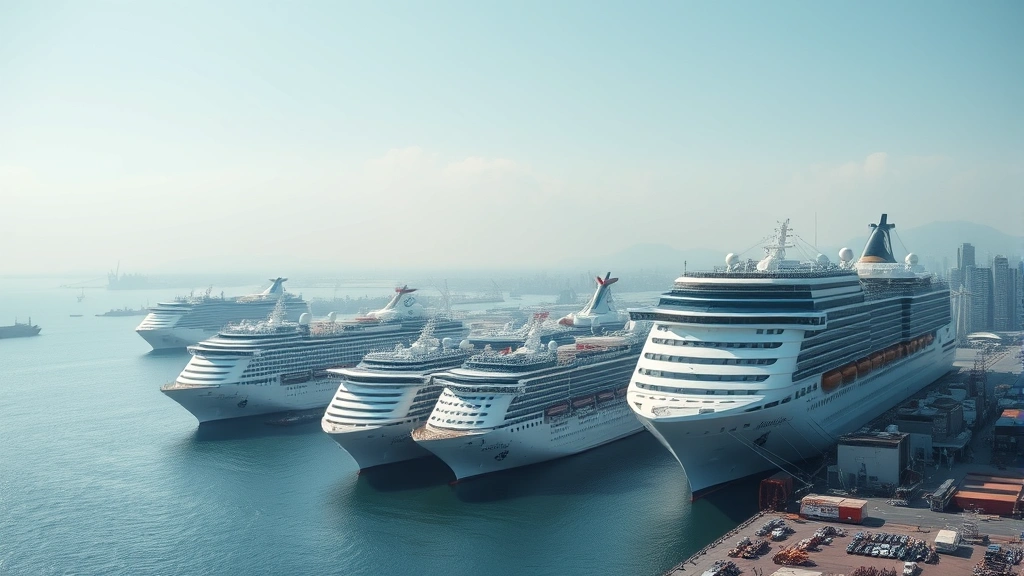
The cruise tourism sector has experienced exponential growth over the past two decades, with the global fleet expanding from approximately 300 ships in 2000 to over 500 today. This expansion reflects increasing consumer demand for all-inclusive vacation experiences, particularly in emerging markets. The industry’s economic significance cannot be dismissed—it supports approximately 1.8 million jobs and generates substantial tax revenues for port communities and national governments.
However, this growth trajectory has created unprecedented environmental pressures. Modern mega-ships, often carrying 5,000-6,000 passengers plus 2,000+ crew members, represent floating cities with resource demands comparable to small municipalities. The concentration of environmental impacts at specific coastal destinations amplifies local ecological disruption. Port cities like Venice, Barcelona, and Miami experience acute pressures from cruise traffic, raising questions about types of environment most vulnerable to tourism-driven degradation.
Research from the World Bank indicates that tourism-related emissions could increase by 25-300% by 2050 if current growth patterns continue unchecked. Cruise shipping specifically represents one of the fastest-growing maritime sectors, with significant implications for global carbon budgets and ocean health.
Greenhouse Gas Emissions and Climate Contribution
The carbon footprint of cruise tourism presents a paradox: while cruise companies promote their services as efficient transportation per passenger-mile, the absolute emissions from individual voyages are extraordinarily high. A typical week-long cruise generates approximately 5-14 tons of CO₂ per passenger, comparable to transatlantic flights or several months of average household emissions.
Cruise ships predominantly utilize heavy fuel oil (HFO), a residual petroleum product containing up to 3,500 times more sulfur than standard diesel fuel. This choice reflects economic optimization rather than environmental stewardship—HFO costs substantially less than cleaner marine gasoil, allowing operators to externalize pollution costs onto society and ecosystems. A single large cruise ship emits as much sulfur dioxide as approximately 13 million automobiles, contributing significantly to atmospheric acidification and respiratory health impacts in port communities.
The International Maritime Organization (IMO) estimates that maritime shipping accounts for 2.5-3% of global greenhouse gas emissions. Within this sector, cruise ships disproportionately contribute to emissions intensity despite representing only a fraction of total maritime traffic. This inefficiency stems from multiple factors: constant onboard power generation for amenities, inefficient hull designs optimized for passenger capacity rather than hydrodynamic efficiency, and the energy-intensive desalination and wastewater treatment systems required for large populations at sea.
Progressive operators have begun transitioning toward liquefied natural gas (LNG) propulsion, which reduces CO₂ emissions by approximately 20-25% compared to HFO combustion. However, methane leakage from LNG systems can undermine climate benefits, and LNG infrastructure remains underdeveloped in most global ports. This transition represents incremental improvement rather than transformative change, as LNG still generates substantial greenhouse gases and does nothing to address emissions from other cruise ship operations.
Marine Pollution and Ocean Degradation
Beyond climate impacts, cruise ships generate multiple pollution streams that directly degrade marine ecosystems. Wastewater discharge represents a primary concern, with individual large ships producing 250,000+ gallons of sewage daily. While international regulations theoretically require treatment before discharge, enforcement remains inconsistent, particularly in international waters where regulatory oversight becomes ambiguous.
Ballast water discharge introduces invasive species into sensitive ecosystems, disrupting native biodiversity and creating cascading ecological consequences. A single cruise ship ballast tank can contain organisms from dozens of geographic regions, effectively serving as a vector for bioinvasion on a massive scale. Marine protected areas adjacent to major cruise ports experience disproportionate impacts from these introductions.
Antifouling paints applied to ship hulls contain biocides like copper and zinc, designed to prevent organism attachment but creating toxic zones in surrounding waters. Cruise ship hulls, subjected to continuous saltwater exposure, require frequent maintenance and repainting, generating persistent chemical releases. These compounds bioaccumulate in marine organisms, with documented impacts on benthic communities and fish populations in areas with heavy cruise traffic.
Accidental fuel spills and operational discharges represent additional pollution pathways. Even compliant ships legally discharge small quantities of oil during routine operations, while accidents involving older vessels can create catastrophic environmental damage. The Costa Concordia disaster in 2012 demonstrated the vulnerability of cruise ship operations to failures with severe ecological consequences.
Waste Generation and Management Systems
A cruise ship carrying 6,000 passengers generates approximately 8-10 tons of solid waste daily, equivalent to a town of 10,000 people. This waste stream includes food waste, hazardous materials, plastics, metals, and general refuse. While modern ships theoretically separate waste streams for recycling and proper disposal, implementation varies dramatically across operators and flag states.
The practice of waste incineration at sea, while declining, persists in international waters where regulations prove difficult to enforce. High-temperature incineration can generate hazardous combustion byproducts, including dioxins and furans, which disperse into the atmosphere and subsequently deposit in marine environments. Food waste, despite being biodegradable, can attract marine fauna and alter local ecosystem behavior patterns.
Plastics represent a particularly persistent problem. Despite international regulations restricting single-use plastics, cruise ships continue generating substantial plastic waste through food service operations, packaging, and passenger consumption. Microplastics from degraded materials enter marine food webs, with documented bioaccumulation in commercially important fish species. The concentration of plastic pollution in areas with heavy cruise traffic creates visible ecosystem degradation and threatens marine megafauna including sea turtles and cetaceans.
Hazardous waste management on cruise ships operates under less stringent regulations than land-based facilities. Oils, solvents, batteries, and electronic waste require specialized handling, but international maritime law permits disposal practices that would violate terrestrial environmental standards. This regulatory arbitrage incentivizes operators to treat international waters as repositories for problematic waste streams.
Biodiversity Threats and Ecosystem Disruption
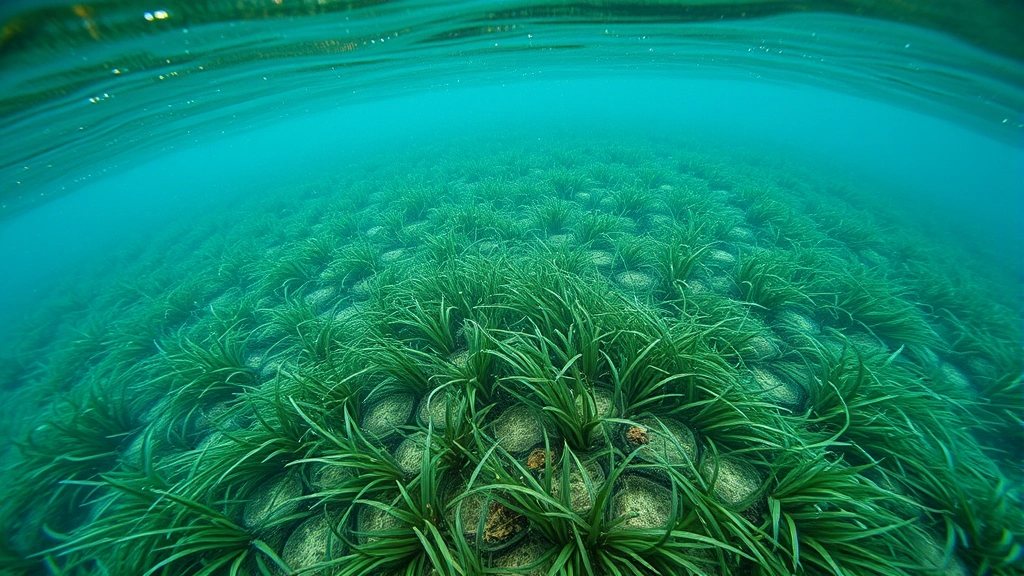
Cruise tourism creates direct and indirect threats to marine and coastal biodiversity. Physical impacts from anchoring damage seagrass beds and coral reefs, disrupting critical breeding and nursery habitats for commercially important fish species. The Mediterranean Sea, subjected to intense cruise traffic, shows measurable declines in seagrass (Posidonia oceanica) coverage in areas with heavy anchoring activity.
Noise pollution from ship operations affects marine mammal communication, navigation, and feeding behaviors. Cetaceans rely on underwater sound transmission for complex social interactions, and cruise ship noise creates acoustic masking that disrupts these essential behaviors. Research indicates that marine mammals in high-traffic areas exhibit stress hormones comparable to animals experiencing food scarcity, demonstrating the physiological impact of cruise ship noise.
Wildlife attraction to cruise ships creates additional problems. Seabirds following ships for food waste experience higher collision rates and altered migration patterns. Marine mammals approaching vessels increase accident risks and expose animals to pollutants. These behavioral changes cascade through ecosystems, affecting predator-prey dynamics and population demographics.
Coastal habitat degradation results from cruise port infrastructure expansion and dredging operations necessary to accommodate larger ships. Mangrove forests, salt marshes, and other ecologically critical habitats face destruction to create berths and channel access. The ecosystem services provided by these habitats—carbon sequestration, nursery functions, storm protection—disappear permanently, with economic values often unaccounted for in port development decisions.
Economic Externalities and True Environmental Costs
Understanding the true environmental cost of cruising requires environmental science perspectives on economic externalities. The cruise industry successfully externalizes environmental costs, allowing ticket prices to appear artificially low while transferring pollution burdens to society broadly. Environmental economists estimate that cruise ship fares undervalue true environmental costs by 50-75%, representing massive implicit subsidies.
Research published by the United Nations Environment Programme demonstrates that if cruise operators internalized environmental costs through carbon pricing, waste management fees, and marine pollution liability, ticket prices would increase 30-40%. This price adjustment would reflect genuine scarcity values and create incentives for efficiency improvements.
The health impacts of cruise ship pollution create measurable economic costs through respiratory disease, cardiovascular events, and lost productivity in port communities. Studies of populations in major cruise ports show elevated rates of asthma exacerbation and cardiovascular mortality correlated with cruise ship schedules. These health externalities represent costs borne by port city residents rather than cruise passengers or operators.
Fishery productivity declines in areas with heavy cruise traffic represent another significant externality. Pollution and habitat degradation reduce fish populations, diminishing livelihoods for fishing communities that historically depended on these resources. The opportunity cost of foregone fishery production often exceeds cruise industry economic contributions to port communities, yet policy frameworks rarely account for this trade-off.
Greenwashing Versus Genuine Sustainability Efforts
The cruise industry has embraced sustainability marketing with increasing sophistication, promoting environmental initiatives while maintaining fundamentally unsustainable operational models. Greenwashing in the cruise sector takes multiple forms: selective disclosure of environmental data, emphasis on incremental improvements presented as transformative change, and certification programs with minimal enforcement mechanisms.
Claims of “carbon-neutral” cruising through offsetting mechanisms represent particularly problematic greenwashing. Offset programs often fund projects of questionable additionality or permanence, failing to reduce actual cruise ship emissions. A passenger purchasing carbon offsets for a cruise typically reduces actual emissions by less than 5% while feeling absolved of environmental responsibility.
Some operators have genuinely invested in cleaner technologies and operational improvements. LNG propulsion, waste heat recovery systems, and advanced wastewater treatment represent authentic environmental progress. However, these improvements remain marginal compared to the scale of cruise industry environmental impacts. A ship using LNG instead of HFO still generates enormous emissions, waste, and pollution—it simply does so somewhat less destructively.
Third-party certification programs like those provided by the International Maritime Organization or cruise industry associations suffer from weak enforcement and minimal penalties for non-compliance. Ships achieving “Green Ship” certifications may still engage in illegal waste disposal or exceed emission standards, as regulatory oversight in international waters remains inadequate. The complexity of maritime governance creates opportunities for operators to navigate between jurisdictions and exploit regulatory gaps.
Regulatory Frameworks and Policy Responses
International maritime law governing cruise ship environmental performance remains fragmented and inadequately enforced. The International Convention for the Prevention of Pollution from Ships (MARPOL) establishes baseline standards, but implementation varies dramatically across flag states. Ships registered in countries with weak environmental enforcement effectively operate without meaningful constraints.
Port state control represents the primary enforcement mechanism for maritime environmental regulations, yet port authorities often lack resources and political will to rigorously inspect vessels or impose penalties. Economic competition between ports creates perverse incentives, as strict environmental enforcement risks losing cruise ship visits and associated revenues. This dynamic perpetuates a regulatory race-to-the-bottom where ports compete by offering lenient oversight.
The European Union has implemented more stringent regulations than international standards, requiring ships operating in EU ports to use low-sulfur fuel and meet specific emission standards. However, cruise operators often respond by rerouting ships to avoid EU ports during peak seasons or registering vessels under flags with minimal enforcement. These regulatory arbitrage strategies demonstrate how cruise companies exploit governance gaps to maintain unsustainable practices.
Emerging policy responses include carbon pricing mechanisms, fuel standards, and port fee structures incentivizing cleaner operations. Some jurisdictions have implemented per-passenger fees that increase with ship size, creating financial pressure for efficiency improvements. However, these policies remain geographically limited and subject to industry opposition, preventing comprehensive global reform.
Alternatives and Future Outlook
Reducing cruise tourism’s environmental impact requires both individual behavioral change and systemic transformation. Travelers concerned about environmental impacts can reduce carbon footprint by selecting alternative vacation modes with lower environmental intensity. Land-based tourism, regional travel, and shorter vacations generally generate lower emissions than cruise vacations.
For travelers committed to cruise experiences, selecting operators with demonstrable environmental commitments represents a harm-reduction approach. Ships utilizing LNG propulsion, implementing advanced waste treatment, and operating under strict environmental management systems impose lower environmental costs than conventional cruise ships. However, this approach addresses symptoms rather than root causes of cruise industry unsustainability.
Transformative alternatives include regulatory mandates requiring zero-emission ship propulsion, comprehensive carbon pricing mechanisms covering maritime emissions, and restrictions on cruise ship size and port calls in ecologically sensitive areas. These policies would fundamentally alter cruise industry economics, reducing passenger volumes but aligning industry operations with climate and ecological imperatives.
Emerging technologies including hydrogen fuel cells, advanced battery systems, and wind-assist propulsion offer potential pathways toward genuinely sustainable maritime transportation. However, these technologies remain underdeveloped for large-scale cruise applications and require substantial infrastructure investment. The cruise industry’s preference for incremental improvements over transformative change suggests these alternatives will remain marginal without strong regulatory mandates.
The future environmental trajectory of cruise tourism depends on policy choices made over the next decade. Current trajectories point toward continued growth and environmental degradation, with industry self-regulation proving inadequate. Comprehensive policy reform incorporating carbon pricing, stricter emission standards, and restrictions on cruise ship size represents the primary pathway toward sustainable maritime tourism.
FAQ
What makes cruise ships particularly polluting compared to other ships?
Cruise ships prioritize passenger amenities and capacity over operational efficiency, requiring continuous power generation for cabins, restaurants, theaters, and recreational facilities. They use heavy fuel oil—the dirtiest marine fuel—because it’s cheapest, despite severe environmental consequences. Additionally, their route patterns involve frequent port calls in sensitive coastal areas, concentrating impacts geographically.
Are newer cruise ships significantly cleaner?
Newer ships incorporate incremental improvements like LNG propulsion or advanced wastewater treatment, reducing certain emissions by 20-30%. However, they typically carry more passengers and generate greater absolute waste than older vessels. Marginal efficiency gains are overwhelmed by increasing scale, meaning newer ships often produce greater total environmental impact despite per-passenger improvements.
Can cruise companies achieve true sustainability through carbon offsets?
Carbon offset programs rarely achieve genuine emissions reductions and often fund projects of questionable additionality. A cruise generating 8 tons of CO₂ per passenger cannot be rendered “sustainable” through purchasing offsets worth a fraction of those emissions. Offsets represent greenwashing rather than authentic environmental responsibility.
Which cruise lines are most environmentally responsible?
No cruise line operates sustainably in absolute terms, though some demonstrate greater environmental commitment than others. Operators investing in LNG propulsion, advanced waste management, and transparent environmental reporting represent relatively better options. However, even these companies operate fundamentally unsustainable business models requiring systemic change rather than incremental improvement.
What’s the best environmental alternative to cruise vacations?
Land-based vacations, particularly those accessible by rail or regional transportation, generate substantially lower emissions. Multi-week stays in single locations minimize transportation impacts. For travelers unable to avoid flying, shorter vacations closer to home produce lower total emissions than distant cruise destinations.
How do cruise ships impact local marine ecosystems?
Cruise ships damage ecosystems through multiple pathways: anchoring destroys seagrass and coral, invasive species in ballast water disrupt native communities, chemical antifouling paints create toxic zones, and noise pollution disrupts marine mammal behavior. These impacts concentrate in port areas, causing measurable biodiversity decline in cruise-dependent destinations.
Are international regulations effectively controlling cruise ship pollution?
International maritime regulations establish baseline standards, but enforcement remains weak due to flag state conflicts, limited port state capacity, and regulatory arbitrage by operators. Ships can often avoid strict jurisdictions or operate in international waters with minimal oversight. Effective control requires comprehensive enforcement mechanisms that currently don’t exist globally.
For additional perspectives on environmental economics and sustainability assessment, consult research from the International Society for Ecological Economics, Nature journal, and Ecological Economics journal. Understanding environmental topics comprehensively requires examining scientific evidence alongside economic analysis and policy frameworks.


