
Can Economic Growth Harm Ecosystems? Study Insights
The relationship between economic growth and environmental degradation represents one of the most pressing questions in contemporary economics and ecology. For decades, policymakers have grappled with a seemingly intractable dilemma: how to achieve prosperity without destroying the natural systems that sustain all life. Recent research challenges the traditional assumption that economic expansion necessarily requires ecological sacrifice, yet empirical evidence from around the world reveals a more nuanced and troubling reality. The Amazon rainforest—home to anacondas and countless other species—faces unprecedented pressure from economic activities including cattle ranching, logging, and agricultural expansion, illustrating how growth-oriented policies can devastate biodiverse ecosystems.
Understanding this complex relationship requires examining both the mechanisms through which economic activity impacts natural systems and the emerging evidence about whether decoupling growth from environmental harm is genuinely possible. This analysis integrates insights from ecological economics, environmental policy research, and recent field studies to provide a comprehensive assessment of how our pursuit of economic expansion shapes the future of Earth’s ecosystems.
The Mechanisms of Ecological Damage from Economic Growth
Economic growth, measured primarily through increases in gross domestic product (GDP), fundamentally relies on the extraction and transformation of natural resources. The mechanisms through which this process damages ecosystems operate across multiple scales and timeframes. At the most basic level, industrial expansion requires land conversion—forests become plantations, wetlands transform into agricultural fields, and pristine habitats fragment into isolated patches incapable of supporting viable populations of large species.
The extraction industries exemplify this dynamic most starkly. Mining operations remove topsoil, contaminate groundwater with heavy metals and acidic runoff, and create permanent scars across landscapes. Oil and gas extraction introduces toxic substances into ecosystems, from the Deepwater Horizon catastrophe affecting marine life to pipeline ruptures poisoning river systems. These activities generate immediate, quantifiable ecological damage while providing the raw materials that fuel economic expansion in wealthy nations.
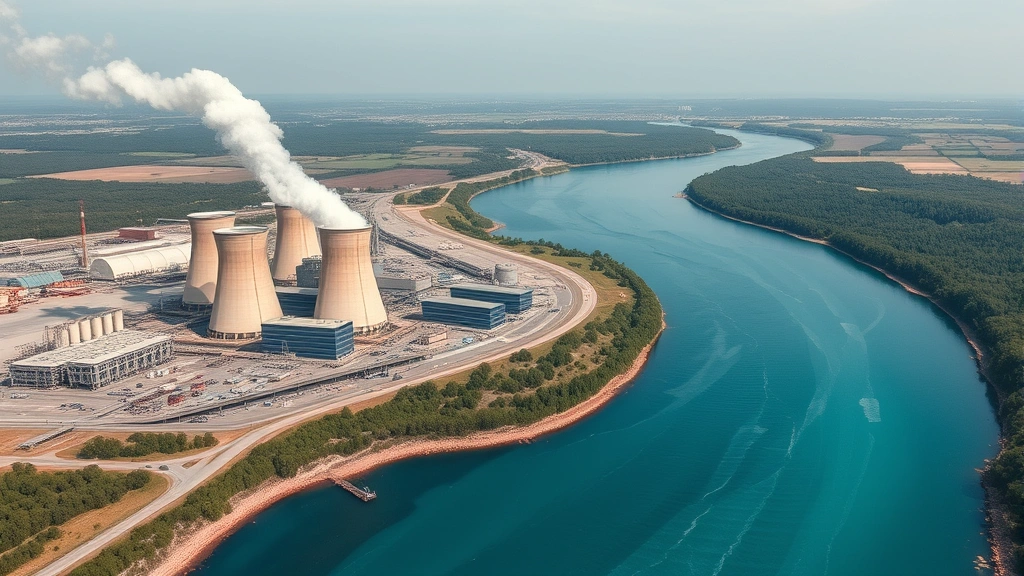
Manufacturing and energy production create a second layer of environmental harm through pollution and climate disruption. Factories discharge particulates, heavy metals, and persistent organic pollutants into air and water systems. Power plants—whether coal, natural gas, or nuclear—consume vast quantities of water for cooling, depleting aquifers and disrupting aquatic ecosystems. The carbon emissions from fossil fuel combustion drive climate change, which operates as a meta-threat, amplifying all other environmental stresses through altered precipitation patterns, temperature extremes, and ecosystem disruption.
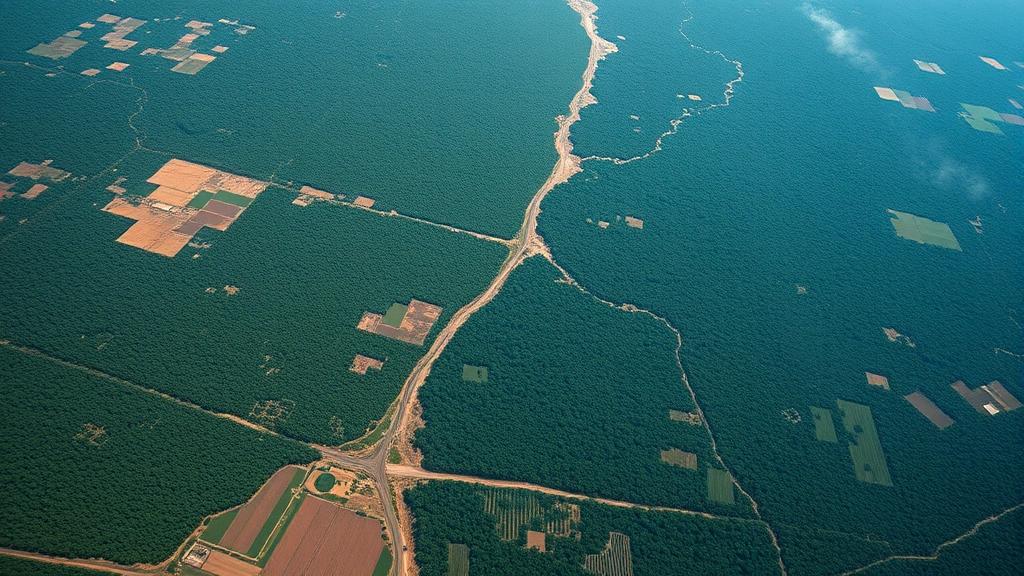
Agricultural intensification, which accelerates with economic development, introduces synthetic pesticides and fertilizers that bioaccumulate through food webs, poisoning predators including humans through human environment interaction pathways. Monoculture farming eliminates habitat heterogeneity, reducing biodiversity and creating ecological deserts that support only pest species. The expansion of cattle ranching into tropical regions—particularly in Brazil’s Amazon basin where anacondas and jaguars roam—represents perhaps the most ecologically destructive form of economic land use, requiring vast deforestation and contributing substantially to global methane emissions.
Transportation networks, while enabling economic exchange, fragment habitats and introduce novel mortality sources through collisions with vehicles. Urban expansion consumes productive land and generates heat island effects that alter local climate conditions. The cumulative effect of these mechanisms creates a comprehensive assault on natural systems, with impacts cascading through food webs and ecological networks in ways that remain incompletely understood.
Empirical Evidence: Growth’s Environmental Footprint
Global data on environmental degradation paints a sobering picture aligned with periods of accelerated economic growth. According to research from the World Bank, forest loss has accelerated dramatically since the 1990s, precisely when globalized economic growth intensified. The Living Planet Index, which tracks vertebrate population abundance, has documented a 68% decline in monitored wildlife populations since 1970—a period coinciding with unprecedented economic expansion in developing nations.
Biodiversity loss correlates directly with GDP growth in most national contexts. Nations that achieved the highest economic growth rates—particularly in Southeast Asia and Latin America—simultaneously experienced the steepest declines in forest cover and species populations. China’s rapid industrialization increased its GDP nearly tenfold between 1990 and 2020, yet this expansion corresponded with severe air and water pollution, soil degradation affecting agricultural productivity, and the near-extinction of species like the South China tiger.
Ocean acidification and warming—driven by carbon emissions from economic activity—have reduced calcifying organism populations by 30-40% in some regions. Coral bleaching events, increasingly frequent due to rising ocean temperatures, threaten the livelihoods of over 500 million people while destroying ecosystems that support immense biodiversity. Freshwater systems show similarly dire trends: aquifer depletion from agricultural irrigation, industrial water consumption, and pollution have rendered numerous river systems unable to support their historic fish populations.
The nitrogen cycle has been fundamentally altered by economic activity. Synthetic fertilizer production—a cornerstone of industrial agriculture that enables economic growth in the food sector—now fixes more atmospheric nitrogen than all natural terrestrial processes combined. This excess nitrogen creates dead zones in coastal waters worldwide, including the massive hypoxic zone in the Gulf of Mexico, rendering these areas incapable of supporting most aquatic life.
The Decoupling Debate and Its Limitations
In response to mounting evidence of ecological harm, economists and policymakers have increasingly promoted the concept of “decoupling”—the idea that economic growth can be separated from environmental impact through efficiency improvements and technological innovation. This framework suggests that nations can achieve prosperity while reducing their ecological footprint, a proposition that appeals to policymakers reluctant to challenge growth-oriented development paradigms.
The evidence for decoupling, however, remains contested and limited. While some wealthy nations have reduced domestic carbon emissions per unit of GDP, this accomplishment often reflects the outsourcing of manufacturing to developing nations rather than genuine reductions in consumption-based emissions. When accounting for imported goods, many developed nations have actually increased their total environmental impact even as their domestic emissions declined—a phenomenon termed “carbon leakage.”
Technological improvements in efficiency have consistently failed to offset the rebound effect, wherein reduced costs from efficiency improvements stimulate additional consumption that negates the environmental gains. More efficient cars encourage more driving; more efficient lighting enables expanded illumination; more efficient agriculture facilitates agricultural expansion into previously undeveloped lands. This dynamic, documented across multiple sectors, suggests fundamental thermodynamic limits to decoupling within a growth-oriented economic system.
The concept of environmental science definitions increasingly emphasizes planetary boundaries—thresholds beyond which Earth systems cannot maintain stability. Research indicates that humanity has already exceeded safe operating spaces for climate change, biodiversity loss, land system change, and biogeochemical flows. Within this context, decoupling claims appear increasingly implausible: if we have already overshot multiple planetary boundaries, efficiency improvements alone cannot restore ecological stability while simultaneously pursuing indefinite economic expansion.
Biodiversity Loss in High-Growth Economies
The relationship between economic growth and biodiversity loss exhibits remarkable consistency across geographical and cultural contexts. The primary driver remains habitat destruction for economic land use—agriculture, forestry, mining, urban expansion, and infrastructure development consume approximately 100,000 square kilometers of natural habitat annually, a rate that accelerates with economic growth.
Tropical regions, which harbor approximately 80% of terrestrial species despite comprising only 7% of Earth’s land surface, face the most intense pressure. Economic expansion in Brazil, Indonesia, and Central Africa has transformed vast forests into agricultural and extractive landscapes. The Amazon rainforest, which contains anacondas, jaguars, giant otters, and millions of other species found nowhere else on Earth, loses approximately 1.5 million hectares annually to cattle ranching and soybean cultivation—both driven by global economic demand.
Marine biodiversity faces equally severe threats from economic growth. Overfishing—driven by economic demand and enabled by industrial fishing technology—has collapsed numerous fish stocks and restructured ocean food webs. Bycatch kills millions of non-target animals annually, including sea turtles, dolphins, and seabirds. Plastic pollution from economic consumption contaminates every ocean region, with microplastics now detected in the deepest trenches and highest mountain peaks.
Freshwater ecosystems experience perhaps the most severe human impact relative to their area. Dams constructed for hydroelectric power and irrigation fragment river systems, preventing species migration and altering flow regimes that countless organisms depend upon. Water extraction for irrigation and industrial use has transformed major rivers including the Aral Sea, Indus, and Yellow River into seasonal or completely depleted systems, with profound consequences for biodiversity and human communities.
The extinction rate has accelerated to approximately 100-1,000 times background rates, with economic growth identified as the primary driver. Species including the Sumatran rhino, Baiji dolphin, and Pinta Island tortoise have been driven extinct during the modern growth era, while thousands of species teeter on extinction’s edge. The loss of biodiversity reduces ecosystem resilience, diminishing the capacity of natural systems to provide essential services including pollination, water purification, climate regulation, and soil formation.
Alternative Economic Models and Ecosystem Protection
Recognizing the incompatibility of infinite growth with finite planetary systems, economists and policymakers have proposed alternative frameworks that prioritize ecological stability alongside human wellbeing. These approaches challenge fundamental assumptions embedded in conventional growth-oriented economics and offer pathways toward genuine sustainability.
Ecological economics, grounded in the recognition that the economy exists as a subsystem within the larger Earth system, reframes economic activity within biophysical limits. Rather than treating natural capital as infinitely substitutable with human-made capital, ecological economics acknowledges that certain ecosystem functions—photosynthesis, pollination, water filtration—possess no economic substitutes. This framework suggests that economic policy should prioritize maintaining ecosystem integrity as a prerequisite for human prosperity rather than treating environmental protection as secondary to growth.
Steady-state economics proposes maintaining a stable physical throughput of materials and energy—limiting extraction and waste to rates sustainable indefinitely—while allowing the economy to evolve qualitatively. This model emphasizes improving living standards through enhanced efficiency, more equitable distribution, and non-material sources of wellbeing rather than continuous expansion of material consumption. Nations implementing elements of steady-state principles, including Costa Rica and Bhutan, have achieved high quality-of-life metrics while maintaining relatively low ecological footprints.
Doughnut economics, developed by Kate Raworth, proposes that economic policy should aim for an optimal range: meeting all people’s basic needs (the doughnut’s inner ring) while respecting planetary boundaries (the outer ring). Rather than maximizing growth, this framework prioritizes human flourishing within ecological limits. Cities including Amsterdam and Wellington have adopted doughnut principles to guide urban planning and resource management.
Regenerative economics extends beyond sustainability to propose that economic activity should actively restore ecological systems. Agricultural practices incorporating regenerative principles—cover cropping, reduced tillage, integrated livestock management—can simultaneously produce food and rebuild soil health, increase carbon sequestration, and enhance biodiversity. While currently representing a small fraction of global agriculture, regenerative approaches demonstrate that economic production need not entail ecological destruction.
The concept of how humans affect the environment through economic systems can be fundamentally reoriented toward restoration rather than extraction through these alternative models. However, transitioning from growth-dependent systems to ecologically sustainable alternatives requires overcoming substantial political and economic resistance from entrenched interests benefiting from current arrangements.
Policy Pathways Forward
Translating ecological understanding into effective policy requires addressing both the incentive structures that drive environmental degradation and the distributional consequences of economic transformation. Several policy mechanisms show promise for reorienting economies toward ecological sustainability.
Carbon pricing—whether through taxes or cap-and-trade systems—internalizes the climate costs of emissions into economic decisions. When implemented with appropriate stringency and complementary policies, carbon pricing can accelerate the transition toward renewable energy and reduced energy consumption. However, carbon pricing alone remains insufficient for addressing broader ecological degradation including biodiversity loss and pollution, requiring complementary policies addressing these distinct but interconnected challenges.
Protected areas, when adequately resourced and managed with local community participation, can preserve biodiversity and maintain ecosystem services. Expanding protected area networks to cover 30% of Earth’s land and ocean surface—a target endorsed by numerous environmental organizations—would substantially reduce extinction rates and preserve evolutionary processes. Yet protection requires addressing underlying economic pressures driving habitat destruction, necessitating broader economic transformation rather than relying solely on conservation designations.
Subsidy reform represents a powerful policy lever often overlooked in growth-focused analyses. Global subsidies for fossil fuels, industrial agriculture, and fishing exceed $5 trillion annually when accounting for unpriced environmental costs. Redirecting these resources toward renewable energy, regenerative agriculture, and ecosystem restoration would fundamentally alter economic incentives while freeing substantial public funds for social investment.
Approaches to reducing carbon footprint extend beyond individual consumption choices to systemic economic transformation. Policies promoting circular economy principles—designing products for longevity and reuse, eliminating planned obsolescence, and establishing material recovery systems—can substantially reduce extraction demands. Transition toward plant-based food systems, enabled through agricultural policy reform and public procurement changes, would free vast land areas for ecosystem restoration while reducing emissions from livestock production.
International cooperation through reformed trade agreements, technology transfer, and climate finance can support developing nations in pursuing sustainable development pathways rather than replicating the extractive growth models of wealthy nations. The United Nations Environment Programme has documented how developing nations often face pressure to exploit natural resources to service external debt, creating structural barriers to sustainability that require international policy coordination to overcome.
Labor transition programs must accompany economic transformation, ensuring that workers in carbon-intensive industries—fossil fuel extraction, industrial agriculture, logging—can transition to employment in renewable energy, ecosystem restoration, and regenerative sectors. Without addressing the legitimate concerns of affected workers and communities, economic transformation will generate political resistance that undermines environmental policy effectiveness.
FAQ
Does all economic growth necessarily harm ecosystems?
While economic growth as conventionally measured (GDP expansion) has historically correlated with ecological degradation, the relationship is not deterministic. Economic activity could theoretically be organized to enhance rather than degrade ecosystems, though current global economic structures and incentives predominantly drive environmental harm. The fundamental challenge involves reconciling infinite growth aspirations with finite planetary systems.
Can technology solve the problem of growth-driven environmental damage?
Technology can reduce the environmental intensity of economic activity—making production more efficient and reducing waste. However, technological improvements alone have consistently failed to offset the rebound effect and aggregate growth in consumption. Technology represents a necessary but insufficient component of addressing growth-driven ecological degradation, requiring complementary changes in economic structure, consumption patterns, and policy frameworks.
What evidence exists that decoupling economic growth from environmental impact is possible?
Some wealthy nations have achieved reductions in domestic carbon emissions per unit of GDP, though this often reflects outsourcing of manufacturing rather than genuine reductions in consumption-based impacts. Absolute decoupling—reducing total environmental impact while expanding economic activity—remains largely undemonstrated at meaningful scales. Research indicates that planetary boundaries have already been exceeded, suggesting that further decoupling may be physically impossible within a growth-oriented framework.
How do economic systems affect biodiversity in tropical rainforests?
Tropical rainforests face intense pressure from economic activities including cattle ranching, soy cultivation, logging, and mining. Global economic demand for beef and animal feed drives Amazon deforestation at accelerating rates. The removal of forest habitat eliminates species including anacondas, jaguars, and countless others while disrupting ecosystem services including climate regulation and carbon storage that benefit all humanity.
What alternative economic models could protect ecosystems while meeting human needs?
Ecological economics, steady-state economics, doughnut economics, and regenerative economics each propose frameworks that prioritize ecosystem integrity alongside human wellbeing. These models emphasize qualitative improvements in living standards, equitable distribution of resources, and economic activity organized within biophysical limits rather than pursuing indefinite material expansion. Implementation requires substantial policy reform and shifts in social values regarding prosperity and progress.


