
Table of Contents
Introduction
Picture this: millions of dead batteries get tossed in the trash every single day. Where do they end up? In landfills, leaking nasty chemicals into the ground we walk on and the water we drink. It’s one of those environmental problems hiding in plain sight—and honestly, most of us never think twice about it until it’s too late.
Here’s the thing about battery recycling—it’s not just some feel-good environmental gesture. Those innocent-looking batteries sitting in your junk drawer? They’re packed with metals like lead, mercury, and cadmium that can seriously mess up ecosystems when they leak into soil and water. Recent studies show that careless battery disposal is a major contributor to contamination that harms wildlife and degrades our natural spaces. If you’re already thinking about sustainable living, you might want to check out how to build a rain garden—it’s a perfect complement to responsible recycling that helps manage water runoff naturally.
Now, not all batteries are created equal. Your TV remote’s alkaline batteries need different handling than your phone’s lithium-ion battery or your car’s hefty lead-acid battery. Each type has its own chemical makeup and potential dangers, which means they need specialized recycling processes. (Trust me, you don’t want to guess wrong on this one.) Most people get stuck trying to figure out which batteries can actually be recycled and where to take them. While you’re building these eco-friendly habits, learning about how to recycle glass bottles effectively makes perfect sense—it’s another simple way to keep useful materials out of landfills.
But wait—there’s more at stake than just environmental damage. Tossing batteries in regular trash creates fire risks in garbage trucks and recycling facilities. Corroded batteries can leak and expose people to toxic substances, especially kids who might find them. Communities end up paying hefty cleanup costs when things go wrong, and nobody wants to live in a contaminated area. Speaking of creating healthier environments, exploring safe and effective methods for natural pest control fits right into this whole sustainable lifestyle approach.
What You’ll Learn in This Guide
We’re going to walk through everything you need to know about recycling batteries the right way. Here’s what we’ll cover:
- Understanding Battery Types and Recycling Needs: Learn about different batteries like alkaline, rechargeable, car, and button cells, and why each requires specific recycling methods to ensure safety and environmental protection.
- Safe Collection, Storage, and Handling: Discover practical tips for collecting, storing, and preparing batteries for recycling, including precautions to prevent fire, corrosion, and contamination risks.
- Recycling Locations and Programs: Find out where to recycle batteries, including household hazardous waste facilities, retail collection points, and community programs, making it easy to do your part.
- Signs of Improper Disposal and When to Seek Professional Help: Recognize warning signs that indicate unsafe battery disposal and learn when to contact professionals for safe handling and recycling assistance.
As we dig into this topic, you’ll get step-by-step guidance on protecting your home and community through proper battery recycling. And if you’re feeling inspired to do even more for your neighborhood, learning how to start a community garden is another fantastic way to promote sustainability right where you live.
My goal here is simple: give you the knowledge and confidence to recycle batteries safely while reducing environmental risks and supporting conservation efforts that benefit everyone. When you follow this guide, you’re joining a global movement toward cleaner, greener living—and that actually matters.
Ready to master the art of battery recycling? Let’s dive into the essential practices, real benefits, and available resources that make this whole process safe and straightforward. Because honestly, your small actions today can create ripple effects that last for generations.
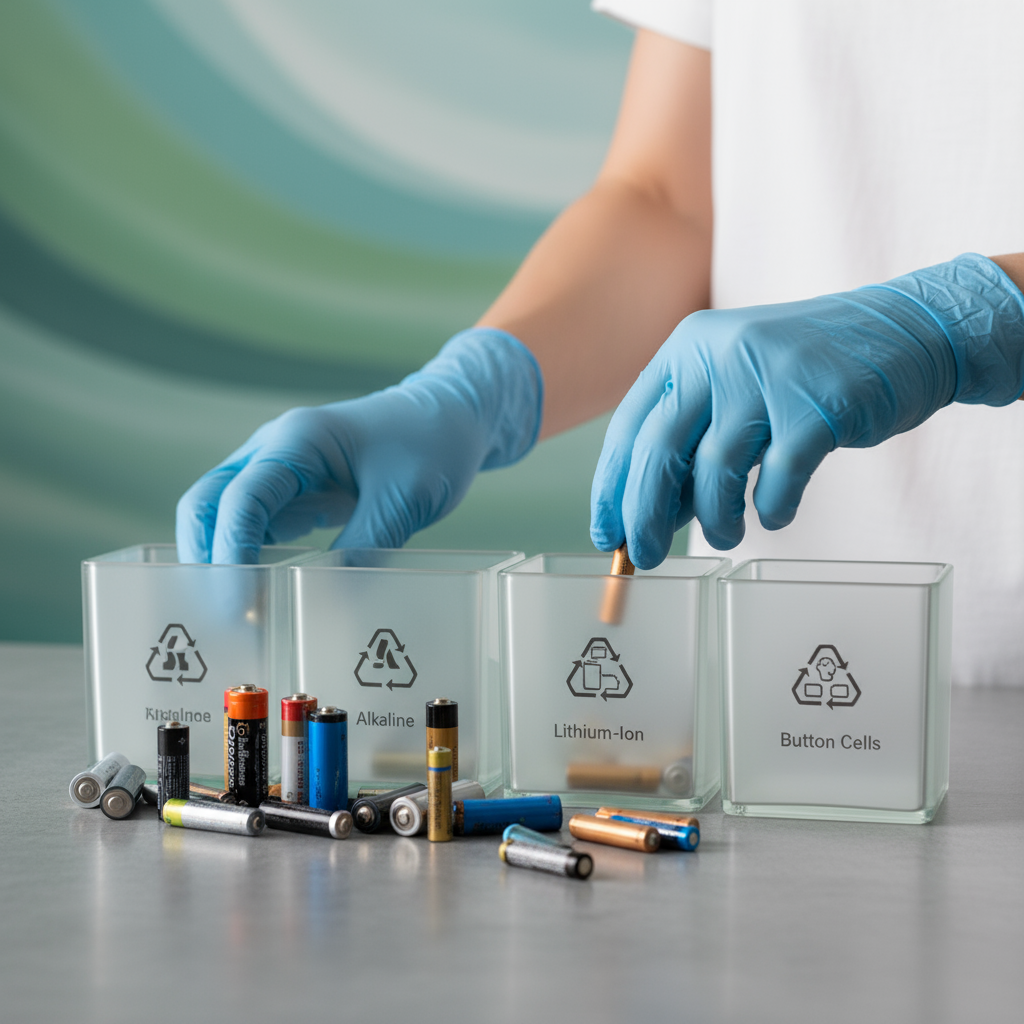
Here’s something that might surprise you: those dead batteries sitting in your junk drawer? They’re either tiny environmental time bombs or valuable resources waiting to be reborn. The difference comes down to one simple choice—how you get rid of them. Battery recycling isn’t just some feel-good environmental gesture (though it definitely feels good). It’s actually one of the most impactful things you can do to keep toxic materials out of our soil and water while recovering metals that would otherwise require destructive mining. Think about it—we’re surrounded by batteries these days. Your phone, laptop, car, TV remote, even that digital thermometer in your medicine cabinet. When these power sources die, where they go next matters more than you might think.
Types of Batteries and Their Recycling Needs
Not all batteries are created equal—and that’s exactly why recycling them properly requires a bit of know-how. Each type has its own personality, if you will. Some are relatively harmless, others pack serious environmental punch, and a few are downright dangerous if handled wrong. Take alkaline batteries (your standard AA, AAA household workhorses) versus lithium-ion rechargeable batteries versus those hefty lead-acid car batteries. They’re as different as apples, oranges, and… well, hand grenades. Keeping them separated isn’t just good practice—it prevents chemical reactions that could turn your recycling efforts into a hazardous situation. Want to see another example of thoughtful environmental planning? Check out how to build a rain garden, which shows the same kind of careful attention to sustainability that makes battery recycling so effective.
Now, rechargeable batteries deserve special attention. Why? They’re packed with valuable metals like lithium and nickel that can live again in new products. It’s the same mindset you’ll find in sustainable fashion brands—taking what exists and giving it new life instead of constantly consuming fresh resources. But here’s where things get serious: button cell batteries. Those tiny silver discs might look innocent, but they can contain mercury and other heavy metals that absolutely do not belong in our environment. One improperly disposed button battery can contaminate thousands of gallons of water. That’s not a typo.
Key Aspects of Battery Types and Recycling Needs
Let’s break down what you’re dealing with in your battery collection:
- Alkaline Batteries: These everyday heroes power most of your household gadgets. The good news? They’re relatively safe to handle. The key is keeping them away from rechargeable batteries during storage and recycling—mixing them can create unwanted chemical reactions. Proper recycling facilities know exactly how to extract the useful metals while keeping everything else out of landfills.
- Rechargeable Batteries (NiMH, Li-ion): These are the workhorses of our digital age, and they’re gold mines (sometimes literally). Their complex chemistry means they need specialized recycling, but it’s worth it—the recovered materials go right back into new batteries and electronics. Every recycled lithium-ion battery means less mining for new lithium. That’s a win for everyone.
- Car Batteries (Lead-Acid): Heavy, intimidating, and surprisingly successful at recycling. These bad boys contain lead and sulfuric acid—stuff you definitely don’t want leaking into the ground. The beautiful thing? Nearly 100% of a car battery can be recycled. Lead plates become new batteries, plastic cases get reused, even the acid finds new life. It’s recycling success story gold.
- Button Cell Batteries: Small but mighty—and by mighty, I mean potentially hazardous. These little powerhouses run watches, hearing aids, and small electronics. Their size makes them easy to toss in the trash (don’t do this!), but their mercury and heavy metal content makes proper disposal absolutely critical. Trust me, your local water supply will thank you.
Here’s the reality check: improper battery disposal isn’t just bad for the environment—it’s genuinely dangerous. We’re talking about soil contamination that lasts for decades, groundwater pollution that spreads far beyond the original disposal site, and fire risks that can cause real damage and injury. Heavy metals from batteries don’t just disappear; they accumulate in the food chain and eventually find their way back to us. Speaking of responsible disposal, learning how to recycle glass bottles is another simple step that prevents hazardous waste from piling up unnecessarily.
Now that you understand what you’re working with, let’s talk about how to actually handle these batteries safely and get them where they need to go.
How to Recycle Batteries Properly
Ready for the practical stuff? Good, because this is where knowledge meets action. Proper battery recycling starts at home with safe storage and ends at specialized facilities designed to handle these materials responsibly. First rule: never just toss batteries together in a random container and hope for the best. You want non-metal containers (plastic bins work great), and you want to keep everything cool and dry. Heat and moisture are battery storage enemies—they encourage leaks and deterioration. For more ways to strengthen your environmental impact at home, exploring renewable energy for homes shows how small changes add up to significant environmental benefits.
Finding the right place to recycle can be easier than you think. Most communities have household hazardous waste facilities specifically equipped for this stuff. But here’s a convenient option: many big-box stores now have battery collection bins right near the entrance. Hardware stores, electronics retailers, even some grocery stores participate in take-back programs. It’s like they’re making it easy for you to do the right thing. (Imagine that!) Just remember to check local guidelines first—some places want you to tape battery terminals, others won’t accept damaged batteries, and rules can vary depending on where you live.
Key Aspects of Safe and Effective Battery Recycling
Here’s your practical roadmap for handling batteries like a pro:
- Safe Storage Tips: Plastic containers are your friend—metal ones can cause short circuits, which lead to fires and chemical releases nobody wants to deal with. Keep everything cool and dry (think basement, not attic), and never mix different battery types together. It’s like storing different types of fireworks—you want to keep the incompatible ones separated for everyone’s safety.
- Where to Recycle Batteries: Your local household hazardous waste facility is the gold standard—they’re equipped to handle anything you bring them. But for convenience, check out retail collection programs at stores like Best Buy, Home Depot, or Staples. Many communities also host collection events, especially during Earth Week or community cleanup days. It’s worth keeping an eye on local announcements.
- Precautions Before Recycling: Do your homework on local rules—they’re not just suggestions, they’re safety requirements. Some facilities want battery terminals taped to prevent sparks during transport. Never bring obviously damaged or leaking batteries to retail collection points; those need special handling at hazardous waste facilities. When in doubt, call ahead and ask.
- Consumer Participation and Awareness: You’re not just disposing of waste—you’re participating in a circular economy that recovers valuable materials and protects environmental health. Share what you’ve learned with family and friends; battery recycling works best when everyone participates. And while you’re thinking about environmental stewardship, consider exploring natural pest control methods as another way to reduce your environmental footprint.
When you follow these steps, you’re doing something genuinely meaningful. You’re keeping toxins out of landfills and water systems, recovering materials that can be used again, and supporting an industry that reduces the need for environmentally destructive mining. It’s one of those rare situations where doing the right thing is also the smart thing—and once you get into the habit, it becomes second nature. Your community, your environment, and future generations will benefit from this simple but powerful choice.

Here’s the bottom line: recycling batteries properly isn’t just good practice—it’s essential for protecting our environment and keeping our communities safe. Those little power sources we rely on every day? They’re packed with metals and chemicals that can cause serious damage if they end up in the wrong place. When batteries leak into soil and water (and trust me, they will if they’re not handled right), the ecological damage can last for decades. But here’s the good news: when you sort, store, and recycle different battery types correctly, you’re preventing toxic contamination and eliminating fire risks in waste facilities. The best part? That “hazardous waste” gets transformed into valuable resources, cutting down our need for new mining operations and pushing us toward real sustainability. Once you understand what alkaline, rechargeable, car, and button cell batteries each need, you become part of something bigger—environmental stewardship that actually makes a difference.
Safe handling really matters here. Keep your batteries dry, cool, and separate from each other—this prevents nasty chemical reactions and dangerous short circuits. The good news is that most communities make this easy for you. You’ll find convenient collection points at household hazardous waste facilities and retail recycling programs practically everywhere. Take a few minutes to learn your local rules and safety precautions, and you’ll be recycling responsibly while keeping yourself and your neighbors safe. And if you ever spot signs of trouble—like corrosion or small fires—don’t hesitate to call in the professionals.
Ready to take action? Start with simple storage habits that work: use non-metal containers and never mix different battery types together. Your local recycling facilities and retail drop-off bins make the whole process straightforward, ensuring your old batteries get handled the right way. Want to expand your eco-friendly efforts? There are plenty of other sustainable practices that pair perfectly with battery recycling. Try building a rain garden or learning how to recycle glass bottles effectively—both give you practical ways to live more sustainably. You might also explore safe and effective natural pest control methods, which help reduce chemical use while supporting overall environmental health. And while you’re building these responsible habits, don’t forget about your financial wellbeing—learning how to build an emergency fund gives you the personal security that complements responsible living.
When you commit to proper battery recycling and other sustainable habits, you’re taking a real step toward protecting our planet for the next generation. It’s not just about conserving resources (though that’s huge)—you’re helping build safer communities and healthier ecosystems. Your part in this matters more than you might think. Embrace these practices with confidence, and don’t be shy about sharing what you learn with others. Because here’s what’s amazing: when we all make thoughtful choices today, the positive impact grows exponentially. That’s how we create the thriving, cleaner world we all want to see tomorrow.
Frequently Asked Questions
-
Can I throw batteries in the regular trash?
- No, throwing batteries in regular trash risks environmental contamination and fire hazards. Proper recycling is essential for safe disposal.
-
Where can I recycle old batteries?
- Recycle batteries at household hazardous waste centers, retail drop-off points, or community programs designed for safe battery disposal.
-
Are all batteries recyclable?
- Most battery types are recyclable, but specific handling is required for rechargeable, car, and button cell batteries due to their chemical content.
-
How should I store batteries before recycling?
- Store batteries in cool, dry, non-metal containers, keeping different types separated and taping terminals if recommended locally for safety.
-
What should I do if a battery is leaking?
- If a battery is leaking, avoid direct contact and seek professional disposal or hazardous waste services to handle it safely.