Environment’s Impact on Economy: Study Insights
The relationship between environmental conditions and economic performance represents one of the most critical intersections in contemporary policy analysis. Recent comprehensive studies demonstrate that environmental degradation carries substantial economic costs, while environmental protection generates measurable economic benefits. This article examines the empirical evidence connecting ecological systems to economic outcomes, revealing complex feedback mechanisms that challenge traditional separation between natural and economic systems.
Understanding how the environment shapes economic trajectories requires examining both direct mechanisms—such as resource availability and production costs—and indirect pathways including ecosystem service valuation, climate impacts, and health externalities. The scientific consensus increasingly reflects that environmental stewardship and economic prosperity are not competing objectives but fundamentally interconnected goals requiring integrated policy approaches.
Economic Valuation of Ecosystem Services
Ecosystem services—the benefits humans derive from natural systems—comprise a substantial but often invisible component of economic value. Research from ecological economics demonstrates that forests, wetlands, coral reefs, and grasslands generate economic returns through carbon sequestration, water purification, pollination, flood regulation, and nutrient cycling. The World Bank estimates that ecosystem services globally contribute between $125-145 trillion annually, yet traditional accounting systems fail to capture these values in GDP calculations.
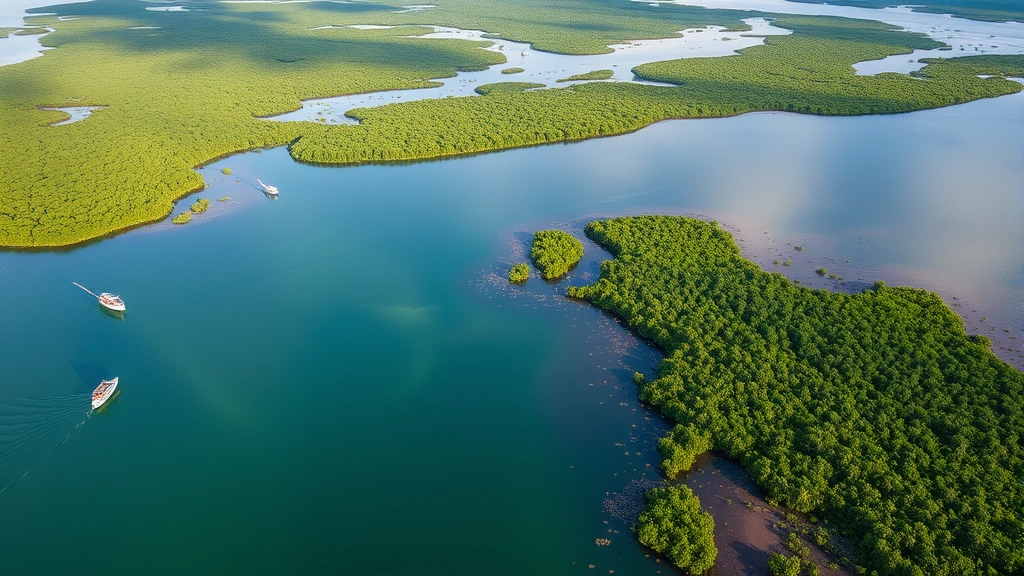
The Millennium Ecosystem Assessment, a comprehensive international study, identified four categories of ecosystem services: provisioning (food, water, materials), regulating (climate, disease control, water regulation), supporting (nutrient cycling, soil formation), and cultural (aesthetic, recreational, spiritual). When economists apply monetary valuation to these services using methodologies such as contingent valuation, hedonic pricing, and replacement cost analysis, the results reveal that environmental protection generates substantial economic returns. For instance, mangrove forests provide storm protection worth thousands of dollars per hectare annually, while tropical rainforests offer carbon sequestration services valued at hundreds to thousands per hectare depending on carbon pricing mechanisms.
Understanding types of environment and their specific economic contributions enables more accurate cost-benefit analysis in development projects. Wetlands, often dismissed as wastelands, provide water filtration, flood control, and nursery habitat for commercial fisheries, generating economic value exceeding $10,000 per hectare annually in many regions. The challenge remains integrating these ecosystem service values into national accounting systems and investment decisions, which would fundamentally alter perceived profitability of extractive versus conservation strategies.
Climate Change and Economic Productivity
Climate change represents the most significant environmental-economic nexus of contemporary times, with impacts cascading through virtually every economic sector. The Stern Review, a landmark economic analysis commissioned by the UK government, estimated that unmitigated climate change could reduce global GDP by 5-20% permanently, while mitigation investments would cost approximately 1% of global GDP annually. Subsequent research has generally supported or strengthened these conclusions, particularly regarding non-linear tipping points and compound impacts.
Agricultural productivity—the foundation of food security and a major economic sector—faces direct threats from altered precipitation patterns, temperature extremes, and soil degradation. Studies indicate that without adaptation measures, crop yields could decline 10-25% by 2050 in vulnerable regions, with developing nations experiencing disproportionate impacts. The economic consequences extend beyond farm income to include food price volatility, supply chain disruptions, and geopolitical instability. Simultaneously, climate change increases insurance costs, strands fossil fuel assets, requires infrastructure adaptation, and generates unprecedented migration pressures with associated economic dislocation.
The relationship between climate and economic growth demonstrates non-linear characteristics, with evidence suggesting optimal economic performance occurs within specific temperature ranges. Deviations from these ranges reduce labor productivity, increase energy demands for cooling or heating, and elevate mortality rates. Research from ecological economics journals indicates that developing nations near the equator face greater climate sensitivity, potentially widening global economic inequality unless adaptation investments receive priority. The economic case for climate action strengthens when incorporating avoided damages, health improvements, and innovation opportunities in renewable energy and efficiency technologies.
Learning about how humans affect the environment through climate emissions reveals that current economic structures generate substantial negative externalities. Fossil fuel pricing fails to reflect climate damages, creating market failures that justify carbon pricing mechanisms, subsidies for renewable energy, and regulatory standards. The economic transition toward decarbonization involves substantial costs in certain sectors but generates offsetting benefits through avoided climate damages, improved air quality, and reduced healthcare expenditures.
Resource Depletion and Market Dynamics
Natural resource depletion—including fishery collapse, forest loss, aquifer depletion, and mineral extraction—creates economic instability and reduces productive capacity for future generations. The tragedy of the commons framework explains how open-access resources become economically depleted despite generating negative net value when extraction costs exceed sustainable yields. Global fisheries provide stark evidence: overfishing has collapsed numerous commercial stocks, eliminated employment, and reduced food security for millions dependent on seafood protein.
Economic analyses of resource depletion reveal that unsustainable extraction patterns reflect market failures and inadequate property rights rather than economically rational behavior. When fisheries operate under open access, individual incentives drive extraction beyond economically optimal levels, destroying long-term value creation. Conversely, well-managed fisheries with individual transferable quotas demonstrate that environmental sustainability and economic efficiency can align. Similar patterns emerge in forestry, where sustainable harvest rates maintain forest capital and generate perpetual yields, while clear-cutting maximizes short-term revenues but depletes productive assets.
The economic cost of resource depletion manifests through multiple channels: reduced availability increases input costs for dependent industries, employment losses in extraction sectors create regional economic disruption, and ecosystem collapse eliminates services essential for economic activity. Indonesia’s deforestation, for example, generates short-term revenues from timber sales but eliminates forest products, degrades water quality, increases flooding damage, and reduces tourism potential, with net economic value likely negative when comprehensively assessed.
Examining definition of environment science frameworks helps economists recognize that natural capital depletion represents genuine economic loss, not income. Adjusted Net Savings calculations, developed by the World Bank, attempt to measure genuine economic progress by subtracting natural capital depletion and environmental damage from conventional GDP. Many resource-dependent nations show declining adjusted net savings despite rising GDP, indicating unsustainable economic trajectories where current prosperity reflects asset liquidation rather than sustainable income.
Health Externalities and Labor Productivity
Environmental degradation generates substantial health costs that reduce economic productivity and impose burdens on healthcare systems. Air pollution alone causes approximately 7 million premature deaths annually according to WHO estimates, with associated economic costs including medical expenses, lost productivity, and reduced life expectancy. Particulate matter, nitrogen oxides, and ozone from industrial emissions, vehicle traffic, and biomass burning trigger respiratory diseases, cardiovascular conditions, and cognitive impairment, reducing human capital accumulation and workforce productivity.
Water pollution creates disease burdens through contaminated drinking water, unsafe sanitation, and aquatic ecosystem degradation. Diseases from contaminated water cause approximately 2 million deaths annually, predominantly affecting children in developing nations. The economic impact includes healthcare costs, reduced school attendance, lower cognitive development, and reduced lifetime earnings. Industrial pollution in manufacturing-intensive regions creates local health crises: residents of heavily polluted areas in India, China, and Southeast Asia experience life expectancy reductions of 5-10 years compared to less polluted regions, representing substantial economic losses through reduced human capital.
Lead contamination from industrial sources, vehicle emissions, and paint provides particularly clear evidence of environmental-health-economic linkages. Childhood lead exposure reduces IQ by 5-10 points on average, with associated lifetime earnings reductions of $200,000-$300,000 per exposed child. Nations that eliminated lead from gasoline experienced measurable IQ increases in subsequent cohorts, translating to enhanced economic productivity. Similar mechanisms operate for other environmental contaminants, pesticides, and industrial chemicals, with economic costs often exceeding remediation expenses.
The United Nations Environment Programme documents how environmental health burdens disproportionately affect low-income populations and developing nations, creating poverty traps where environmental degradation perpetuates economic disadvantage. Workers in polluted industries face health risks that reduce lifetime earnings and productivity, while healthcare systems in developing nations strain under pollution-related disease burdens. Improving environmental quality generates economic returns through enhanced labor productivity, reduced healthcare expenditures, and improved human capital accumulation.
Green Economy Transition Benefits
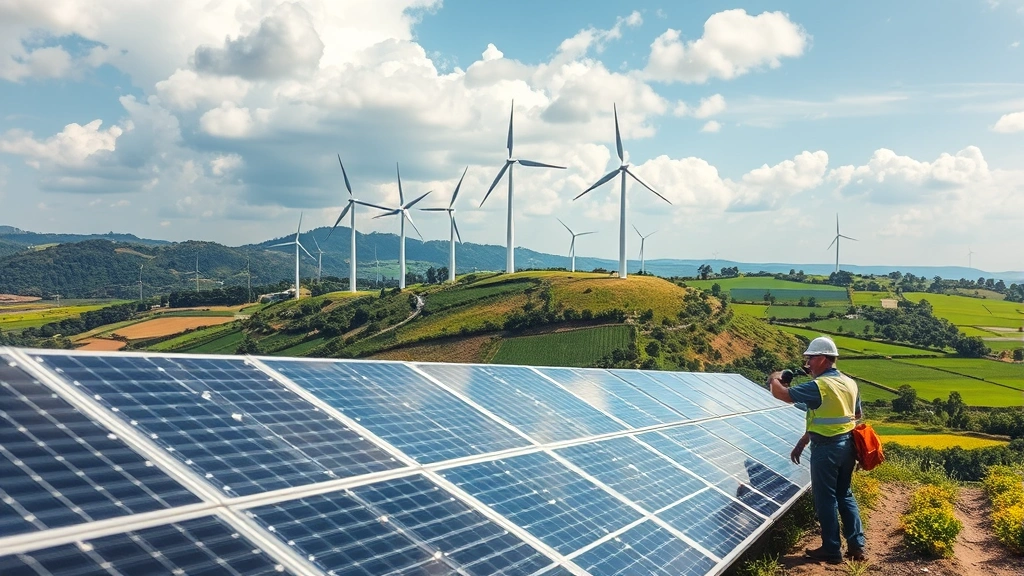
The transition toward green economy models—emphasizing renewable energy, circular material flows, sustainable agriculture, and ecosystem restoration—generates substantial economic opportunities alongside environmental benefits. Renewable energy industries now employ more workers globally than fossil fuel extraction and generation combined, demonstrating that environmental sustainability can align with job creation. Solar and wind installations require manufacturing, installation, maintenance, and grid modernization, creating employment in communities worldwide.
Energy efficiency improvements represent another economic opportunity, reducing operational costs for buildings, industries, and transportation while simultaneously lowering emissions. Building retrofits, LED lighting adoption, and industrial process optimization typically generate positive returns on investment through reduced energy bills within 5-15 years. The economic logic of energy efficiency remains compelling even absent climate concerns: businesses reduce operating costs, improve productivity, and enhance competitiveness through efficiency investments.
Circular economy models—designing products for reuse, repair, and material recovery—reduce input costs, generate new business opportunities, and eliminate waste disposal expenses. Companies implementing circular strategies in packaging, electronics, and textiles demonstrate competitive advantages through reduced material costs and enhanced brand value. The World Bank estimates that circular economy transitions could generate $4.5 trillion in economic benefits through 2030 by reducing material costs, preventing waste disposal expenses, and creating employment in remanufacturing and repair sectors.
Sustainable agriculture approaches including agroforestry, regenerative practices, and ecosystem integration often reduce input costs while improving productivity and resilience. Farmers reducing synthetic fertilizer and pesticide dependence through integrated pest management and organic practices lower input costs while capturing premium prices for certified products. Regenerative practices rebuild soil carbon, enhance water retention, and improve crop resilience to climate variability, generating long-term productivity gains alongside environmental benefits. The transition requires initial investment and knowledge transfer but typically generates positive economic returns within 3-5 years.
Regional Case Studies and Evidence
Costa Rica demonstrates that environmental protection and economic development can align through policy commitment. Since the 1980s, Costa Rica has implemented payments for ecosystem services, protected vast forest areas, and transitioned toward renewable energy (currently generating 98% of electricity from renewable sources). Despite these environmental investments, Costa Rica maintains one of Latin America’s highest per capita incomes and strongest human development indicators. Tourism based on natural assets generates substantial revenue, supporting both conservation and economic growth.
Bangladesh faces opposite dynamics, where environmental degradation creates severe economic consequences. River pollution, deforestation, and agricultural land loss reduce productivity while increasing disaster vulnerability. Cyclone damage, flooding, and salinity intrusion from sea-level rise impose enormous costs, with estimates suggesting climate impacts could reduce GDP by 2% annually by 2050. The economic case for environmental protection through mangrove restoration, pollution control, and sustainable agriculture becomes compelling when considering avoided disaster costs and health improvements.
Learning about human environment interaction patterns reveals that economic outcomes reflect environmental management choices. The Netherlands, densely populated and heavily industrialized, maintains strong environmental quality through rigorous pollution controls, water management, and circular economy practices, while generating high per capita income. Conversely, industrializing nations that prioritize short-term extraction over environmental management often experience declining environmental quality with limited economic gains, as extraction sectors capture profits while communities bear pollution costs.
China’s experience illustrates both challenges and opportunities in environmental-economic transitions. Rapid industrialization generated substantial GDP growth alongside severe air, water, and soil pollution, creating health crises and productivity losses. Recent environmental policy shifts—including coal phase-out in major cities, renewable energy investments, and pollution control measures—demonstrate recognition that environmental quality constitutes economic necessity rather than luxury. Economic analyses of China’s pollution control investments show positive returns through health improvements, avoided healthcare costs, and enhanced productivity.
Understanding positive impacts humans have on the environment reveals that economic activities can regenerate ecosystems when properly structured. Sustainable forestry maintains forest capital while generating income, conservation agriculture rebuilds soil while improving yields, and ecosystem restoration creates employment while enhancing natural capital. The economic transition requires policy frameworks that internalize environmental costs, support innovation in sustainable technologies, and redirect investment toward regenerative rather than extractive economic models.
Economic research increasingly demonstrates that environmental protection generates positive returns through avoided damages, health improvements, ecosystem service preservation, and green technology innovation. The economic case for environmental stewardship strengthens as analysis incorporates comprehensive cost accounting, long-term perspectives, and recognition that natural capital underpins all economic activity. Nations and businesses implementing environmental protection strategies position themselves advantageously for long-term prosperity in increasingly resource-constrained and climate-volatile futures.
FAQ
How do environmental conditions directly affect economic growth rates?
Environmental conditions influence economic growth through multiple pathways: resource availability determines production capacity, climate stability affects agricultural productivity and infrastructure reliability, pollution imposes health costs reducing labor productivity, and ecosystem services support economic activities. Nations with degraded environments typically experience slower growth, higher volatility, and reduced competitiveness compared to those maintaining environmental quality. The relationship is not linear—moderate environmental damage may not immediately reduce growth, but cumulative degradation creates productivity losses that compound over time.
What is the economic value of ecosystem services globally?
Research estimates ecosystem services provide $125-145 trillion annually in economic value, though estimates vary based on valuation methodologies. This includes carbon sequestration (forests, wetlands), water purification and regulation, pollination, nutrient cycling, pest control, and cultural services. Most of this value remains invisible in conventional economic accounting, creating market failures where destructive activities appear profitable despite generating net economic losses when ecosystem service losses are included.
Can green economy transitions create employment?
Yes, renewable energy, energy efficiency, sustainable agriculture, and ecosystem restoration sectors demonstrate strong employment generation. Globally, renewable energy industries employ more workers than fossil fuels, with growth accelerating. These sectors typically create local, non-tradeable employment in manufacturing, installation, maintenance, and services, supporting regional economic development. Job quality varies, but many green economy positions offer competitive wages and skill development opportunities.
Which regions face greatest economic risks from environmental degradation?
Developing nations in tropical and subtropical regions face disproportionate risks due to climate sensitivity, dependence on agriculture and natural resources, and limited adaptation capacity. Small island states face existential threats from sea-level rise. Sub-Saharan Africa faces desertification and water scarcity risks. South Asia faces monsoon instability, glacier melt, and flooding risks. These regions often have limited financial resources for adaptation despite bearing greatest impacts, creating equity and development challenges requiring international support.
How should environmental costs be incorporated into economic policy?
Environmental costs should be internalized through carbon pricing, pollution taxes, natural resource pricing reforms, and ecosystem service payments. National accounting systems should adopt Adjusted Net Savings or similar frameworks measuring genuine economic progress. Regulatory standards should prevent irreversible environmental damage. International frameworks should address transboundary environmental impacts and support developing nation adaptation. These mechanisms align private incentives with social welfare, enabling markets to generate economically efficient and environmentally sustainable outcomes.


