3D Printing’s Role in the Green Economy: Insights
Three-dimensional printing technology represents one of the most transformative manufacturing innovations of the twenty-first century, with profound implications for environmental sustainability and economic transformation. As global economies transition toward circular models and decarbonization pathways, additive manufacturing emerges as a critical enabler of resource efficiency, waste reduction, and localized production systems. This technology fundamentally challenges traditional linear manufacturing paradigms by enabling on-demand production, minimizing material waste, and reducing supply chain complexities that have historically driven environmental degradation.
The intersection of 3D printing and green economy principles creates opportunities for substantial environmental benefits alongside economic value creation. By reducing material consumption, decreasing transportation emissions, and enabling the use of recycled and sustainable feedstocks, additive manufacturing aligns with broader sustainability objectives outlined by international environmental governance frameworks. Understanding these dynamics requires examining how technological innovation, economic incentives, and ecological constraints converge to reshape industrial systems.
Understanding 3D Printing Technology and Environmental Impact
Additive manufacturing fundamentally diverges from subtractive manufacturing processes by building objects layer-by-layer rather than removing material from larger stock. This methodological shift carries substantial environmental implications. Traditional manufacturing removes approximately 90 percent of raw material as waste in many industrial sectors, whereas 3D printing waste rates typically range from 5 to 15 percent depending on technology and application. The human environment interaction mediated through manufacturing systems has historically created extractive pressures on natural resources. Additive manufacturing potentially decouples economic output from resource extraction intensity.
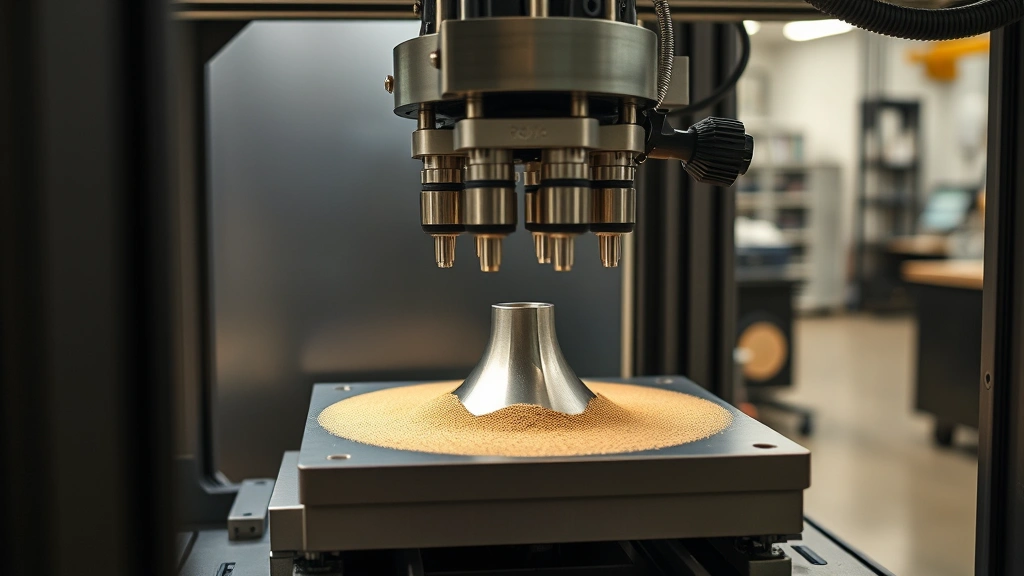
The technology encompasses multiple processes including fused deposition modeling (FDM), stereolithography (SLA), selective laser sintering (SLS), and binder jetting, each with distinct environmental profiles. FDM, the most accessible technology, operates at lower temperatures and energy requirements compared to conventional manufacturing methods. Research from the World Bank’s environmental research division indicates that additive manufacturing can reduce energy consumption per unit produced by 40 to 60 percent relative to conventional subtractive processes in specific applications. However, energy intensity varies significantly based on material selection, production scale, and equipment efficiency.
Understanding the broader types of environment affected by manufacturing requires examining not only direct production impacts but also upstream supply chain effects. 3D printing reduces material transportation requirements by enabling distributed production networks, thereby decreasing logistics-related emissions. A single manufacturing facility can produce diverse components traditionally requiring multiple specialized factories, reducing the environmental footprint associated with supply chain complexity.
Material Efficiency and Waste Reduction in Additive Manufacturing
Material efficiency constitutes the primary environmental advantage of additive manufacturing. Conventional subtractive processes generate substantial scrap material that requires disposal or recycling, creating environmental and economic burdens. The American Society of Mechanical Engineers documented that aerospace manufacturing generates approximately 10 to 15 tons of waste per aircraft produced through traditional methods. Additive manufacturing can reduce this figure to 1 to 2 tons through near-net-shape production capabilities.
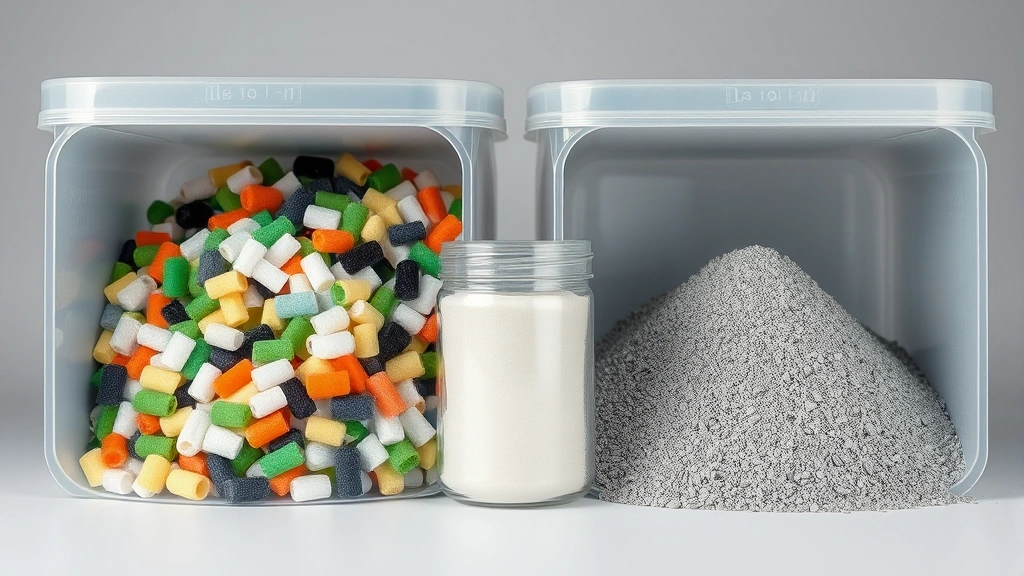
The ability to utilize recycled and recovered materials represents another critical sustainability dimension. Post-consumer plastics, reclaimed metal powders, and bio-based polymers can be processed into filaments and powders suitable for 3D printing. Companies increasingly develop closed-loop systems where production waste becomes feedstock for subsequent manufacturing cycles. This circular approach aligns with ecological economics principles emphasizing regenerative rather than extractive production systems.
Material science innovations expand sustainable options available to manufacturers. Biodegradable polymers derived from renewable sources, recycled carbon fiber composites, and reclaimed aluminum powders now support additive manufacturing processes. Research published in Nature Communications demonstrates that bio-based 3D printing materials can achieve comparable mechanical properties to petroleum-derived alternatives while reducing embodied carbon by 60 to 80 percent. These developments create market incentives for sustainable material development across the industrial ecosystem.
The precision of additive manufacturing enables design optimization that minimizes material requirements while maintaining structural integrity. Topology optimization algorithms generate component designs using only necessary material, creating lattice structures and organic forms impossible to manufacture through traditional methods. This computational approach reduces material consumption by 30 to 50 percent compared to conventional designs while improving functional performance. The economic and environmental benefits converge, creating powerful market drivers for adoption.
Supply Chain Transformation and Localized Production
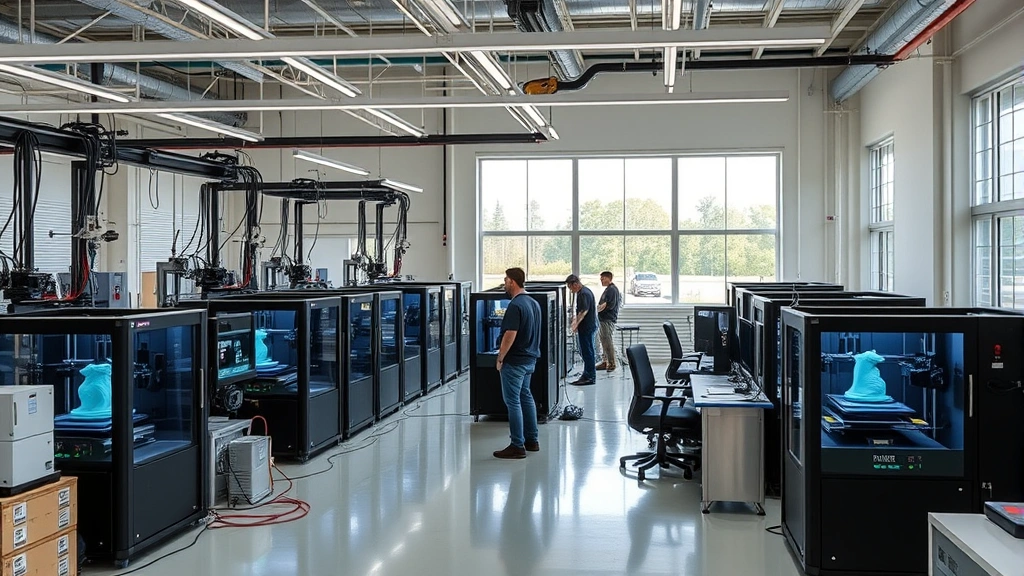
Globalized manufacturing supply chains have created environmental externalities through transportation, inventory management, and geographic separation of production from consumption. 3D printing enables fundamental restructuring of these systems through distributed manufacturing networks. Rather than producing components centrally and shipping globally, manufacturers can establish localized production facilities serving regional markets. This restructuring directly reduces transportation-related greenhouse gas emissions while improving supply chain resilience.
The implications for how humans affect the environment through logistics systems are substantial. Transportation accounts for approximately 27 percent of global greenhouse gas emissions, with freight transport representing 55 percent of transportation-related emissions. Localized 3D printing networks can reduce transportation distances by 70 to 90 percent for components currently shipped internationally, translating to significant emissions reductions. The United Nations Environment Programme documented that distributed manufacturing could reduce supply chain emissions by 25 to 40 percent across multiple industrial sectors.
Just-in-time production capabilities enabled by additive manufacturing reduce inventory requirements and associated storage costs. Warehousing and inventory management consume energy for climate control, material handling, and preservation. Reduced inventory translates to lower energy consumption, decreased capital requirements for storage infrastructure, and diminished working capital needs. These economic benefits reinforce environmental advantages, creating positive feedback loops supporting widespread adoption.
Supply chain transparency improves through localized production networks. Centralized manufacturing obscures environmental and social impacts throughout supply chains, whereas distributed systems enable direct monitoring and accountability. Manufacturers can verify material sourcing, production conditions, and waste management practices more effectively, supporting broader environment awareness initiatives and stakeholder engagement.
Economic Implications of 3D Printing Adoption
The economic transformation driven by additive manufacturing extends beyond direct cost reductions to systemic restructuring of industrial organization. Capital requirements for 3D printing facilities decline substantially compared to traditional manufacturing plants. A conventional automotive parts facility requires $50 to $200 million in capital investment, whereas 3D printing systems cost $100,000 to $2 million depending on technology and scale. This democratization of manufacturing capability enables small and medium enterprises to enter markets previously accessible only to large corporations with substantial capital resources.
Labor dynamics shift as additive manufacturing reduces demand for traditional manufacturing workers while creating opportunities for higher-skilled technical positions. Design engineers, material scientists, and 3D printing technicians command premium wages, whereas traditional assembly line workers face employment displacement. This transition creates both social challenges and opportunities for workforce development. Economic policy frameworks must address these distributional effects to ensure equitable transition benefits.
Intellectual property considerations evolve as digital design files become primary production assets. Companies can protect designs through digital rights management while producing components on-demand without maintaining physical inventory. This shift reduces storage costs and working capital requirements while enabling rapid product iteration and customization. The World Intellectual Property Organization recognizes that digital manufacturing transforms competitive dynamics by elevating design capability and intellectual property protection above scale and capital intensity.
Market structure transformation creates opportunities for specialized manufacturers and regional producers. Rather than competing on scale, manufacturers compete on design innovation, material expertise, and production speed. This shift favors knowledge-intensive enterprises and enables regional economic development around additive manufacturing clusters. Economic geography research demonstrates that 3D printing adoption supports distributed prosperity models rather than concentrated manufacturing centers.
Circular Economy Integration and Sustainable Feedstocks
Circular economy principles emphasize material cycling, waste elimination, and regenerative resource management. Additive manufacturing aligns naturally with these principles through closed-loop feedstock systems and material recovery capabilities. End-of-life products can be mechanically or chemically recycled into feedstock for new manufacturing, creating circular material flows previously impossible with conventional manufacturing.
Mechanical recycling processes for 3D printing materials enable direct feedstock recovery with minimal quality degradation. Metal powders can be reused for dozens of production cycles with appropriate quality control protocols. Plastic filaments can be extruded from recovered polymers using relatively simple equipment accessible to small manufacturers. These capabilities distribute recycling capacity throughout manufacturing networks rather than concentrating it in specialized facilities, improving economic efficiency and environmental outcomes.
Chemical recycling and upcycling processes create opportunities to enhance material properties through recovery cycles. Degraded polymers can be chemically reconstituted to virgin-equivalent specifications, enabling indefinite material cycling. Research from Ellen MacArthur Foundation indicates that advanced recycling systems could eliminate 95 percent of manufacturing waste while reducing virgin material requirements by 80 percent across multiple sectors.
Bio-based feedstocks derived from agricultural and forestry waste create alternative material pathways aligned with circular economy principles. Polylactic acid (PLA) from corn starch, chitosan from shellfish waste, and mycelium-based composites from fungal networks offer renewable alternatives to petroleum-derived plastics. These materials sequester carbon during growth phases and biodegrade at end-of-life, creating closed biological cycles. Market expansion for bio-based 3D printing materials incentivizes agricultural value-chain integration and waste stream utilization.
Industrial Applications and Sectoral Transformation
Aerospace and defense industries represent early adopters of additive manufacturing for critical applications. Weight reduction through topology optimization directly improves fuel efficiency and operational performance. Aircraft manufacturers report 20 to 40 percent weight reductions in printed components compared to traditionally manufactured equivalents, translating to substantial fuel savings over aircraft lifespans. A single aircraft might consume 40,000 liters of fuel daily; each kilogram of weight reduction saves approximately 50 liters annually per aircraft.
Healthcare applications demonstrate additive manufacturing’s potential for personalized medicine and reduced material waste. Custom prosthetics, orthotic devices, and surgical guides manufactured through 3D printing improve patient outcomes while reducing material requirements by 60 to 80 percent compared to traditional manufacturing. Dental applications represent particularly promising markets, where customized restorations manufactured locally eliminate transportation requirements and reduce production timelines from weeks to days.
Construction and infrastructure sectors increasingly adopt additive manufacturing for components and structural elements. 3D-printed concrete components reduce material requirements while enabling complex geometries optimized for structural efficiency. Building façade components, internal fixtures, and specialized architectural elements can be produced locally, reducing transportation impacts and enabling rapid construction timelines. Research indicates that 3D-printed concrete construction could reduce material consumption by 40 to 60 percent while decreasing construction waste by 70 to 90 percent.
Consumer goods and fashion industries explore additive manufacturing for customized products and reduced inventory requirements. On-demand production of shoes, accessories, and apparel eliminates overproduction and excess inventory destined for landfills. Customization capabilities increase consumer engagement while reducing material waste. Fashion industry waste currently totals approximately 92 million tons annually; distributed 3D printing manufacturing could reduce this figure substantially through demand-responsive production.
Challenges and Limitations in Green Implementation
Energy consumption for 3D printing equipment remains significant, particularly for high-temperature processes like selective laser sintering and direct metal laser sintering. These technologies require substantial electrical input for heating, laser operation, and post-processing. Manufacturing efficiency depends critically on renewable energy availability and grid decarbonization. Regions relying on fossil fuel electricity generation realize diminished environmental benefits from additive manufacturing adoption. International Energy Agency analysis indicates that 3D printing environmental advantages materialize primarily in locations with renewable energy penetration exceeding 50 percent.
Production speed limitations constrain 3D printing adoption for high-volume applications. Current systems produce components at rates substantially slower than conventional manufacturing, making large-scale production economically challenging. Technological improvements in printing speed could expand viable applications, but current limitations restrict adoption primarily to low-volume, high-value components. This constraint limits environmental benefits to specific market segments rather than enabling comprehensive manufacturing transformation.
Material property limitations prevent 3D printing from replacing conventional manufacturing for applications requiring extreme strength, durability, or environmental resistance. Aerospace critical components, high-pressure systems, and extreme-temperature applications remain predominantly manufactured through conventional methods. As material science advances, these limitations narrow, but current technology cannot universally replace traditional manufacturing.
Regulatory frameworks lag behind technological development, creating uncertainty for manufacturers and limiting market expansion. Quality assurance standards, material specifications, and product certifications developed for conventional manufacturing often require substantial modification for additive processes. Regulatory harmonization across jurisdictions would accelerate adoption and investment in green manufacturing infrastructure.
Skills development and workforce training requirements present significant barriers to rapid adoption. Operating 3D printing systems effectively requires expertise in design optimization, material science, process control, and quality assurance. Educational institutions have not yet scaled workforce development programs to meet emerging demand, creating bottlenecks limiting industry expansion.
FAQ
What environmental benefits does 3D printing provide compared to traditional manufacturing?
Additive manufacturing reduces material waste by 80 to 95 percent compared to subtractive processes, decreases energy consumption by 40 to 60 percent per unit produced, eliminates transportation requirements through localized production, and enables circular material cycling through closed-loop recycling systems. Combined environmental benefits vary by application, but comprehensive lifecycle analyses document 30 to 70 percent reduction in manufacturing-related environmental impacts across multiple sectors.
Can recycled materials be used in 3D printing?
Yes, mechanical and chemical recycling processes enable feedstock recovery from used products and manufacturing waste. Metal powders withstand dozens of reuse cycles with appropriate quality controls. Plastic filaments can be extruded from recovered polymers. Advanced chemical recycling reconstitutes degraded materials to virgin-equivalent specifications, enabling indefinite material cycling. Bio-based materials biodegrade at end-of-life, creating closed biological cycles aligned with circular economy principles.
How does 3D printing support localized manufacturing?
Additive manufacturing enables distributed production networks where components are manufactured regionally rather than centrally produced and shipped globally. This restructuring reduces transportation distances by 70 to 90 percent, decreases supply chain complexity, improves production flexibility, and supports regional economic development. Lower capital requirements enable small manufacturers to enter markets previously accessible only to large corporations, democratizing manufacturing capability.
What are the main limitations of 3D printing for environmental applications?
Current limitations include energy intensity of some printing processes, production speed constraints limiting high-volume applications, material property restrictions preventing universal replacement of conventional manufacturing, regulatory framework gaps creating adoption uncertainty, and workforce skills shortages limiting rapid industry expansion. These limitations narrow as technology advances, but currently restrict environmental benefits to specific market segments and applications.
How does 3D printing contribute to circular economy goals?
Additive manufacturing enables closed-loop feedstock systems where end-of-life products become input materials for new manufacturing. Mechanical and chemical recycling processes recover materials with minimal quality degradation. Bio-based feedstocks create biological cycles where materials biodegrade at end-of-life. Design optimization minimizes material requirements while maintaining functionality. Together, these capabilities eliminate manufacturing waste and enable regenerative rather than extractive production systems aligned with circular economy principles.
Which industries benefit most from 3D printing adoption?
Aerospace and defense benefit from weight reduction improving fuel efficiency and operational performance. Healthcare applications enable personalized medicine with reduced material waste. Construction sectors reduce material consumption and construction waste through optimized components. Consumer goods and fashion reduce overproduction and excess inventory through demand-responsive manufacturing. Automotive industries utilize 3D printing for prototyping, tooling, and specialized components. These sectors collectively represent 60 to 70 percent of current additive manufacturing market activity.


