Human Impact on Ecosystems: A Scientific Review
The relationship between humanity and the natural world has fundamentally transformed over the past two centuries. What was once a relatively balanced coexistence has evolved into a complex web of interactions where human activities now represent the dominant force shaping planetary ecosystems. Understanding human environment interaction requires examining the mechanisms through which our species influences ecological systems, the measurable consequences of these interactions, and the scientific evidence documenting these changes across terrestrial, aquatic, and atmospheric domains.
The scientific community has reached substantial consensus that human activities—ranging from industrial production to agricultural expansion—are fundamentally altering ecosystem structure and function at unprecedented scales. This comprehensive review synthesizes current research on anthropogenic ecosystem impacts, examining the pathways of human influence, quantifying ecological responses, and exploring the interconnections between economic systems and natural capital degradation. By adopting an interdisciplinary perspective that integrates ecology, environmental economics, and systems science, we can better understand the magnitude of human environmental impacts and the mechanisms driving ecosystem transformation.
Defining Human-Ecosystem Interactions
Human-ecosystem interactions encompass the complex relationships through which human societies depend upon, modify, and respond to natural systems. These interactions occur across multiple spatial and temporal scales, from local watershed management to global biogeochemical cycles. The definition of environment science establishes the foundational framework for understanding these relationships, positioning ecosystems as integrated systems of living organisms and their physical environment functioning together as a unified whole.
Contemporary human-ecosystem interactions differ fundamentally from historical patterns in three critical dimensions: scale (affecting planetary systems rather than localized regions), intensity (involving unprecedented rates of resource extraction and waste generation), and reversibility (causing changes that may persist across geological timescales). The Anthropocene—the proposed geological epoch defined by human dominance of Earth systems—reflects this fundamental shift in the relationship between humanity and nature. Research from institutions like the United Nations Environment Programme demonstrates that human activities now rival natural processes in driving planetary-scale environmental change.
Understanding the different types of environment is essential for analyzing human impacts comprehensively. Natural environments, human-modified environments, and fully human-created environments each experience distinct patterns of human influence and demonstrate different capacities for resilience and recovery. Terrestrial ecosystems face habitat fragmentation and land conversion, aquatic systems experience pollution and overharvesting, and atmospheric systems are altered through greenhouse gas emissions and aerosol pollution.
Primary Pathways of Human Impact
Scientific research identifies several fundamental mechanisms through which human activities alter ecosystem structure and function. These pathways operate simultaneously across multiple ecosystems, often with synergistic effects that amplify overall ecological disruption.
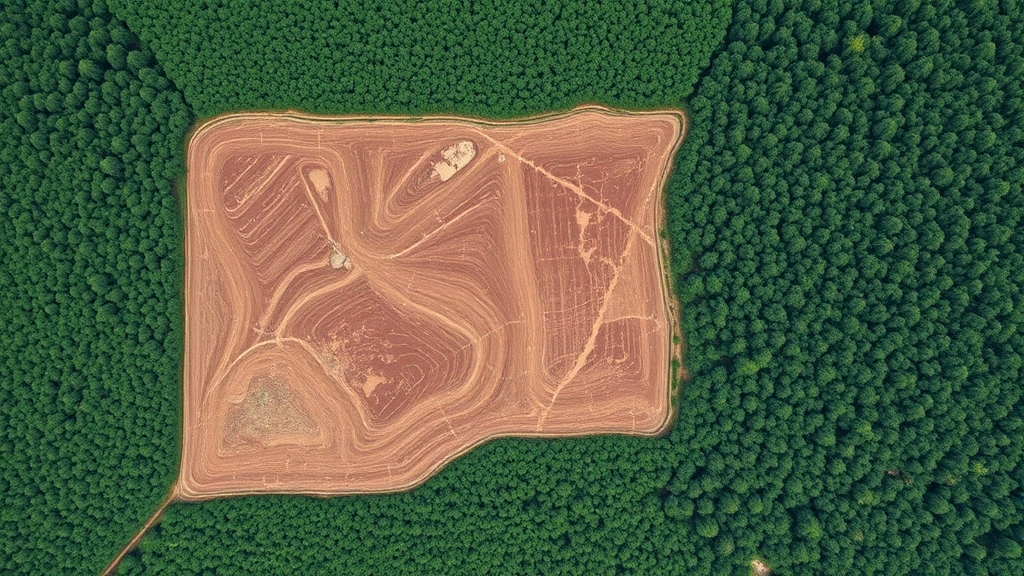
Land-use conversion represents one of the most extensive human impacts on ecosystems globally. Agricultural expansion, urban development, and infrastructure construction have transformed approximately 50% of Earth’s ice-free land surface. This conversion eliminates native vegetation, disrupts soil formation processes, fragments wildlife habitat, and alters hydrological cycles. The replacement of biodiverse natural ecosystems with simplified agricultural monocultures reduces genetic diversity, increases pest vulnerability, and diminishes ecosystem resilience.
Resource extraction encompasses mining, logging, fishing, and water withdrawal—activities that remove materials and organisms from ecosystems at rates exceeding natural regeneration. Overfishing has collapsed numerous marine fisheries, logging has eliminated old-growth forests that took centuries to develop, and groundwater extraction in many regions exceeds recharge rates by orders of magnitude. These extractive activities disrupt food webs, alter energy flows, and reduce ecosystem capacity to provide essential services.
Pollution introduction introduces substances foreign to natural systems—synthetic chemicals, heavy metals, plastics, and excess nutrients—that disrupt biological processes and accumulate through food chains. Persistent organic pollutants bioaccumulate in fatty tissues, reaching toxic concentrations in apex predators. Nutrient pollution (nitrogen and phosphorus from agricultural runoff and wastewater) triggers eutrophication, creating hypoxic dead zones in aquatic ecosystems.
Climate modification occurs through greenhouse gas emissions that alter atmospheric composition and global energy balance. Rising temperatures shift species ranges, alter phenological timing, increase extreme weather frequency, and trigger cascade effects throughout interconnected ecosystems. Climate change acts as a multiplier, intensifying other human impacts by reducing ecosystem resilience.
Invasive species introduction occurs through global trade and transportation networks, introducing non-native species that outcompete native organisms, disrupt established food webs, and alter ecosystem functioning. Island ecosystems and isolated freshwater systems prove particularly vulnerable to invasive species impacts.
Biodiversity Loss and Species Extinction
The current rate of species extinction represents one of the most severe human-caused ecological impacts. Scientific assessments indicate extinction rates are 100 to 1,000 times higher than background rates observed in the fossil record, constituting a sixth mass extinction event driven primarily by human activities. The ways humans affect the environment directly correlate with documented biodiversity declines across taxonomic groups.
Habitat loss drives approximately 73% of documented extinctions, making ecosystem conversion the primary extinction mechanism. The remaining extinctions result from overexploitation, pollution, invasive species, and climate change. Vertebrate populations have declined by an average of 68% since 1970, with particularly severe declines in freshwater and tropical ecosystems. Insect biomass has declined by 75% in some regions over recent decades, triggering cascading effects through food webs that depend on insect pollination and prey availability.
Biodiversity loss reduces ecosystem functioning across multiple dimensions. Diverse ecosystems demonstrate greater productivity, resilience to disturbance, resistance to invasive species, and capacity to maintain multiple ecosystem services simultaneously. As biodiversity declines, ecosystems become more vulnerable to collapse when confronted with additional stressors. This relationship between biodiversity and ecosystem stability represents a critical feedback mechanism linking human-driven species loss to ecosystem vulnerability.
Extinction represents an irreversible loss of genetic information and evolutionary potential. Once species disappear, the ecological roles they performed must be filled by remaining species, often with reduced efficiency. The loss of keystone species—organisms whose ecological impact exceeds their abundance—can trigger ecosystem reorganization and collapse of dependent species.
Climate Systems and Atmospheric Change
Anthropogenic climate change represents perhaps the most pervasive human impact on global ecosystems. Atmospheric carbon dioxide concentrations have increased 50% since industrialization, rising from 280 ppm to over 420 ppm, with the rate of increase accelerating in recent decades. This change occurs far faster than natural climate variations, preventing ecosystems from adapting through evolutionary processes.
Greenhouse gas emissions—primarily carbon dioxide from fossil fuel combustion, methane from agriculture and waste, and nitrous oxide from industrial processes—trap heat in the atmosphere, raising global mean temperatures. The 1.1°C warming already observed has triggered measurable ecosystem responses: shifting species ranges toward poles and higher elevations, earlier spring phenology in temperate regions, altered precipitation patterns, and increased frequency of extreme weather events.
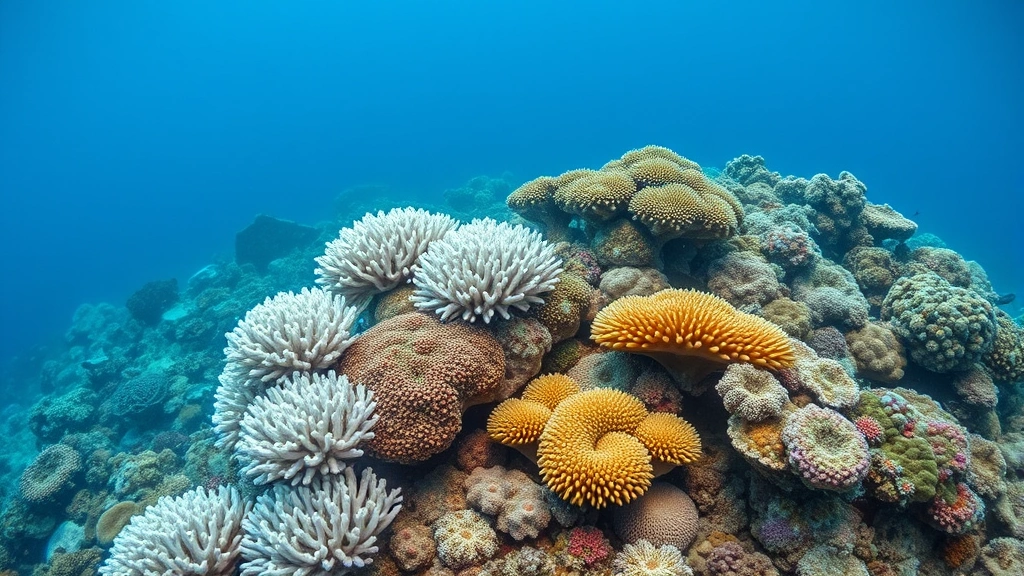
Climate change impacts cascade through ecosystems by altering temperature regimes, precipitation patterns, and seasonal timing. Mismatches between predator and prey phenology disrupt food webs, coral bleaching occurs when temperatures exceed thermal tolerance thresholds, and permafrost thaw releases stored carbon while destroying habitat for specialized species. Mountain ecosystems experience range compression as suitable habitat shrinks, potentially driving species extinction when populations reach mountain summits.
Ocean acidification, driven by absorption of atmospheric carbon dioxide, reduces carbonate ion availability and impairs calcification processes in mollusks, echinoderms, and pteropods. This impacts organisms spanning from microscopic plankton to commercial shellfish, threatening food web stability in marine ecosystems. Research from World Bank environmental assessments quantifies climate impacts on economic sectors dependent on ecosystem services.
Freshwater and Marine Ecosystem Degradation
Aquatic ecosystems experience intense human pressure through multiple pathways operating simultaneously. Freshwater systems face habitat modification through dam construction, water extraction, and channelization. Dams fragment river ecosystems, blocking migration routes for anadromous fish and altering downstream flow regimes. Approximately 37,000 large dams fragment major river systems globally, with cumulative impacts on sediment transport, nutrient cycling, and species connectivity.
Water pollution from agricultural runoff, industrial discharge, and municipal wastewater degrades freshwater ecosystem quality. Nutrient pollution triggers algal blooms that consume dissolved oxygen, creating conditions where only anaerobic bacteria can survive. Pesticide and pharmaceutical contamination alters endocrine function in aquatic organisms, reducing reproductive success and population viability.
Marine ecosystems face overfishing pressure that has collapsed numerous commercial fisheries and altered trophic structure in many ocean regions. Industrial fishing practices remove apex predators, triggering trophic cascades where mesopredators increase and suppress herbivorous fish, allowing algae to overgrow and shade coral communities. Bycatch removes non-target species, including endangered marine mammals and sea turtles.
Ocean acidification combines with warming to create compound stressors that exceed the adaptive capacity of many marine organisms. Coral reefs, which support 25% of marine species despite occupying less than 1% of ocean area, face bleaching when temperatures exceed tolerance thresholds and dissolution as acidification reduces carbonate availability. Kelp forests experience regime shifts where sea urchins, released from predation pressure following overfishing of sea otters, overgraze kelp and create barren ecosystems.
Plastic pollution has become ubiquitous in marine environments, with microplastics detected in deepest ocean trenches and highest mountain peaks. Marine organisms ingest plastics, causing internal injuries and bioaccumulation of associated contaminants. Persistent plastic debris fragments into microplastics that enter food webs, potentially affecting organism health across trophic levels.
Soil Degradation and Land-Use Transformation
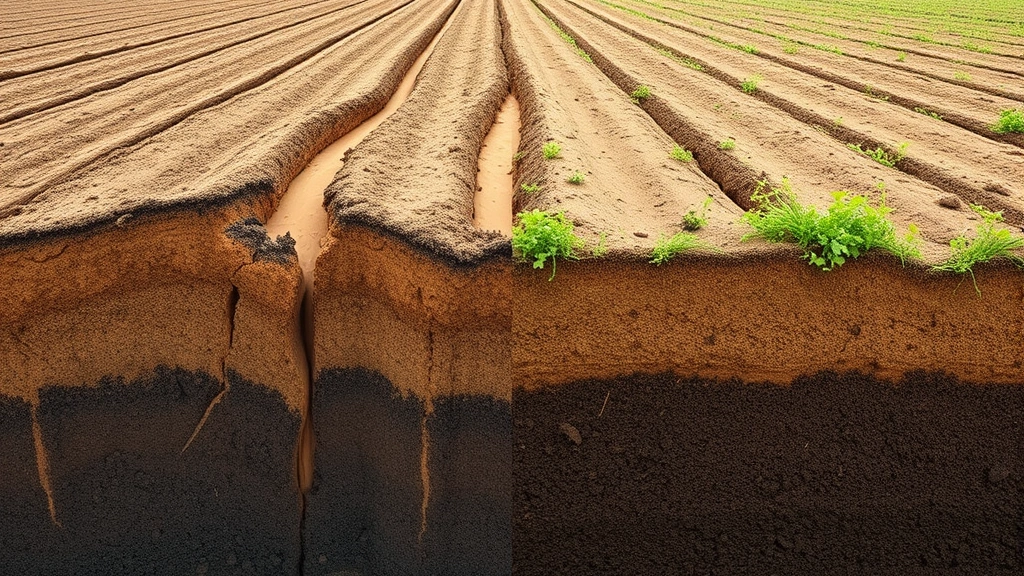
Soils represent one of Earth’s most complex ecosystems and most essential resources, yet soil degradation proceeds at alarming rates globally. Human activities degrade soil through erosion, compaction, salinization, and organic matter depletion. Industrial agriculture, with its emphasis on monoculture production and heavy machinery use, accelerates soil erosion rates 10 to 100 times above natural background rates.
Soil organic matter—the product of centuries of plant production and decomposition—provides essential functions including water retention, nutrient cycling, carbon storage, and habitat for soil organisms. Conventional agricultural practices that leave soil exposed to erosion and employ tillage that disrupts soil structure reduce organic matter content. One-third of global soils have already experienced degradation through human activities.
Salinization, occurring through irrigation in arid regions, reduces soil productivity by accumulating salts that inhibit plant growth. Soil compaction from heavy machinery reduces pore space, impairing water infiltration and root penetration. These degradation processes reduce soil capacity to support plant growth, sequester carbon, filter water, and support soil organism communities.
Land conversion from natural ecosystems to agriculture, urban development, or other human uses eliminates soil formation processes that operate on millennial timescales. Topsoil loss represents a permanent loss of productive capacity in human timescales. Global soil erosion rates suggest that productive agricultural soils could be depleted within 50-100 years at current rates in many regions, threatening food security and ecosystem stability.
Economic Perspectives on Ecosystem Services
Ecological economics recognizes that human economies are embedded within and dependent upon natural ecosystems. Ecosystem services—the benefits humans derive from ecosystems—include provisioning services (food, water, materials), regulating services (climate regulation, water purification, flood control), supporting services (nutrient cycling, soil formation), and cultural services (recreation, spiritual values, aesthetic appreciation).
Quantifying ecosystem service values reveals the economic magnitude of human environmental impacts. Global ecosystem service values have been estimated at $125 trillion annually, exceeding global GDP and reflecting the fundamental dependence of economic systems on natural capital. Tropical forest ecosystem services, including carbon storage, water regulation, and biodiversity support, provide values estimated at $2,000-5,000 per hectare annually—far exceeding short-term timber harvest values of $100-500 per hectare.
Despite their enormous economic value, ecosystem services remain largely unpriced in market economies. This absence of prices creates perverse incentives where ecosystem conversion appears economically rational even when it destroys far greater service values. A hectare of tropical forest converted to cattle pasture generates immediate income but eliminates carbon storage, hydrological regulation, and biodiversity support services worth thousands of dollars annually.
The concept of natural capital—treating ecosystems as assets providing flows of services—enables integration of ecological and economic analysis. Natural capital accounting frameworks, endorsed by UNEP’s environmental governance initiatives, measure how ecosystem degradation reduces productive capacity. Nations adopting natural capital accounting reveal that conventional GDP growth often masks underlying natural capital depletion, representing economic decline when environmental costs are properly accounted.
Ecosystem service degradation imposes substantial economic costs on human societies. Pollination service declines threaten agricultural productivity valued at $200-300 billion annually. Water purification service degradation increases treatment costs for municipal water supplies. Flood regulation service loss increases disaster recovery expenses. Carbon sequestration service reduction accelerates climate change impacts. These costs, often borne by poorest populations with fewest resources for adaptation, represent a form of environmental injustice.
Feedback Loops and Tipping Points
Human impacts on ecosystems trigger feedback mechanisms that can amplify initial disturbances or dampen them depending on ecosystem characteristics. Understanding these feedback loops proves essential for predicting ecosystem responses and identifying intervention points for ecosystem restoration.
Positive feedback loops amplify disturbances, pushing systems toward alternative stable states. Deforestation in the Amazon rainforest reduces evapotranspiration, altering regional precipitation patterns and creating drier conditions that further stress remaining forest, potentially triggering a transition to savanna ecosystem. This represents a tipping point beyond which forest recovery becomes impossible without external intervention. Similarly, permafrost thaw releases methane and carbon dioxide, accelerating warming that further thaws permafrost in a self-reinforcing cycle.
Negative feedback loops dampen disturbances and promote system stability. Biodiversity provides negative feedback through functional redundancy—when one species declines, others can partially compensate for lost functions. However, as human activities reduce biodiversity, negative feedback capacity diminishes, making ecosystems more vulnerable to tipping points.
Critical transitions in ecosystems occur when disturbance intensity exceeds system resilience, pushing systems past tipping points toward alternative stable states. Coral reef ecosystems can transition from coral-dominated to algae-dominated states; kelp forests can shift to sea urchin barrens; freshwater lakes can shift from clear to eutrophic states. These transitions often prove difficult to reverse because new stable states have their own reinforcing feedback mechanisms.
Ecosystem resilience—the capacity to absorb disturbance while maintaining function—depends on biodiversity, habitat connectivity, and ecosystem complexity. Human activities reduce resilience by simplifying ecosystems, fragmenting habitat, and reducing biodiversity. As resilience declines, smaller disturbances can trigger disproportionate responses, and recovery from disturbances becomes slower and less complete.
Research from ecological economics journals documents how economic systems amplify ecological tipping points. When ecosystem degradation reduces service provision, economic pressures often intensify exploitation of remaining resources, accelerating ecosystem decline. This creates a downward spiral where ecosystem loss drives economic pressure that further damages ecosystems, ultimately threatening human welfare.
Identifying and protecting ecosystem resilience represents a critical priority for ecosystem management. This requires environment awareness that recognizes ecosystem limits and the dangers of approaching critical transitions. Ecosystem-based adaptation strategies that maintain ecosystem structure and function prove more cost-effective than attempting to manage systems after collapse.
FAQ
What are the main ways humans impact ecosystems?
Humans impact ecosystems through land-use conversion (transforming natural habitats into agricultural and urban landscapes), resource extraction (removing organisms and materials faster than regeneration), pollution (introducing harmful substances), climate modification (altering atmospheric composition), and invasive species introduction (disrupting established ecological communities). These pathways often operate simultaneously with synergistic effects.
How do human activities affect biodiversity?
Human activities reduce biodiversity primarily through habitat loss, which eliminates species’ living space and food resources. Overexploitation, pollution, invasive species, and climate change further reduce populations. Current extinction rates are 100-1,000 times higher than background rates, constituting a sixth mass extinction driven by human activities.
What is the relationship between ecosystem degradation and economic systems?
Ecosystem degradation reduces the flow of ecosystem services that human economies depend upon, including food production, water purification, climate regulation, and raw materials. Economic systems that externalize environmental costs—failing to account for ecosystem service losses—create incentives for overexploitation and ecosystem conversion, ultimately threatening economic sustainability.
Can ecosystems recover from human impacts?
Some ecosystems can recover if disturbance ceases and conditions allow natural regeneration. However, recovery rates vary enormously depending on disturbance severity, ecosystem type, and remaining biodiversity. Some impacts, such as species extinction or soil loss, prove irreversible on human timescales. Ecosystem restoration often requires active human intervention and decades or centuries for full recovery.
What role does climate change play in ecosystem impacts?
Climate change acts as a multiplier that intensifies other human impacts by reducing ecosystem resilience, shifting species ranges, altering precipitation patterns, and increasing extreme weather frequency. Combined with habitat loss, pollution, and overexploitation, climate change increases extinction risk and reduces ecosystem stability globally.


