Veolia Environment Stock: Environmental Impact on Economy
Veolia Environment stands as one of the world’s largest environmental services companies, managing critical infrastructure across water, waste, and energy sectors. With operations spanning 77 countries and serving over 900 million people globally, the company’s stock performance directly reflects broader trends in environmental science and ecological economics. Understanding Veolia’s financial trajectory requires examining how environmental challenges translate into market opportunities and how the company’s operations influence both local ecosystems and global economic systems.
The intersection of environmental management and financial markets has never been more critical. As governments implement stricter environmental regulations and corporations face mounting pressure to address sustainability concerns, companies like Veolia that provide essential environmental services experience significant growth potential. However, their stock valuations also reflect the complexities of balancing profitability with genuine ecological restoration, raising questions about whether profit-driven environmental solutions truly address systemic challenges or merely create new economic dependencies.
Veolia’s Business Model and Market Position
Veolia Environment operates through three primary segments: Water, Waste, and Energy. This diversified portfolio positions the company to capture value across the entire spectrum of environmental management infrastructure. The water segment manages treatment, distribution, and wastewater services; the waste segment handles collection, recycling, and disposal; and the energy segment develops renewable energy solutions and provides energy efficiency services. This integrated approach reflects what economists call the “circular economy model,” where waste from one process becomes input for another, theoretically maximizing resource efficiency while minimizing ecological degradation.
The company’s market capitalization and stock performance serve as bellwethers for investor confidence in environmental infrastructure investment. Since its founding in 1853 as Générale des Eaux, Veolia has expanded through strategic acquisitions and organic growth, establishing itself as an essential player in addressing global environmental challenges. The stock trades on the Euronext Paris exchange under the ticker VIE, and its performance correlates strongly with several macroeconomic factors: government spending on environmental infrastructure, commodity prices affecting waste recycling economics, water scarcity levels, and regulatory changes regarding environmental standards.
Understanding Veolia’s position requires examining types of environment in which it operates—from highly regulated European markets with stringent environmental standards to emerging markets where infrastructure development represents significant growth opportunities. The company’s ability to navigate these different regulatory landscapes while maintaining profitability influences both its stock value and its real environmental impact.
Environmental Services as Economic Drivers
Environmental services represent one of the fastest-growing economic sectors globally, driven by increasing resource scarcity, population growth, and climate change impacts. The United Nations Environment Programme (UNEP) estimates that the global environmental services market will exceed $3 trillion annually by 2030. Companies like Veolia benefit directly from this expansion, as water scarcity affects 4 billion people globally, and waste generation continues accelerating in developing nations.
The relationship between environmental degradation and economic opportunity creates what some economists call the “environmental services paradox.” As ecosystems deteriorate, demand for remediation services increases, creating market growth for companies providing these services. This dynamic raises important questions about whether profit-driven environmental solutions address root causes or merely manage symptoms while maintaining the economic structures that cause environmental damage. Veolia’s stock valuation reflects investor confidence that environmental service demand will continue growing indefinitely, a premise that depends on either continued environmental degradation or successful transition toward sustainability.
The company’s revenue streams demonstrate this principle clearly. Water treatment services generate revenue proportional to water scarcity and pollution levels. Waste management revenues correlate with consumption patterns and landfill capacity constraints. Energy efficiency services expand as carbon pricing mechanisms increase operating costs for conventional energy sources. Each revenue stream, while addressing real environmental problems, simultaneously incentivizes the company’s continued operation within systems that generate these problems.
Stock Performance and Environmental Investment Trends
Veolia’s stock performance over the past decade reflects the broader shift toward environmental, social, and governance (ESG) investing. From 2012 to 2022, the company’s share price approximately tripled, outperforming many conventional industrial stocks. This performance attracted significant institutional investment from ESG-focused funds, which now comprise substantial portions of the shareholder base. The stock’s performance validates investor assumptions that environmental infrastructure represents a secular growth trend independent of broader economic cycles.
However, stock price appreciation doesn’t necessarily correlate with ecological impact improvements. A company can experience strong financial performance while actual environmental conditions deteriorate or remain static. This disconnect highlights the importance of distinguishing between positive impacts humans have on the environment and financial metrics that merely reflect market demand for environmental services. Veolia’s stock gains reflect growing demand for its services, but whether this demand translates into genuine ecological restoration depends on numerous factors beyond the company’s control, including government environmental policies, corporate accountability mechanisms, and technological innovation rates.
Recent stock volatility has reflected several factors: concerns about water treatment chemical contamination, legal challenges regarding waste disposal practices, and questions about renewable energy project profitability. The 2023-2024 period saw increased scrutiny of Veolia’s operations in various countries, with environmental groups questioning whether the company’s activities genuinely reduced environmental impacts or simply shifted environmental burdens to different locations or communities.
Water Management and Ecosystem Economics
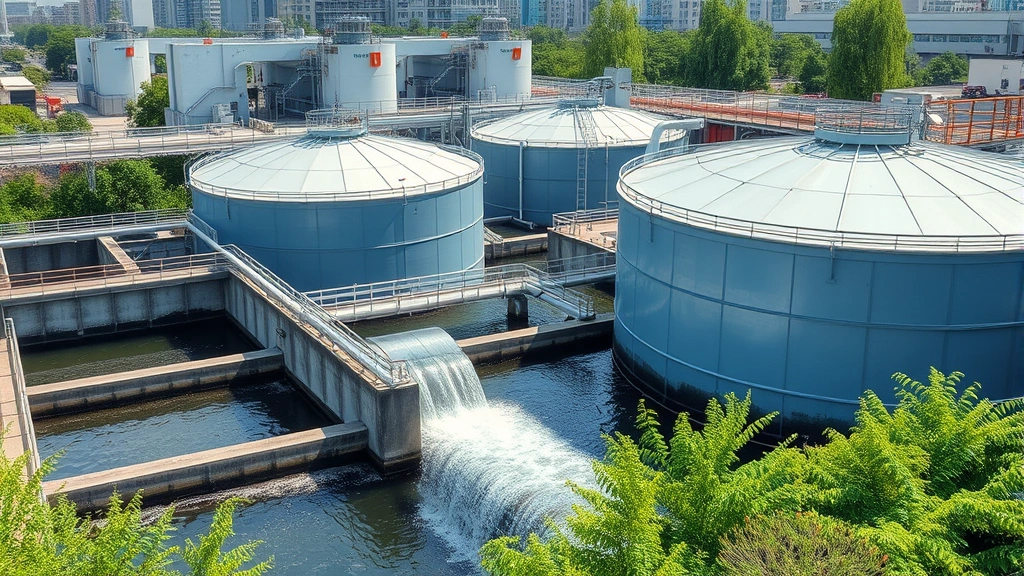
Water management represents Veolia’s largest revenue segment, accounting for approximately 40% of total revenue. The company manages water treatment, distribution, and wastewater services for millions of people worldwide. The economics of water management directly reflect ecosystem health: as freshwater sources deplete, treatment becomes increasingly expensive; as pollution increases, remediation costs rise; as populations grow, infrastructure requirements expand exponentially.
The World Bank estimates that water-related infrastructure investments globally total approximately $500 billion annually, yet actual needs exceed $1 trillion yearly. This infrastructure gap creates significant opportunities for companies like Veolia, but also highlights how market mechanisms alone prove insufficient for addressing global water security. Veolia’s stock valuation assumes continued infrastructure investment, but actual investment depends on government budgets, international development assistance, and private capital availability—all subject to political and economic fluctuations.
Ecosystem economics reveals that water management involves complex tradeoffs. Extracting water for urban consumption reduces river flows affecting downstream ecosystems. Treatment facilities consume significant energy, contributing to carbon emissions unless powered by renewable sources. Wastewater treatment removes pollutants but often concentrates them in sludge requiring disposal. Veolia’s operations manage these tradeoffs, but the company’s profit incentives may not align with optimal ecological outcomes. For instance, companies might prefer low-cost treatment methods that achieve regulatory compliance but provide minimal ecological restoration.
Waste Management’s Role in Circular Economy
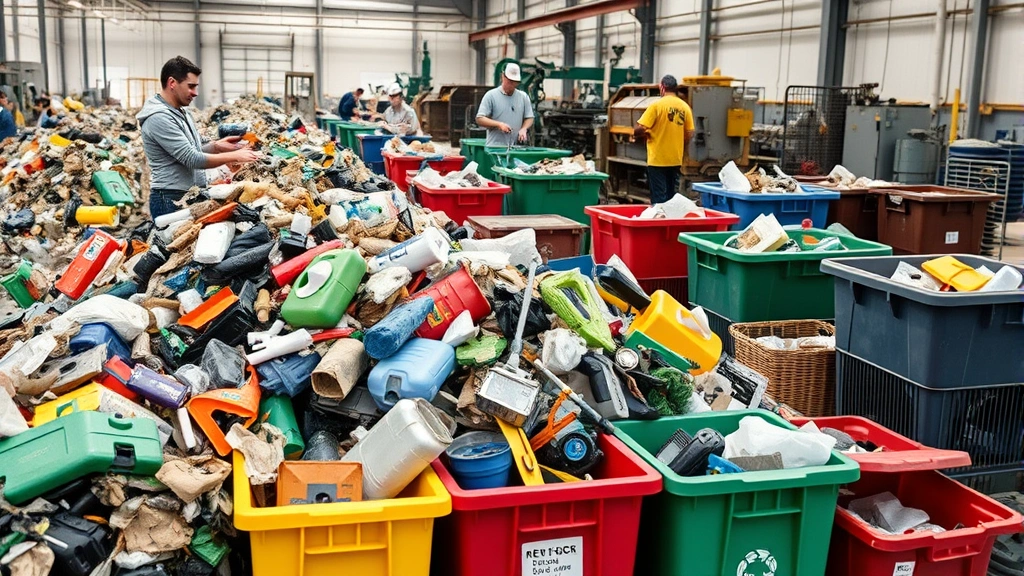
Veolia’s waste management operations position the company as a central player in circular economy development. The company operates landfills, recycling facilities, hazardous waste treatment plants, and waste-to-energy installations. Waste management represents approximately 35% of Veolia’s revenue and demonstrates how environmental regulation creates profitable business opportunities.
The circular economy concept—where waste becomes feedstock for new production—attracts significant investment and appears in corporate sustainability commitments globally. Veolia’s stock benefits from this trend, as companies investing in circular economy infrastructure must contract with waste management providers. However, the circular economy model faces important criticisms. Most “recycling” involves downcycling, where materials degrade in quality with each cycle, eventually becoming non-recyclable waste. Plastic recycling, which comprises significant portions of Veolia’s operations, achieves recycling rates below 10% globally despite decades of infrastructure investment.
Waste-to-energy facilities, another major Veolia operation, convert waste to electricity or heat. These facilities reduce landfill volumes but produce air emissions and concentrate toxic residues in ash requiring disposal. The economics favor waste-to-energy development, creating profit incentives to maintain waste streams rather than reduce waste generation. This dynamic exemplifies how human-environment interaction through market mechanisms may optimize financial returns while suboptimizing ecological outcomes.
Energy Transition and Corporate Sustainability
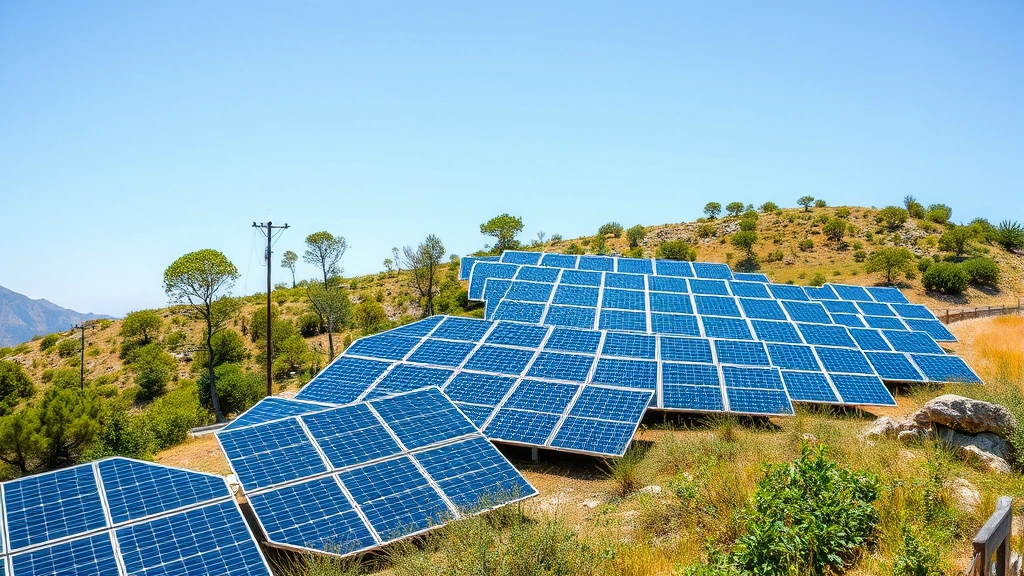
Veolia’s energy segment, representing approximately 25% of revenue, focuses on renewable energy development and energy efficiency services. This segment has experienced rapid growth as companies and governments commit to carbon neutrality targets. The company operates solar and wind projects, biomass facilities, and provides energy efficiency consulting to industrial clients.
The energy transition represents perhaps the most critical environmental challenge globally, as energy production accounts for approximately 75% of greenhouse gas emissions. Veolia’s energy operations contribute to decarbonization efforts, but the company simultaneously maintains operations in traditional energy infrastructure in some markets. This mixed portfolio reflects the reality that energy transition occurs gradually across different regions at different speeds, creating profitable opportunities throughout the transition period.
Stock analysts often highlight Veolia’s renewable energy growth as a key investment thesis, arguing that accelerating energy transition will drive revenue expansion. However, renewable energy economics depend heavily on government subsidies and mandates. Without policy support, renewable energy often proves less profitable than conventional energy, threatening project viability. Veolia’s stock performance thus depends on sustained government commitment to energy transition policies, which remain subject to political shifts and budgetary constraints.
Regulatory Frameworks Shaping Stock Value
Government environmental regulations fundamentally shape Veolia’s business opportunities and stock value. Stricter water quality standards increase treatment service demand; waste reduction mandates expand recycling infrastructure requirements; carbon pricing mechanisms incentivize renewable energy investment. Veolia’s stock valuations incorporate assumptions about regulatory trajectory, making the company’s financial performance sensitive to policy changes.
The European Union’s environmental regulations, particularly the Water Framework Directive and Circular Economy Action Plan, create steady demand for Veolia services across European operations, which comprise approximately 60% of revenue. Regulatory certainty in developed markets provides stable cash flows, while emerging market operations offer growth potential but face regulatory uncertainty. This geographic diversification allows Veolia to balance stability with growth, supporting consistent stock performance.
However, regulatory changes can also threaten profitability. Regulations requiring companies to reduce waste generation or water consumption directly reduce demand for Veolia services. Environmental regulations mandating that companies internalize waste management costs might shift infrastructure investments to in-house solutions rather than outsourced services. Regulations addressing climate change might require Veolia facilities themselves to achieve carbon neutrality, increasing operational costs. The company’s stock incorporates these regulatory risks, with valuations fluctuating as policy developments emerge.
Criticisms and Ecological Concerns
Despite Veolia’s environmental positioning, the company faces significant criticisms regarding actual ecological impact and operational practices. Environmental organizations have documented cases where Veolia operations caused water contamination, air pollution, or inadequate waste treatment. Some communities argue that Veolia’s presence doesn’t improve environmental conditions but merely shifts environmental burdens to marginalized populations or future generations.
The fundamental critique involves questioning whether market-based environmental management addresses systemic issues or perpetuates unsustainable consumption patterns. Veolia’s profitability depends on continued environmental service demand, which depends on either continued environmental degradation or regulatory mandates requiring environmental service consumption. Neither scenario represents genuine sustainability transition toward reduced environmental impact; both represent management of consequences rather than prevention of causes.
Additionally, critics argue that privatizing environmental infrastructure through companies like Veolia reduces democratic control over essential services. Water, waste management, and energy represent fundamental infrastructure that many argue should remain under public control to ensure universal access and ecological prioritization. When these services operate as profit-maximizing enterprises, financial returns may conflict with ecological sustainability or equitable access, particularly in developing regions where Veolia serves low-income populations.
Labor practices represent another concern, with workers in Veolia facilities facing occupational hazards from exposure to pollutants and hazardous materials. Environmental justice considerations highlight that environmental service workers often experience disproportionate health impacts from the very environmental management processes they facilitate.
FAQ
How does Veolia’s stock relate to environmental economics?
Veolia’s stock valuation reflects market expectations for environmental service demand, which correlates with ecosystem degradation, resource scarcity, and regulatory requirements. Strong stock performance indicates investor confidence that environmental infrastructure investment will accelerate, but this depends on systemic environmental challenges persisting or regulatory mandates requiring service consumption.
What environmental challenges drive Veolia’s business growth?
Water scarcity, waste accumulation, pollution, and carbon emissions directly expand demand for Veolia’s services. As global population increases and consumption accelerates, environmental degradation intensifies, creating growing markets for treatment, remediation, and management services. The company benefits financially from the very environmental problems it ostensibly addresses.
Is Veolia’s environmental impact genuinely positive?
Veolia’s operations manage environmental problems but don’t necessarily prevent them. The company provides essential services that reduce acute environmental damages, but profit incentives may not align with systemic prevention of environmental degradation. Independent assessments vary, with some documenting significant community environmental benefits while others document inadequate practices or environmental justice concerns.
How do government regulations affect Veolia’s stock?
Environmental regulations create demand for Veolia services, supporting stock valuations. Stricter standards increase treatment requirements; waste reduction mandates expand recycling infrastructure needs; carbon pricing incentivizes renewable energy investment. However, regulations requiring companies to reduce their own environmental impacts or mandating waste prevention might reduce service demand, threatening stock performance.
What are the risks to Veolia’s future stock performance?
Key risks include regulatory changes reducing service demand, technological innovations enabling companies to manage environmental impacts in-house, political opposition to privatized environmental infrastructure, climate impacts affecting water availability or facility operations, and litigation regarding environmental or labor practices. Additionally, genuine sustainability transition toward reduced consumption would decrease demand for environmental remediation services.
Can environmental service companies achieve genuine sustainability?
This remains contested among environmental economists and ecologists. Some argue that market-based environmental management incentivizes efficiency improvements and technology development. Others contend that profit-driven systems inherently prioritize financial returns over ecological restoration, and that addressing environmental challenges requires reducing consumption and environmental impact generation rather than managing consequences through service consumption.


