Transition Zones: Impact on Economy and Ecosystems
Transition zones represent some of the most dynamic and economically significant ecological boundaries on Earth. These areas, where two adjacent environments meet and interact, create unique conditions that support extraordinary biodiversity while simultaneously offering substantial economic opportunities and challenges. Understanding the intricate relationship between transition zones and both economic systems and ecosystem health is essential for sustainable development and informed environmental policy.
The economic implications of transition zones extend far beyond their physical boundaries. From coastal wetlands that provide crucial storm protection to forest-grassland interfaces that support livestock industries, these ecotones generate trillions of dollars in ecosystem services annually. Yet they remain among the most threatened habitats globally, facing pressure from agricultural expansion, urban development, and climate change. This article explores the multifaceted impacts of transition zones on both economic development and ecological integrity.
Understanding Transition Zones and Ecotones
Transition zones, scientifically termed ecotones, are the interface regions between two distinct ecosystems or biomes. These boundaries are characterized by gradual or abrupt environmental changes that create unique habitat conditions unsuitable for specialists from either adjacent environment, yet perfectly adapted for specialized ecotone species. The width and complexity of transition zones vary dramatically—from narrow riparian corridors along streams to expansive savanna regions spanning hundreds of kilometers between forests and grasslands.
The ecological characteristics of transition zones fundamentally differ from their neighboring environments. Environmental gradients intensify in these areas, creating variations in temperature, moisture, soil composition, and light availability that would be extreme for pure ecosystem specialists. This heterogeneity drives the definition of environment science itself, as transition zones demonstrate how environmental factors interact and influence biological communities. The presence of edge effects—the ecological consequences of habitat boundaries—creates both opportunities and challenges for species survival.
Ecotone formation occurs through natural processes spanning millennia or can result from rapid human effects on the environment. Climate fluctuations, geological processes, and biological succession continuously reshape these boundaries. Understanding the mechanisms driving transition zone development is crucial for predicting ecosystem responses to environmental change and managing these critical areas sustainably. The dynamic nature of ecotones makes them particularly sensitive indicators of broader environmental and climatic shifts.

Economic Value of Transition Zone Ecosystems
The economic value generated by transition zones encompasses both direct and indirect services that sustain human economies globally. According to research from the World Bank’s environmental economics division, transition zones contribute disproportionately to global economic output relative to their geographic extent. Wetland ecotones alone provide an estimated $47 trillion annually in ecosystem services, including water purification, flood mitigation, and carbon sequestration.
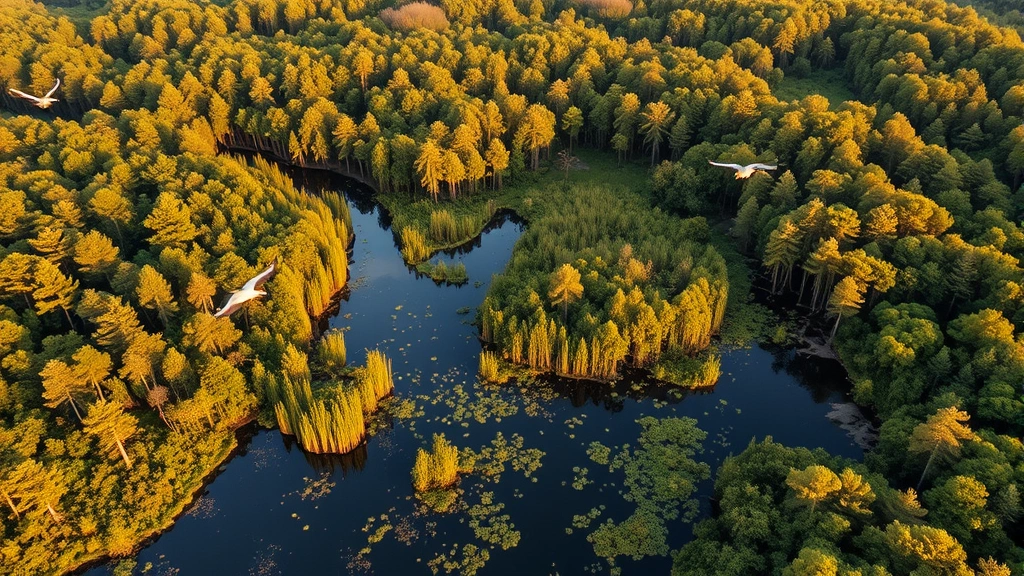
Coastal transition zones—where marine and terrestrial ecosystems meet—represent particularly valuable economic regions. Mangrove forests, salt marshes, and estuarine systems provide critical habitat for commercial fish species while protecting inland communities from storm surge and erosion. The economic valuation of these services demonstrates that preserving transition zones often generates greater long-term economic returns than converting them to alternative land uses. A single hectare of mangrove forest can produce ecosystem services valued at $6,000-$10,000 annually, far exceeding most agricultural conversion scenarios.
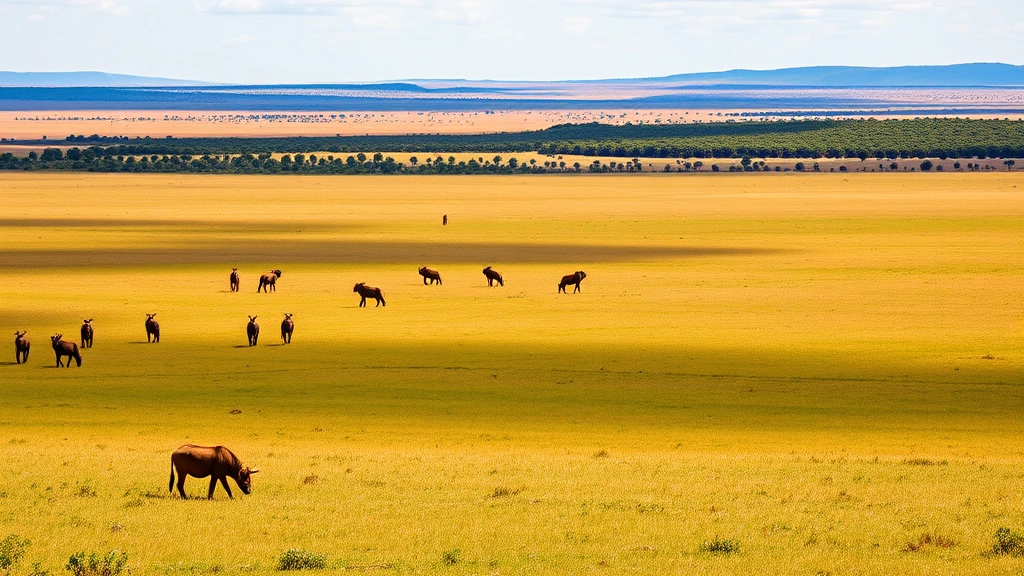
Forest-grassland transitions support pastoral economies across Africa, Asia, and South America, generating income for millions of livestock producers and wildlife tourism operators. These savanna regions represent a delicate balance between agricultural productivity and ecological integrity. The economic pressures to expand agricultural land use threaten the ecological functions that make these transition zones economically productive in the first place, creating a fundamental paradox in development economics.
Water-related transition zones, including riparian corridors and riverine wetlands, provide essential services for agriculture, drinking water supply, and hydroelectric generation. The economic value of these services extends throughout entire river basins, connecting upstream and downstream communities through ecological and economic relationships. Degradation of transition zones in upstream areas directly reduces economic productivity downstream, yet accounting for these interconnected values remains challenging for traditional economic frameworks.
Biodiversity Hotspots and Species Interactions
Transition zones consistently exhibit biodiversity levels exceeding those of adjacent ecosystems—a phenomenon known as the edge effect. This exceptional biological richness creates unique economic opportunities through ecotourism, pharmaceutical research, and agricultural breeding programs. The genetic diversity present in ecotone species often contains novel adaptations to environmental stress, with significant potential for crop improvement and disease-resistant varieties.
The species composition of transition zones reflects evolutionary pressures distinct from those in core ecosystem areas. Species inhabiting ecotones typically demonstrate broader environmental tolerances, generalist feeding strategies, and enhanced competitive abilities in heterogeneous habitats. These characteristics make ecotone species particularly valuable for understanding evolutionary processes and adaptation mechanisms applicable to agricultural improvement and biotechnology development.
Predator-prey relationships intensify in transition zones, creating complex food webs with significant implications for ecosystem stability and economic productivity. The availability of diverse food sources supports both large carnivore populations and productive herbivore communities, creating conditions favorable for wildlife-based economies. However, this same ecological richness creates potential conflicts with agricultural activities, as transition zones frequently experience elevated predation pressure on livestock and crop damage from wildlife populations.
Pollinator communities in transition zones exhibit exceptional diversity and abundance, providing critical services for both natural plant reproduction and agricultural crop production. Research demonstrates that transition zone ecosystems support 30-50% higher densities of pollinating insects compared to homogeneous agricultural landscapes. This enhanced pollination service provides direct economic benefits to agricultural regions adjacent to transition zones, yet this interdependence is rarely reflected in agricultural pricing or land use policies.
Agricultural and Land Use Economics
The economic pressure to convert transition zones into agricultural land represents one of the primary drivers of ecotone degradation globally. Traditional economic analyses comparing conversion scenarios typically exclude ecosystem service valuations, creating a systematic bias toward land conversion. When comprehensive ecosystem service values are included, however, the economic case for preservation often becomes compelling.
Sustainable agricultural practices that maintain transition zone integrity can generate competitive economic returns while preserving ecological functions. Agroforestry systems that integrate tree crops with grassland production, riparian buffer systems that combine timber production with water quality improvement, and mosaic agricultural landscapes that preserve ecotone corridors demonstrate that economic productivity and ecological preservation need not be mutually exclusive.
The relationship between transition zones and human environment interaction fundamentally shapes agricultural economics in regions with significant ecotone systems. Indigenous and traditional land management practices across diverse regions have evolved to work with transition zone ecology rather than against it, often generating sustainable productivity levels over centuries. Modern agricultural economics could benefit substantially from integrating traditional ecological knowledge with contemporary economic analysis.
Market failures in agricultural economics stem largely from the failure to price ecosystem services provided by transition zones. When farmers make land use decisions based solely on direct crop production values, they ignore the water purification, pollination, pest control, and climate regulation services provided by adjacent transition zones. Correcting these market failures through payment for ecosystem services, conservation easements, and integrated landscape management represents a critical frontier in ecological economics.
Climate Change and Transition Zone Vulnerability
Transition zones exhibit exceptional sensitivity to climate change, as shifting temperature and precipitation patterns directly alter the environmental gradients defining ecotone boundaries. As climate conditions change, transition zones migrate geographically, creating cascading impacts on species distributions, agricultural suitability, and economic activities dependent on ecosystem stability. The rate of climate change currently exceeds the migration capacity of many plant species, creating novel ecological conditions with unpredictable economic consequences.
The vulnerability of transition zones to climate change stems from their dependence on specific environmental conditions and species interactions that may no longer be viable under altered climate regimes. Montane transition zones between forest and alpine ecosystems face particular pressure as temperature increases shift suitable habitat boundaries upslope, eventually eliminating ecotone areas entirely as mountain peaks provide no additional altitude for migration. Similar dynamics threaten coastal transition zones as sea level rise and increased storm intensity alter salinity gradients and inundation patterns.
Economic impacts of climate-driven transition zone shifts manifest across multiple sectors simultaneously. Agricultural regions will experience altered pollination patterns, pest pressures, water availability, and soil conditions as climate change transforms adjacent transition zones. Pastoral economies face uncertainty regarding forage availability and livestock disease patterns. Tourism industries dependent on transition zone ecosystems face potential collapse if climate change eliminates the ecological conditions supporting wildlife populations and scenic beauty.
Transition zone migration creates complex transboundary challenges, as ecotone shifts may move ecosystem services and economic benefits across political boundaries. A nation may experience loss of water resources as riparian transition zones migrate upstream into neighboring countries, or experience invasion of agricultural pests as forest-grassland boundaries shift into agricultural regions. These transboundary impacts require international cooperation frameworks that remain underdeveloped in most regions.
Conservation Economics and Policy
The economic case for transition zone conservation has strengthened considerably as ecosystem service valuation methodologies have improved. Recent studies demonstrate that the net present value of preserved transition zone ecosystems typically exceeds conversion scenarios over relevant economic time horizons, yet policy frameworks rarely reflect these findings. The disconnect between economic evidence and policy implementation reflects fundamental challenges in environmental economics and governance.
Payment for ecosystem services (PES) schemes represent an innovative policy mechanism for aligning economic incentives with conservation objectives. By compensating landowners for maintaining transition zone ecosystems and the services they provide, PES programs create direct economic returns from conservation. Successful PES programs globally demonstrate that transition zones can generate competitive economic returns through service provision while maintaining ecological integrity, though program design and implementation quality vary substantially.
Policy frameworks addressing environment awareness and transition zone conservation must integrate ecological science with economic analysis and social considerations. Effective policies recognize that transition zones serve multiple constituencies with potentially conflicting interests—agricultural producers seeking land expansion, conservation advocates protecting biodiversity, indigenous communities maintaining traditional practices, and downstream water users depending on ecosystem services. Balancing these interests requires transparent valuation of ecosystem services and equitable benefit-sharing mechanisms.
International environmental agreements increasingly recognize transition zone importance, yet implementation mechanisms remain weak in many regions. The Convention on Biological Diversity, Ramsar Convention on Wetlands, and various regional agreements provide frameworks for transition zone protection, yet enforcement and funding remain inadequate. Strengthening these frameworks through enhanced financial mechanisms and technology transfer could substantially improve transition zone conservation outcomes globally.
Case Studies in Transition Zone Management
The Okavango Delta in Botswana represents a remarkable example of successful transition zone management balancing ecological preservation with economic development. This vast inland delta creates a mosaic of transition zones between aquatic, riparian, grassland, and woodland ecosystems. The economic value generated through wildlife tourism, sustainable fishing, and pastoral activities demonstrates that transition zone preservation can generate substantial economic benefits. The delta supports over 200,000 people while maintaining one of Africa’s largest wildlife populations, generating annual tourism revenues exceeding $500 million.
The Rhine River delta in the Netherlands illustrates how intensive human modification of transition zones can be partially reversed through strategic restoration efforts. Historical channelization and agricultural conversion eliminated vast transition zone areas, reducing biodiversity and ecosystem services. Recent restoration projects recreating wetland and riparian transition zones have simultaneously improved flood management, water quality, and recreational opportunities. These restoration efforts demonstrate that economic benefits from transition zone recovery can justify substantial restoration investments, even in densely populated regions.
Tropical forest-grassland transitions in the Amazon region face intense economic pressure from agricultural expansion and cattle ranching. However, agroforestry and sustainable management approaches demonstrate that transition zones can support competitive economic returns while maintaining ecological functions. These systems, often developed by indigenous communities, provide models for integrating ecological and economic considerations in transition zone management. Scaling these approaches requires policy support and market mechanisms valuing ecosystem services alongside commodity production.
Coastal mangrove-terrestrial transitions in Southeast Asia face escalating pressure from aquaculture expansion and urban development. Yet mangrove ecosystem services—particularly fishery support and storm protection—provide enormous economic value often exceeding conversion benefits. Countries implementing mangrove conservation policies combined with sustainable aquaculture practices in adjacent transition zones demonstrate that economic development and ecosystem preservation can proceed simultaneously when policies properly value ecosystem services.
Mountain transition zones between forest and alpine ecosystems face particular pressure from climate change and tourism development. The Swiss Alps provide a notable example of successful transition zone management, where stringent conservation policies combined with sustainable tourism development maintain ecological integrity while generating substantial economic returns. The annual value of Alpine transition zone ecosystem services—including water regulation, recreation, and carbon storage—exceeds €30 billion, justifying the investment in conservation infrastructure and management.
FAQ
What exactly defines a transition zone in ecological terms?
A transition zone, or ecotone, is the boundary region between two distinct ecosystems where environmental conditions and species composition gradually or abruptly change. These areas exhibit unique characteristics intermediate between adjacent ecosystems, supporting specialized species adapted to ecotone conditions rather than to either pure ecosystem type.
How do transition zones contribute economically?
Transition zones provide extensive ecosystem services including water purification, flood control, pollination, carbon sequestration, and wildlife habitat support. Coastal wetland transitions alone provide trillions in annual economic value through fishery support, storm protection, and water quality improvement. Savanna transitions support pastoral and wildlife tourism economies affecting millions of people.
Why are transition zones particularly vulnerable to climate change?
Transition zones depend on specific environmental gradients and species interactions that are directly altered by changing temperature and precipitation patterns. As climate shifts, ecotone boundaries migrate geographically, often faster than species can adapt or move. Mountain and coastal transitions face particular risk as geographic constraints limit migration options.
What conservation approaches work best for transition zones?
Successful approaches combine ecosystem service valuation with policy mechanisms like payment for ecosystem services, conservation easements, and integrated landscape management. Sustainable land use practices that maintain ecological functions while generating economic returns prove most effective. International cooperation becomes essential for transition zones spanning political boundaries.
How can economic development and transition zone preservation coexist?
When ecosystem service values are properly incorporated into economic analysis, transition zone preservation often generates greater long-term economic returns than conversion. Agroforestry, sustainable tourism, and payment for ecosystem services demonstrate that ecological and economic objectives can align when policies correctly value environmental services.
What role do transition zones play in global biodiversity?
Transition zones consistently exhibit biodiversity levels 30-50% higher than adjacent ecosystems, functioning as evolutionary laboratories and genetic reservoirs. This exceptional richness provides resources for pharmaceutical research, agricultural breeding, and biotechnology development while supporting complex ecological relationships essential for ecosystem stability.


