Can Green Bonds Boost Economies? Analyst Insights
Green bonds have emerged as a transformative financial instrument at the intersection of climate action and economic growth. These debt securities finance environmentally sustainable projects, from renewable energy installations to ecosystem restoration initiatives. As global capital markets increasingly recognize the urgency of climate change, green bonds represent a critical bridge between financial returns and ecological stewardship. Analysts worldwide are examining whether these instruments can genuinely catalyze economic expansion while addressing environmental imperatives.
The global green bond market has experienced exponential growth, reaching approximately $500 billion in annual issuance by 2023. This expansion reflects mounting investor demand for sustainable investment vehicles and growing corporate commitment to decarbonization targets. However, critical questions persist: Do green bonds deliver genuine environmental outcomes? Can they stimulate broader economic productivity? What mechanisms ensure accountability in a testing environment of emerging standards and regulations? This analysis explores these dimensions through an interdisciplinary lens combining financial economics, ecological science, and policy frameworks.

Green Bonds: Market Evolution and Mechanisms
Green bonds function as traditional fixed-income securities with a crucial distinction: proceeds exclusively finance projects with environmental benefits. The World Bank catalyzed this market in 2008, issuing the first green bond to fund renewable energy and energy efficiency projects. Since then, institutional investors, governments, and corporations have recognized these instruments as vehicles for channeling capital toward sustainability objectives while maintaining competitive financial returns.
The mechanics are straightforward yet powerful. An organization issues bonds to raise capital, typically at market rates reflecting creditworthiness and prevailing interest conditions. Bond proceeds finance pre-approved environmental projects: solar and wind farms, electric vehicle infrastructure, sustainable agriculture, forest conservation, and water management systems. Independent verifiers assess project eligibility against frameworks like the Green Bond Principles, established by the International Capital Market Association. This verification process creates transparency and reduces greenwashing risks, though challenges remain in standardization.
What distinguishes green bonds economically is their capacity to mobilize capital at scale. Traditional environmental financing often relies on government grants or development bank concessional lending. Green bonds tap institutional investor bases—pension funds, insurance companies, asset managers—possessing trillions in capital seeking sustainable returns. This democratization of environmental finance fundamentally alters project economics. Projects previously deemed unprofitable at conventional financing costs become viable, accelerating deployment of renewable technologies and ecosystem-based solutions.
The EcoriseDaily Blog has extensively documented how financial innovation intersects with environmental imperatives. Green bonds exemplify this convergence, demonstrating that profit motives and ecological responsibility need not conflict when properly structured.

Economic Stimulus Pathways
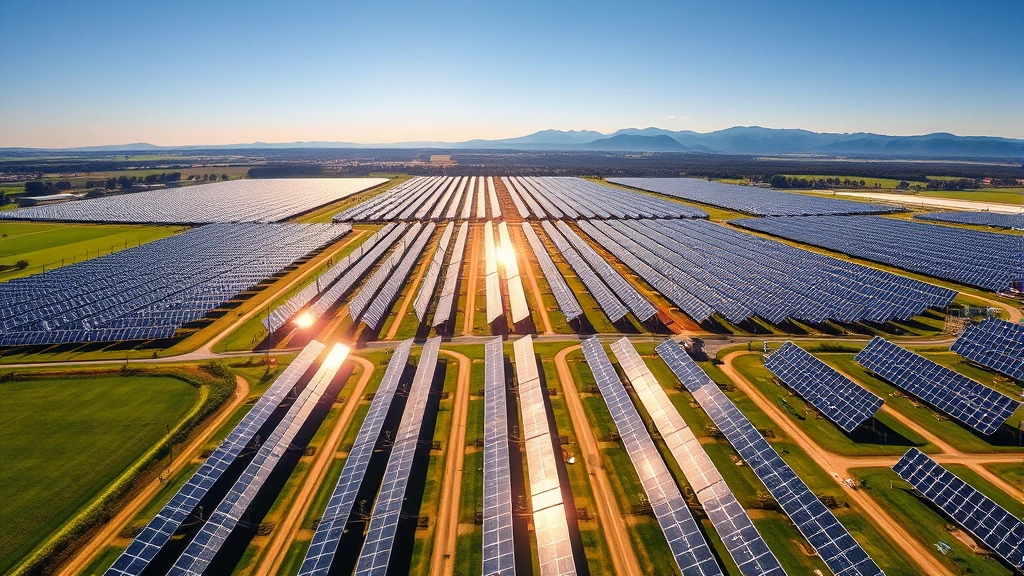
Green bonds stimulate economies through multiple interconnected channels. First, capital deployment in renewable energy and infrastructure generates immediate employment. A solar farm construction project employs engineers, technicians, laborers, and supply chain professionals. Manufacturing of photovoltaic panels, wind turbines, and battery systems creates industrial demand, supporting factory workers and component suppliers. Research from the United Nations Environment Programme indicates renewable energy employment already exceeds fossil fuel jobs globally, with green bonds accelerating this transition.
Second, green bonds reduce long-term economic costs through avoided climate damages. Climate change imposes enormous externalities: agricultural productivity losses, infrastructure damage from extreme weather, healthcare burdens from pollution, and ecosystem service degradation. By financing mitigation and adaptation projects, green bonds prevent these future costs from materializing. Economic modeling suggests climate inaction could reduce global GDP by 5-20% by 2100, depending on warming scenarios. Green bond investments, though substantial, represent far smaller costs than managing climate catastrophe.
Third, green bonds catalyze technological innovation and cost reductions. Early renewable energy deployment was expensive, deterring mainstream adoption. Sustained capital investment through green bonds enabled manufacturing scale-up, supply chain optimization, and technological breakthroughs. Solar photovoltaic costs have declined 90% since 2010, partially driven by increased deployment capital availability. Wind and battery costs have similarly plummeted. This virtuous cycle—capital availability → deployment → cost reduction → broader adoption—generates positive economic externalities extending beyond individual projects.
Fourth, green bonds strengthen financial system resilience. Climate risks pose systemic threats to conventional investments. Stranded assets (fossil fuel infrastructure becoming economically obsolete), transition risks (carbon pricing impacts), and physical risks (climate hazards) create financial instability. By redirecting capital toward low-carbon, climate-resilient assets, green bonds reduce portfolio exposure to these risks. Central banks and financial regulators increasingly recognize climate as a financial stability issue. Green bonds align profit incentives with systemic risk reduction.
Understanding human environment interaction reveals how economic activity fundamentally depends on ecological systems. Green bonds operationalize this recognition by pricing environmental considerations into financial decisions.
Environmental Impact Assessment
The environmental case for green bonds rests on quantifiable project outcomes. Renewable energy projects displace fossil fuel combustion, reducing greenhouse gas emissions. A 100-megawatt wind farm eliminates approximately 200,000 tons of CO2 annually compared to coal generation. Aggregated across thousands of projects financed globally, green bonds have prevented billions of metric tons of emissions. However, measuring additionality—whether projects would have proceeded without green bond financing—remains methodologically complex.
Beyond carbon reduction, green bonds finance biodiversity conservation, watershed protection, and ecosystem restoration. Mangrove reforestation projects simultaneously sequester carbon, protect coastal communities from storms, and provide fisheries habitat. Wetland restoration improves water quality while supporting migratory bird populations. These co-benefits illustrate how environmental investments generate multiple ecological services, a concept central to environmental science definitions emphasizing systemic interconnections.
Energy efficiency projects financed through green bonds reduce consumption without sacrificing services. Building retrofits improve thermal performance, lowering heating and cooling demands. Industrial efficiency upgrades decrease production-related energy use. These investments generate immediate environmental benefits while reducing operational costs for borrowers—a rare win-win scenario aligning economic and ecological interests.
Water management projects address scarcity and quality challenges affecting billions globally. Green bonds finance wastewater treatment facilities, reducing pollution of aquatic ecosystems. Irrigation efficiency improvements in agriculture—a sector consuming 70% of freshwater globally—enable sustainable food production. Sustainable forestry projects maintain carbon sinks while enabling timber harvest, balancing economic and environmental objectives.
Measurement, reporting, and verification (MRV) frameworks track environmental outcomes, though standardization remains incomplete. Some projects report verified emissions reductions; others rely on estimated baselines. This heterogeneity complicates impact aggregation and investor comparisons. The World Bank’s Climate Change portal provides standardized methodologies, yet implementation varies by jurisdiction and project type, reflecting the testing environment nature of emerging green finance architecture.
Testing Environment Challenges
Green bonds operate within rapidly evolving regulatory and market structures, creating both opportunities and risks. Standardization remains incomplete. Multiple frameworks coexist—Green Bond Principles, Climate Bonds Initiative standards, EU Taxonomy, and national regulations—sometimes with inconsistent definitions. A project classified as green under one standard might not qualify under another. This fragmentation creates compliance complexity and potentially enables greenwashing if issuers select lenient standards.
Additionality assessment poses fundamental challenges. Did green bond financing enable projects that wouldn’t otherwise proceed, or merely refinanced inevitable projects? If a corporation issues green bonds for renewable energy it would have deployed regardless, environmental impact remains unchanged, though capital costs improve. Distinguishing genuine additionality from opportunistic relabeling requires rigorous counterfactual analysis, often unavailable at scale.
Impact measurement inconsistency undermines comparability. Different projects employ different methodologies for calculating emissions reductions, biodiversity improvements, or water savings. Aggregating impacts across thousands of projects becomes mathematically questionable when underlying methodologies diverge. Investors struggle to benchmark performance, potentially inflating reported benefits.
Greenwashing risks persist despite verification frameworks. Some issuers structure projects narrowly, claiming green status for marginal environmental improvements while ignoring broader operational impacts. A renewable energy company issuing green bonds while expanding fossil fuel operations elsewhere exemplifies this selective reporting. Verification bodies, though independent, face incentives to approve issuances, creating potential conflicts of interest.
Regulatory arbitrage threatens market integrity. Jurisdictions with lenient green bond standards attract issuances, while stricter regimes disadvantage local borrowers. This regulatory competition can drive toward lowest common denominators rather than highest environmental standards. The impacts of human economic activity on ecosystems require coherent global frameworks, yet green bond governance remains fragmented across national borders and market segments.
Credit risk considerations complicate analysis. Borrowers financing environmental projects may lack track records in these sectors. Technology risks—will solar panels perform as expected?—create uncertainties. Regulatory risks—will carbon pricing materialize?—affect project economics. Green bonds don’t eliminate these risks; they redistribute them among investors who may inadequately price them, potentially creating financial instability if projects underperform.
Case Studies and Real-World Performance
Examining specific green bond programs reveals practical complexities obscured by aggregate market data. Brazil’s green bonds for sustainable agriculture financed improved farming practices reducing deforestation while maintaining productivity. These projects demonstrated genuine environmental benefits—reduced forest loss, improved soil health—while generating economic returns through improved crop yields and premium market access. However, measuring causality remains difficult; other factors including enforcement actions and commodity prices influenced deforestation trends simultaneously.
Germany’s renewable energy bonds financed wind and solar projects that transformed the country’s electricity generation. By 2023, renewables provided approximately 55% of German electricity, a dramatic shift enabled partly by green bond capital availability. Economic impacts proved positive: renewable energy employment exceeded fossil fuel jobs, and energy security improved through diversified sources. However, transition challenges emerged: coal workers faced unemployment, requiring retraining support. This illustrates how green bonds’ economic benefits distribute unevenly across populations.
China’s green bond market, the world’s second-largest, financed massive renewable energy deployment. Capacity additions enabled cost reductions making Chinese solar and wind globally competitive. However, some projects faced criticism for limited environmental additionality or inadequate social safeguards. A hydroelectric project financed through green bonds displaced indigenous communities without adequate compensation, illustrating tensions between environmental and social dimensions.
The positive human impacts on environment discussed in sustainability literature increasingly highlight green finance’s role in enabling conservation and restoration at previously unattainable scales.
Pacific Island nations issued blue bonds—green bonds specifically for ocean conservation—financing marine protected areas and sustainable fisheries. These projects addressed climate change impacts (sea-level rise, ocean acidification) while supporting indigenous economies dependent on marine resources. Financial returns proved modest, yet development impacts were substantial, demonstrating green bonds’ utility beyond purely commercial returns.
Future Outlook and Integration
Green bonds will likely become increasingly central to climate finance architecture. The Climate Bonds Initiative projects the market reaching $1 trillion annually by 2030, requiring continued standardization and impact verification improvements. Several trends will shape evolution:
- Taxonomy development: The EU Taxonomy and equivalent systems in other jurisdictions establish standardized green activity definitions, reducing greenwashing risks and enabling comparability.
- Transition finance: Recognizing that decarbonization requires managing existing high-carbon infrastructure, transition bonds finance coal plant retrofitting or natural gas to renewable conversion. These instruments broaden green finance beyond pure renewables.
- Nature-based solutions: Increasing capital flows toward ecosystem restoration, recognizing that carbon sequestration, biodiversity, and economic development can align through proper project design.
- Mandatory disclosure: Regulatory requirements for climate risk disclosure and sustainability reporting will increasingly force corporations to consider green financing, expanding market demand.
- Central bank engagement: Monetary authorities worldwide are incorporating climate considerations into asset purchases and regulatory frameworks, potentially privileging green bonds in portfolio allocation.
Integration with broader economic policy remains essential. Green bonds alone cannot achieve climate objectives without complementary carbon pricing, regulatory standards, and public investment. A ton of CO2 prevented through a green bond-financed renewable project remains prevented only if fossil fuel alternatives don’t expand elsewhere—the additionality and leakage questions remain critical.
The relationship between green bonds and environmental awareness operates bidirectionally. Green bonds increase environmental consciousness by making sustainability a financial priority; simultaneously, growing awareness drives demand for green financing options.
Institutional investors are increasingly recognizing that climate change represents a material financial risk. The United Nations Environment Programme Finance Initiative provides platforms for financial institutions to coordinate climate action. Green bonds facilitate this coordination by creating tradeable securities allowing capital reallocation toward climate solutions.
Emerging markets face particular opportunities and challenges. Many developing nations require massive infrastructure investment in renewable energy, sustainable transport, and climate adaptation. Green bonds could mobilize capital at scales exceeding traditional development finance. However, currency risks, limited institutional investor bases, and governance concerns complicate issuance. Technical assistance and capacity building will be necessary for green bond markets to develop equitably across geographies.
FAQ
What exactly are green bonds and how do they differ from conventional bonds?
Green bonds are debt securities whose proceeds finance environmental projects. They differ from conventional bonds primarily in use-of-proceeds restrictions and verification requirements. Financially, they typically offer similar returns to comparable conventional bonds, though some investors accept lower yields for environmental alignment. The distinction is the commitment to fund specific environmental projects and third-party verification of compliance.
Can green bonds actually boost economic growth?
Green bonds can stimulate economic growth through employment generation in renewable energy and infrastructure sectors, technology innovation and cost reductions, avoided climate damages, and financial system strengthening. However, growth impacts depend on project quality, additionality, and broader policy context. Green bonds alone are insufficient without complementary policies like carbon pricing and regulatory standards.
How is environmental impact measured for green bond projects?
Impact measurement varies by project type. Renewable energy projects typically calculate avoided greenhouse gas emissions by comparing actual generation to displaced fossil fuel generation. Efficiency projects estimate consumption reductions from baseline scenarios. Ecosystem projects measure biodiversity indicators or carbon sequestration. Standardization remains incomplete, creating measurement inconsistency across projects and markets.
What is greenwashing and how prevalent is it in green bonds?
Greenwashing involves misrepresenting environmental credentials to appear more sustainable than reality. In green bonds, greenwashing might include marginal projects with limited genuine environmental benefit, selective reporting ignoring offsetting negative impacts, or loose additionality standards. Prevalence is difficult to quantify, but third-party verification frameworks have reduced risks compared to self-certification approaches.
Which sectors receive the most green bond financing?
Renewable energy dominates green bond financing, accounting for approximately 40-50% of proceeds. Energy efficiency, sustainable transport, and water management represent significant shares. Emerging categories include sustainable agriculture, circular economy, and nature-based solutions. Allocation varies by market maturity and issuer base characteristics.
Are green bonds suitable for all investors?
Green bonds suit investors seeking sustainable returns and environmental alignment. However, they carry comparable credit and interest rate risks to conventional bonds. Investors requiring specific return targets or risk profiles should evaluate green bonds’ financial characteristics independently of environmental appeal. The environmental benefits shouldn’t justify accepting inappropriate financial risks.
What role do governments play in green bond markets?
Governments function as issuers, regulators, and facilitators. As issuers, they raise capital for public environmental projects. As regulators, they establish standards, disclosure requirements, and tax incentives. As facilitators, they create enabling environments through policy certainty and infrastructure investment. Government involvement strengthens market credibility and scale.
How do green bonds relate to carbon pricing and emissions reduction?
Green bonds finance emissions reduction projects; carbon pricing creates financial incentives for emissions reduction. Together, they reinforce decarbonization. Carbon pricing makes green bond projects more economically attractive by raising fossil fuel costs. Green bonds accelerate clean technology deployment, potentially lowering carbon prices by increasing abatement supply. Both instruments are complementary rather than substitutional.


