Luxury Living’s Impact on Local Economies: A Comprehensive Study
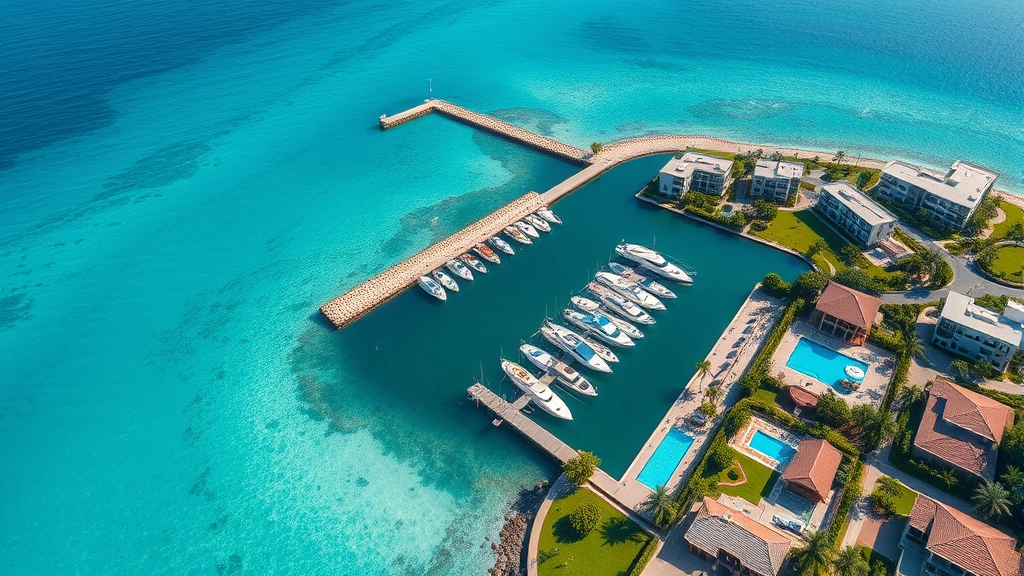
The rise of stylish luxury living environments has fundamentally reshaped urban and suburban economic landscapes across the globe. From exclusive waterfront developments to gated communities featuring high-end architecture, luxury residential sectors now represent a multi-trillion dollar industry influencing everything from employment patterns to property valuations. This phenomenon extends beyond mere aesthetics—it represents a complex interplay of economic forces that simultaneously stimulate local growth while raising critical questions about equity, sustainability, and long-term community resilience.
Recent economic analyses reveal that luxury property markets generate substantial tax revenues, attract specialized service industries, and create employment opportunities across multiple sectors. However, these benefits often come with unintended consequences including gentrification pressures, environmental strain, and widening wealth disparities. Understanding the true economic impact of luxury living requires examining both the immediate financial gains and the broader structural changes affecting local communities.
Economic Stimulus and Revenue Generation
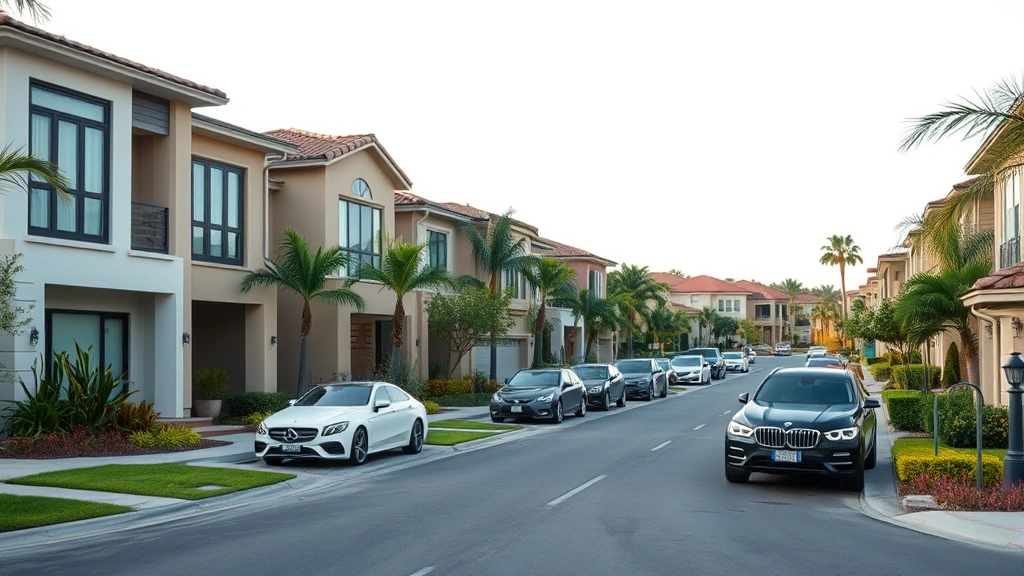
Luxury residential developments serve as powerful economic engines for local municipalities. Property tax revenues from high-value homes substantially exceed those from standard residential units. A single luxury estate valued at $5 million generates approximately 8-12 times more annual property tax revenue than a median-priced home in the same jurisdiction. This influx creates dedicated funding streams for municipal services, infrastructure improvements, and public amenities.
According to research from the World Bank, luxury real estate markets in developed nations contribute between 15-22% of total municipal tax bases in major metropolitan areas. These revenues directly fund essential services including schools, emergency services, and transportation infrastructure. Beyond property taxes, luxury developments generate substantial sales tax revenue through high-value purchases of furnishings, artwork, and luxury goods.
The construction phase of luxury projects represents a significant economic multiplier. A single luxury residential complex can generate $50-200 million in direct construction spending, supporting contractors, architects, engineers, and specialized craftspeople. This temporary but substantial employment boost creates demand for materials sourcing, equipment rental, and professional services. Secondary economic effects ripple through local supply chains as construction companies purchase materials, hire subcontractors, and source specialized components.
Financial services represent another critical revenue stream. Luxury property transactions involve mortgage financing, title insurance, legal services, and investment advisory fees. These professional services create high-wage employment for financial specialists, attorneys, and consultants. A UNEP report on urban economic development noted that luxury real estate markets typically support 3-5 ancillary professional service jobs for every primary real estate transaction.
Employment Ecosystems in Luxury Markets
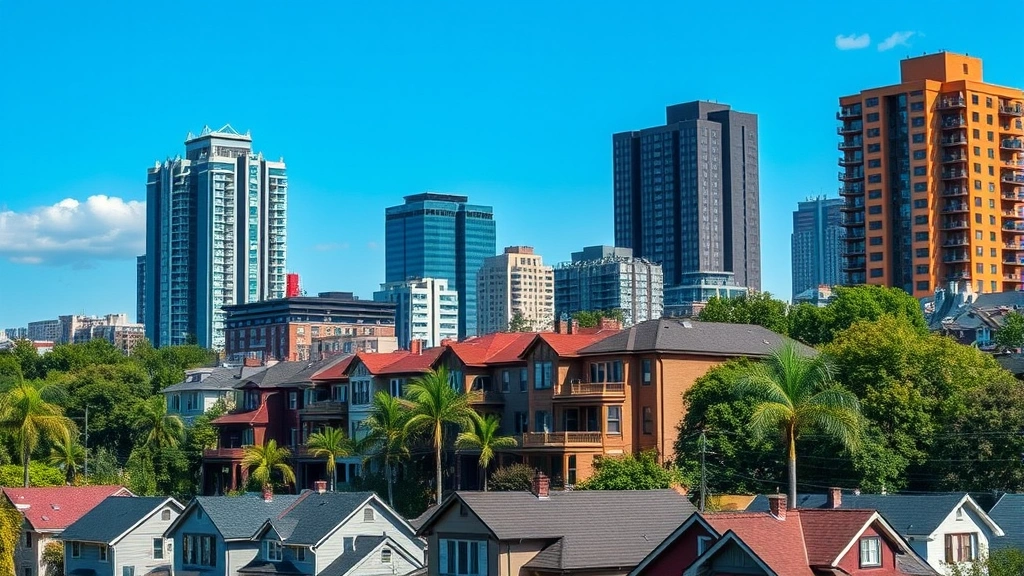
Beyond the obvious construction and real estate sectors, luxury living environments generate employment across specialized service industries. Concierge services, private security, housekeeping, landscaping, and property management create direct employment opportunities. These positions, while often lower-wage compared to professional services, provide stable employment for thousands of workers in metropolitan areas.
The broader ecosystem supporting luxury lifestyles encompasses premium hospitality, fine dining, high-end retail, and wellness services. Neighborhoods featuring luxury living environments attract upscale restaurants, boutique shopping, and exclusive fitness facilities. These establishments employ chefs, retail specialists, personal trainers, and hospitality professionals. The wage distribution across these roles varies significantly, with management and specialized positions commanding premium compensation while service roles typically offer modest wages.
However, the employment quality paradox deserves careful consideration. While luxury markets generate substantial job creation, many positions—particularly in housekeeping, landscaping, and service sectors—offer limited career advancement, minimal benefits, and wage stagnation. A study published in the Journal of Urban Economics found that 60-70% of jobs created in luxury market ecosystems fall into lower-wage categories with limited skill development opportunities.
Professional service employment represents the higher-wage segment of luxury market job creation. Architects specializing in luxury residential design, real estate attorneys, financial advisors, and property management professionals earn substantially higher compensation. These positions require advanced education and credentials, creating demand for skilled professionals and potentially attracting talent migration to growth markets.
Real Estate Valuation and Property Markets
Luxury residential development significantly influences broader property valuations within affected markets. The introduction of high-end developments often elevates perceived neighborhood prestige, attracting additional investment and increasing property values across surrounding areas. This phenomenon, known as the “luxury spillover effect,” can increase property values in adjacent neighborhoods by 10-25% within 5-10 years of major luxury development completion.
Property value appreciation benefits existing homeowners through increased home equity and wealth accumulation. However, this appreciation simultaneously increases property tax burdens for long-term residents on fixed incomes, potentially forcing displacement. The tension between wealth creation through property appreciation and affordability challenges represents a central economic paradox in luxury-influenced markets.
Luxury real estate markets also attract significant international capital investment. Foreign investors view premium properties as wealth preservation vehicles and portfolio diversification strategies. This capital influx increases property prices and can create speculative bubbles where property values detach from local income fundamentals. When these bubbles deflate—as occurred in Miami, Vancouver, and London during previous market corrections—local economies experience significant disruption and wealth destruction.
The comprehensive environmental studies examining real estate markets reveal that luxury property concentration creates market fragmentation where ultra-high-value properties operate in entirely different economic systems than middle-class housing. This segmentation reduces market liquidity for standard residential properties and complicates municipal planning efforts.
Gentrification and Social Displacement
Perhaps the most contentious economic impact of luxury living development involves gentrification dynamics and community displacement. As neighborhoods become targets for luxury development, property values escalate, rental rates increase, and original residents face mounting housing costs. This process, extensively documented in human-environment interaction research, demonstrates how economic forces reshape social geography.
Gentrification operates through multiple mechanisms. Rising property values increase property taxes, burdening long-term residents. Landlords, recognizing increased property values, raise rents or convert apartments to owner-occupied luxury units. Commercial displacement follows residential changes as traditional neighborhood businesses—corner groceries, laundromats, ethnic restaurants—relocate due to rising rents. Within 10-15 years, neighborhoods experience complete demographic and commercial transformation.
The economic costs of gentrification extend beyond individual displacement. Communities lose institutional memory, social networks, and cultural institutions built over generations. Schools, churches, and community organizations that served specific populations must relocate or close. These losses, difficult to quantify economically, represent substantial social capital destruction.
Displacement also creates fiscal burdens for receiving communities. Low-income residents displaced from gentrifying neighborhoods often relocate to adjacent areas, increasing demand for affordable housing, social services, and public assistance. Municipal budgets in receiving areas face pressure to accommodate population growth without corresponding revenue increases. This creates geographic inequality where affluent communities benefit from luxury development while adjacent communities absorb associated social costs.
Labor market research indicates that displaced residents often experience prolonged unemployment, underemployment, and wage penalties following involuntary relocation. A comprehensive study in Regional Science and Urban Economics found that displaced workers experienced average wage reductions of 15-20% in new employment locations, with effects persisting 5-7 years post-displacement.
Environmental and Infrastructure Costs
Luxury living environments typically feature resource-intensive characteristics—larger homes, extensive landscaping, private amenities—that generate substantial environmental costs. Despite marketing narratives emphasizing sustainability, luxury developments often exhibit significantly higher per-capita resource consumption compared to standard residential areas. Understanding these environmental economics requires examining water usage, energy consumption, and material flows.
Water consumption represents a critical sustainability concern. Luxury homes average 50-100% higher water consumption than median-priced homes, driven by larger residential footprints, swimming pools, hot tubs, and extensive landscaping. In water-scarce regions, luxury development can strain municipal water supplies and accelerate aquifer depletion. The economics of this externality—costs borne by broader society rather than luxury development beneficiaries—represents a fundamental market failure.
Energy consumption follows similar patterns. Larger homes require greater heating and cooling capacity. Even homes incorporating renewable energy systems through renewable energy installations often exhibit higher total energy consumption than smaller residences. The per-capita carbon footprint of luxury residents typically exceeds standard residential populations by 200-400%, depending on regional energy sources and consumption patterns.
Infrastructure costs present another substantial externality. Luxury developments frequently require expanded utility infrastructure—water treatment, electrical distribution, sewage processing—to accommodate consumption levels. These infrastructure investments represent public expenditures benefiting primarily private development, creating cost-sharing inequities. A World Bank analysis of urban infrastructure costs found that luxury residential developments externalize 30-45% of necessary infrastructure costs to municipal budgets.
Transportation infrastructure demands intensify as luxury developments attract vehicle-heavy populations. Luxury residents typically maintain multiple vehicles and utilize private transportation extensively. This increases road maintenance costs, air pollution, and traffic congestion—negative externalities affecting broader populations. Carbon footprint reduction strategies remain largely voluntary in luxury markets, limiting environmental impact mitigation.
Biodiversity impacts warrant consideration in environmental cost accounting. Luxury development frequently targets scenic, ecologically significant locations with high property values. Waterfront developments, hillside estates, and natural area conversions destroy habitats and fragment ecosystems. These ecological costs—species extinction, pollinator loss, watershed degradation—represent permanent economic losses inadequately reflected in development cost accounting.
Long-Term Economic Sustainability
Assessing the long-term economic sustainability of luxury-dependent growth requires examining whether short-term revenue gains translate into durable prosperity. Economic research increasingly suggests that luxury-focused development strategies create fragile, inequality-prone economies vulnerable to market shocks and demographic changes.
Market volatility represents a primary concern. Luxury real estate markets exhibit greater price volatility than standard housing markets, creating economic instability. When international capital flows reverse—due to currency fluctuations, geopolitical shifts, or changing investment preferences—luxury markets experience severe corrections. These corrections destroy accumulated wealth, reduce tax revenues, and create unemployment in construction and real estate sectors.
Demographic sustainability challenges emerge as populations age and birth rates decline. Luxury developments target affluent, typically older demographics. As these populations age, demand for age-appropriate housing and services increases while the working-age population supporting service industries contracts. This creates imbalanced demographic structures where luxury-dependent communities cannot sustain service sector employment.
Economic diversification concerns persist in communities relying heavily on luxury real estate. Economies dependent on single sectors exhibit reduced resilience to industry-specific shocks. A comprehensive study by ecological economics researchers found that luxury-dependent communities experienced 40-60% employment volatility compared to diversified economies during economic downturns.
Innovation and productive capacity development suffer in luxury-focused economies. Resources flowing toward luxury consumption and real estate speculation represent capital diverted from productive investments in manufacturing, technology, research, and human capital development. Over multi-decade horizons, this capital allocation pattern creates economies optimized for wealth extraction rather than wealth creation.
Intergenerational equity considerations emerge as critical sustainability factors. Luxury development strategies that generate short-term revenues while depleting environmental resources and narrowing economic opportunity create negative intergenerational transfers. Future generations inherit degraded ecosystems, concentrated wealth structures, and reduced economic mobility—costs far exceeding contemporary benefits.
Progressive economists and policy institutions increasingly advocate for alternative development models emphasizing mixed-income communities, sustainable infrastructure, and diversified economic bases. Sustainability principles applied to residential development suggest that long-term prosperity requires balancing luxury markets with affordable housing, environmental protection, and inclusive economic participation.
FAQ
What percentage of municipal revenues come from luxury property taxes?
Luxury property taxes typically represent 15-22% of total municipal tax bases in major metropolitan areas, though percentages vary significantly based on regional wealth distribution and property market composition. In affluent communities, luxury properties can represent 40-60% of total assessed values.
How much employment does luxury residential development create?
A typical large luxury development project creates 200-500 permanent jobs across real estate, property management, hospitality, and service sectors, plus 1,000-3,000 temporary construction positions. However, approximately 70% of permanent positions fall into lower-wage service categories with limited advancement opportunities.
What are the primary environmental costs of luxury living?
Major environmental impacts include 50-100% higher water consumption, 200-400% elevated per-capita carbon emissions, substantial habitat destruction in development locations, and infrastructure strain requiring public investment. These externalities remain largely unpriced in market transactions.
How does luxury development affect surrounding property values?
Luxury developments typically increase surrounding property values by 10-25% within 5-10 years through the “luxury spillover effect.” This appreciation benefits existing homeowners but increases property tax burdens for residents on fixed incomes, potentially forcing displacement.
What displacement costs result from gentrification?
Displaced residents experience 15-20% average wage reductions in new employment, prolonged unemployment periods, and loss of social networks. Communities receiving displaced populations face increased social service costs without corresponding revenue increases, creating geographic inequality in fiscal burden distribution.
Are luxury developments economically sustainable long-term?
Research suggests luxury-dependent economies exhibit greater fragility than diversified economies, experiencing 40-60% higher employment volatility. Demographic imbalances, market volatility, and reduced productive investment capacity create sustainability concerns for communities relying heavily on luxury real estate sectors.


