Impact of Environment on Economy: A Comprehensive Study
The relationship between environmental conditions and economic performance represents one of the most critical intersections in modern policy discourse. Environmental degradation, climate change, and resource depletion directly influence productivity, investment patterns, and long-term economic stability across all sectors. Understanding this dynamic requires examining how natural capital—forests, water systems, biodiversity, and atmospheric stability—functions as foundational infrastructure for economic activity. When we speak of economic systems, we must recognize that they operate within planetary boundaries, and exceeding these limits carries substantial financial consequences.
This comprehensive analysis explores the multifaceted connections between environmental health and economic outcomes, integrating ecological economics principles with empirical evidence from global markets. The intersection of these disciplines reveals that environmental protection is not merely a moral imperative but an economic necessity. Degraded ecosystems generate negative externalities that suppress GDP growth, reduce employment opportunities, and increase vulnerability to systemic shocks. Conversely, investments in environmental restoration and sustainable resource management generate measurable economic returns through improved productivity, innovation, and resilience.
The economic implications of environmental change extend from microeconomic scales—affecting individual firms and supply chains—to macroeconomic dimensions influencing national growth trajectories and international trade patterns. This study synthesizes research from ecological economics, environmental accounting, and climate finance to demonstrate how environmental stewardship directly correlates with long-term economic prosperity.
Natural Capital and Economic Foundations
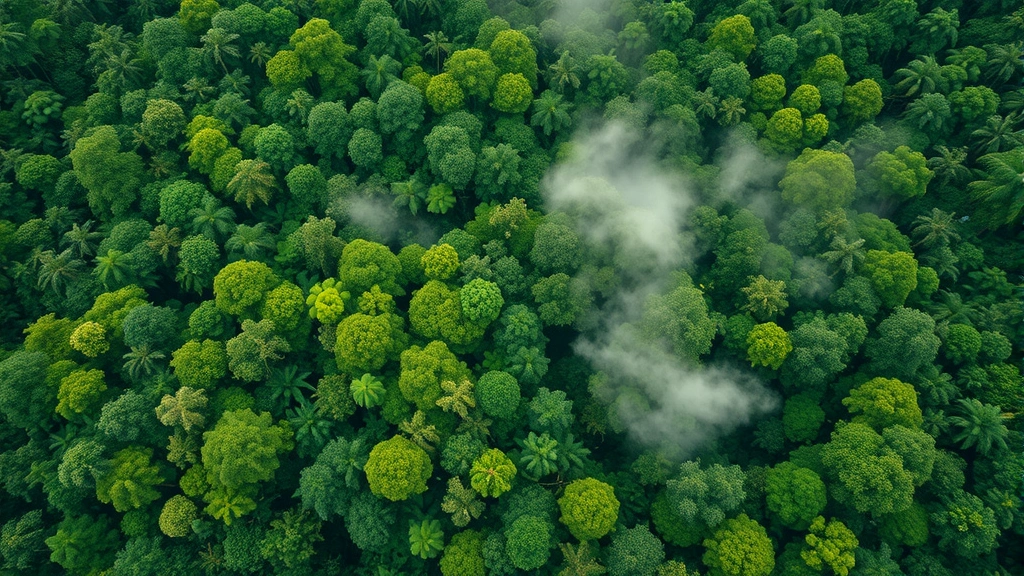
Natural capital encompasses the stock of environmental assets—including minerals, fossil fuels, soil, water, forests, and fisheries—that generate flows of goods and services essential for economic production. Unlike traditional economic models that treat nature as an infinite externality, ecological economics recognizes natural capital as a limiting factor in economic growth. The definition of environmental science increasingly incorporates economic valuation methodologies to quantify how ecosystem degradation translates into financial losses.
Research from the World Bank indicates that natural capital comprises approximately 26% of total wealth in developing nations and 2% in high-income countries, though this disparity reflects accounting conventions rather than actual dependency. Tropical nations with significant forest resources face particular vulnerability when deforestation reduces their natural capital base. A single hectare of tropical rainforest provides ecosystem services—carbon sequestration, water regulation, biodiversity habitat, and medicinal resources—valued between $2,000 and $5,000 annually when properly quantified.
The economic concept of natural capital depreciation parallels industrial capital depreciation. When a forest is harvested unsustainably, the remaining forest stock diminishes, reducing future productive capacity. Yet traditional GDP accounting fails to capture this depletion. A nation could clear-cut all forests, record economic growth from timber sales, and simultaneously destroy the natural capital base supporting agriculture, fisheries, and climate regulation. This accounting distortion has led the World Bank to develop adjusted net savings metrics that subtract resource depletion and pollution costs from conventional GDP figures.
Soil represents perhaps the most undervalued natural capital asset. Industrial agriculture’s reliance on chemical inputs and mechanized tilling has degraded soil quality across 33% of global agricultural land, reducing productivity and carbon storage capacity. The economic value of soil carbon alone—through its climate regulation function—exceeds $1 trillion globally. Yet this value remains invisible in market prices and national accounts until soil fertility collapses and agricultural productivity declines.
Water systems generate ecosystem services worth trillions annually through freshwater provision, flood regulation, and nutrient cycling. The human environment interaction intensifies water stress as populations grow and industrial demands increase. Over 2 billion people currently experience high water stress, creating economic constraints on agriculture, manufacturing, and energy production. Regions dependent on glacial melt—the Hindu Kush, Andes, and Rocky Mountains—face profound economic disruption as climate change accelerates glacier recession.
Environmental Degradation as Economic Loss
Environmental degradation imposes costs through multiple economic channels: reduced factor productivity, increased input costs, supply chain disruptions, and health externalities. Air pollution alone costs the global economy $8 trillion annually through health impacts, reduced labor productivity, and agricultural yield losses. When workers suffer respiratory illness from particulate pollution, absenteeism increases and output declines. When crop yields diminish due to ozone damage, food prices rise and food security deteriorates.
The economic mechanisms linking environmental degradation to reduced prosperity operate across sectors. Manufacturing facilities require freshwater for cooling systems; water scarcity forces production constraints or expensive treatment investments. Agricultural regions experiencing soil degradation face declining yields, requiring either intensified chemical inputs or land expansion. Fisheries collapse when overharvesting depletes stocks below sustainable replacement rates, destroying economies dependent on marine resources. The cod fisheries collapse in Atlantic Canada eliminated 40,000 jobs and cost the government $2 billion in emergency assistance, demonstrating how environmental limits translate into economic catastrophe.
Supply chain vulnerability increases with environmental stress. The 2011 Thai floods disrupted global hard drive production, reducing output by 45% and increasing prices 37%. The 2022 drought in the Yangtze River constrained hydroelectric power, forcing manufacturing shutdowns. These disruptions reveal how environmental degradation in one region generates economic shocks across globally integrated production networks. Companies now recognize climate risk and water stress as material financial threats, prompting major reassessments of supply chain geography.
Insurance and financial markets increasingly price environmental risk. Flood insurance costs have doubled in vulnerable areas within a decade. Agricultural futures prices exhibit increased volatility as weather patterns become less predictable. Property values in flood-prone areas have declined 5-20% as climate risk materializes. These market signals demonstrate that investors and insurers recognize environmental degradation as economically significant, even when policymakers neglect it.
The concept of how humans affect the environment extends beyond direct resource extraction to include pollution externalities. Greenhouse gas emissions impose costs through climate change impacts—extreme weather, agricultural disruption, infrastructure damage, and health effects—estimated at 5-20% of global GDP by 2050 if current trajectories continue. These costs remain largely unpriced in markets, creating a massive market failure where polluters avoid bearing the true costs of their activities.
Climate Change and Financial Markets
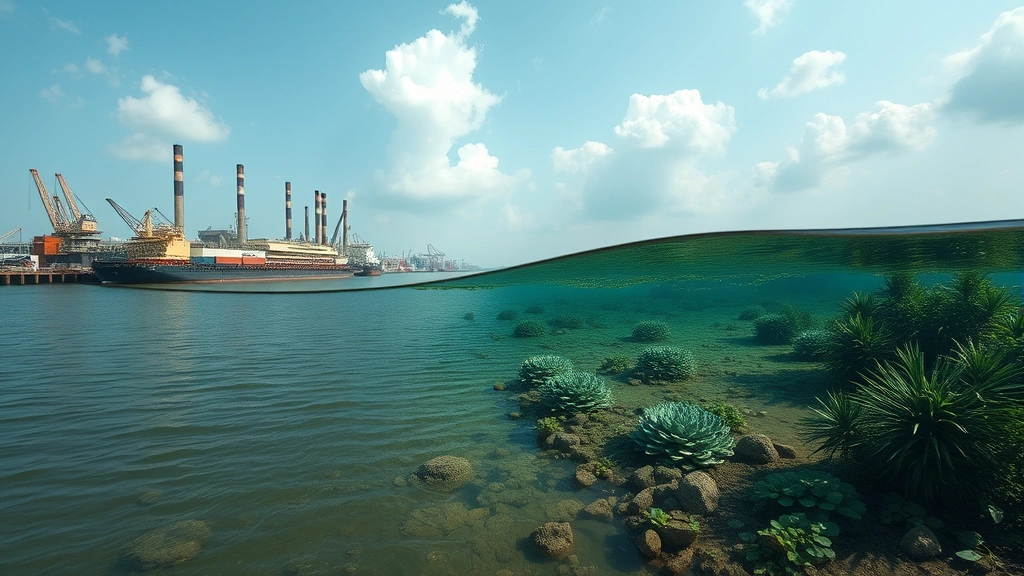
Climate change represents the most systemic environmental threat to economic stability, with impacts cascading through financial markets, asset valuations, and macroeconomic growth. The physical risks—increased extreme weather, sea level rise, temperature shifts—directly damage infrastructure and reduce productive capacity. Transition risks—stranded fossil fuel assets, market disruptions from energy system transformation—create financial instability as capital reallocates away from carbon-intensive investments.
Central banks and financial regulators now recognize climate change as a systemic financial risk. The Bank for International Settlements warns that climate-related financial risks could trigger the next major financial crisis if not properly managed. Pension funds, insurance companies, and sovereign wealth funds representing trillions in assets have begun divestment from fossil fuels and high-carbon industries, recognizing that climate damages will eventually impair asset values.
Stranded assets represent the most direct financial impact. Fossil fuel reserves worth $900 billion to $1 trillion must remain unburned to limit warming to 1.5°C, according to UNEP’s Emissions Gap Report. Companies and nations holding these reserves face potential write-downs as climate policies tighten and renewable energy economics improve. Early movers away from fossil fuels—Denmark, Costa Rica, Uruguay—have achieved economic growth while decarbonizing, demonstrating that climate action need not constrain prosperity.
Climate impacts on agriculture, freshwater, and coastal infrastructure threaten the collateral backing financial systems. Agricultural losses from climate change could reach 10-25% of global production by 2050, reducing farm incomes and increasing agricultural loan defaults. Coastal property—representing $24 trillion in assets—faces sea level rise risks that will eventually materialize in property value declines and mortgage defaults. Insurance companies already report increasing claim frequencies from extreme weather, raising premiums and reducing coverage availability in vulnerable regions.
Ecosystem Services and Monetary Valuation
Ecosystem services represent the benefits humans derive from natural systems: pollination, water purification, climate regulation, nutrient cycling, and genetic resources. Traditional economics failed to value these services because they existed outside market transactions. Ecological economics developed methodologies to monetize ecosystem services, revealing their enormous economic significance.
Pollination services alone—primarily delivered by wild insects—are valued at $15-577 billion annually depending on valuation methodology. The decline of pollinator populations due to pesticide use, habitat loss, and climate change threatens agricultural productivity worth hundreds of billions. Farmers in some Chinese regions now manually pollinate fruit crops, illustrating the economic consequences when ecosystem services collapse.
Water purification services provided by wetlands, forests, and riparian zones exceed the cost of technological alternatives. A hectare of wetland provides water purification services worth $3,000-15,000 annually, yet wetlands are destroyed for development worth far less per hectare. This demonstrates how markets systematically undervalue ecosystem services, leading to their destruction despite negative economic consequences.
Carbon sequestration represents perhaps the most economically significant ecosystem service given climate change impacts. Forests, wetlands, and agricultural soils sequester atmospheric carbon, reducing climate damages. The economic value of this service—calculated as the social cost of carbon multiplied by sequestration rates—exceeds $100 per ton of carbon dioxide. Yet carbon markets price it at $5-50 per ton, creating massive undervaluation that encourages deforestation and soil degradation.
Nature-based solutions that harness ecosystem services often deliver superior economic returns compared to technological alternatives. Protecting mangrove forests provides coastal protection worth $50,000 per kilometer annually while supporting fisheries and sequestering carbon. Yet mangroves are destroyed for aquaculture development worth only $5,000-10,000 per hectare, demonstrating systematic economic irrationality driven by market failures and institutional misalignment.
Green Economy Transition and Growth
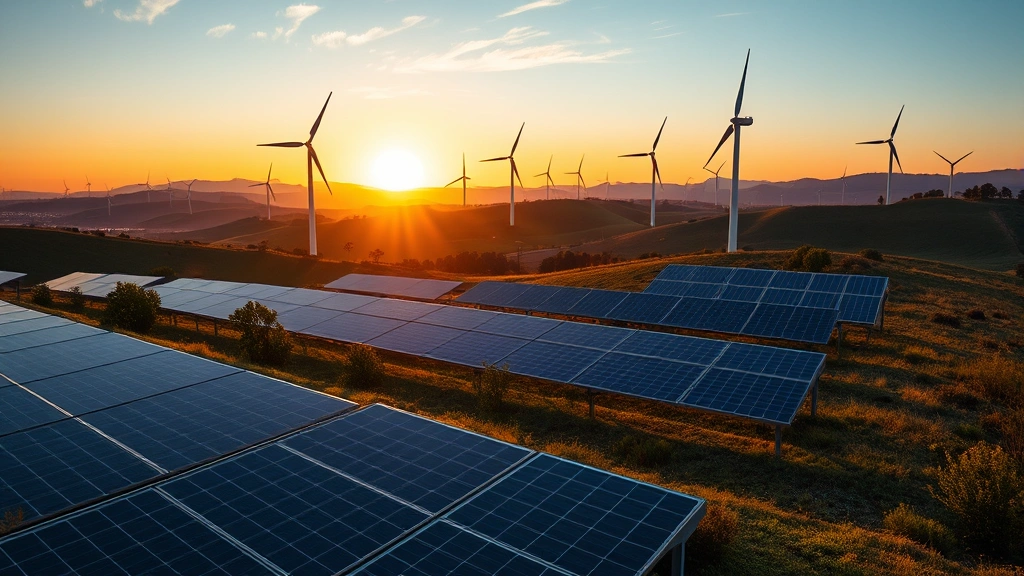
The transition to a green economy—based on renewable energy, circular material flows, and sustainable resource management—generates substantial economic opportunities. Renewable energy costs have declined 90% for solar and 70% for wind over the past decade, making clean energy economically superior to fossil fuels in most markets. This transition creates employment opportunities: renewable energy industries employ 12.7 million workers globally, exceeding fossil fuel employment by 5 times.
Energy efficiency improvements offer immediate economic returns through reduced operating costs. Buildings account for 30% of global energy consumption and 27% of energy-related emissions; efficiency retrofits reduce energy costs 20-30% with payback periods of 3-7 years. Industrial efficiency improvements deliver similar returns while enhancing competitiveness. Germany’s Energiewende (energy transition) has created 300,000 jobs while reducing emissions 35% since 1990, demonstrating that decarbonization and economic growth are compatible.
Circular economy models that minimize waste and maximize material reuse generate economic value while reducing environmental impact. The Ellen MacArthur Foundation estimates that circular economy transitions could generate $4.5 trillion in economic benefits by 2030 through reduced material costs, improved resource efficiency, and new business opportunities. Companies like Interface (carpet manufacturing) and Patagonia (outdoor clothing) have implemented circular models, improving profitability while reducing environmental impact.
The International Union for Conservation of Nature documents that nature restoration investments generate 7-15 times their initial cost in economic benefits through improved ecosystem services. Wetland restoration provides flood protection, water purification, and fishery support. Forest restoration enhances carbon sequestration, water regulation, and biodiversity. These investments compete favorably with conventional infrastructure spending while delivering superior environmental outcomes.
Regional Economic Impacts
Environmental degradation impacts vary significantly across regions based on resource dependency, climate vulnerability, and adaptive capacity. Sub-Saharan Africa, where agriculture comprises 14% of GDP and employs 60% of the workforce, faces severe vulnerability to climate change and land degradation. Desertification of the Sahel region threatens pastoral economies and agricultural productivity across 20 countries. The economic costs—estimated at $9 billion annually in lost productivity—constrain development and increase poverty.
Small island developing states face existential threats from sea level rise. Pacific nations like Kiribati, Marshall Islands, and Tuvalu face potential inundation within decades as oceans rise and storm surge intensifies. The economic costs include loss of exclusive economic zones (fishing rights), tourism infrastructure, and sovereign territory. These nations have become climate leaders despite minimal historical emissions, demonstrating the inequity inherent in climate change economics.
Arctic communities dependent on subsistence hunting and fishing face rapid environmental transformation as permafrost thaws and sea ice declines. Traditional food systems collapse as wildlife migration patterns shift, threatening indigenous economies and cultural practices. Economic diversification becomes essential but challenging in remote regions with limited infrastructure and market access.
Developed nations with diversified economies face different challenges. Coastal property worth trillions faces sea level rise risks. Agricultural regions dependent on snowmelt for irrigation face water availability challenges. However, wealthy nations possess greater adaptive capacity and financial resources to implement climate adaptation and mitigation measures.
Policy Mechanisms and Market Solutions
Addressing environmental-economic linkages requires policy mechanisms that internalize environmental costs into market prices. Carbon pricing—through taxes or cap-and-trade systems—makes polluters bear climate damages. The EU Emissions Trading System, the world’s largest carbon market, has reduced emissions 35% since 2005 while GDP grew 60%, demonstrating that carbon pricing enables decarbonization without economic contraction.
Payment for ecosystem services (PES) programs compensate landowners for conservation activities that provide public benefits. Costa Rica’s PES program has protected 25% of its territory while generating rural employment and carbon sequestration. Payments of $50-100 per hectare annually incentivize reforestation and forest conservation, generating economic returns that exceed alternative land uses.
Natural capital accounting integrates environmental assets into national accounting systems, revealing true economic performance adjusted for resource depletion. The UN System of Environmental-Economic Accounting provides frameworks for countries to measure adjusted net savings, revealing whether development is genuinely sustainable. Nations implementing these systems discover that conventional GDP growth masks natural capital degradation, requiring policy adjustments.
Circular economy policies—banning single-use plastics, requiring producer responsibility, incentivizing material reuse—reduce environmental impact while creating economic opportunities. The EU’s Circular Economy Action Plan targets waste reduction and material efficiency, generating jobs in recycling, repair, and remanufacturing sectors. These policies recognize that linear take-make-dispose economics is economically irrational when material costs rise and waste management becomes expensive.
Investment in ecosystem restoration generates immediate employment while building natural capital for long-term productivity. The World Wildlife Fund estimates that scaling nature-based solutions could create 395 million jobs by 2050 while sequestering carbon and restoring biodiversity. These investments compete favorably with conventional infrastructure spending on cost-effectiveness grounds while delivering superior environmental outcomes.
FAQ
How does environmental degradation affect employment?
Environmental degradation reduces employment through multiple channels: fishery collapse eliminates fishing jobs; agricultural degradation reduces farm employment; water scarcity constrains manufacturing; air pollution reduces worker productivity. Conversely, environmental restoration and clean energy transitions create employment opportunities exceeding job losses in declining sectors.
What is the economic value of biodiversity?
Biodiversity generates economic value through pollination, pest control, genetic resources for medicine and agriculture, and ecosystem stability. The economic value of biodiversity is estimated at trillions annually, though most biodiversity loss occurs in sectors—agriculture, forestry—where economic incentives favor conversion to simpler, less biodiverse systems.
How do carbon markets work economically?
Carbon markets create a price for emissions, incentivizing reduction. Cap-and-trade systems set total allowable emissions and issue tradeable permits. Companies exceeding their allocation purchase permits from over-performers, creating financial incentives for emissions reduction. Carbon taxes directly price emissions, allowing companies to choose optimal reduction strategies.
What is natural capital depreciation?
Natural capital depreciation occurs when renewable resources are harvested faster than regeneration rates or non-renewable resources are extracted. When a fishery harvests more fish than reproduce annually, natural capital depreciates. Traditional accounting ignores this depreciation, misrepresenting economic performance. Adjusted net savings metrics subtract natural capital depreciation from GDP to reveal true economic growth.
How does climate change threaten financial stability?
Climate change threatens financial stability through physical risks (extreme weather damage to infrastructure and collateral), transition risks (stranded assets in fossil fuel industries), and systemic risks (cascading failures across interconnected financial institutions). Central banks increasingly recognize climate as a financial stability threat requiring regulatory attention.
What are ecosystem services worth economically?
Ecosystem services are valued at trillions annually: pollination ($15-577 billion), water purification ($70-300 billion), carbon sequestration ($100+ billion), and countless others. Yet most ecosystem services remain unpriced in markets, leading to systematic undervaluation and destruction despite their enormous economic importance.


