Eco Impact of GDP Growth: Economist Insights
Gross Domestic Product has long served as the primary measure of economic progress, yet its relationship with environmental sustainability presents one of the most pressing paradoxes of contemporary economics. As nations pursue aggressive GDP growth targets, mounting evidence suggests that traditional economic expansion comes at substantial ecological costs. Leading economists now grapple with a fundamental question: can we achieve meaningful economic development without triggering irreversible environmental degradation?
The tension between economic growth and ecological health reflects a deeper methodological challenge within mainstream economics. Standard GDP calculations treat natural resources as infinite inputs and environmental degradation as externalities rather than costs. This accounting framework has enabled decades of growth that masks underlying ecological deficits. Today, environmental economists increasingly argue that true economic progress requires fundamentally reframing how we measure and pursue development.
This comprehensive analysis explores the multifaceted relationship between GDP expansion and environmental impact, drawing on cutting-edge research from ecological economics, environmental accounting, and policy innovation. We examine why traditional growth models fail to capture ecological costs, explore alternative metrics that better reflect sustainability, and analyze how leading economies are beginning to decouple growth from environmental harm.
The GDP Paradox: Growth Without Accounting
GDP measures the monetary value of all finished goods and services produced within a country during a specific period. It serves as the primary indicator governments use to assess economic health, guide policy decisions, and compare national development. Yet this metric contains a fundamental flaw: it fails to account for natural capital depletion or environmental degradation. When a nation harvests old-growth forests, the timber enters GDP calculations as positive economic output, while the loss of biodiversity, carbon sequestration capacity, and ecosystem services disappears from the accounting entirely.
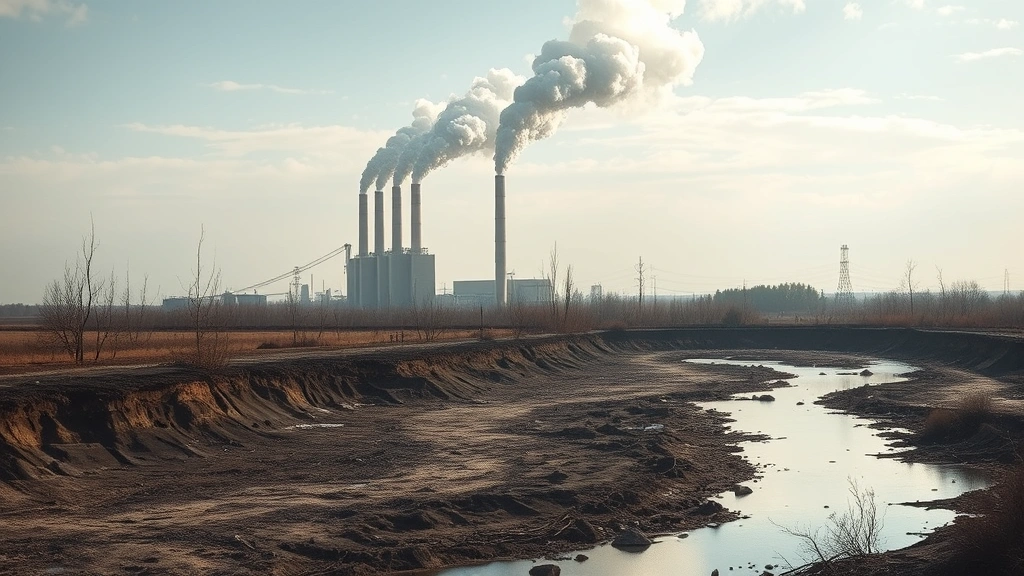
This accounting asymmetry creates perverse incentives throughout the economy. Activities that degrade natural systems generate immediate GDP gains while externalizing costs onto future generations and vulnerable populations. A coal-fired power plant contributes to GDP growth through energy production, capital investment, and employment, yet the health costs from air pollution, climate impacts, and ecosystem damage never appear as offsetting deductions. Environmental economists estimate these hidden costs can exceed 5-10% of GDP in developing nations heavily dependent on natural resource extraction.
The disconnect between GDP growth and genuine welfare improvement has profound implications. Economic analyses increasingly demonstrate that beyond a certain threshold of material consumption, additional GDP growth fails to improve human well-being and frequently diminishes it through pollution, congestion, and ecosystem collapse. A nation experiencing rapid GDP growth alongside declining fisheries, deforestation, and aquifer depletion may actually be experiencing economic decline when environmental capital is properly valued.
Research from the United Nations Environment Programme documents how countries pursuing maximum GDP growth have consistently underinvested in environmental protection, resulting in massive ecological debts. Bangladesh, for example, experienced rapid GDP expansion during the 1990s-2010s while simultaneously experiencing severe deforestation, wetland loss, and increased vulnerability to climate-related disasters. The apparent economic success masked an accumulating environmental liability.
Mechanisms of Environmental Degradation
Economic growth operates through several mechanisms that systematically degrade environmental systems. Understanding these pathways is essential for developing effective policy responses that maintain prosperity while protecting ecological integrity.
Resource Extraction Intensification: GDP growth typically requires increasing extraction of finite natural resources—minerals, fossil fuels, timber, and fish stocks. As economies expand, demand for raw materials accelerates exponentially. The World Bank estimates that global material extraction has tripled since 1970, reaching 100 billion tons annually. This extraction directly destroys ecosystems, fragments habitats, and depletes renewable resources faster than they regenerate. Mining operations alone displace millions of people and contaminate water systems across developing nations.
Energy Consumption and Emissions: Economic growth correlates strongly with energy consumption, and energy production remains predominantly fossil-fuel dependent globally. Every percentage point of GDP growth typically generates proportional increases in carbon emissions and air pollution. Even in developed nations with renewable energy investments, total energy consumption continues rising with GDP, offsetting efficiency gains. The International Energy Agency projects global energy demand will increase 50% by 2050 if current growth patterns continue, necessitating massive fossil fuel expansion unless energy systems undergo radical transformation.
Agricultural Intensification: Growing economies demand increased food production, driving agricultural expansion and intensification. This mechanism generates multiple environmental impacts: deforestation for cropland, soil degradation from monoculture practices, freshwater depletion for irrigation, and massive pesticide and fertilizer pollution of aquatic systems. The connection between human environment interaction and agricultural systems deserves particular attention, as food production represents one of humanity’s most ecologically consequential activities.
Waste Generation and Pollution: GDP growth inherently increases material throughput and waste generation. Consumer economies require continuous production of goods designed for rapid obsolescence, generating mountains of waste. Industrial production discharges pollutants into air, water, and soil. Plastic production, driven by economic growth, has created global contamination of oceans, soils, and even atmospheric systems. Developing nations frequently become repositories for wealthy nations’ waste, exporting environmental costs while importing minimal economic benefits.
Urban Expansion and Habitat Loss: Economic growth concentrates population in cities, driving urban sprawl that fragments and destroys remaining natural habitats. Between 2000-2020, urban areas expanded by approximately 10 million hectares annually, primarily in biodiverse regions. This habitat destruction represents the primary driver of species extinction globally, with extinction rates now 100-1000 times above background levels.

” alt=”Environmental degradation from industrial expansion”>
The True Cost of Economic Expansion
When economists conduct proper environmental accounting, the apparent success of GDP-focused growth policies becomes questionable. Studies utilizing Natural Capital Accounting—which values ecosystem services and resource depletion—reveal that many nations experiencing rapid GDP growth have simultaneously experienced substantial declines in total wealth when environmental assets are included.
The World Bank’s Adjusted Net Savings metric, which accounts for natural capital depletion and pollution damages, demonstrates that numerous middle-income countries have negative genuine savings rates despite positive GDP growth. This means they are consuming natural capital faster than they accumulate produced capital, resulting in net wealth decline. In resource-dependent economies like Nigeria, Angola, and Mongolia, adjusted savings rates have been negative for extended periods, indicating unsustainable development trajectories masked by conventional GDP metrics.
Research from ecological economics journals documents the scale of unaccounted environmental costs. Air pollution alone imposes annual health costs exceeding $5 trillion globally—approximately 6% of world GDP. Water pollution, soil degradation, deforestation, and biodiversity loss generate additional costs in the trillions. The World Bank estimates that environmental degradation costs developing countries 4-9% of annual GDP, effectively canceling out growth gains for the poorest populations.
Climate change represents the most economically significant environmental consequence of growth-focused policies. The Stern Review on the Economics of Climate Change documented that unmitigated climate impacts could reduce global GDP by 5-20% permanently, while mitigation costs represent only 1% of annual GDP. Yet current growth strategies prioritize short-term GDP expansion over climate stabilization, effectively mortgaging trillions in future wealth for modest present gains.
The distributional impacts deserve emphasis. Wealthy populations capture benefits of growth while bearing minimal environmental costs, which concentrate among poor and marginalized communities. Positive impacts humans have on the environment frequently emerge from communities least able to afford environmental degradation, yet environmental costs fall disproportionately on those same populations. This injustice represents not only an ethical problem but an economic inefficiency that undermines long-term stability.
Decoupling Growth From Environmental Impact
Responding to these challenges, economists increasingly explore whether economic growth can be decoupled from environmental degradation. Decoupling refers to achieving GDP growth while simultaneously reducing environmental impacts—theoretically enabling both prosperity and sustainability.
Relative Versus Absolute Decoupling: Most developed economies have achieved relative decoupling, where environmental impacts grow slower than GDP. Denmark, for example, has increased GDP 70% since 1990 while reducing energy consumption and emissions. However, relative decoupling often masks continued absolute environmental degradation. Global emissions, resource extraction, and waste continue accelerating despite efficiency improvements in wealthy nations, which frequently outsource production to countries with weaker environmental standards.
Absolute decoupling—where environmental impacts decline while GDP grows—remains exceptionally rare and typically limited to narrow sectors. Some renewable energy industries demonstrate absolute decoupling, generating economic output with declining environmental footprints. However, these successes rarely extend across entire economies. Most analyses suggest that achieving global absolute decoupling at scales required for climate stability would require unprecedented transformation of energy systems, transportation, manufacturing, and consumption patterns.
Technological Solutions and Limitations: Proponents of green growth argue that technological innovation can enable unlimited decoupling. Renewable energy expansion, efficiency improvements, and circular economy practices could theoretically maintain growth while reducing impacts. Yet technological solutions face fundamental constraints. Renewable energy requires massive material inputs; efficiency improvements often trigger rebound effects where savings are redirected to additional consumption; circular economy practices remain marginal despite decades of promotion.
The Jevons Paradox—where efficiency improvements increase total consumption—presents a critical challenge. As fuel efficiency improves, driving becomes cheaper, encouraging more driving and offsetting emissions reductions. Similar patterns occur across sectors. Technological optimism, while important, cannot overcome the basic thermodynamic reality that infinite material growth is impossible on a finite planet.
Structural Economic Changes: More fundamental decoupling requires restructuring economies toward service provision, knowledge work, and non-material sources of well-being. This transition is theoretically possible but requires deliberate policy choices that wealthy nations have avoided. Shifting from production-consumption economies to service and experience-based models could reduce environmental impacts while maintaining employment and welfare. However, this requires confronting powerful interests dependent on current growth models.
Alternative Economic Metrics and Models
Recognizing GDP’s inadequacy, economists have developed alternative metrics that better capture sustainability and genuine welfare improvement. These frameworks provide more accurate bases for policy decisions aligned with both ecological and human well-being.
Genuine Progress Indicator (GPI): The GPI adjusts GDP for environmental factors, income inequality, leisure time, and other welfare components. Nations utilizing GPI consistently demonstrate that economic well-being peaked decades ago despite continued GDP growth. How humans affect the environment becomes measurable through GPI adjustments, revealing that growth-focused policies often decrease genuine progress. Australia’s GPI, for instance, peaked in 1989 and has declined substantially despite 25+ years of GDP growth.
Inclusive Wealth Index: Developed by the United Nations, this metric measures total capital including human, social, and natural capital. Countries with declining inclusive wealth despite rising GDP are following unsustainable development paths. Analysis reveals that most resource-dependent economies show declining inclusive wealth, indicating genuine poverty despite nominal growth.
Ecological Footprint Analysis: This framework measures resource consumption against planetary regenerative capacity. Global ecological footprint currently exceeds Earth’s biocapacity by approximately 75%, indicating systematic overshoot. Wealthy nations consume 4-8 times their fair share of planetary resources. Ecological footprint accounting makes clear that current growth models are impossible to universalize without catastrophic environmental collapse.
Doughnut Economics: This emerging framework, developed by Kate Raworth, proposes that economic policy should target a safe operating space—meeting human needs without exceeding planetary boundaries. This model reframes economic success not as unlimited growth but as thriving within ecological constraints. Several cities and regions now utilize doughnut economics frameworks for policy development, demonstrating practical applications of post-growth thinking.
Wellbeing Economics: New Zealand, Scotland, and Iceland have adopted wellbeing frameworks where policy success is measured by improvements in human flourishing rather than GDP growth. These approaches incorporate environmental sustainability alongside health, education, community, and equity metrics. Early results suggest wellbeing frameworks can guide policy toward outcomes superior to growth-maximization in both human and environmental dimensions.
” alt=”Sustainable economy with renewable resources and thriving ecosystems”>
Policy Innovations and Global Leadership
Leading economists and policymakers increasingly implement frameworks that decouple welfare from growth or explicitly pursue post-growth strategies. These innovations demonstrate that alternatives to conventional development models are politically and economically viable.
Natural Capital Accounting: Costa Rica pioneered natural capital accounting in the 1980s, valuing ecosystem services and resource depletion in national accounts. This framework revealed that apparent economic success masked environmental decline, catalyzing policy shifts toward conservation. Today, United Nations member states increasingly adopt natural capital accounting, providing more accurate bases for policy decisions. Environment awareness increases substantially when policymakers confront true environmental costs.
Carbon Pricing and Environmental Taxation: More than 60 carbon pricing mechanisms now operate globally, placing costs on emissions and incentivizing decoupling. While carbon prices remain too low to drive necessary transformation, they represent acknowledgment that growth cannot continue without environmental accountability. Environmental taxation frameworks that shift taxes from income to resource extraction and pollution can simultaneously reduce environmental impacts and improve equity.
Circular Economy Transitions: Numerous nations and corporations pursue circular economy models that minimize waste and maximize resource efficiency. The European Union’s circular economy action plan targets 55% emissions reductions by 2030 through production and consumption changes. While circular economy approaches cannot solve growth problems alone, they can substantially reduce environmental impacts within mature economies.
Degrowth and Post-Growth Strategies: Academic economists increasingly explore degrowth—planned reduction in material throughput—as necessary for sustainability. Ecuador and Bolivia have adopted constitutional rights of nature frameworks that explicitly prioritize ecosystem integrity over economic growth. While mainstream policymakers resist degrowth language, practical policies like reduced working hours, universal basic income, and expanded public services can achieve post-growth outcomes without explicit degrowth framing.
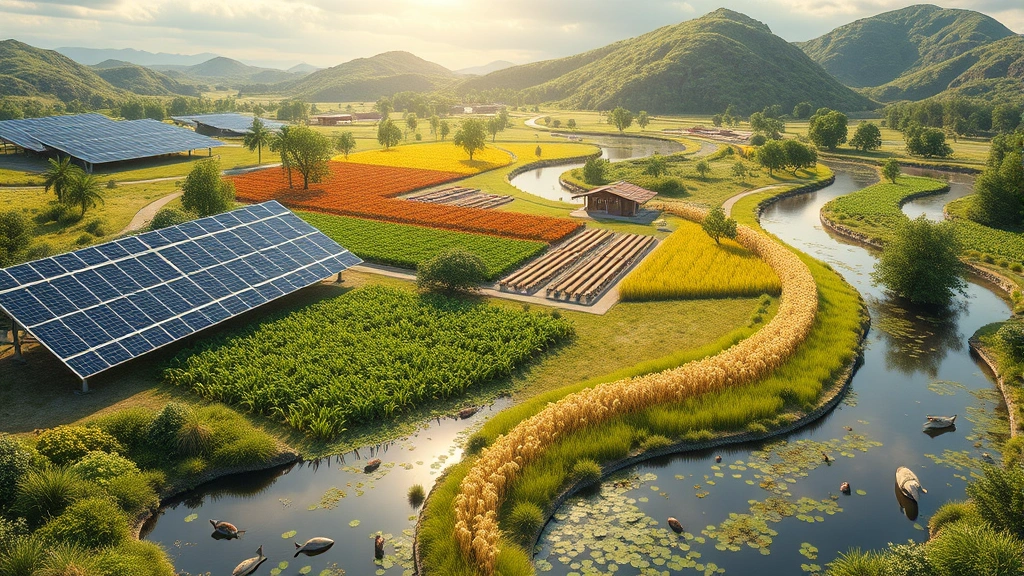
Regenerative Development: Rather than merely reducing harm (sustainability), regenerative approaches aim to restore and enhance natural systems through economic activity. Regenerative agriculture, forestry, and manufacturing can simultaneously improve livelihoods and ecological health. These approaches remain marginal but demonstrate that economic activity can be aligned with ecological restoration.
The Path Forward
The relationship between GDP growth and environmental impact presents civilization with a fundamental choice. Continuing current trajectories guarantees ecological collapse within decades, undermining the material basis for any economy. Yet transitioning away from growth-dependent systems requires confronting entrenched interests and reimagining economic purpose.
Economists increasingly agree on several points: First, conventional GDP growth in wealthy nations must decline substantially to create ecological space for development in poor nations. Second, measuring success through alternative metrics aligned with genuine welfare and sustainability is both possible and necessary. Third, technological solutions alone cannot achieve required environmental improvements without structural economic changes. Fourth, transition challenges are surmountable through deliberate policy, but only if undertaken soon.
The emerging consensus suggests that genuine economic progress requires: transitioning energy systems to renewable sources; restructuring production toward durability and repairability; redistributing wealth to reduce inequality; reducing working hours to spread employment; expanding public services to meet needs outside market systems; and protecting natural systems as the foundation of all economic activity.
These transitions will be economically disruptive and politically contentious. Yet the alternative—continuing growth-focused policies until ecological collapse forces involuntary contraction—guarantees far worse outcomes. Sustainable fashion brands and similar innovations demonstrate that business models aligned with ecological limits can succeed economically. Scaling these approaches across entire economies represents the central economic challenge of the coming decades.
Ultimately, the GDP paradox reflects a choice about what economies should accomplish. If economic systems exist to maximize material throughput, current growth models make sense. If they should enable human flourishing within ecological limits, fundamental transformation is essential. Leading economists increasingly argue for the latter, recognizing that prosperity on a dead planet is impossible.
FAQ
Does all economic growth harm the environment?
Not necessarily. Growth in renewable energy, education, healthcare, and services can occur with minimal environmental impact. However, aggregate growth in wealthy nations typically increases total environmental impact despite efficiency improvements. The question is whether growth is possible at required scales without exceeding planetary boundaries—most evidence suggests it is not.
Can technology solve the growth-environment problem?
Technology is essential but insufficient alone. While renewable energy and efficiency improvements help, they cannot overcome the Jevons Paradox or the fundamental thermodynamic limits of material growth on a finite planet. Technological solutions must be paired with structural economic changes and consumption reductions in wealthy nations.
What would post-growth economics look like?
Post-growth economies would prioritize meeting human needs and maintaining ecological health over maximizing material throughput. This might include reduced working hours, expanded public services, local production emphasis, and regenerative practices. Wellbeing and ecosystem health would serve as primary success metrics rather than GDP.
How would post-growth transition affect employment?
Transition to post-growth systems could maintain full employment through reduced working hours, expanded public services, and regenerative production sectors. However, transition would create significant disruption requiring deliberate policy management, retraining programs, and social support systems.
Are alternative economic metrics being adopted by governments?
Yes. New Zealand, Scotland, Iceland, and several other nations have adopted wellbeing frameworks. Costa Rica and other countries utilize natural capital accounting. However, mainstream economic policy globally remains growth-focused, with alternatives representing marginal innovation rather than systemic change.


