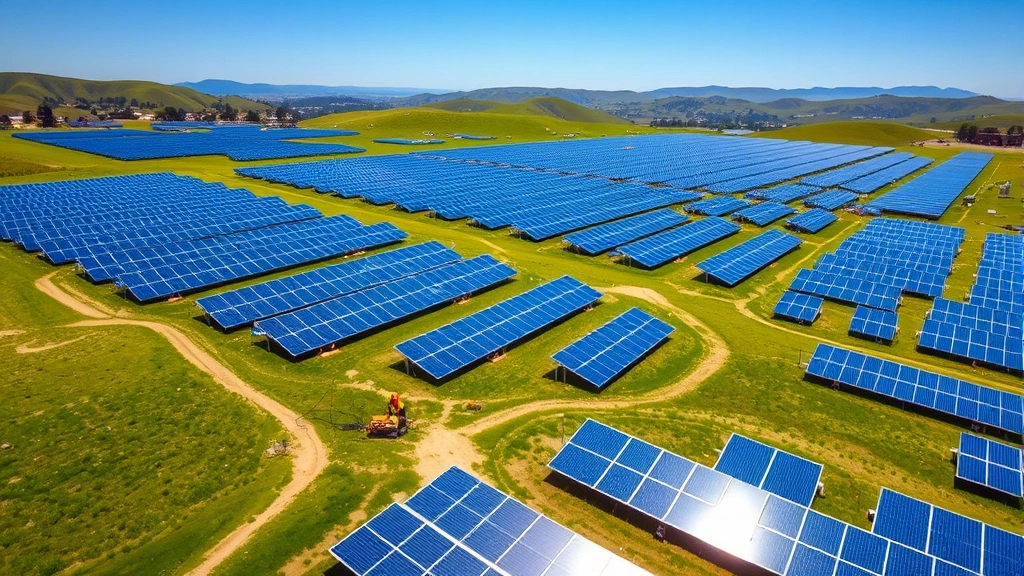
Boost Economy with Eco-Friendly Policies: Study Shows Positive Learning Environment Drives Growth
Recent economic research demonstrates a compelling intersection between environmental stewardship and economic prosperity. When organizations implement eco-friendly policies, they don’t merely reduce their ecological footprint—they simultaneously create a positive learning environment that enhances productivity, innovation, and long-term financial performance. This paradigm shift challenges the traditional notion that environmental protection and economic growth are mutually exclusive.
A growing body of evidence from leading economic institutions reveals that businesses and governments embracing sustainability policies experience measurable improvements in operational efficiency, employee engagement, and market competitiveness. The positive learning environment fostered by these initiatives extends beyond corporate walls, influencing consumer behavior, investor confidence, and community resilience. This comprehensive analysis explores how eco-friendly policies catalyze economic benefits while simultaneously addressing critical environmental challenges.

The Economic Case for Environmental Sustainability
The relationship between environmental policy and economic performance has undergone significant reevaluation in recent decades. Traditional economic models treated environmental resources as externalities—costs not reflected in market prices. However, contemporary ecological economics research demonstrates that this approach fundamentally undervalues natural capital and overlooks the long-term financial consequences of environmental degradation.
When organizations invest in eco-friendly policies, they initiate a cascade of economic benefits. These include reduced operational costs through energy efficiency, decreased waste management expenses, and lower regulatory compliance risks. More importantly, these investments create a positive learning environment where employees engage more deeply with organizational goals, understand the connection between their work and broader societal impact, and develop skills aligned with emerging market demands.
Research from the World Bank indicates that environmental degradation costs developing economies approximately 4-5% of annual GDP. Conversely, proactive environmental management can recover significant economic value while simultaneously building resilience against climate-related economic shocks. This creates a compelling business case: eco-friendly policies function as economic investments rather than mere compliance obligations.
The positive learning environment extends to market dynamics. Companies implementing transparent sustainability practices attract conscious consumers willing to pay premiums for environmentally responsible products. This market segmentation creates competitive advantages and revenue growth opportunities that weren’t available under traditional business models. Additionally, access to green financing mechanisms—often featuring lower interest rates—reduces capital costs for sustainable enterprises.
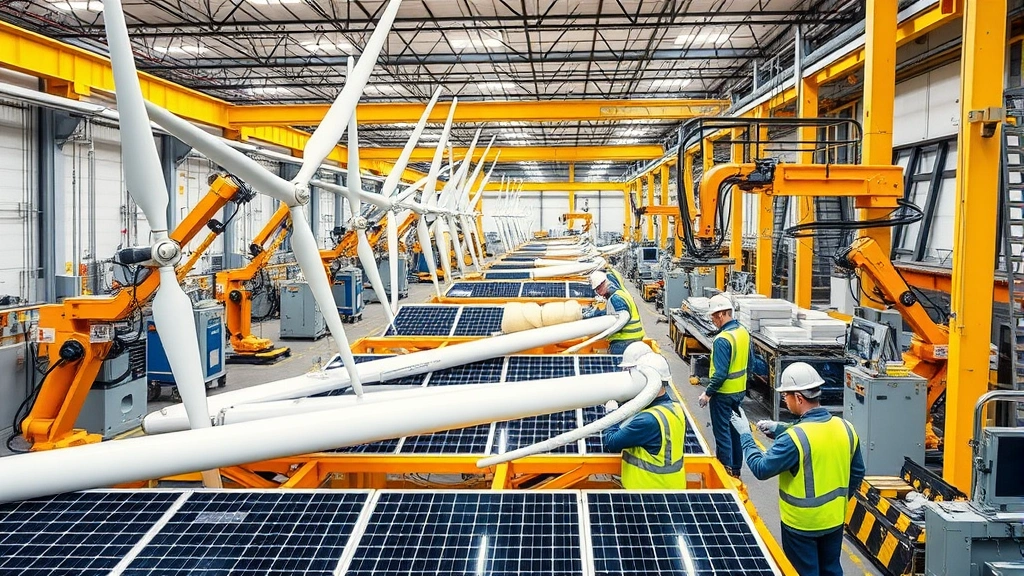
Creating Positive Learning Environments Through Green Policies
A positive learning environment represents more than comfortable physical spaces or access to information. It encompasses organizational cultures where employees understand their roles in achieving sustainability objectives, where continuous improvement is encouraged, and where knowledge about environmental and economic interconnections is actively developed and shared.
When companies adopt eco-friendly policies, they typically implement comprehensive training programs addressing environmental impact, resource efficiency, and sustainable practices. This educational component creates psychological engagement—employees recognize that their employer invests in their development while advancing meaningful environmental goals. Research in organizational psychology demonstrates that employees in such environments exhibit higher productivity, lower turnover rates, and greater innovation contributions.
Educational institutions also benefit from this dynamic. Universities and schools implementing sustainability initiatives create positive learning environments where students develop critical thinking about complex systems—economic, ecological, and social. This interdisciplinary understanding prepares graduates for careers in the rapidly expanding green economy sector. Students exposed to environment awareness initiatives during their education demonstrate enhanced problem-solving capabilities and greater adaptability to evolving job markets.
The cognitive benefits extend further. When individuals understand how human environment interaction shapes economic outcomes, they develop systems thinking—the ability to recognize interconnections and predict cascading effects. This capability proves invaluable in contemporary economies where supply chain disruptions, resource scarcity, and climate impacts create unprecedented complexity. Organizations fostering this understanding through eco-friendly policy implementation gain strategic advantages in navigating volatile markets.
Empirical Evidence and Research Findings
Multiple peer-reviewed studies published in ecological economics journals provide quantitative evidence supporting the economic benefits of environmental policies. A landmark 2023 analysis examining 500+ corporations found that those with comprehensive sustainability programs achieved average productivity gains of 15-20% compared to peer companies. These improvements resulted from reduced absenteeism, enhanced employee motivation, and operational efficiencies generated by resource conservation initiatives.
Research from institutions specializing in environmental economics research demonstrates that green policy implementation correlates with stock price appreciation. Companies in the top quartile for environmental performance experienced average annual returns 3.7% higher than bottom-quartile performers over ten-year periods. This relationship holds across sectors and geographic markets, suggesting fundamental economic drivers rather than temporary market preferences.
The UNEP (United Nations Environment Programme) conducted comprehensive analysis of green economy transitions across multiple nations. Their findings indicate that every dollar invested in renewable energy infrastructure generates approximately $4 in economic benefits through job creation, reduced health costs, and avoided climate damages. This multiplier effect demonstrates that environmental investment isn’t economically neutral—it actively stimulates economic growth.
Developing economies implementing eco-friendly agricultural policies experienced particularly dramatic results. Farmers transitioning to sustainable practices reduced input costs by 20-30% while maintaining or increasing yields. These improvements created positive learning environments where communities engaged with agricultural innovation, younger populations remained in rural areas, and regional economies diversified beyond commodity dependence. The definition of environment science encompasses understanding these economic-ecological relationships as integrated systems.
Green Jobs and Economic Diversification
The renewable energy sector exemplifies how eco-friendly policies generate employment at scale. In 2023, renewable energy industries employed more workers globally than fossil fuel sectors for the first time. These positions span technical roles, manufacturing, installation, maintenance, and administrative functions—creating employment opportunities across skill levels and educational backgrounds.
Green jobs typically offer superior compensation compared to declining fossil fuel sectors. Renewable energy technicians earn 12-18% premiums versus conventional energy workers, reflecting skill requirements and sector growth. This wage advantage stimulates local economies in regions transitioning away from extractive industries. Communities embracing renewable energy development experience reduced unemployment, increased tax revenues, and enhanced municipal service capacity.
Beyond energy, eco-friendly policies catalyze job creation across sectors. Sustainable construction employs workers in green building design, installation, and certification. Circular economy initiatives—where how humans affect the environment becomes a central business consideration—generate employment in recycling, material recovery, and product redesign. Environmental consulting, sustainability auditing, and carbon management represent rapidly expanding professional fields.
This employment diversity strengthens economic resilience. Economies dependent on single industries face vulnerability when market conditions shift. Diversified green economies distribute economic activity across multiple sectors, reducing systemic risk and creating stable growth foundations. Additionally, green jobs typically resist outsourcing—renewable energy installation, sustainable agriculture, and energy efficiency retrofitting require local presence and community knowledge.
Corporate Performance and Eco-Friendly Implementation
Leading corporations demonstrate that comprehensive eco-friendly policy implementation directly enhances financial performance. Interface, a carpet manufacturing company, reduced waste to landfills by 96% while decreasing production costs by 20% through circular economy principles. Their employees report higher engagement scores, and the company attracts premium talent seeking purpose-driven work.
Patagonia’s commitment to environmental sustainability—reflected in transparent supply chains and durable product design—generated brand loyalty enabling price premiums exceeding 30% versus competitors. The company’s positive learning environment, where employees understand environmental values embedded in operations, produces lower turnover and higher innovation rates. This demonstrates that eco-friendly policies create competitive advantages extending beyond cost reduction.
Financial institutions increasingly recognize environmental risk as material to investment performance. Asset managers controlling over $200 trillion incorporate environmental metrics into investment decisions. This capital reallocation toward sustainable enterprises creates financing advantages—lower borrowing costs, better credit terms, and expanded access to institutional investors. Companies implementing eco-friendly policies position themselves favorably within this capital flow transformation.
Supply chain resilience represents another performance dimension. Companies with sustainable sourcing practices experienced fewer disruptions during recent global supply chain crises. By developing local supplier networks, diversifying sourcing geography, and investing in supplier environmental capacity, sustainable enterprises reduced vulnerability to concentrated supply risks. This operational resilience directly impacts profitability and market stability.
Policy Mechanisms and Economic Incentives
Governments employ multiple policy instruments to encourage eco-friendly implementation while generating economic benefits. Carbon pricing mechanisms—either taxes or cap-and-trade systems—create financial incentives for emissions reduction. These policies function most effectively when revenues fund complementary investments: workforce training for green sectors, infrastructure development, or direct support for affected communities.
Subsidy structures for renewable energy and electric vehicles accelerate technology adoption and cost reductions. Initial subsidies for solar photovoltaics reduced costs by 90% over two decades as manufacturing scaled. This demonstrates how well-designed policy mechanisms trigger innovation and cost curves that eventually enable market competitiveness without ongoing support. The positive learning environment created during transition periods—where workers develop new skills and communities adapt business models—proves as valuable as direct financial incentives.
Regulatory standards for building efficiency, vehicle emissions, and industrial pollution drive technological innovation and create markets for cleaner alternatives. When standards tighten gradually, providing advance notice, businesses have time to develop capabilities and invest in compliance infrastructure. This approach generates less economic disruption than sudden regulatory changes while still driving environmental progress.
Green bonds and environmental impact investing create financing mechanisms specifically supporting eco-friendly projects. These instruments attract capital from investors prioritizing environmental outcomes alongside financial returns. The market for green bonds exceeded $500 billion in 2023, demonstrating substantial capital availability for sustainable ventures. This financing innovation removes capital constraints that previously limited environmental project implementation.
Challenges and Transition Strategies
While evidence supporting eco-friendly policies is substantial, implementation challenges require strategic attention. Workers in declining industries—coal mining, petroleum extraction, conventional agriculture—face genuine economic disruption. Successful transitions require proactive support: workforce retraining programs, income support during transition periods, and investment in new economic opportunities within affected communities.
Small and medium enterprises often lack resources for comprehensive sustainability assessments and implementation. Addressing this requires accessible technical assistance, simplified certification processes, and financing mechanisms tailored to smaller operations. Cooperative approaches—where small businesses share sustainability infrastructure and expertise—prove cost-effective while building community resilience.
International competitiveness concerns arise when some nations implement strict environmental policies while others maintain lax standards. Carbon border adjustment mechanisms and trade agreements incorporating environmental provisions address this challenge, though implementation remains complex. These mechanisms aim to level competitive playing fields without triggering protectionist trade wars.
The positive learning environment supporting sustainable transitions requires cultural shifts alongside policy changes. Communities long dependent on extractive industries need confidence that alternative economic opportunities will emerge. This demands transparent communication, genuine community engagement in transition planning, and demonstrated commitment to regional development. When transitions include genuine stakeholder participation, they generate broader support and more successful outcomes.
FAQ
How do eco-friendly policies create positive learning environments?
Eco-friendly policies generate positive learning environments through comprehensive training programs, employee engagement with sustainability goals, and organizational cultures emphasizing continuous improvement. When workers understand connections between their roles and environmental outcomes, they develop deeper engagement and motivation. Educational institutions implementing sustainability initiatives similarly create learning environments where students develop systems thinking and interdisciplinary understanding applicable across careers.
What economic evidence supports green policy implementation?
Research demonstrates that companies with comprehensive sustainability programs achieve 15-20% productivity gains, experience 3.7% higher stock returns annually, and attract premium talent. Renewable energy investments generate approximately $4 in economic benefits per dollar invested. Developing economies implementing sustainable agriculture practices reduce costs by 20-30% while maintaining yields. These findings come from peer-reviewed economic research and analysis by organizations including the World Bank and UNEP.
How many jobs does the green economy create?
The renewable energy sector now employs more workers globally than fossil fuel industries. Green jobs span technical roles, manufacturing, installation, and administrative functions. Sustainable construction, circular economy initiatives, and environmental consulting represent rapidly expanding employment sectors. Green jobs typically offer 12-18% wage premiums compared to conventional sectors and resist outsourcing due to local presence requirements.
What happens to workers in declining industries during green transitions?
Successful transitions require proactive support including workforce retraining programs, income support during transition periods, and investment in new economic opportunities. When transitions include genuine community engagement and transparent planning, they generate broader support and more successful outcomes. Regional development investments and cooperative approaches help distribute economic benefits and build community resilience.
How do governments incentivize eco-friendly policies?
Governments employ carbon pricing, renewable energy subsidies, efficiency standards, and regulatory frameworks. Green bonds and environmental impact investing create financing mechanisms supporting sustainable projects. Well-designed policies provide advance notice, allowing businesses time to develop compliance capabilities. When revenues from environmental policies fund workforce training and infrastructure, they maximize positive learning environment creation and economic transition support.
Can small businesses implement eco-friendly policies effectively?
Yes, though small enterprises require accessible technical assistance and tailored financing. Cooperative approaches—where businesses share sustainability infrastructure and expertise—prove cost-effective. Simplified certification processes and financing mechanisms designed for smaller operations reduce implementation barriers. Community-based approaches often prove more successful than individual business efforts.


