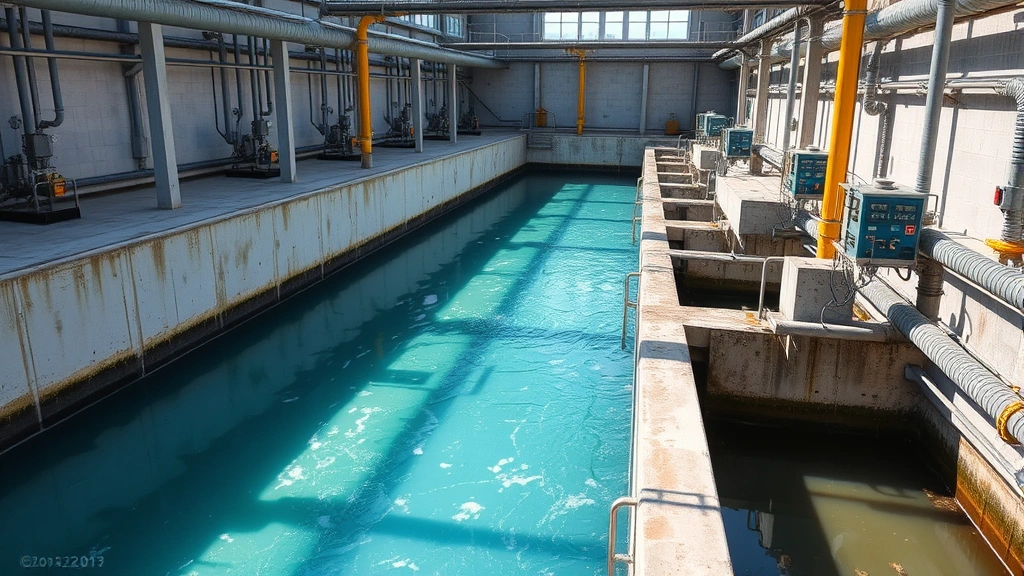
Industrial Cleaning’s Impact on Ecosystems: Study Insight
Industrial cleaning services represent a critical yet often overlooked intersection between economic productivity and environmental stewardship. As manufacturing facilities, processing plants, and industrial operations expand globally, the demand for specialized cleaning solutions has intensified dramatically. However, recent comprehensive studies reveal that conventional industrial cleaning practices generate significant ecological consequences that extend far beyond facility boundaries. Understanding these impacts requires examining the chemical compositions, disposal methodologies, and long-term environmental accumulation patterns associated with industrial cleaning operations.
The relationship between industrial cleaning and ecosystem degradation reflects broader patterns of how humans affect the environment through industrial processes. Organizations like ORTEC Environment Services Canada have begun pioneering approaches that integrate environmental protection with operational efficiency, demonstrating that ecological responsibility need not compromise industrial effectiveness. This article examines the multifaceted impacts of industrial cleaning on ecosystems, explores emerging sustainable alternatives, and analyzes the economic dimensions of environmentally conscious cleaning practices.

Chemical Composition and Aquatic Contamination
Industrial cleaning agents contain numerous synthetic compounds engineered for maximum efficacy in removing stubborn residues, oils, and contaminants from industrial equipment and surfaces. The primary active ingredients include surfactants, alkaline builders, chelating agents, and biocides—substances designed to disrupt microbial cell membranes and prevent bacterial growth. When these formulations enter aquatic ecosystems through wastewater discharge, stormwater runoff, or improper disposal, they initiate cascading ecological disruptions.
Research from the World Bank indicates that industrial cleaning chemicals account for approximately 8-12% of total industrial wastewater pollution in developed nations, with significantly higher percentages in regions with inadequate environmental regulations. Surfactants, particularly anionic and non-ionic varieties, demonstrate bioaccumulation potential and exhibit endocrine-disrupting properties in aquatic organisms. These compounds reduce surface tension in water bodies, diminishing oxygen transfer capacity and disrupting gill function in fish populations. Chelating agents such as EDTA (ethylenediaminetetraacetic acid) bind to essential minerals in aquatic environments, reducing bioavailability of calcium, magnesium, and iron for aquatic plants and organisms.
The human-environment interaction becomes particularly pronounced when industrial cleaning discharge reaches drinking water sources. Chlorinated compounds common in industrial disinfectants transform into dangerous trihalomethanes (THMs) during water treatment processes, compounds classified as probable human carcinogens. Phosphate-based builders, historically prevalent in industrial formulations, trigger eutrophication in receiving water bodies—excessive nutrient loading that stimulates algal blooms, depletes dissolved oxygen, and creates dead zones where aquatic life cannot survive.
Soil Degradation and Persistent Pollutants
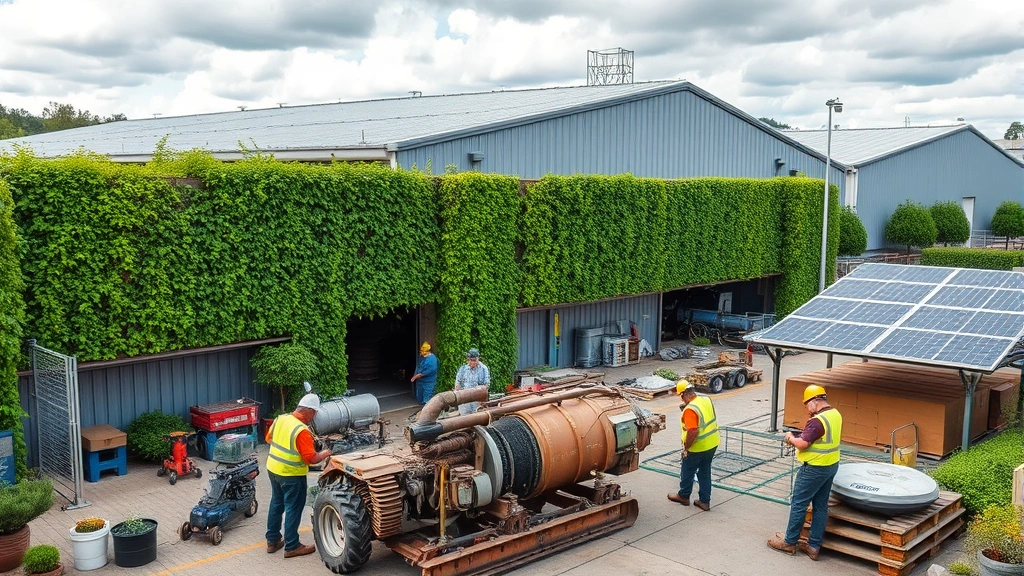
Beyond aquatic pathways, industrial cleaning chemicals contaminate soil systems through direct application, leachate from waste disposal sites, and atmospheric deposition. Persistent organic pollutants (POPs) contained in certain industrial cleaning formulations—including legacy compounds like perfluorinated substances (PFOS and PFOA)—demonstrate extraordinary environmental persistence, with half-lives extending across decades or centuries. These substances bioaccumulate through food chains, concentrating in apex predators and humans at levels thousands of times higher than environmental concentrations.
Soil microbiota, essential for nutrient cycling, carbon sequestration, and plant health, demonstrate extreme sensitivity to industrial cleaning chemical exposure. Bacterial communities responsible for nitrogen fixation and organic matter decomposition experience population collapse and functional impairment when exposed to alkaline cleaning solutions and biocidal agents. Research indicates that soil enzyme activity—a critical indicator of biological health—decreases by 40-70% in contaminated sites depending on chemical type and concentration. This enzymatic suppression cascades through soil food webs, reducing earthworm populations, nematode diversity, and fungal networks that facilitate plant nutrient acquisition.
Heavy metal contamination frequently accompanies industrial cleaning operations, particularly in facilities processing or manufacturing metal products. Chelating agents mobilize naturally immobilized heavy metals in soils, increasing their bioavailability and migration potential into groundwater. Cadmium, lead, chromium, and nickel—all documented contaminants in certain industrial cleaning formulations—persist indefinitely in soil systems, remaining toxic across multiple human generations. The definition of environment in science encompasses these complex interconnected systems where industrial activities create persistent, transgenerational consequences.
Air Quality and Atmospheric Impacts
Volatile organic compounds (VOCs) released during industrial cleaning operations contribute substantially to tropospheric ozone formation and secondary organic aerosol (SOA) development. Facilities utilizing solvent-based cleaning agents emit compounds including toluene, xylene, methylene chloride, and perchloroethylene (PCE)—substances that participate in atmospheric photochemical reactions generating ground-level ozone, a respiratory irritant affecting both human health and plant physiology. Chronic ozone exposure reduces photosynthetic efficiency in vegetation, diminishing carbon sequestration capacity and agricultural productivity.
The United Nations Environment Programme (UNEP) reports that industrial cleaning operations contribute 2-3% of total VOC emissions in industrialized regions, with concentrated impacts in manufacturing corridors. Aerosol formation from cleaning chemical reactions creates fine particulate matter (PM2.5) that penetrates deep into respiratory systems and crosses the blood-brain barrier, generating systemic inflammation. Ammonia releases from alkaline cleaning formulations interact with atmospheric nitrogen oxides, forming ammonium nitrate aerosols that reduce atmospheric visibility and modify cloud microphysics, potentially affecting precipitation patterns and regional climate systems.
Hazardous air pollutants (HAPs) including formaldehyde, methylene chloride, and glycol ethers—common industrial cleaning constituents—demonstrate carcinogenic and developmental toxicity potential. Worker exposure during application and facility residents proximate to industrial sites experience elevated health risks, though ecological impacts extend across broader geographic scales through atmospheric transport. Persistent atmospheric deposition of cleaning chemical residues occurs across ecosystems far removed from emission sources, contaminating pristine regions through long-range transboundary pollution pathways.
Biodiversity Loss and Habitat Disruption
The ecological consequences of industrial cleaning contamination manifest across multiple trophic levels and habitat types. Aquatic macroinvertebrates—sensitive indicators of water quality and ecosystem health—demonstrate population declines and community composition shifts in proximity to industrial cleaning discharge points. Mayflies, stoneflies, and caddisflies, organisms requiring high dissolved oxygen and chemical purity, disappear from contaminated stream segments, replaced by pollution-tolerant species like aquatic worms and certain chironomid populations. This biodiversity simplification reduces ecosystem resilience and functional redundancy, increasing vulnerability to environmental perturbations.
Fish populations experience reproductive impairment from endocrine-disrupting cleaning chemicals, manifesting as feminization of male organisms, reduced sperm production, and developmental abnormalities in larval stages. Amphibians, particularly sensitive to chemical contamination due to permeable skin and aquatic larval stages, demonstrate population declines in regions with industrial cleaning chemical exposure. Thyroid hormone disruption from cleaning chemical exposure impairs metamorphosis and increases susceptibility to fungal infections, contributing to global amphibian decline patterns.
Terrestrial ecosystems adjacent to industrial facilities experience phytotoxicity from soil and atmospheric contamination. Vegetation demonstrates reduced growth rates, altered leaf chemistry, and compromised photosynthetic capacity in contaminated zones. Pollinators including bees and butterflies experience reduced foraging success and reproductive output from contaminated floral resources, diminishing plant reproductive success and ecosystem productivity. The cumulative effect represents a profound ecological disruption extending across multiple ecosystem compartments and functional groups.
Economic Analysis of Sustainable Alternatives
From an ecological economics perspective, conventional industrial cleaning practices externalize substantial environmental costs onto society and future generations. The comprehensive analysis of environmental and sustainability topics reveals that true cost accounting including ecosystem service degradation, human health impacts, and long-term environmental remediation expenses substantially exceeds apparent financial savings from cheap conventional cleaning agents. Environmental economists estimate that industrial cleaning pollution generates $15-30 billion annually in uncompensated environmental damages across developed nations alone.
Sustainable cleaning alternatives—including enzymatic cleaners, plant-based surfactants derived from coconut or palm derivatives, biodegradable chelating agents, and mechanical cleaning technologies—demonstrate comparable or superior efficacy while eliminating persistent toxic residues. Life cycle assessment studies indicate that bio-based cleaning formulations, despite marginally higher upfront costs (typically 10-25% premium), generate net economic benefits when environmental externalities receive proper valuation. Organizations implementing green industrial cleaning protocols report 15-30% reductions in wastewater treatment expenses, decreased regulatory compliance costs, and enhanced workforce productivity from improved occupational health conditions.
The economic transition toward sustainable industrial cleaning represents a market opportunity estimated at $8-12 billion annually by 2030, with growth rates exceeding 12-15% annually across developed markets. Companies like ORTEC Environment Services Canada demonstrate that environmental responsibility integrates seamlessly with economic competitiveness. Clients investing in sustainable cleaning operations achieve measurable return on investment through reduced water consumption (40-60% reductions achievable), lower chemical inventory expenses, and diminished liability exposure from environmental contamination incidents. From a macroeconomic perspective, transitioning industrial cleaning practices aligns with circular economy principles and regenerative business models that decouple economic growth from resource depletion and environmental degradation.
Regulatory Framework and Compliance
Environmental regulatory frameworks governing industrial cleaning have evolved substantially over recent decades, reflecting growing scientific understanding of ecological impacts. The European Union’s REACH (Registration, Evaluation, Authorization, and Restriction of Chemicals) regulation establishes stringent requirements for chemical safety assessment and authorization of substances of very high concern, effectively eliminating numerous persistent toxic cleaning chemicals from EU markets. Similar regulatory mechanisms exist through Canada’s Canadian Environmental Protection Act (CEPA), which establishes mandatory assessment and risk management protocols for industrial chemicals including cleaning agents.
Water quality standards established under the Clean Water Act and analogous international frameworks establish maximum contaminant levels for substances common in industrial cleaning formulations. However, regulatory standards frequently reflect political compromise rather than ecological protection thresholds, often permitting contamination levels that generate measurable ecosystem degradation. Emerging regulatory approaches including narrative water quality standards and ecological risk assessment frameworks provide more scientifically rigorous environmental protection, though implementation remains inconsistent across jurisdictions.
Compliance costs associated with stringent environmental regulations incentivize innovation in sustainable cleaning technologies and formulation chemistry. Organizations exceeding baseline regulatory requirements through voluntary environmental management systems achieve competitive advantages through enhanced brand reputation, access to premium market segments, and reduced long-term liability exposure. The regulatory landscape increasingly rewards proactive environmental leadership, creating economic incentives aligned with ecological protection.
Best Practices for Ecosystem-Conscious Cleaning
Industrial facilities committed to minimizing ecological impacts implement comprehensive cleaning protocols integrating technological innovation, chemical reformulation, and operational restructuring. High-pressure water cleaning systems utilizing minimal chemical additives reduce chemical intensity while maintaining cleaning efficacy through mechanical action. Ultrasonic cleaning technologies, electrolytic cleaning processes, and enzymatic formulations offer powerful alternatives to conventional chemical-intensive approaches, particularly for precision industrial applications.
Closed-loop wastewater management systems capture, treat, and recycle cleaning effluent, eliminating environmental discharge while recovering valuable water resources. Advanced oxidation processes, membrane filtration, and activated carbon adsorption effectively remove persistent organic pollutants and heavy metals before environmental release. Source reduction strategies—including equipment redesign to minimize contamination accumulation and process optimization to reduce cleaning frequency—address root causes rather than treating symptoms.
Biodegradable and readily degradable cleaning formulations derived from renewable resources eliminate persistent toxic residues that accumulate across environmental compartments. Plant-based surfactants, essential oil-derived solvents, and chelating agents derived from naturally occurring compounds like citric acid and gluconic acid provide effective cleaning performance while remaining compatible with natural ecosystem processes. Third-party certification programs including Green Seal, EcoLogo, and Cradle to Cradle provide transparent verification of cleaning product environmental credentials.
Worker training programs emphasizing proper chemical handling, spill prevention, and waste minimization protocols reduce accidental releases and occupational exposures. Integration of environmental performance metrics into facility management systems—including wastewater quality monitoring, soil contamination surveys, and ecosystem health assessments—enables adaptive management and continuous improvement. Collaboration with environmental consultants and ecological monitoring specialists provides scientific guidance for facility-specific optimization strategies aligned with local ecosystem characteristics and conservation priorities.
FAQ
What specific chemicals in industrial cleaners harm ecosystems most severely?
Persistent organic pollutants including perfluorinated compounds (PFOS/PFOA), certain biocides, and heavy metal chelating agents demonstrate the greatest ecological harm due to bioaccumulation, endocrine disruption, and environmental persistence. Surfactants and phosphate builders trigger aquatic eutrophication and oxygen depletion, while volatile organic compounds contribute to atmospheric pollution and ozone formation affecting terrestrial vegetation.
How can industrial facilities reduce cleaning-related environmental impacts?
Implementation of closed-loop wastewater systems, transition to biodegradable formulations, mechanical cleaning technologies, equipment redesign to minimize contamination, worker training programs, and comprehensive environmental monitoring provide integrated approaches. Organizations should prioritize source reduction strategies addressing root causes while transitioning to certified sustainable cleaning products.
What regulatory standards govern industrial cleaning chemical discharge?
Standards vary by jurisdiction but typically include water quality regulations under Clean Water Act analogues, REACH requirements in Europe, CEPA assessments in Canada, and provincial/state-specific contamination thresholds. Emerging narrative standards and ecological risk assessments provide more rigorous protection than traditional concentration-based limits, though implementation remains inconsistent globally.
Do sustainable cleaning alternatives provide equivalent performance to conventional products?
Extensive research and industrial application demonstrate that modern sustainable cleaning formulations provide equivalent or superior performance across most applications. Life cycle assessments indicate net economic benefits when environmental externalities receive proper valuation, with clients typically achieving 15-30% cost reductions through improved operational efficiency and reduced regulatory compliance expenses.
How does industrial cleaning pollution affect human health?
Drinking water contamination, occupational exposures, and atmospheric deposition of cleaning chemical residues generate carcinogenic, reproductive, developmental, and immunological health impacts. Endocrine-disrupting substances affect thyroid function, reproductive development, and metabolic regulation, with particular vulnerability during critical developmental windows in utero and during early childhood.


