Do Green Investments Boost GDP? Economist Insights
The intersection of environmental sustainability and economic growth has become one of the most debated questions in modern economics. Policymakers, investors, and economists worldwide grapple with a fundamental question: can investments in green technologies, renewable energy, and sustainable infrastructure actually stimulate GDP growth, or do they represent a trade-off between environmental protection and economic prosperity? Recent empirical evidence suggests that this is not an either-or proposition. Rather, strategic green investments increasingly demonstrate measurable positive effects on gross domestic product while simultaneously reducing environmental degradation.
Understanding the relationship between green investments and GDP requires examining multiple dimensions: direct economic stimulus, job creation, technological innovation, market transformation, and long-term productivity gains. This comprehensive analysis synthesizes recent research from leading economic institutions, explores empirical case studies, and considers the mechanisms through which environmental investments generate tangible economic returns. The evidence overwhelmingly indicates that green investments can and do boost GDP when properly structured and implemented within supportive policy frameworks.
The Economic Case for Green Investments
The traditional paradigm suggesting that environmental protection inherently constrains economic growth has been substantially challenged by contemporary economic analysis. Green investments—defined as capital expenditures in renewable energy, energy efficiency, sustainable agriculture, ecosystem restoration, and clean technology—increasingly function as genuine economic stimuli rather than mere regulatory burdens.
According to World Bank research on green growth, nations investing substantially in clean energy infrastructure have experienced GDP growth rates comparable to or exceeding those of traditional energy-dependent economies. The multiplier effect of green investments operates through several channels: initial capital spending generates demand for labor and materials, workers spend wages in local economies, suppliers expand operations, and entire supply chains activate. Understanding human environment interaction becomes essential when analyzing how economic systems respond to environmental constraints and opportunities.
The International Monetary Fund and UNEP reports document that green stimulus spending produces economic multipliers ranging from 1.5 to 2.5 times the initial investment, comparable to or exceeding traditional infrastructure spending. This means that a $1 billion investment in renewable energy infrastructure generates $1.5 to $2.5 billion in total economic activity. These returns accrue through both direct expenditures and secondary economic effects as money circulates through supply chains and consumer spending.

Mechanisms of GDP Growth Through Environmental Investment
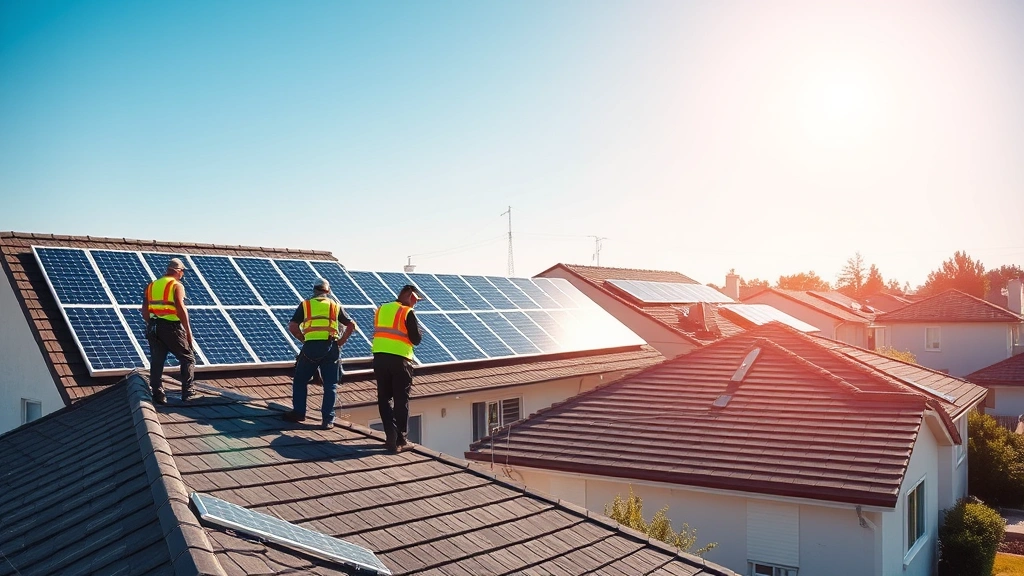
Green investments stimulate GDP through multiple interconnected mechanisms that operate simultaneously across the economy. First, the direct production effect occurs when manufacturers, engineers, and construction workers create renewable energy systems, energy-efficient buildings, and clean technology infrastructure. This production directly contributes to GDP as measured by the value of goods and services produced.
Second, the substitution effect emerges as green investments replace traditional energy expenditures. When households and businesses install solar panels or improve building insulation, they reduce ongoing energy payments to fossil fuel providers. These freed resources redirect toward other consumption and investment activities that generate additional economic activity. This dynamic particularly benefits developing economies where energy costs consume substantial portions of household and business budgets.
Third, the productivity enhancement effect operates as clean technologies improve operational efficiency. Energy-efficient manufacturing processes reduce input costs, renewable-powered operations eliminate volatile fuel price exposure, and ecosystem restoration improves agricultural yields. These productivity gains translate directly into expanded output and profitability, increasing GDP while simultaneously reducing environmental pressures.
Fourth, the export and competitive advantage effect emerges as nations developing green technology leadership capture global markets. Germany’s renewable energy sector, China’s solar manufacturing dominance, and Denmark’s wind technology exports demonstrate how green investments create internationally competitive industries. These export sectors generate foreign currency inflows and high-value employment opportunities.
Understanding definition of environment science helps clarify how economic models incorporate environmental variables into standard GDP calculations. Modern ecological economics increasingly recognizes that traditional GDP measurements undercount returns from environmental restoration by failing to account for ecosystem service values, avoided pollution costs, and improved public health outcomes.
Global Evidence and Case Studies
Empirical evidence from multiple continents demonstrates consistent positive correlations between green investment and GDP growth. The European Union’s renewable energy expansion illustrates these dynamics comprehensively. Between 2010 and 2023, EU renewable energy investment exceeded €1.5 trillion while GDP grew consistently. Renewable energy sectors created approximately 1.3 million direct jobs while improving air quality, reducing healthcare costs, and enhancing industrial competitiveness.
South Korea’s green new deal provides another instructive example. Implemented during the 2008-2009 financial crisis, South Korea’s €28 billion green stimulus package supported renewable energy development, energy efficiency retrofits, and ecological restoration. The program generated GDP growth of 2.3% annually during the stimulus period while creating 960,000 jobs and reducing energy import dependency by 15%.
Costa Rica’s renewable energy transition demonstrates long-term GDP compatibility with environmental objectives. By 2023, renewable sources generated 99% of Costa Rica’s electricity while maintaining consistent GDP growth averaging 2.8% annually over two decades. The transition created competitive advantages in ecotourism, attracted international green technology investment, and stabilized energy prices.
China’s renewable energy investments, exceeding $500 billion cumulatively, have generated substantial employment in manufacturing, installation, and maintenance while supporting GDP growth. These investments positioned China as the dominant global renewable technology producer, capturing enormous export market share and creating competitive advantages in emerging green technology sectors.
The International Energy Agency documents that renewable energy sectors consistently generate higher employment per dollar invested compared to fossil fuel industries. This employment intensity multiplies economic stimulus effects across local communities, particularly in rural regions where manufacturing and installation activities concentrate.
Job Creation and Labor Market Effects
Green investments generate employment across multiple skill levels and geographic locations. Renewable energy installation, energy auditing, weatherization, ecological restoration, and sustainable agriculture all require substantial labor inputs that cannot be offshored. These activities concentrate in local communities, creating multiplier effects as workers spend wages locally.
The employment intensity of green sectors exceeds traditional energy infrastructure substantially. Solar installation requires 5-10 times more labor per megawatt than coal power plants. Wind farm development, energy efficiency retrofitting, and ecosystem restoration similarly demonstrate labor-intensive characteristics. A $1 billion renewable energy investment generates 7,000-10,000 job-years compared to 2,000-3,000 job-years for equivalent fossil fuel infrastructure.
Green job creation particularly benefits workers without advanced degrees, offering pathways to middle-class employment. Energy auditors, weatherization technicians, solar installers, and ecological restoration workers typically require high school diplomas and vocational training rather than four-year degrees. This employment structure addresses income inequality while building skilled workforces in economically disadvantaged regions.
Long-term employment sustainability in green sectors exceeds fossil fuel industries. Renewable energy operations require ongoing maintenance, technological upgrades, and system optimization, creating permanent employment. Fossil fuel industries, by contrast, face structural decline as global energy transitions accelerate, creating employment instability and stranded worker populations.
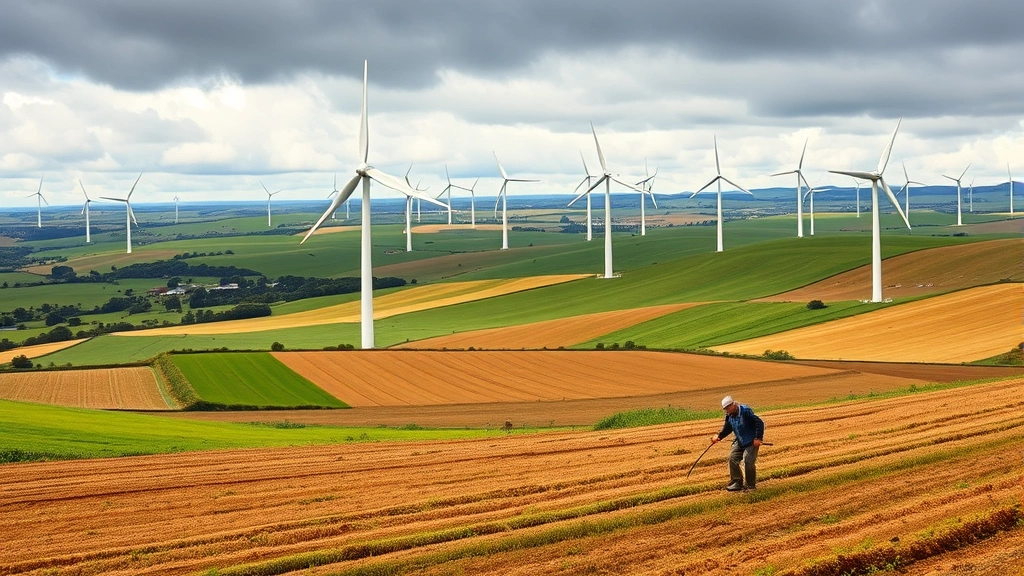
Regional economic development improves substantially through green investment concentration. Rural communities hosting wind farms, solar installations, and ecological restoration projects experience income growth, business expansion, and improved public services funded by increased tax revenues. This geographic diversification of economic opportunity reduces regional inequality and strengthens overall economic resilience.
Innovation and Technological Spillovers
Green investments catalyze technological innovation that generates economy-wide productivity improvements exceeding direct environmental benefits. Research and development in renewable energy, battery technology, energy efficiency, and sustainable materials produces innovations that diffuse throughout the economy, enhancing productivity across multiple sectors.
Battery technology advancement illustrates these spillover effects. Investments in lithium-ion battery development for renewable energy storage and electric vehicles have reduced battery costs by 90% since 2010, enabling applications far beyond energy storage. These cost reductions facilitate medical device improvements, consumer electronics innovation, and emerging technologies dependent on advanced battery systems.
Photovoltaic cell efficiency improvements demonstrate similar patterns. Decades of renewable energy investment increased solar cell efficiency from 6% to 23%, simultaneously reducing manufacturing costs by 99%. These improvements enabled solar integration into building materials, portable devices, and emerging applications impossible with earlier technology generations. The productivity improvements extend across construction, electronics, and consumer goods industries.
Smart grid technology development, driven by renewable energy integration requirements, generates applications throughout the economy. Demand response systems, real-time energy management, and distributed energy networks improve efficiency in manufacturing, transportation, and services sectors far beyond electricity distribution. These technologies enable business model innovations, enhance competitiveness, and create entirely new industries.
How sustainable practices integrate into how humans affect the environment demonstrates that technological innovation provides mechanisms for decoupling economic growth from environmental degradation. As green investments drive technological advancement, production becomes progressively less resource-intensive and pollution-generating per unit of output.
Long-Term Productivity and Competitiveness
Beyond immediate stimulus effects, green investments enhance long-term productivity and international competitiveness. Nations and regions establishing leadership in clean technology sectors capture disproportionate global market share, generating sustained competitive advantages and premium export markets.
Energy cost stability improves substantially through renewable energy transition. Fossil fuel price volatility creates business uncertainty, constrains investment planning, and transfers wealth to commodity exporters. Renewable energy, with minimal marginal operating costs, enables energy price predictability, facilitates long-term business planning, and retains wealth within consuming economies. This stability improvement particularly benefits capital-intensive industries dependent on reliable, predictable energy costs.
Labor productivity improvements emerge from reduced environmental degradation. Air pollution, water contamination, and soil degradation impose substantial health costs, reducing worker productivity and increasing medical expenditures. Environmental remediation through green investments improves public health, reduces absenteeism, and increases productive capacity. Studies estimate that reducing air pollution to WHO standards increases labor productivity by 2-5% across affected populations.
Supply chain resilience strengthens through distributed renewable energy systems. Traditional centralized fossil fuel infrastructure creates vulnerability to supply disruptions, price shocks, and geopolitical tensions. Decentralized renewable systems enable energy independence, enhance business continuity, and reduce supply chain fragility. This resilience improvement particularly benefits developing nations reducing dependence on energy imports.
International competitiveness improves as green technology becomes global competitive requirement. Early adopters establish technological leadership, capture export markets, and attract international investment. Nations delaying green transitions face increasing competitive disadvantages as clean technology becomes industrial standard and environmental regulations tighten globally. Early green investment generates first-mover advantages with compounding returns across decades.
Challenges and Implementation Barriers
Despite compelling evidence supporting green investments’ GDP contributions, substantial barriers impede optimal implementation. Upfront capital requirements for renewable energy infrastructure, energy efficiency retrofits, and ecosystem restoration exceed fossil fuel alternatives, despite lower lifetime costs. This capital intensity creates financing challenges, particularly for developing nations and capital-constrained businesses.
Transitional employment disruption affects fossil fuel workers and communities dependent on traditional energy sectors. While green investments create net employment gains, geographic and occupational mismatches create hardship for displaced workers. Successful green transitions require substantial investment in workforce retraining, income support, and community economic diversification to ensure equitable distribution of transition benefits.
Grid infrastructure modernization requirements impose substantial costs preceding renewable energy benefits realization. Smart grid development, energy storage systems, and transmission infrastructure upgrades require coordinated investment across multiple actors, creating coordination challenges and upfront expenditures before revenue streams emerge.
Policy uncertainty undermines green investment by creating unpredictable returns and regulatory risk. Inconsistent renewable energy subsidies, changing environmental regulations, and political opposition create investment volatility that increases capital costs and deters institutional investment. Stable, long-term policy frameworks substantially improve green investment returns.
Measurement and attribution challenges complicate green investment assessment. Traditional GDP accounting fails to capture ecosystem service values, pollution cost reductions, and health improvements from environmental investments. This measurement gap causes systematic underestimation of green investment returns, potentially biasing policy decisions toward underinvestment in environmental improvements.
Policy Frameworks for Maximizing Returns
Optimal policy frameworks for maximizing green investment returns integrate multiple complementary instruments. Carbon pricing mechanisms—whether through carbon taxes or cap-and-trade systems—internalize environmental costs, making green alternatives economically competitive. OECD climate action research documents that carbon pricing substantially accelerates green investment while generating government revenues supporting broader climate objectives.
Research and development subsidies accelerate technological advancement, reducing green technology costs and expanding application possibilities. Public investment in fundamental research generates spillover benefits exceeding private returns, justifying government support. Successful programs combine basic research funding with commercialization support, enabling technology transfer from laboratories to markets.
Green procurement policies amplify market demand for clean technologies, enabling economies of scale and cost reductions. Government purchasing of renewable energy, electric vehicles, and energy-efficient buildings creates stable demand supporting industry development. These procurement policies particularly benefit emerging technologies with high initial costs but substantial long-term cost reduction potential.
Workforce development programs ensure that green employment opportunities reach disadvantaged populations, distributing transition benefits equitably. Apprenticeships, vocational training, and community college programs in renewable energy, energy efficiency, and ecological restoration create middle-class employment pathways while building skilled workforces.
Infrastructure investment coordination ensures that complementary systems develop simultaneously. Renewable energy deployment requires concurrent grid modernization, energy storage development, and transmission expansion. Coordinated planning prevents bottlenecks and ensures efficient capital deployment across interconnected systems.
Strategies for how to reduce carbon footprint extend beyond individual behavior to systemic policy frameworks enabling collective environmental improvement. Effective policies create economic incentives aligning individual and organizational interests with environmental objectives, generating win-win outcomes where environmental protection enhances rather than constrains economic prosperity.
International cooperation amplifies green investment returns through technology transfer, knowledge sharing, and coordinated climate action. Multilateral development banks increasingly channel capital toward green projects, enabling developing nations to access clean technology without fossil fuel lock-in. Technology transfer agreements accelerate green innovation diffusion across national borders, multiplying returns on research and development investments.
Sustainable business practices integration into corporate strategy demonstrates how sustainable fashion brands and other sectors create competitive advantages through environmental stewardship. Companies embracing sustainability increasingly capture market share, attract capital at lower costs, and achieve superior financial performance. This market-driven sustainability integration complements policy frameworks, creating mutually reinforcing dynamics accelerating green economic transition.
FAQ
Do green investments guarantee GDP growth?
Green investments do not guarantee GDP growth but substantially increase growth probability when implemented within supportive policy frameworks. Evidence demonstrates that well-designed green investments generate positive economic returns comparable to or exceeding traditional infrastructure. However, poorly designed programs lacking complementary policies, workforce development, and technology support may fail to deliver expected returns. Success requires integrated policy approaches combining investment with regulatory reform, technological innovation support, and workforce development.
How long does it take for green investments to generate GDP returns?
Green investments generate returns across multiple timeframes. Immediate stimulus effects emerge within months as construction spending and employment creation begin. Operational phase returns develop within 2-5 years as renewable energy systems generate revenues and energy cost savings accumulate. Long-term productivity improvements and technological spillovers extend across 10-30 year horizons as innovations diffuse throughout the economy. This multi-horizon return structure resembles traditional infrastructure investment, which similarly generates immediate stimulus, medium-term operational returns, and long-term productivity improvements.
Which green investments generate the highest GDP returns?
Research indicates that renewable energy infrastructure, energy efficiency retrofits, and ecosystem restoration generate among the highest GDP multipliers. Renewable energy projects produce multipliers of 1.5-2.5 times initial investment, while energy efficiency improvements generate multipliers of 1.7-2.3 times. Ecosystem restoration projects demonstrate similar multiplier ranges while generating additional benefits through improved water quality, biodiversity protection, and climate resilience. Investment selection should consider local conditions, existing infrastructure, workforce skills, and complementary policy frameworks.
How do green investments affect employment differently than traditional infrastructure?
Green investments generate substantially higher employment per dollar invested compared to traditional fossil fuel infrastructure. Solar and wind installations require 5-10 times more labor than coal power plants, while energy efficiency retrofitting and ecological restoration demonstrate similar labor intensity. Additionally, green sector employment concentrates in local communities, maximizing multiplier effects. These employment characteristics make green investments particularly attractive for regions seeking to diversify economies and develop skilled workforces.
What policies maximize green investment GDP returns?
Optimal policy combinations include carbon pricing mechanisms internalizing environmental costs, research and development subsidies accelerating innovation, green procurement policies creating stable demand, workforce development programs ensuring broad employment access, and infrastructure coordination ensuring complementary system development. International cooperation through technology transfer agreements and multilateral development bank financing amplifies returns in developing nations. Policy stability and long-term commitment prove essential, as investment uncertainty substantially reduces expected returns and increases capital costs.
Can developing nations afford green investments?
Developing nations can increasingly afford green investments through international financing mechanisms, technology transfer agreements, and declining clean technology costs. Multilateral development banks, green climate funds, and bilateral development assistance increasingly prioritize green infrastructure, enabling developing nations to access capital. Simultaneously, renewable energy costs have declined 90% for solar and 70% for wind over the past decade, making clean energy competitive with fossil fuels in most markets. Leapfrogging fossil fuel infrastructure by deploying clean technology from the outset often costs less than retrofitting existing systems.


