Can Economic Growth Harm Ecosystems? Study Insights
The relationship between economic expansion and environmental degradation has emerged as one of the most pressing questions in contemporary policy debates. Recent research demonstrates that unchecked economic growth frequently correlates with significant ecosystem damage, resource depletion, and biodiversity loss. This paradox—where societies become wealthier while natural systems deteriorate—challenges fundamental assumptions about sustainable development and requires urgent reconsideration of how we measure progress.
Understanding the mechanisms through which economic activities impact ecosystems is essential for policymakers, investors, and citizens alike. Evidence from global case studies reveals patterns of environmental harm spanning deforestation, ocean acidification, soil degradation, and species extinction. Yet the relationship is not uniformly deterministic; some economies have decoupled growth from environmental damage through innovation and policy intervention. This article examines recent scientific findings, economic data, and emerging solutions that illuminate this complex nexus.
The Economic Growth-Ecosystem Damage Paradox
For decades, economists and policymakers pursued GDP expansion as the primary indicator of societal success. This metric, however, fails to account for natural capital depletion, environmental costs, or ecosystem services degradation. A World Bank analysis found that when adjusted for environmental losses, many nations’ genuine economic progress is substantially lower than reported GDP figures suggest.
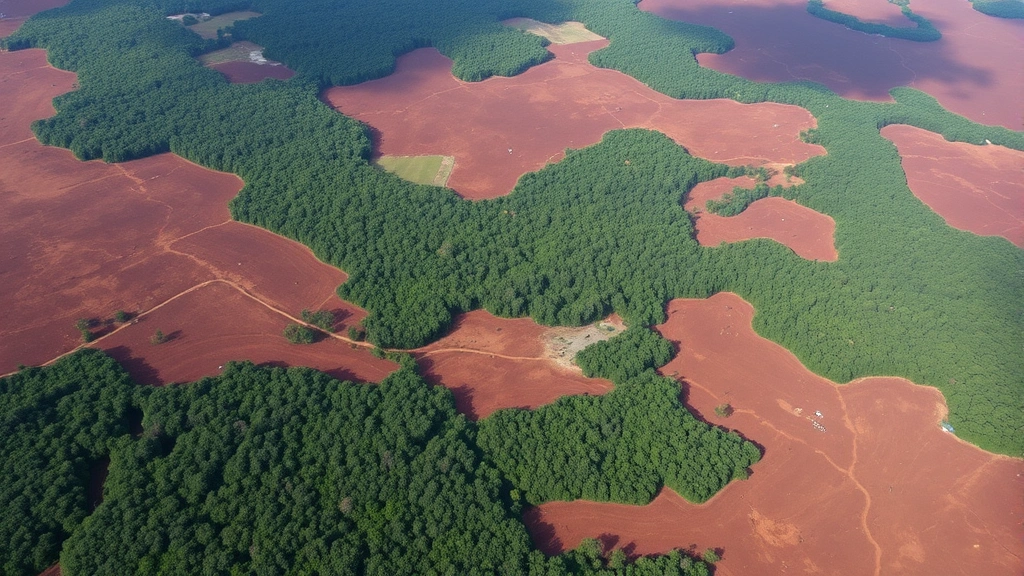
The fundamental tension arises from how economic systems value nature. Ecosystems provide services—pollination, water filtration, climate regulation, nutrient cycling—worth trillions annually, yet markets assign them zero price. When a forest is cleared for agriculture, GDP increases through timber sales and farm output, while the loss of carbon sequestration, biodiversity habitat, and watershed protection goes uncounted. This accounting failure incentivizes ecosystem destruction.
Recent studies demonstrate that this isn’t merely a measurement problem. The physical extraction of resources, industrial pollution, and land-use conversion inherent to growth-driven economies directly damage ecological systems. Understanding definition of environment science becomes crucial here—environments are integrated systems where disruption cascades through multiple trophic levels and biogeochemical cycles.
Mechanisms of Environmental Harm
Economic growth mechanisms translate into ecosystem damage through several interconnected pathways. The most direct involves resource extraction—mining, logging, fishing, and agricultural expansion convert natural ecosystems into commodity production systems. A study published in Nature Sustainability found that commodity production drives 80% of global deforestation, with economic incentives overwhelming conservation efforts.
Industrial agriculture exemplifies this dynamic. Expansion of croplands and pastures accounts for approximately 77% of global land use while producing only 23% of caloric output. The process involves:
- Conversion of biodiverse ecosystems into monocultures
- Synthetic fertilizer runoff creating dead zones in aquatic systems
- Pesticide application reducing pollinator populations by 75% in some regions
- Soil degradation reducing productive capacity for future generations
- Groundwater depletion exceeding natural recharge rates
Energy production for economic activity remains predominantly fossil-fuel dependent globally. Combustion releases greenhouse gases, fundamentally altering atmospheric chemistry and climate patterns. This creates cascading ecological disruptions: shifting precipitation patterns, ocean acidification, coral bleaching, and range shifts for species unable to adapt quickly enough. The IPCC synthesis reports link 1.1°C of warming directly to human economic activity, with projections of 2-3°C by 2100 under current growth trajectories.
Manufacturing and industrial processes generate persistent pollution. Microplastics now permeate marine ecosystems from surface waters to abyssal trenches. Industrial chemicals bioaccumulate in food webs, concentrating in apex predators and humans. Heavy metals from mining contaminate soil and water for centuries. These externalities—costs borne by ecosystems and future generations rather than producers—represent massive hidden subsidies to polluting industries.
Understanding human environment interaction reveals how economic systems amplify these effects through feedback loops. Population growth driven by economic expansion increases total resource consumption. Wealthier populations consume more per capita. Economic specialization concentrates environmental impacts in specific regions while distributing benefits globally, creating environmental injustice.
Global Evidence and Case Studies
Empirical data from multiple continents demonstrates consistent patterns. The Amazon rainforest, Earth’s largest terrestrial carbon sink and biodiversity reservoir, experiences accelerating deforestation driven by cattle ranching and soy cultivation—both economically lucrative. Deforestation rates increased 64% in 2022 compared to 2021, directly correlating with commodity price increases and economic expansion in neighboring regions.
Southeast Asian palm oil expansion illustrates the same dynamic. Economic growth in Indonesia and Malaysia increased palm oil production 600% since 2000. This generated substantial GDP growth and investor returns while destroying orangutan habitat, peatland carbon stores, and indigenous land rights. The economic benefits concentrated among corporations and wealthy individuals, while ecosystem costs distributed across global climate systems and vulnerable populations.
Marine fisheries demonstrate ecosystem collapse driven by economic incentives. Industrial fishing fleets, economically efficient at extracting maximum biomass, depleted 34% of fish stocks to unsustainable levels. The economic logic—maximize annual catch to maximize revenue—produces biological collapse. Fisheries economists recognize that economically rational individual decisions create collectively irrational outcomes, a tragedy-of-the-commons dynamic repeated across resource systems.
Freshwater systems show similar patterns. The Aral Sea, once the world’s fourth-largest lake, virtually disappeared due to irrigation expansion for cotton cultivation—an economically profitable crop that generated growth in Central Asian economies while destroying an entire ecosystem. The Ganges, Yangtze, and Mississippi rivers face comparable pressures from agricultural, industrial, and urban economic expansion.
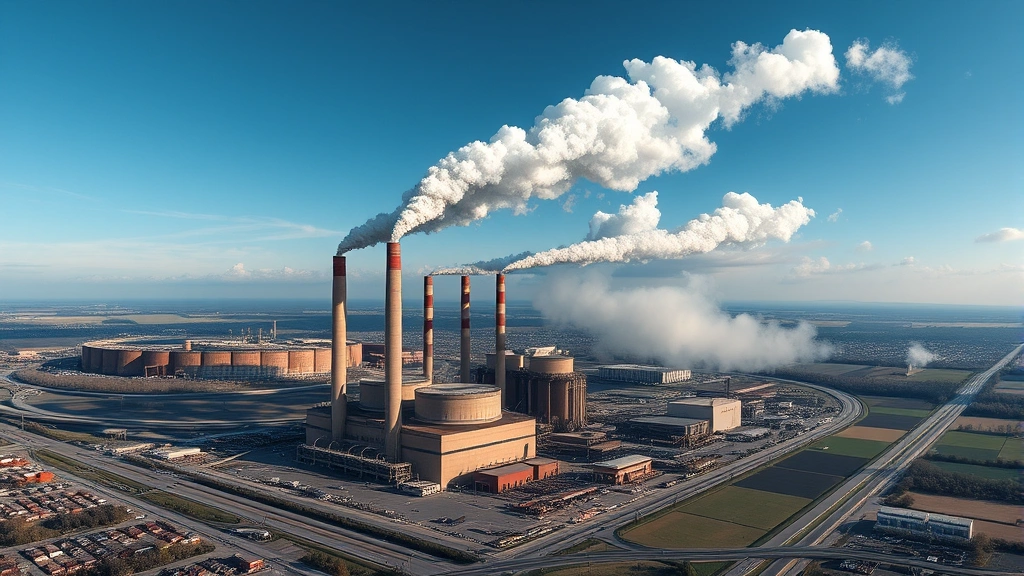
China’s economic transformation offers instructive evidence. GDP expanded 40-fold since 1980, lifting 800 million from poverty—a genuine achievement. Simultaneously, air pollution in major cities reached levels hazardous to human health, water quality degraded across major river systems, and soil contamination affected 19.4% of agricultural land. The economic growth and environmental damage occurred simultaneously and causally connected through industrial expansion.
Developing nations face particular pressures. Debt obligations and IMF structural adjustment programs frequently mandate resource extraction and agricultural expansion to generate foreign exchange. Economic growth becomes necessary for debt servicing, yet growth mechanisms damage the natural capital these economies depend upon. This creates a debt-trap dynamic where short-term economic expansion undermines long-term ecological and economic stability.
The Decoupling Debate
Some economists argue that technological innovation and policy can decouple economic growth from environmental damage. They point to improvements in energy efficiency, renewable energy deployment, and reduced emissions intensity in wealthy nations as evidence. The European Union reduced emissions 35% since 1990 while growing GDP 60%—apparent decoupling.
However, critical analysis reveals partial decoupling rather than absolute decoupling. Wealthy nations reduced domestic environmental impact partly by outsourcing manufacturing to developing countries. When consumption-based carbon accounting includes embodied emissions from imported goods, European emissions decline only 5% despite GDP growth. True decoupling—absolute environmental improvement with economic expansion—remains largely theoretical.
Furthermore, relative decoupling (emissions growing slower than GDP) differs fundamentally from absolute decoupling (emissions declining while GDP grows). Current global emissions continue rising, indicating no decoupling at planetary scale. Renewable energy deployment, while necessary, hasn’t reduced fossil fuel consumption—it’s added to total energy supply. Rebound effects mean efficiency improvements reduce energy costs, increasing consumption, partially offsetting efficiency gains.
Research on material throughput shows similar patterns. While wealthy nations reduced domestic material extraction, global material extraction accelerated 4-fold since 1980. Recycling, promoted as a decoupling solution, typically recycles only 9% of global materials. The fundamental constraint remains: a global economy based on perpetual growth and material throughput cannot operate within planetary boundaries.
This connects to broader questions about how do humans affect the environment through economic structures. The issue isn’t individual consumption choices but systemic incentives built into growth-dependent economies.
Policy Frameworks and Solutions
Addressing the growth-ecosystem damage nexus requires fundamental economic restructuring. Several frameworks have emerged:
Natural Capital Accounting involves measuring ecosystem services and incorporating them into national accounts. The UN Environment Programme supports natural capital protocols enabling countries to track genuine wealth including natural and human capital. Costa Rica implemented this approach, discovering that true wealth increased despite lower GDP growth when environmental assets were counted.
Circular Economy Models
Ecological Economics
Strong environmental regulations prove essential. Nations implementing strict pollution controls, protected area networks, and resource extraction limits experienced slower growth but greater long-term stability. Costa Rica, investing heavily in reforestation and protected areas while limiting extractive industries, achieved higher quality-of-life indicators than faster-growing regional peers.
Carbon pricing mechanisms attempt to internalize climate costs through taxes or cap-and-trade systems. While theoretically sound, implementation reveals challenges. Carbon prices remain below levels needed to drive substantial emission reductions. Exemptions for politically powerful industries undermine effectiveness. Without complementary regulations and technology investment, carbon pricing alone proves insufficient.
Degrowth and Post-Growth Economics
Exploring how to reduce carbon footprint at systemic levels requires policies beyond individual action. This includes renewable energy transition, public transportation investment, agricultural system transformation, and circular material flows. The World Bank estimates transitioning to sustainable economies requires $1.5-2 trillion annual investment, yet current green investment remains below $500 billion annually.
Future Pathways Forward
The evidence increasingly suggests that within planetary boundaries, unlimited economic growth is impossible. The question becomes not whether growth must eventually stop, but whether transition occurs through planned policy or ecological collapse. Planned transition offers possibilities for maintaining living standards and wellbeing while reducing environmental impact.
Successful transitions require:
- Redefining Progress: Moving beyond GDP to wellbeing metrics capturing health, education, equality, and environmental quality. New Zealand and Bhutan adopted wellbeing frameworks, finding that maximizing wellbeing doesn’t require maximizing growth.
- Restructuring Energy Systems: Rapid transition from fossil fuels to renewables, paired with demand reduction through efficiency and lifestyle changes. This represents the largest economic restructuring since industrialization.
- Transforming Agriculture: Shifting from industrial monoculture to regenerative, biodiverse systems that restore soil health, sequester carbon, and support rural livelihoods. This requires policy support and research investment currently directed toward industrial agriculture.
- Protecting Ecosystems: Establishing protected area networks encompassing 50% of global land and ocean, maintaining ecosystem integrity and carbon stores. This requires compensating communities dependent on extractive resource use.
- Technological Innovation: Developing sustainable alternatives for current resource-intensive processes. This includes improved batteries, green hydrogen, lab-grown materials, and carbon removal technologies.
- International Cooperation: Addressing transboundary environmental issues through binding agreements with enforcement mechanisms. Current voluntary frameworks prove insufficient.
Understanding these pathways connects to foundational concepts in environment science and ecological economics. The biosphere operates within physical limits; economic systems must align with these constraints rather than attempting to transcend them through technological optimism.
Recent research from ecological economics journals demonstrates that wealthy nations can maintain or improve living standards while reducing material throughput 50-80%. This requires deliberate policy choices, technology investment, and cultural shifts away from consumption-based identity. The transition proves economically feasible but politically challenging given entrenched interests in current systems.
The scientific consensus clarifies that economic growth as currently practiced is incompatible with ecosystem preservation. Future economic systems must operate within planetary boundaries while meeting human needs. Whether transition occurs through planned policy or ecological constraint remains the central question of our era.
For additional perspective on economic-environmental relationships, see the Nature Sustainability research on commodity-driven deforestation and Ecological Economics journal for peer-reviewed analysis of sustainable economic frameworks.
FAQ
Does all economic growth harm ecosystems?
Not necessarily. Growth in renewable energy, sustainable agriculture, healthcare, and education can improve wellbeing with minimal environmental impact. The problem is growth in resource extraction, fossil fuel combustion, and material throughput. Most current growth comes from these environmentally damaging sectors, making aggregate growth predominantly harmful at present.
Can technology solve this problem without reducing growth?
Technological improvements help but face fundamental limits. Efficiency gains trigger rebound effects where cost reductions increase consumption. Renewable energy deployment hasn’t reduced fossil fuel use—it’s added to total energy supply. Technology is necessary but insufficient without demand reduction and systemic restructuring.
What about developing countries needing growth to reduce poverty?
Developing nations require resource access to meet basic needs, a legitimate claim. However, wealthy nations already consume 80% of global resources despite being 12% of population. Sustainable development requires wealthy nations reducing consumption, creating ecological space for development in poorer regions. This differs fundamentally from current growth patterns where wealthy nations expand while developing nations remain impoverished.
How can economies transition without economic collapse?
Planned transition through policy intervention differs fundamentally from collapse. Governments can invest in renewable energy, public transportation, healthcare, and education while reducing extractive industries. Employment shifts from extraction to regeneration. This occurred during post-war industrial transitions. The challenge is political will, not economic feasibility.
Is degrowth realistic politically?
Currently, degrowth lacks political support in wealthy nations where growth benefits concentrated populations. However, ecological constraints will eventually force transition. The question becomes whether transition occurs through deliberate policy or ecological collapse. Increasing climate impacts, resource scarcity, and biodiversity loss make planned transition increasingly realistic as alternatives prove catastrophic.


