New York’s Ecosystem Economy: Analyst Insights
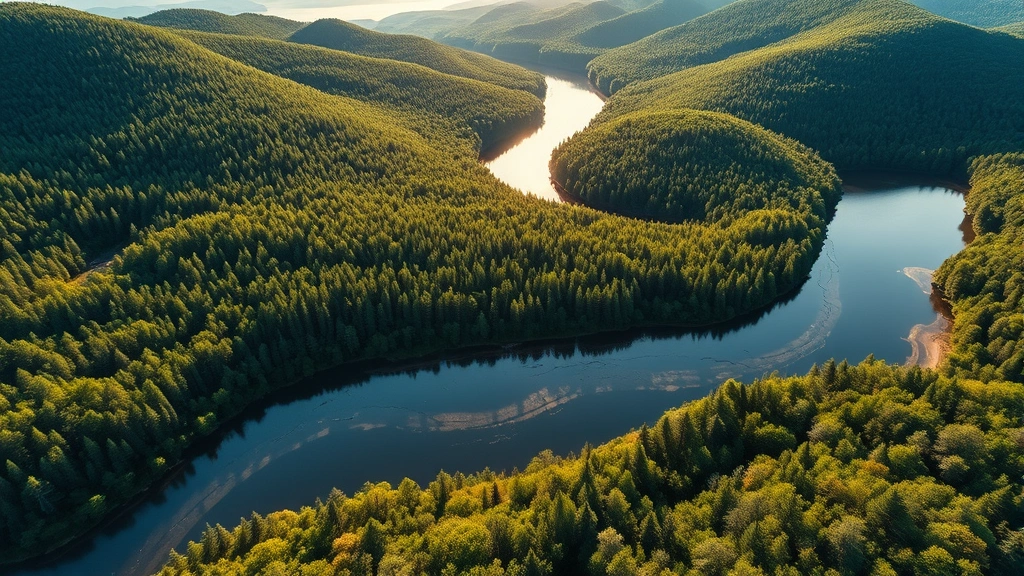
New York State represents one of North America’s most economically complex regions, where advanced financial systems intersect with diverse ecosystems spanning from the Adirondacks to the Hudson Valley. Understanding the relationship between environmental health and economic vitality has become essential for policymakers, businesses, and residents alike. The state’s economy—valued at over $1.7 trillion annually—depends fundamentally on ecosystem services that often remain invisible in traditional economic accounting.
The concept of ecosystem economy extends beyond simple conservation; it encompasses how natural capital generates measurable economic value through water filtration, carbon sequestration, pollination, flood mitigation, and recreational opportunities. New York State’s living environment regents curriculum emphasizes these interconnections, preparing students to understand how ecological systems underpin prosperity. This analysis explores the quantifiable relationships between environmental management and economic outcomes across New York’s diverse regions.
Recent research from ecological economics institutions demonstrates that states investing in ecosystem restoration experience positive returns on investment within 5-15 years. New York’s strategic positioning as a global financial center, combined with its substantial natural resources, creates unique opportunities for developing an economy that balances growth with environmental stewardship.
The Economic Value of New York’s Natural Capital
New York State’s natural capital—the stock of environmental assets including forests, wetlands, waterways, and agricultural lands—generates an estimated $50-80 billion annually in ecosystem services. These services represent the economic benefits that humans derive directly from nature, often without explicit market transactions. Understanding environmental science fundamentals reveals that ecosystem valuation requires sophisticated methodologies accounting for direct use values, indirect use values, and existence values.
The Catskill Mountains watershed alone provides New York City with 90% of its drinking water, delivering services valued at approximately $6 billion annually. This single ecosystem service—water filtration and supply—would cost the city billions in alternative treatment infrastructure. The economic logic is straightforward: maintaining forest cover and wetland systems costs significantly less than constructing and operating water treatment facilities. The New York City Watershed Protection Program, established in 1997, invested $1.5 billion in ecosystem restoration and achieved water quality standards while avoiding estimated $8-10 billion in treatment facility construction.
According to analysis from the World Bank’s environmental economics division, incorporating natural capital accounting into state economic planning increases long-term GDP growth by 2-4%. New York’s integration of ecosystem valuation into infrastructure planning represents a model for other states, though significant opportunities remain for deeper natural capital accounting across all sectors.
The relationship between human-environment interaction becomes particularly evident when examining how economic decisions affect natural systems. Manufacturing facilities, urban development, and transportation infrastructure all generate external costs—environmental damages not reflected in market prices. Quantifying these externalities reveals that New York’s economy has historically underpriced environmental degradation, leading to suboptimal resource allocation.
Water Systems and Economic Productivity
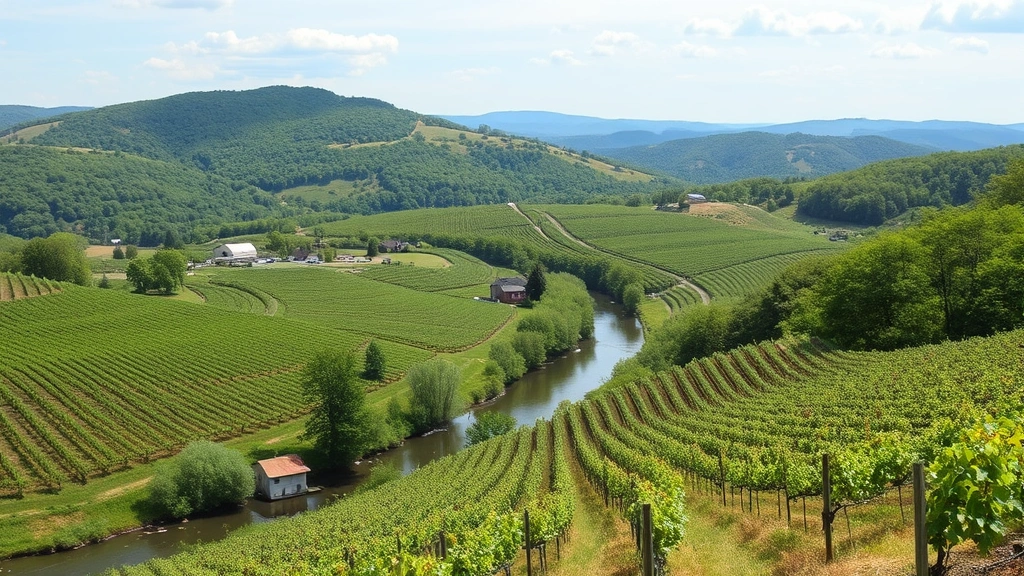
Water represents New York’s most economically significant ecosystem service. Beyond drinking water supply, aquatic systems support fisheries, hydroelectric generation, agriculture, manufacturing, and tourism. The state’s rivers and lakes generate approximately $2.3 billion annually through commercial and recreational fishing, with the Hudson River estuary alone supporting species worth over $500 million in annual economic activity.
The economic productivity of water systems depends critically on water quality, which itself depends on ecosystem health upstream. Agricultural runoff, industrial discharge, and urban stormwater pollution reduce water quality and increase treatment costs while simultaneously reducing recreational and commercial value. New York has invested substantially in water quality restoration, with the Department of Environmental Conservation managing programs that have reduced nitrogen loading by 15% over the past decade while simultaneously creating 8,000+ jobs in environmental remediation and green infrastructure installation.
Green infrastructure investments—constructed wetlands, rain gardens, permeable pavements, and restored riparian buffers—provide multiple economic benefits. A $2 billion investment in green stormwater infrastructure across New York municipalities generates estimated returns of $4-6 billion through reduced flooding damage, improved property values, recreational amenities, and reduced treatment costs. The multiplier effects extend through local economies as construction and maintenance jobs support communities.
Hydroelectric generation remains economically important, with New York’s 3,000+ megawatts of hydropower capacity generating approximately $1.2 billion in annual value. Climate change introduces both risks and opportunities: altered precipitation patterns threaten consistent water flows for power generation, while simultaneously creating demand for climate-resilient energy infrastructure. Ecosystem restoration around reservoirs and waterways improves hydroelectric efficiency while providing co-benefits including flood mitigation and habitat restoration.
Forest Ecosystems and Carbon Economy
New York State encompasses 18.8 million acres of forest, representing approximately 63% of the state’s land area. These forests sequester approximately 125 million metric tons of carbon dioxide equivalent annually, providing climate regulation services valued at $3-5 billion based on social cost of carbon estimates. Understanding how humans affect the environment through forest management reveals complex economic trade-offs between timber harvesting, carbon sequestration, habitat preservation, and recreational value.
The emerging carbon economy creates new economic opportunities for forest landowners. Carbon offset programs, voluntary carbon markets, and potential future compliance markets value forest carbon storage at $15-40 per metric ton, depending on permanence guarantees and verification standards. New York has approximately 2 million acres of privately-owned forest, representing potential carbon credit revenue of $75-200 million annually if enrolled in carbon programs. However, realizing this value requires addressing transaction costs, permanence concerns, and market development challenges.
Forest-based bioeconomy represents another growth opportunity. Sustainable timber harvesting, non-timber forest products (mushrooms, maple syrup, ginseng), and forest-based bioenergy generate $1.8 billion annually while supporting 35,000 jobs. The economic case for sustainable forestry strengthens as carbon prices increase and as markets develop for certified sustainable products. New York’s forests also provide existence and bequest values—benefits that people derive from knowing forests exist and will be preserved for future generations, valued at approximately $500 million annually through stated preference surveys.
Invasive species management presents both economic costs and opportunities. The emerald ash borer, hemlock woolly adelgid, and other invasive pests damage forest ecosystems and reduce economic value. Prevention and management costs exceed $50 million annually, while economic losses from reduced timber values and increased pest-related damage exceed $200 million. Conversely, addressing invasive species creates employment opportunities in forest management, research, and restoration.
Agricultural Systems and Food Security Economics
New York’s 6 million acres of agricultural land generate $5.4 billion in annual economic output while providing critical ecosystem services including soil carbon storage, water filtration, pollination support, and biodiversity habitat. The agricultural sector employs 50,000+ workers directly and supports another 75,000 in food processing and distribution. The economic value of agriculture extends beyond commodity production to include landscape amenity values, local food system development, and agritourism.
Soil health represents a critical but often-overlooked component of agricultural economics. Healthy soils with high organic matter content require less chemical input, improve water retention, and sequester carbon. Regenerative agriculture practices—cover cropping, reduced tillage, rotational grazing—cost 10-20% more to implement initially but generate 15-30% yield improvements and reduced input costs within 5-10 years. The economic case for soil conservation strengthens as input costs rise and as markets develop for carbon-sequestering agricultural products.
Pollinator economics receives increasing attention as studies document the $15-20 billion annual value of pollination services to U.S. agriculture. New York’s apple, berry, and vegetable production depends on healthy pollinator populations, yet habitat loss and pesticide use threaten pollinator abundance. Investing in pollinator habitat through hedgerows, native plant strips, and reduced pesticide applications costs $200-400 per acre but generates $500-1,000 per acre in increased yields through improved pollination.
Local and regional food systems create additional economic value. Farmers markets, community supported agriculture (CSA), and farm-to-table restaurants generate higher margins than commodity production while creating employment and strengthening rural communities. New York’s environment and natural resources building initiatives support agricultural entrepreneurship and sustainable farming practices that enhance both economic and environmental outcomes.
Urban Ecosystems and Real Estate Values
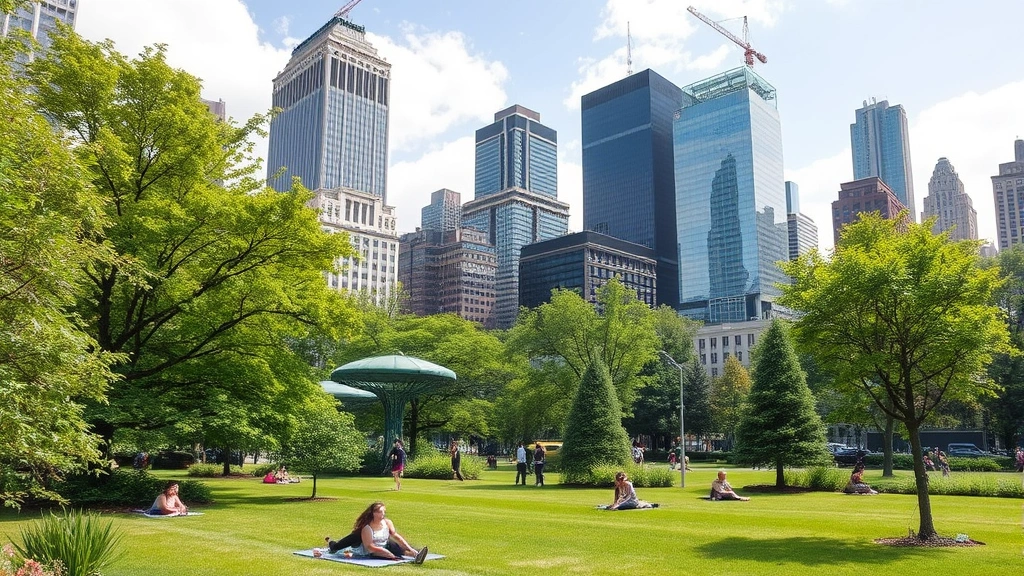
Urban ecosystems—parks, street trees, green roofs, and restored waterfront areas—generate measurable economic benefits through property value appreciation, health improvements, and quality of life enhancements. Research from the United Nations Environment Programme demonstrates that every dollar invested in urban green infrastructure generates $4-5 in economic returns through property value increases, energy savings, and health benefits.
New York City’s Central Park, encompassing 843 acres, generates estimated ecosystem services valued at $500 million annually through air quality improvement, temperature regulation, stormwater management, and recreational value. Property values surrounding the park command 20-30% premiums compared to similar properties without park access. The economic logic extends to all urban green space: trees provide cooling services reducing air conditioning costs by 10-30%, improve air quality reducing respiratory disease, and increase property values and business activity.
Green roof and living wall installations represent growing opportunities for urban ecosystem expansion. Cities including New York have implemented green roof incentives and requirements for new development. Green roofs cost $10-25 per square foot to install but provide stormwater management, insulation, extended roof lifespan, and habitat value generating $15-40 per square foot in benefits over 20-year periods. The economic case strengthens as cities implement stormwater fees and carbon pricing.
Urban waterfront restoration creates particularly significant economic opportunities. Brownfield remediation combined with ecological restoration generates property value increases of 5-15%, attracts commercial investment, and creates recreational amenities supporting tourism and local business. The High Line project in Manhattan demonstrates how ecological restoration of abandoned infrastructure creates $2 billion+ in property value increases while providing $500 million+ in annual ecosystem services.
Tourism and Recreation Economics
New York’s natural attractions—Niagara Falls, the Adirondacks, Finger Lakes, Hudson Valley—generate approximately $42 billion in annual tourism spending, supporting 350,000+ jobs. Recreation and tourism represent the state’s second-largest economic sector after finance and insurance. The economic value depends critically on ecosystem health: pristine water quality, abundant wildlife, scenic landscapes, and accessible trails.
Outdoor recreation generates $6.1 billion in annual economic activity within New York, with hiking, fishing, hunting, and water sports serving 18+ million visitors annually. The economic multiplier effects are substantial: recreational visitors spend money at local businesses, stay in accommodations, purchase supplies, and support service industries. Rural communities particularly depend on recreation economics, with some counties deriving 40-50% of economic activity from tourism and outdoor recreation.
Ecosystem degradation directly reduces tourism value. Harmful algal blooms, fish kills, and invasive species outbreaks reduce recreational opportunities and visitor spending. Conversely, ecosystem restoration generates tourism growth: restored fisheries attract anglers, reforested areas attract hikers, and cleaned waterways attract boaters and swimmers. The economic case for ecosystem protection strengthens when accounting for tourism value.
Adventure tourism and ecotourism represent growth opportunities. New York’s positioning near major population centers combined with diverse ecosystems creates opportunities for high-value tourism experiences. Sustainable tourism development—limiting visitor numbers, implementing user fees, investing restoration proceeds in ecosystem protection—generates economic value while preserving ecosystem integrity.
Climate Adaptation and Economic Resilience
Climate change poses significant economic risks to New York’s ecosystem economy. Rising sea levels threaten coastal infrastructure and property valued at over $400 billion. Altered precipitation patterns affect water availability, agricultural productivity, and hydroelectric generation. Shifting temperatures change species distributions, affecting fisheries, forestry, and agriculture. However, climate adaptation investments simultaneously generate economic opportunities through green infrastructure, renewable energy, and ecosystem restoration.
New York’s Climate Leadership and Community Protection Act (2019) mandates 85% greenhouse gas reductions by 2050 while supporting just transition for workers in fossil fuel industries. The economic analysis reveals that climate action investments generate net economic benefits: clean energy infrastructure creates more jobs per dollar invested than fossil fuel infrastructure, energy efficiency improvements reduce operating costs, and ecosystem restoration provides multiple co-benefits.
Resilience economics emphasizes how ecosystem diversity reduces economic vulnerability to climate shocks. Agricultural diversity reduces weather-related income volatility. Forest diversity increases resistance to pests and diseases. Diverse energy portfolios reduce dependence on single sources. Investing in ecosystem and economic diversity costs 5-15% more initially but reduces expected losses from climate impacts by 30-50%, representing positive expected value despite upfront costs.
Nature-based solutions—wetland restoration for flood mitigation, forest conservation for water supply protection, oyster reef restoration for storm surge reduction—cost 50-80% less than gray infrastructure alternatives while providing co-benefits. A comprehensive nature-based solutions strategy for New York could reduce climate adaptation costs by $20-30 billion while simultaneously improving ecosystem health and recreational opportunities.
FAQ
What is ecosystem economy and why does it matter for New York?
Ecosystem economy refers to the economic value generated by natural systems through ecosystem services like water filtration, carbon sequestration, pollination, and recreation. It matters for New York because the state’s $1.7 trillion economy depends fundamentally on healthy ecosystems. Incorporating ecosystem value into economic planning improves long-term prosperity by preventing degradation of critical natural capital.
How much economic value do New York’s ecosystems generate annually?
New York’s ecosystems generate an estimated $50-80 billion annually in ecosystem services, including water supply, carbon sequestration, pollination, flood mitigation, and recreation. This represents approximately 3-5% of the state’s total economic output, though the true value may be higher when accounting for existence values and option values.
How does the living environment regents curriculum relate to ecosystem economics?
The New York State living environment regents curriculum emphasizes understanding ecological systems and human interactions with the environment. This curriculum prepares students to understand how environmental decisions generate economic consequences, supporting informed citizenship and career preparation in environmental and ecological economics fields.
What are the most economically valuable ecosystems in New York?
The Catskill Mountains watershed (water supply), Hudson River estuary (fisheries and transportation), Adirondack forests (carbon sequestration and recreation), and agricultural lands (food production and pollination support) represent New York’s most economically valuable ecosystems. Urban parks and green infrastructure also generate substantial economic value through property appreciation and health benefits.
How can New York maximize economic value from ecosystem conservation?
New York can maximize ecosystem economic value through: implementing natural capital accounting in state budgeting, developing carbon markets for forest and agricultural conservation, investing in green infrastructure and nature-based solutions, creating payment for ecosystem services programs, supporting sustainable agriculture and forestry, protecting high-value ecosystems like watersheds, and integrating ecosystem considerations into all major economic planning decisions.
What role do carbon markets play in New York’s ecosystem economy?
Carbon markets create economic value for forest and agricultural conservation by paying landowners for carbon sequestration. New York’s 2 million acres of private forest could generate $75-200 million annually through carbon programs. Expanding carbon market participation requires addressing transaction costs, developing verification standards, and building market infrastructure.
How does urban green infrastructure contribute to New York’s economy?
Urban green infrastructure provides multiple economic benefits: stormwater management reduces flooding and treatment costs, trees reduce energy consumption and improve air quality, parks increase property values and attract business investment, and green jobs are created in installation and maintenance. Every dollar invested in urban green infrastructure generates $4-5 in economic returns.


