
Human-Environment Interactions: Expert Insights
The relationship between humanity and the natural world represents one of the most critical dynamics shaping our planet’s future. Human-environment interactions encompass the complex web of dependencies, impacts, and feedback mechanisms that define how societies extract resources, generate waste, and ultimately sustain or degrade ecosystems. From climate change and biodiversity loss to freshwater depletion and soil degradation, the consequences of human activities ripple across interconnected ecological and economic systems with unprecedented speed and scale.
Understanding these interactions requires an interdisciplinary approach that bridges ecology, economics, sociology, and policy science. Modern environmental challenges cannot be addressed through isolated sectoral responses; instead, they demand integrated frameworks that recognize the feedbacks between human economic systems and natural capital. This comprehensive analysis synthesizes expert perspectives on human-environment interactions, examining the mechanisms of impact, the economic dimensions of environmental degradation, and the pathways toward sustainable coexistence.
The Mechanisms of Human-Environment Impact
Human-environment interactions operate through multiple interconnected pathways that transform natural systems at local, regional, and global scales. The primary mechanisms include resource extraction, land-use conversion, pollution generation, and climate forcing. Understanding how these pathways function requires examining both the immediate impacts and the cascading consequences that reverberate through ecological networks.
Resource extraction—encompassing agriculture, forestry, fisheries, and mineral mining—directly removes biomass and geological materials from ecosystems. Agricultural expansion alone accounts for approximately 80 percent of global deforestation, fundamentally altering carbon cycles, water availability, and biodiversity patterns. The intensification of agricultural production through synthetic fertilizers and pesticides creates nutrient runoff that triggers eutrophication in aquatic ecosystems, creating dead zones in coastal areas where oxygen depletion prevents most marine life from surviving. These dynamics illustrate how human activities affect the environment through cascading ecological consequences.
Pollution generation represents a second major mechanism, introducing synthetic compounds and excess concentrations of natural substances into environmental compartments. Persistent organic pollutants, microplastics, heavy metals, and pharmaceutical residues now permeate every ecosystem on Earth, from the deepest ocean trenches to the highest mountain peaks. The atmospheric accumulation of greenhouse gases—primarily carbon dioxide, methane, and nitrous oxide—has increased radiative forcing by approximately 1.9 watts per square meter since pre-industrial times, fundamentally altering planetary energy balance and climate systems.
Land-use conversion transforms the structure and function of ecosystems, fragmenting habitats and disrupting ecological processes. Urban expansion, infrastructure development, and agricultural intensification have converted approximately 50 percent of the world’s ice-free land surface, with particularly severe impacts on tropical forests, wetlands, and grasslands. This habitat fragmentation isolates populations, reduces genetic diversity, and undermines ecosystem resilience to environmental perturbations.

Economic Drivers and Environmental Consequences
The roots of human-environment interactions lie embedded in economic systems that have historically externalized environmental costs. Conventional economic frameworks measure prosperity through gross domestic product, which counts resource depletion and environmental degradation as economic gains rather than losses. When a forest is harvested, the timber sale appears as income, but the lost carbon sequestration capacity, diminished biodiversity, and reduced water infiltration capacity do not appear on balance sheets.
Environmental science definitions increasingly incorporate economic concepts such as natural capital—the stock of environmental assets including forests, fisheries, freshwater aquifers, and mineral deposits. Ecological economics, an interdisciplinary field recognized by leading research institutions including the World Bank’s environmental programs, quantifies the economic value of ecosystem services and the costs of environmental degradation.
Global economic expansion has accelerated resource consumption to unprecedented levels. The world now uses approximately 1.75 Earths’ worth of biocapacity annually, meaning humanity consumes renewable resources 75 percent faster than Earth’s ecosystems can regenerate them. This overshoot manifests through declining fish stocks, shrinking forests, falling water tables, and accumulating carbon in the atmosphere. The economic incentives driving this unsustainable consumption—including fossil fuel subsidies estimated at $7 trillion annually when accounting for environmental externalities—create structural barriers to sustainable transitions.
The distribution of environmental costs and benefits represents a critical dimension of human-environment interactions. Wealthier nations and individuals consume disproportionate shares of global resources while often exporting environmental burdens to lower-income countries. This pattern reflects both historical patterns of colonialism and contemporary global supply chains that concentrate production in regions with weaker environmental regulations. The result creates environmental injustice where communities least responsible for environmental degradation experience its most severe consequences.
Ecosystem Services and Human Wellbeing
Ecosystems provide fundamental services that sustain human civilization, yet these services remain largely invisible in economic accounting systems. The Millennium Ecosystem Assessment identified four categories of ecosystem services: provisioning services (food, water, materials), regulating services (climate regulation, flood control, pollination), supporting services (nutrient cycling, soil formation), and cultural services (aesthetic, spiritual, recreational values).
Pollination services alone, provided primarily by insects, represent an estimated $15-20 billion in annual global economic value. Yet bee populations have declined by 25-45 percent in recent decades due to habitat loss, pesticide exposure, and climate change. The economic consequences extend far beyond direct agricultural losses; pollinator decline threatens food security for millions of people globally and cascades through agricultural systems with multiplier effects on rural economies.
Freshwater regulation services—including water filtration, storage, and purification provided by wetlands, forests, and aquifers—have been severely compromised by human activities. Approximately 2 billion people face high water stress, with groundwater aquifers being depleted faster than natural recharge rates can replenish them. The Ogallala Aquifer in North America, which supplies irrigation water for 27 percent of U.S. cropland, has declined by 32 percent since 1960. These dynamics illustrate how environmental challenges documented across our blog reflect fundamental shifts in human-environment relationships.
Climate regulation services—the capacity of ecosystems to absorb and store carbon—represent perhaps the most critical ecosystem service for human civilization’s future. Forests, wetlands, and ocean ecosystems sequester approximately 9.5 gigatons of carbon annually, offsetting roughly one-quarter of current anthropogenic emissions. Degradation of these carbon sinks accelerates climate change while simultaneously reducing the biosphere’s capacity to adapt to changing conditions.
Planetary Boundaries and Tipping Points
Scientific research has identified nine planetary boundaries—thresholds beyond which Earth systems risk catastrophic shifts. Human civilization has already transgressed boundaries for climate change, biodiversity loss, land-system change, freshwater use, and nitrogen and phosphorus cycling. Operating beyond these boundaries increases the probability of triggering irreversible tipping points in critical Earth systems.
The Amazon rainforest represents a particularly concerning tipping point system. Approximately 20 percent of the forest has been cleared or degraded, approaching the estimated threshold of 20-25 percent beyond which the system loses capacity to generate rainfall internally and transitions to savanna-like conditions. Such a transition would release hundreds of billions of tons of stored carbon while simultaneously eliminating one of Earth’s primary carbon sinks, creating a positive feedback loop that accelerates climate change independent of future human emissions.
Ocean acidification, driven by absorption of atmospheric carbon dioxide, has increased ocean acidity by 30 percent since industrialization. This chemical shift undermines the capacity of calcifying organisms—including corals, mollusks, and pteropods—to build shells and skeletons. Coral reef tipping points appear imminent, with mass bleaching events occurring with increasing frequency as ocean temperatures exceed coral thermal tolerance thresholds. The loss of coral reef ecosystems would eliminate the primary food source for approximately 500 million people globally who depend on reef fisheries.
Permafrost thaw in Arctic regions represents another critical tipping point system. Thawing permafrost releases methane and carbon dioxide accumulated over thousands of years, creating a positive feedback loop where climate warming accelerates permafrost thaw, which releases additional greenhouse gases, which further warm the climate. Current trajectories suggest substantial Arctic permafrost loss within this century, potentially releasing 50-100 gigatons of carbon equivalent and fundamentally altering global climate dynamics.
Pathways to Sustainable Interactions
Transitioning toward sustainable human-environment interactions requires fundamental restructuring of economic systems, energy infrastructure, and consumption patterns. The pathways forward involve both mitigation—reducing future environmental impacts—and adaptation—adjusting to unavoidable environmental changes already underway.
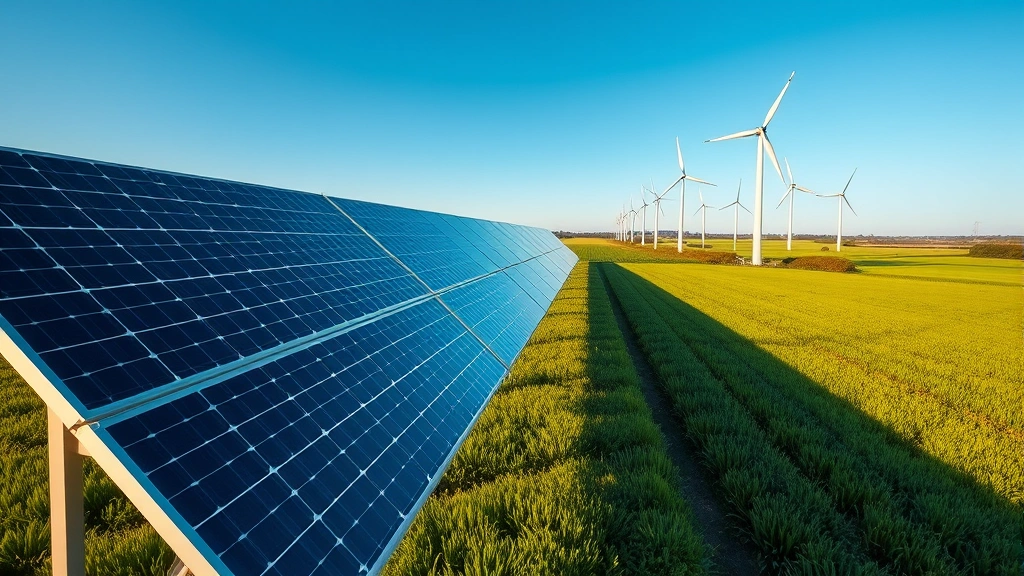
Energy system transformation represents the foundational requirement for climate stabilization. Renewable energy deployment for residential and commercial applications has accelerated dramatically, with solar and wind now comprising the fastest-growing energy sources globally. However, achieving the deep decarbonization required for climate stability requires not only renewable electricity but also electrification of transportation and heating, development of green hydrogen for industrial processes, and deployment of carbon capture technologies for residual emissions.
Agricultural transformation toward regenerative and agroecological practices offers pathways to simultaneously reduce environmental impacts while enhancing productivity. Regenerative agriculture practices—including cover cropping, reduced tillage, and rotational grazing—rebuild soil organic matter, enhance water infiltration, increase biodiversity, and improve farm resilience to climate variability. Research indicates that transitioning global agriculture toward these practices could sequester 2-4 gigatons of carbon annually while improving food security and farmer incomes.
Circular economy models represent a paradigm shift from linear take-make-waste patterns toward closed-loop systems where materials circulate continuously. Implementing circular economy principles could reduce material extraction by 28 percent and associated greenhouse gas emissions by 39 percent by 2050 while generating economic growth and employment. However, realizing circular economy potential requires redesigning manufacturing processes, developing reverse logistics systems, and shifting consumer behavior toward durability and repair rather than planned obsolescence.
Nature-based solutions—protecting, restoring, and sustainably managing natural ecosystems—offer cost-effective pathways to address multiple environmental challenges simultaneously. Protecting remaining forests, restoring degraded lands, and expanding wetland coverage can sequester carbon, enhance biodiversity, improve water security, and strengthen community resilience to climate impacts. The economic case for nature-based solutions strengthens continually, with cost-benefit analyses consistently demonstrating 7-10 dollars of economic benefit for every dollar invested in ecosystem protection and restoration.
Policy Frameworks and Economic Instruments
Achieving sustainable human-environment interactions requires policy frameworks that align economic incentives with environmental sustainability. Carbon pricing—whether through carbon taxes or cap-and-trade systems—represents a foundational policy instrument that internalizes the climate costs of greenhouse gas emissions. Current carbon prices in most jurisdictions remain far below the social cost of carbon (estimated at $51-$185 per ton), creating insufficient economic incentives for emissions reduction.
Extended producer responsibility policies shift the burden of managing product end-of-life impacts from municipalities and consumers to manufacturers, creating incentives for designing products that minimize environmental impacts throughout their lifecycle. These policies have proven effective in increasing recycling rates, reducing hazardous substance use, and driving innovation in product design.
Payment for ecosystem services programs compensate landowners and communities for maintaining or enhancing ecosystem functions. REDD+ (Reducing Emissions from Deforestation and Forest Degradation) programs, for example, provide financial incentives for forest conservation, recognizing the carbon sequestration and biodiversity benefits of standing forests. However, these programs require robust monitoring systems and governance frameworks to prevent fraud and ensure genuine environmental benefits.
Environmental impact assessment requirements mandate evaluation of potential ecological and health consequences before implementing major development projects. When implemented rigorously, these assessments can identify alternatives that achieve development objectives with reduced environmental impacts. However, assessment quality varies substantially across jurisdictions, with some serving primarily as rubber-stamp exercises rather than genuine environmental safeguards.
International policy frameworks including the United Nations Environment Programme coordinate responses to transboundary environmental challenges. Multilateral environmental agreements addressing climate change, biodiversity loss, desertification, and persistent organic pollutants represent humanity’s collective recognition that environmental challenges transcend national boundaries. However, implementation remains inconsistent, with many nations failing to meet commitments due to competing domestic priorities and weak enforcement mechanisms.
Technology, Innovation, and Adaptation
Technological innovation offers important tools for reducing environmental impacts, though technology alone cannot achieve sustainability without accompanying changes in consumption patterns and economic structures. Carbon capture and storage technologies, while energetically expensive and capital-intensive, may play important roles in removing legacy carbon from the atmosphere and managing residual emissions from difficult-to-decarbonize sectors including aviation, shipping, and cement production.
Precision agriculture technologies including remote sensing, soil sensors, and data analytics optimize application of water, fertilizers, and pesticides, reducing environmental impacts while maintaining or enhancing yields. However, these technologies require significant capital investment and technical expertise, raising concerns about agricultural consolidation and the displacement of smallholder farmers who comprise the majority of global farmers.
Artificial intelligence and machine learning applications enhance environmental monitoring capabilities, enabling real-time tracking of deforestation, illegal fishing, wildlife populations, and pollution sources. These capabilities support more effective enforcement of environmental regulations and more adaptive management of natural resources. However, the energy demands of large-scale AI systems raise concerns about whether the environmental costs of computation offset the benefits of improved monitoring.
Individual actions to reduce carbon footprints represent important complements to systemic policy changes. While individual consumption choices cannot solve environmental challenges that require structural economic transformation, widespread adoption of sustainable practices—including dietary shifts toward plant-based foods, reduced consumption of material goods, and preference for public transportation—creates political constituencies supporting environmental policies and demonstrates feasibility of lower-impact lifestyles.
Adaptation technologies help communities adjust to unavoidable climate changes already underway. Drought-resistant crop varieties, improved irrigation systems, early warning systems for extreme weather events, and nature-based adaptation measures including mangrove restoration and wetland protection enhance community resilience. However, adaptation capacity varies dramatically between wealthy and low-income nations, creating risks of climate-driven inequality unless international support mechanisms strengthen substantially.
FAQ
What are the primary mechanisms through which humans interact with the environment?
Human-environment interactions operate through resource extraction, land-use conversion, pollution generation, and climate forcing. These mechanisms directly remove materials from ecosystems, transform habitat structure, introduce synthetic compounds, and alter atmospheric composition and planetary energy balance, creating cascading consequences throughout ecological systems.
How do economic systems drive environmental degradation?
Conventional economic frameworks externalize environmental costs, treating resource depletion and ecosystem degradation as economic gains rather than losses. Fossil fuel subsidies, underpriced natural resources, and inadequate accounting for ecosystem service loss create economic incentives for unsustainable consumption that exceeds Earth’s regenerative capacity by approximately 75 percent annually.
What are planetary boundaries and why do they matter?
Planetary boundaries define thresholds beyond which Earth systems risk catastrophic shifts. Human civilization has already transgressed boundaries for climate change, biodiversity loss, land-system change, freshwater use, and nutrient cycling. Operating beyond these boundaries increases risks of triggering irreversible tipping points in critical systems including Amazon rainforests, ocean ecosystems, and Arctic permafrost.
How can circular economy models reduce environmental impacts?
Circular economy models eliminate waste by designing materials to circulate continuously rather than following linear take-make-waste patterns. Research indicates circular economy implementation could reduce material extraction by 28 percent and associated greenhouse gas emissions by 39 percent while generating economic growth and employment opportunities.
What role do nature-based solutions play in addressing environmental challenges?
Nature-based solutions including forest protection, wetland restoration, and sustainable land management provide cost-effective pathways to address multiple environmental challenges simultaneously. These approaches sequester carbon, enhance biodiversity, improve water security, and strengthen community resilience while generating 7-10 dollars of economic benefit for every dollar invested.
How can policy frameworks align economic incentives with environmental sustainability?
Policy instruments including carbon pricing, extended producer responsibility, ecosystem service payments, and environmental impact assessments create economic incentives for sustainable practices. However, effectiveness requires adequate pricing levels, robust monitoring systems, and strong enforcement mechanisms that remain inconsistently implemented across jurisdictions.


