Is Green Finance the Future? Economist Insights on Sustainable Investment and Economic Transformation
The global financial system stands at a critical juncture. As climate change accelerates and environmental degradation intensifies, economists and policymakers increasingly recognize that traditional finance models cannot sustain long-term economic prosperity. Green finance—the practice of incorporating environmental and social considerations into investment decisions—has emerged as a transformative force reshaping how capital flows through the global economy. But is it truly the future, or merely a transitional trend? This analysis examines the economist perspectives, empirical evidence, and structural challenges defining green finance’s trajectory.
The urgency of this question cannot be overstated. Global carbon emissions continue rising despite decades of climate agreements, while biodiversity loss accelerates at unprecedented rates. Simultaneously, financial markets increasingly price in climate risk, creating both opportunities and disruptions for investors. Understanding how green finance integrates economic growth with ecological stability reveals fundamental truths about our economic future.

What Is Green Finance and Why Economists Care
Green finance encompasses financial instruments, institutions, and practices designed to fund environmental sustainability and climate action. This includes green bonds, sustainable loans, environmental impact investing, and climate-focused venture capital. Unlike traditional finance that treats environmental externalities as outside economic calculations, green finance integrates ecological constraints into valuation models and risk assessment frameworks.
Economists prioritize green finance for a fundamental reason: market failure. Traditional markets systematically underprice environmental damage and natural capital depletion. When a factory pollutes a river, the cost—measured in degraded ecosystem services, human health impacts, and cleanup expenses—never appears on the company’s balance sheet. This accounting gap creates perverse incentives that accelerate environmental destruction while appearing economically rational. As Nobel laureate economist Paul Romer has emphasized, properly pricing environmental costs represents essential progress toward genuine economic efficiency.
The economic case extends beyond correcting market failures. Green finance proponents argue it represents superior long-term risk management. Climate change poses systemic financial risks—stranded assets in fossil fuel industries, supply chain disruptions, property damage from extreme weather, and sovereign debt crises in vulnerable nations. Investors recognizing these risks increasingly demand information about how humans affect environmental systems that could impact their portfolios. Green finance channels capital toward resilient, sustainable enterprises while away from climate-vulnerable sectors.
Market Growth and Investment Trends
The empirical growth trajectory of green finance demonstrates genuine market momentum. Global sustainable investment reached $35.3 trillion in 2020, representing 36% of all professionally managed assets according to UN Principles for Responsible Investment data. Green bond issuance accelerated dramatically, reaching $500 billion annually by 2021. These figures reveal substantial capital reallocation toward sustainability-focused investments.
However, economists debate whether this growth reflects genuine structural transformation or primarily represents rebranding of existing investments. Research from ecological economics journals reveals that many “green” funds maintain significant holdings in companies with questionable environmental records. This phenomenon—termed “greenwashing”—undermines the credibility of green finance metrics. Rigorous analysis suggests approximately 25-40% of labeled green investments lack substantive environmental benefits beyond conventional alternatives.
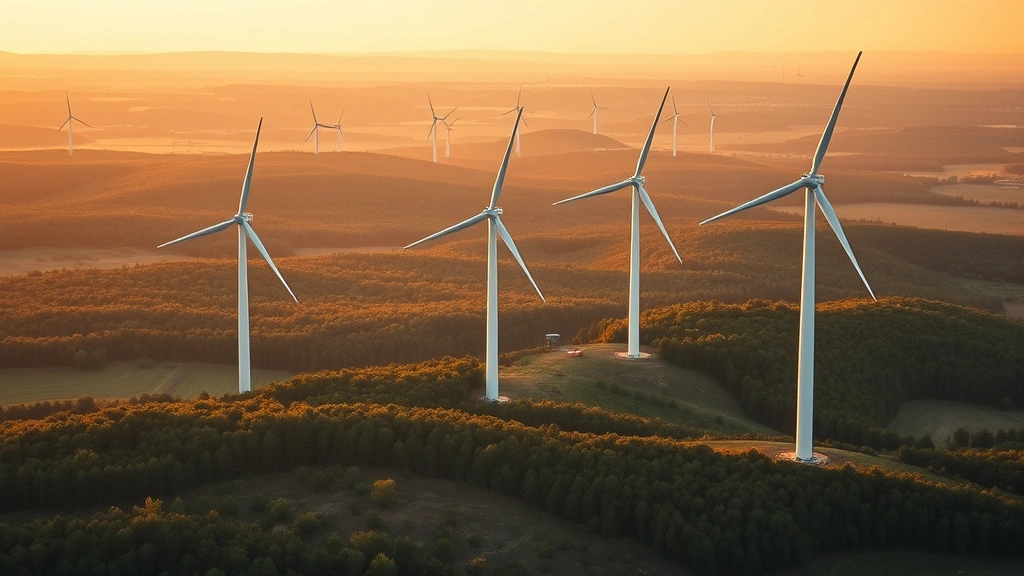
Sectoral flows tell a more nuanced story. Renewable energy received $303 billion in global investment in 2022, demonstrating genuine capital mobilization toward clean technology. Electric vehicle infrastructure, energy efficiency retrofitting, and sustainable agriculture attracted increasing institutional capital. Simultaneously, fossil fuel divestment accelerated, with major pension funds and endowments eliminating coal and oil holdings. These directional shifts indicate real economic restructuring beyond mere financial relabeling.
The investment returns data complicates simple narratives about green finance inevitability. Studies examining green bond performance show comparable yields to conventional bonds when controlling for credit quality, suggesting markets haven’t yet fully reflected climate risk premiums. Conversely, renewable energy companies demonstrate superior long-term returns, reflecting genuine productivity advantages and declining technology costs. This heterogeneity indicates green finance operates through multiple mechanisms requiring sector-specific analysis rather than universal conclusions.
Economic Arguments for Sustainable Investment
The theoretical foundation supporting green finance rests on several interconnected economic arguments. First, the natural capital accounting perspective recognizes that environmental assets function as economic inputs. Soil quality, freshwater availability, pollinator populations, and carbon sequestration capacity generate economic value comparable to manufactured capital. Depletion of these assets without replacement constitutes genuine economic loss, regardless of whether markets recognize it. World Bank research on green economy transitions demonstrates that accounting for natural capital degradation reveals many “growing” economies are actually declining when environmental depletion is factored into GDP calculations.
Second, the cost-of-inaction framework compares investment expenses for green transition against economic damages from unchecked climate change and environmental degradation. The Stern Review on the Economics of Climate Change estimated that climate inaction could reduce global GDP by 5-20%, while mitigation investments require only 1% of global GDP annually. This asymmetry suggests green finance represents economically rational risk management rather than altruistic constraint. Recent UNEP assessments confirm these calculations, projecting accelerating climate damages that dwarf green investment requirements.
Third, the technological innovation argument posits that green finance accelerates development of superior technologies. Renewable energy costs declined 89% for solar and 70% for wind over the past decade, primarily driven by manufacturing scale-up enabled by green investment. Similar cost trajectories appear in battery technology, energy efficiency, and sustainable agriculture. These productivity improvements generate economic benefits extending far beyond environmental gains, creating positive feedback loops where green investments become economically dominant regardless of environmental motivations.
Fourth, human environment interaction dynamics reveal that environmental degradation imposes massive economic costs through health impacts, productivity losses, and infrastructure damage. Air pollution alone costs the global economy $5 trillion annually in health expenses and lost productivity. Water scarcity threatens agricultural output and industrial operations. Biodiversity loss undermines ecosystem services worth trillions. Green finance that prevents these damages generates enormous economic returns measured in prevented costs and maintained productive capacity.
Structural Barriers and Implementation Challenges
Despite compelling economic logic, substantial obstacles impede green finance from becoming dominant within global capital markets. Understanding these barriers is essential for assessing whether green finance represents genuine future direction or aspirational rhetoric.
Information asymmetry and measurement challenges represent the first major barrier. Unlike financial metrics with standardized definitions, environmental impact assessment lacks universal frameworks. One investor’s “green” investment may fail another’s criteria. This fragmentation creates transaction costs, reduces capital efficiency, and enables greenwashing. Developing robust, universally accepted environmental accounting standards requires international coordination that remains incomplete despite progress through the Taskforce on Climate-related Financial Disclosures (TCFD) and emerging EU sustainability standards.
Short-term financial incentives conflict with long-term environmental benefits. Fund managers evaluated quarterly create pressure for immediate returns, while many green investments require extended periods before generating financial benefits. A renewable energy facility requires 5-10 years to achieve full profitability, while fossil fuel extraction generates immediate cash flows. This temporal mismatch creates structural disadvantage for green finance absent regulatory intervention or investor preference shifts toward longer evaluation horizons.
Incumbent industry resistance actively opposes green finance expansion. Fossil fuel industries, agricultural corporations dependent on environmentally intensive practices, and financial institutions profiting from pollution-generating activities maintain substantial political influence. These actors fund research questioning climate science, lobby against environmental regulations, and defend subsidies supporting environmentally destructive practices. The $5.9 trillion in annual global fossil fuel subsidies (including externality costs) create artificial price advantages that green alternatives struggle to overcome through market mechanisms alone.
Capital concentration and access inequality limit green finance’s transformative potential. Institutional investors in wealthy nations dominate green investment flows, while developing economies—often most vulnerable to climate impacts—struggle accessing green capital at affordable rates. This creates perverse outcomes where wealthy nations capture green investment benefits while poor nations bear climate damages. Addressing this requires concessional financing mechanisms and debt relief strategies that remain politically contentious in capital-exporting nations.
Systemic financial risks potentially undermine green finance stability. Rapid capital reallocation away from fossil fuels could trigger financial instability if not managed gradually. Stranded assets in carbon-intensive sectors create credit risks for financial institutions holding fossil fuel debt. Housing markets in climate-vulnerable regions face property value collapses as climate risk becomes priced in, threatening mortgage-backed securities. These systemic vulnerabilities require careful management through gradual transition policies rather than abrupt capital flight.
Policy Frameworks Driving Green Finance
Green finance’s trajectory depends critically on policy decisions that shape financial incentives. Several policy approaches demonstrate increasing adoption:
Carbon pricing mechanisms create financial incentives for emissions reduction. Carbon taxes and cap-and-trade systems increase the cost of pollution-generating activities, making green alternatives more competitive. The EU Emissions Trading System and emerging carbon markets in China, Korea, and Canada demonstrate growing policy adoption. However, current carbon prices remain below levels economists estimate necessary for optimal climate outcomes, limiting green finance acceleration.
Green bonds and sustainability-linked financing receive favorable regulatory treatment in an expanding list of jurisdictions. Tax incentives, preferential capital requirements, and priority market access encourage green bond issuance. The International Capital Market Association estimates green bonds will represent 25% of new issuance within the decade, reflecting policy support momentum.
Environmental, Social, and Governance (ESG) regulation increasingly mandates consideration of sustainability factors in investment decisions. EU Sustainable Finance Disclosure Regulation requires institutional investors to report climate risk integration. Similar requirements are emerging in Singapore, Hong Kong, and other financial centers. These regulations reduce information asymmetries and create competitive advantages for green finance practitioners.
Central bank policy integration represents a crucial recent development. Major central banks including the European Central Bank and Bank of England incorporate climate risk into monetary policy and financial stability frameworks. The Bank for International Settlements increasingly emphasizes climate risk in banking regulation. This institutional recognition signals that green finance transcends environmental advocacy to become core financial stability concern.
Understanding environmental science definitions helps policymakers develop more sophisticated approaches. Environmental science reveals complex feedback loops and tipping points requiring urgent action. This scientific foundation justifies increasingly stringent climate policies that accelerate green finance growth.
Real-World Economic Outcomes
Examining actual economic results from green finance implementation provides crucial evidence for assessing its future trajectory. Denmark’s wind energy sector demonstrates compelling outcomes: renewable energy now generates 80% of electricity, creating 30,000 jobs while reducing emissions 70% since 1990. This transition strengthened rather than weakened the economy, with Denmark maintaining among Europe’s highest living standards.
Germany’s Energiewende (energy transition) reveals more complex dynamics. Renewable investment generated substantial employment and technological innovation, positioning Germany as a global clean technology leader. However, transitioning away from nuclear power while increasing renewable penetration created temporary electricity price increases and grid stability challenges. Recent policy adjustments emphasize importance of comprehensive transition planning rather than purely market-driven approaches.
Costa Rica achieved 99% renewable electricity generation while maintaining economic growth, demonstrating that environmental leadership and prosperity aren’t mutually exclusive. The nation’s investment in hydroelectric, wind, and geothermal capacity created productive assets generating energy services at lower long-term cost than fossil fuel dependency.
Conversely, regions dependent on fossil fuel extraction face genuine transition challenges. Coal-mining communities in Appalachia, rust belt manufacturing regions, and oil-dependent economies suffer real economic disruption as capital reallocation accelerates. Addressing these adjustment costs requires substantial investment in worker retraining, economic diversification, and community development—often inadequately funded in actual policy implementation. This distributional inequality creates political resistance to green finance acceleration, even when aggregate economic benefits are substantial.
The practical approaches to carbon footprint reduction demonstrate how individual and institutional decisions accumulate into systemic change. When multiplied across millions of consumers and thousands of corporations, investment redirections toward sustainability create genuine economic restructuring. The renewable energy sector now employs more workers than fossil fuel industries in developed economies, indicating real job creation accompanying energy transition.
Agricultural transformation through sustainable finance illustrates additional benefits. Investments in regenerative agriculture, agroforestry, and ecological farming practices improve soil health, increase biodiversity, and enhance long-term productivity while reducing chemical input costs. These approaches demonstrate that environmental and economic optimization converge when proper incentive structures exist.
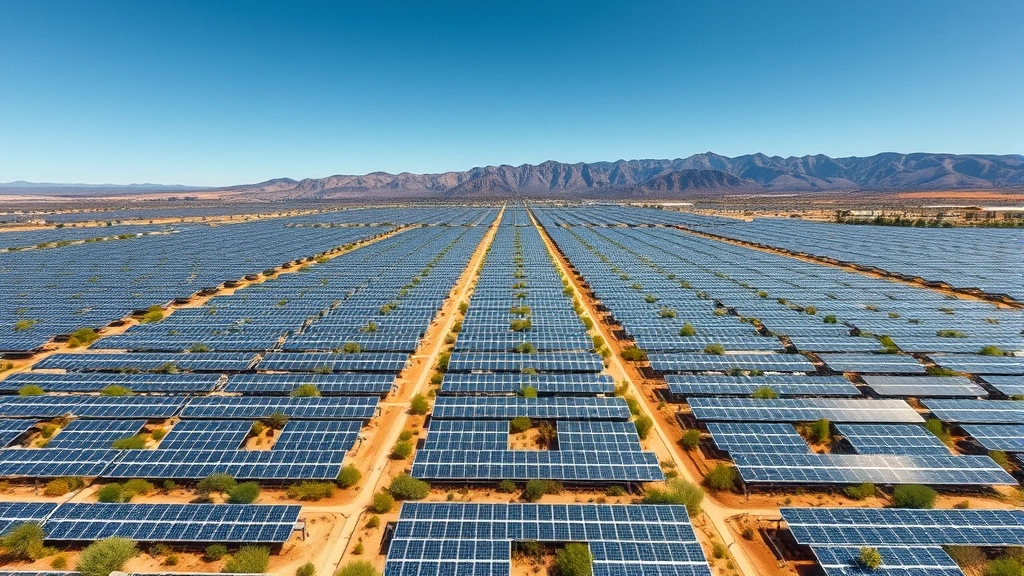
Renewable energy adoption at household and community levels shows how green finance democratizes energy production. Distributed solar installations, community wind projects, and battery storage systems create local economic value while reducing dependence on centralized fossil fuel infrastructure. This decentralization may prove as economically significant as renewable energy’s environmental benefits.
FAQ
Is green finance proven to generate competitive financial returns?
Evidence is mixed and sector-dependent. Renewable energy companies demonstrate superior long-term returns reflecting technology cost declines and productivity advantages. Green bonds generally match conventional bond returns when controlling for credit quality, suggesting markets haven’t fully priced climate risk. Sustainable agriculture and energy efficiency show strong returns through cost savings and productivity improvements. However, greenwashed investments underperform due to hidden environmental liabilities. Rigorous environmental due diligence is essential for competitive returns.
How does green finance address economic inequality?
Current green finance mechanisms inadequately address inequality. Capital flows predominantly to wealthy nations and large corporations capable of accessing green bonds and institutional investment. Developing nations struggle accessing concessional green finance despite bearing disproportionate climate impacts. Addressing this requires debt relief, technology transfer, and dedicated climate finance mechanisms—currently underfunded relative to need. Green finance’s transformative potential depends on equitable implementation.
What timeline should we expect for green finance to become dominant?
Economists project varying timelines depending on policy momentum and technology trajectories. Optimistic scenarios with aggressive climate policy suggest 50-70% of capital flows could be green-oriented by 2040-2050. Conservative estimates assuming current policy continuation suggest green finance remains minority of capital flows through 2050. Most analyses agree that accelerating policy action and climate damages will progressively favor green finance, though transition speed remains highly uncertain.
Could rapid green finance growth trigger financial instability?
Yes, this represents a genuine risk requiring careful management. Abrupt capital reallocation away from fossil fuels creates stranded asset risks, credit losses, and property value collapses in vulnerable regions. Systemic financial disruption could occur if transition happens too rapidly without coordinated policy management. This argues for gradual, predictable policy trajectories allowing market adjustment rather than sudden regulatory shifts. Central banks increasingly recognize this risk and are developing frameworks for managing climate-related financial stability.
What distinguishes genuine green finance from greenwashing?
Genuine green finance requires rigorous environmental impact measurement, third-party verification, and transparent reporting against standardized metrics. Greenwashing involves superficial environmental claims without substantive impact. Key distinctions include: independent auditing, lifecycle assessment accounting for full environmental costs, alignment with scientific climate targets, and avoidance of companies with significant environmental liabilities. Investors should demand specificity about environmental metrics, impact timelines, and verification mechanisms rather than accepting general sustainability claims.


