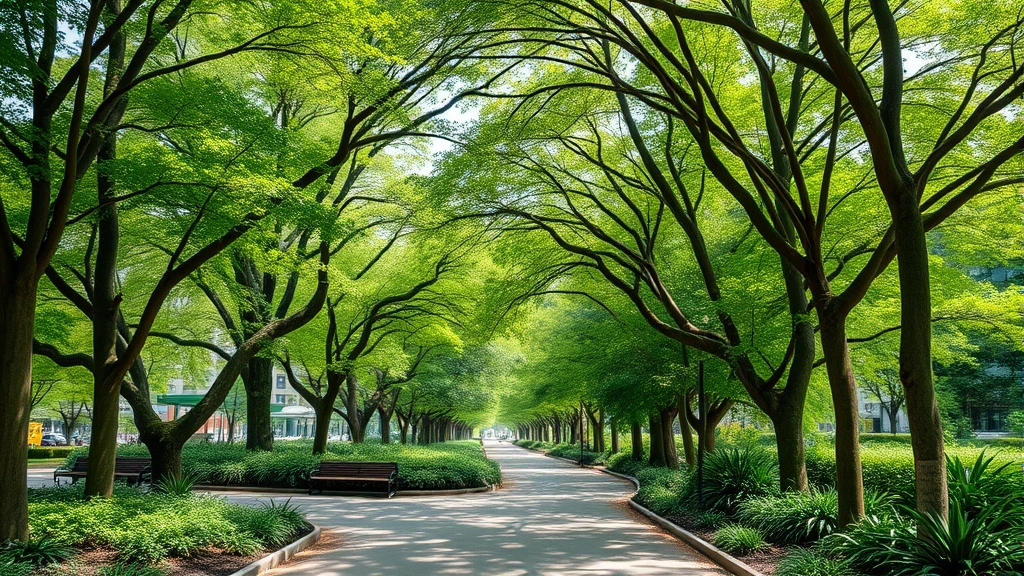
Greenery’s Role in Economy: Research Insights
The relationship between greenery and economic development represents one of the most compelling intersections in contemporary research. Far from being merely aesthetic or sentimental, environmental vegetation systems generate measurable economic value through ecosystem services, carbon sequestration, property enhancement, and public health benefits. Recent studies demonstrate that natural green spaces contribute trillions of dollars annually to global economies, yet their economic significance remains undervalued in traditional accounting frameworks.
Understanding how greenery drives economic outcomes requires examining multiple dimensions: from the microeconomic benefits visible in individual property valuations to macroeconomic impacts on national GDP and international trade. This comprehensive analysis synthesizes cutting-edge research showing that investments in environmental greenery deliver returns exceeding conventional infrastructure projects, while simultaneously addressing climate mitigation and biodiversity preservation.
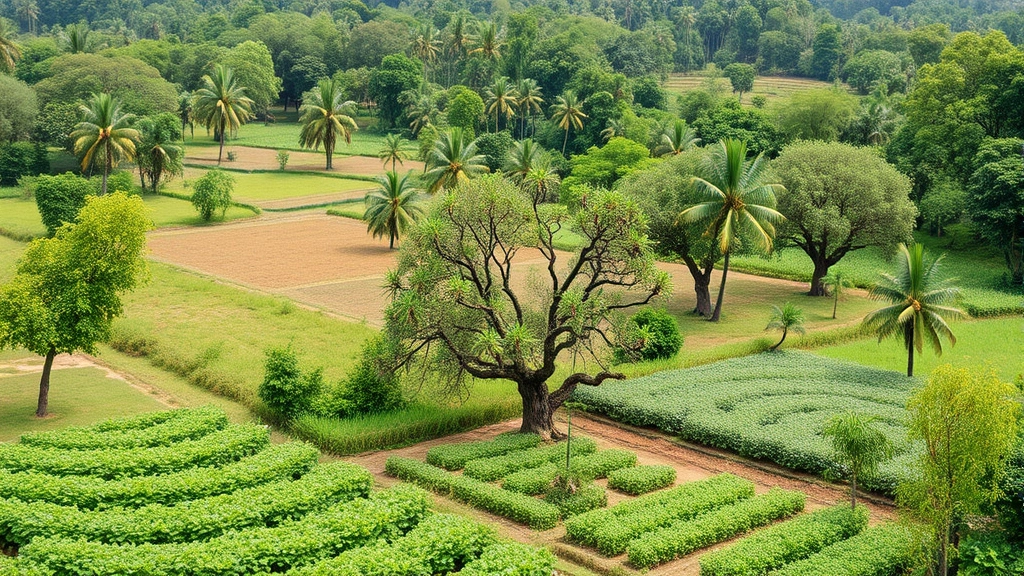
Economic Valuation of Ecosystem Services
Ecosystem services—the benefits humans derive from natural systems—generate substantial economic value that traditional accounting rarely captures. Environmental science definitions have evolved to recognize that greenery provides water purification, pollination, climate regulation, and nutrient cycling services worth an estimated $125-145 trillion annually according to United Nations Environment Programme research.
The Millennium Ecosystem Assessment, a landmark study involving over 1,360 scientists, quantified that approximately 60 percent of ecosystem services examined were being degraded or used unsustainably. This degradation translates into direct economic losses. Forests alone provide services valued at $2.4 trillion annually through carbon storage, watershed protection, and timber production. Wetlands generate $15,000 per hectare in economic value through nutrient cycling and flood prevention, yet are destroyed at three times the rate of forests.
Natural capital accounting represents a paradigm shift in how economists measure true wealth. Countries implementing natural capital accounting—including Costa Rica, Botswana, and the Philippines—have demonstrated that including environmental assets in GDP calculations reveals substantially different economic realities. When natural capital depreciation is factored into national accounts, many nations show negative economic growth despite positive GDP figures.
Research from ecological economics journals emphasizes that greenery-based ecosystem services provide risk mitigation benefits. Mangrove forests protect coastal communities from hurricanes, reducing disaster recovery costs. A single hectare of mangrove provides $1,600 in storm protection services annually. These protective services represent insurance value that developers often fail to account for when converting natural systems to urban areas.
Property Values and Real Estate Markets
Empirical real estate research demonstrates consistent relationships between greenery proximity and property valuations. Homes within 500 meters of parks command 5-20 percent price premiums compared to similar properties without green space access. This premium reflects both tangible benefits (reduced flooding risk, improved air quality) and intangible factors (aesthetic appeal, recreation access, psychological well-being).
Urban tree canopy coverage directly correlates with residential property values. Studies analyzing neighborhoods in Portland, Toronto, and Melbourne found that each additional tree in a yard increased home values by $8,000-$15,000. At the neighborhood level, areas with mature tree canopy exceeding 40 percent show property appreciation rates 3.5 times higher than neighborhoods with minimal tree coverage. These valuations reflect market recognition of greenery’s economic worth.
Human environment interaction in real estate extends beyond aesthetics. Properties with extensive greenery experience 7-10 percent lower insurance costs due to reduced flood risk and storm damage vulnerability. Commercial real estate markets similarly reflect greenery value—office buildings with visible green space command 10-15 percent rental premiums and experience 20 percent lower vacancy rates.
The hospitality sector demonstrates explicit monetization of greenery. Hotels with certified green spaces and sustainable landscaping achieve 20-30 percent higher occupancy rates and can charge 15-25 percent premium pricing. Tourism revenue directly correlates with environmental quality—destinations maintaining pristine natural environments generate substantially higher visitor spending than degraded alternatives.
Carbon Sequestration and Climate Economics
Greenery’s role in carbon mitigation generates quantifiable economic value through avoided climate damage costs and carbon credit markets. Trees sequester approximately 48 pounds of CO2 annually during their growth phase, representing $1-$3 in climate damage avoidance per tree per year depending on regional carbon pricing mechanisms. A mature urban forest provides annual carbon sequestration equivalent to removing 18 cars from roads for one year.
The economics of carbon sequestration extend beyond direct valuation. How to reduce carbon footprint initiatives increasingly incorporate greenery as cost-effective mitigation. Reforestation projects provide carbon offsets at $5-$15 per ton CO2 equivalent—substantially cheaper than renewable energy infrastructure or carbon capture technologies. Global carbon markets valued at $84 billion in 2021 increasingly incorporate natural climate solutions alongside technological approaches.
Research from the World Bank indicates that nature-based climate solutions could provide 37 percent of needed climate mitigation by 2030 at less than $100 per ton CO2 equivalent. Greenery-based approaches—reforestation, wetland restoration, mangrove protection—deliver co-benefits including biodiversity preservation, livelihood creation, and watershed protection that technological solutions cannot replicate.
Blue carbon ecosystems represent particularly valuable carbon sequestration systems. Mangroves, salt marshes, and seagrass meadows sequester carbon 40 times faster than terrestrial forests, storing it in sediments for millennia. Protecting one hectare of coastal blue carbon ecosystem prevents $3,000-$5,000 in future climate damage costs while supporting fisheries worth $500-$1,000 per hectare annually.
Public Health Economics and Greenery
The health economics literature documents substantial cost savings from greenery-adjacent lifestyles. Access to green space reduces cardiovascular disease incidence by 15-20 percent, with associated healthcare savings of $2,000-$4,000 per person annually in developed economies. Mental health benefits from green space access reduce depression and anxiety treatment costs by 25-35 percent in populations with regular park access.
Air quality improvements from urban greenery generate direct health benefits. Trees and vegetation reduce particulate matter (PM2.5) concentrations by 2-8 percent depending on planting density and species selection. These air quality improvements prevent approximately 4,000 premature deaths annually in the United States alone, representing $40-$100 billion in avoided mortality costs using standard health economic valuations.
Physical activity promotion through greenery access generates obesity-related cost savings. Neighborhoods with abundant green space experience 30 percent higher rates of physical activity, reducing obesity prevalence by 5-10 percentage points. At population scale, this translates to $15-$30 billion annual healthcare savings in developed nations through reduced diabetes, hypertension, and cardiovascular disease treatment costs.
Workplace greenery demonstrates measurable productivity benefits. Employees with green space views show 15 percent higher productivity, 6-8 percent higher attendance rates, and 20 percent fewer sick days compared to colleagues in environments without greenery. For large employers, these benefits translate to $5,000-$15,000 annual productivity gains per employee, creating substantial return on investment for green office initiatives.
Urban Green Infrastructure Investment Returns
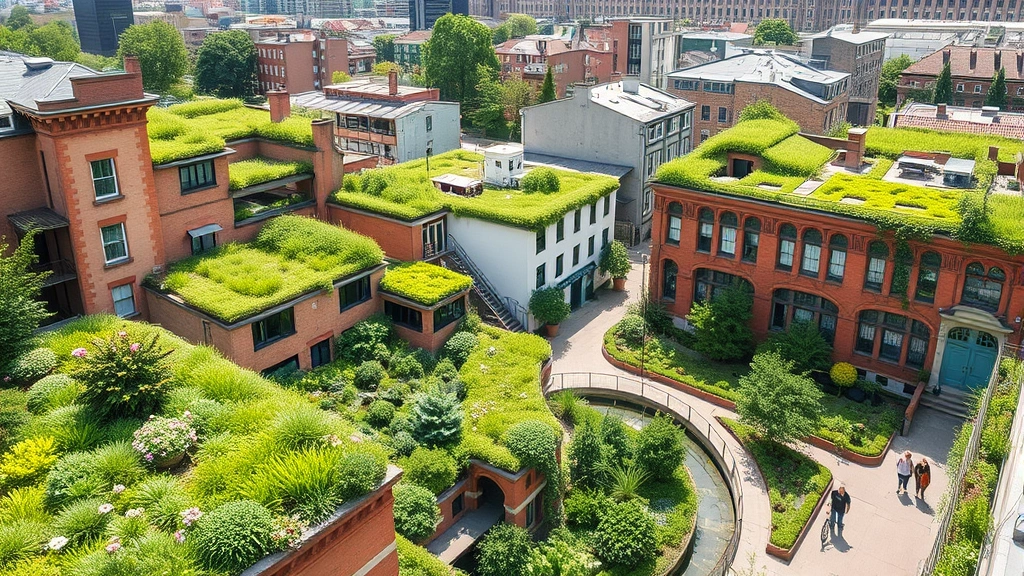
Green infrastructure—engineered systems incorporating natural vegetation for stormwater management, cooling, and air quality—delivers measurable economic returns exceeding conventional gray infrastructure. Green roofs reduce urban heat island effect by 2-8°C at neighborhood scale, decreasing cooling costs by 20-30 percent for buildings with vegetated roofing. Lifecycle cost analysis shows green roofs delivering positive returns within 10-15 years through energy savings and extended roof membrane lifespan.
Permeable pavements and bioswales reduce stormwater infrastructure costs by 25-50 percent compared to conventional gray systems. A single bioswale managing runoff from 0.4 hectares costs $3,000-$8,000 to install but prevents $15,000-$30,000 in flooding damage annually while improving water quality. Cities implementing comprehensive green infrastructure achieve stormwater management cost reductions of 15-40 percent compared to conventional approaches.
Renewable energy for homes integrates increasingly with green infrastructure as living systems provide cooling, shade, and microclimate benefits. Vegetated buildings reduce energy consumption by 20-50 percent, with payback periods of 5-10 years. At urban scale, comprehensive green infrastructure implementation reduces municipal energy consumption by 10-15 percent while improving resilience to extreme weather events.
Pollination services provided by greenery-supporting insect populations generate $15-$20 billion annually in the United States through agricultural productivity. Urban and peri-urban greenery sustains pollinator populations essential for food production. Protecting and expanding greenery in agricultural regions increases crop yields by 5-15 percent through improved pollination, generating farmer returns of $300-$600 per hectare annually.
Agricultural and Forestry Economic Models
Agroforestry systems—integrating trees with agricultural production—demonstrate superior economic returns compared to monoculture farming. Smallholder farmers implementing agroforestry in sub-Saharan Africa achieve income increases of 40-100 percent while improving soil health and reducing climate vulnerability. Trees provide diversified income streams through fruit, timber, and fodder production while maintaining agricultural productivity.
Sustainable forest management generates economic returns comparable to conventional logging while maintaining ecosystem function and long-term productivity. Selective harvesting systems in tropical forests produce $1,500-$3,000 annual revenue per hectare while maintaining carbon stocks and biodiversity. Conventional clear-cutting generates $2,000-$4,000 immediate revenue but eliminates future productivity and ecosystem services worth $5,000-$15,000 per hectare in present value terms.
Payment for ecosystem services programs create direct economic incentives for greenery preservation. Costa Rica’s program, paying landowners $50-$100 per hectare annually for forest conservation, has expanded forest coverage from 21 percent to 52 percent since 1987 while generating $1.2 billion in watershed protection and carbon sequestration value. Similar programs in Brazil, Indonesia, and Uganda demonstrate that ecosystem service payments can achieve conservation objectives at 5-10 percent of direct protection program costs.
Certification systems for sustainable forestry command 10-30 percent price premiums for timber and non-timber forest products. Forest Stewardship Council certification enables smallholder producers in developing countries to access premium markets, increasing incomes while maintaining forest cover. These market mechanisms demonstrate that greenery-preserving economic models can compete with extractive approaches when proper price signals exist.
Global Green Economy Growth Trends
The global green economy—economic activity generating environmental benefits—expanded to $2.3 trillion in 2022, growing at 8-12 percent annually compared to 3-4 percent global GDP growth. Green jobs in forestry, environmental restoration, sustainable agriculture, and green infrastructure exceeded 60 million globally, with growth rates 3-4 times higher than conventional employment. This economic expansion demonstrates market recognition of greenery’s economic value.
Investment capital flows increasingly reflect environmental asset valuation. Green bonds financing environmental projects exceeded $500 billion in 2022, with cumulative issuance surpassing $2 trillion. Institutional investors managing $130+ trillion in assets have committed to environmental, social, and governance integration, creating market pressure for greenery-positive corporate strategies and public investments.
Sustainable fashion brands demonstrate greenery integration across supply chains, generating 15-30 percent price premiums while capturing growing consumer demand. This market expansion reflects broader recognition that environmental quality—including greenery preservation—represents essential economic infrastructure rather than discretionary luxury.
Research from ICLEI Local Governments for Sustainability documents that cities implementing comprehensive greenery strategies achieve 2-3 percent annual GDP growth premiums compared to peers, with substantially lower climate vulnerability and superior livability metrics. These economic differentials reflect greenery’s multifaceted contributions to productive capacity, risk mitigation, and quality of life.
The OECD Environmental Directorate projects that natural capital accounting integration will require $500 billion-$1 trillion in annual investment reallocations toward greenery-preserving and ecosystem-restoring activities. This capital reallocation reflects growing recognition that conventional economic models systematically undervalue environmental assets and overvalue extractive activities.
FAQ
How much economic value does greenery generate annually?
Global ecosystem services provided by greenery and natural systems generate estimated $125-145 trillion annually according to UNEP research. This figure reflects water purification, pollination, climate regulation, and nutrient cycling services that support all economic activity. Regional variations are substantial—developing nations often derive 30-60 percent of GDP from ecosystem services, while developed economies typically derive 15-25 percent despite greater capital intensity.
What return on investment should communities expect from green infrastructure?
Green infrastructure typically delivers 2:1 to 5:1 benefit-cost ratios over 20-30 year periods depending on climate, land values, and implementation scope. Urban green roofs return positive value within 10-15 years through energy savings and extended roof life. Comprehensive watershed-scale green infrastructure implementation achieves 3:1 to 4:1 returns through stormwater cost reduction, flood prevention, and water quality improvement. These returns increase substantially when ecosystem service co-benefits and property value appreciation are included.
How does greenery impact property values?
Properties within 500 meters of parks appreciate 5-20 percent faster than comparable properties without green space access. Individual trees increase residential property values by $8,000-$15,000 depending on species, size, and location. Commercial properties command 10-15 percent rental premiums for green space access. These valuations reflect market recognition of health benefits, aesthetic value, and reduced environmental risks associated with greenery proximity.
Can carbon sequestration through greenery compete economically with other climate solutions?
Nature-based climate solutions through reforestation and ecosystem restoration provide carbon offsets at $5-$15 per ton CO2 equivalent, substantially cheaper than renewable energy infrastructure ($50-$100 per ton equivalent) or direct air capture ($100-$300 per ton). The World Bank estimates nature-based solutions could provide 37 percent of needed climate mitigation by 2030. However, maximum climate benefit requires both technological decarbonization and nature-based solutions implemented simultaneously.
What evidence supports health benefits from greenery access?
Research documents that green space access reduces cardiovascular disease incidence by 15-20 percent, depression by 25-35 percent, and obesity rates by 5-10 percentage points in neighborhoods with abundant greenery. Physical activity rates increase 30 percent with regular green space access. Workplace greenery improves productivity by 15 percent and reduces sick days by 20 percent. These health improvements translate to $2,000-$4,000 annual healthcare savings per person in developed economies.
How do developing nations benefit economically from greenery conservation?
Developing nations typically derive 30-60 percent of GDP from ecosystem services, making greenery conservation economically essential. Payment for ecosystem services programs enable forest conservation at 5-10 percent of protection program costs while generating sustainable income for rural populations. Agroforestry systems increase smallholder farmer incomes by 40-100 percent while maintaining agricultural productivity. Sustainable forest management generates comparable revenue to conventional logging while maintaining long-term productivity and ecosystem function.


