Local Ecosystems Boost Economy: How Volunteer Impact Creates Sustainable Growth
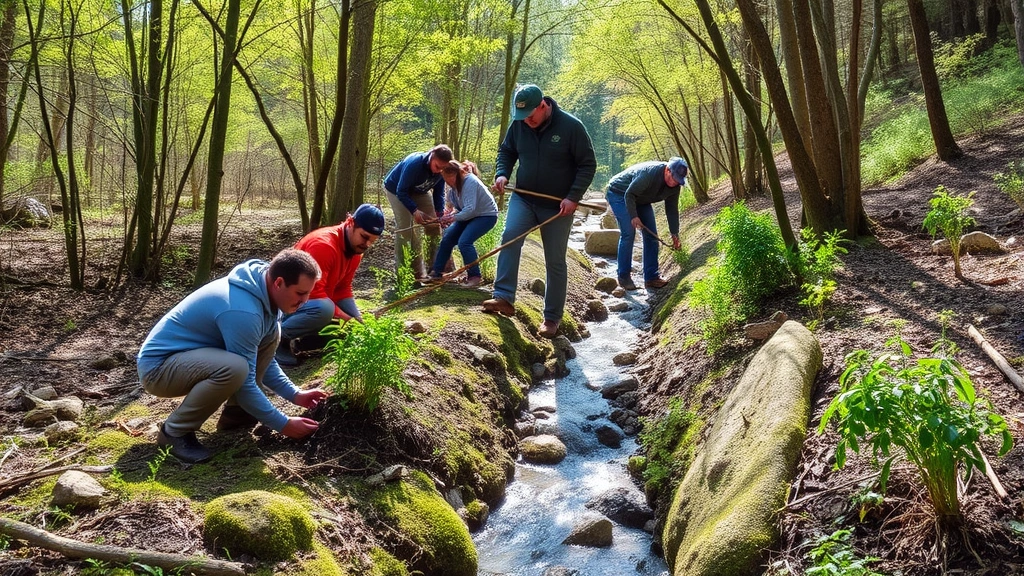
Environmental volunteering has emerged as a powerful economic multiplier that extends far beyond traditional conservation metrics. When community members engage in ecosystem restoration, habitat protection, and environmental stewardship, they generate measurable economic benefits while simultaneously strengthening the ecological foundations upon which all economic activity depends. This interconnection between volunteer efforts and economic prosperity represents one of the most underutilized pathways toward sustainable regional development.
The relationship between healthy local ecosystems and economic resilience is neither coincidental nor peripheral to mainstream economic analysis. Research from ecological economics demonstrates that ecosystem services—including water purification, pollination, climate regulation, and soil formation—contribute trillions of dollars annually to global economic output. When volunteers dedicate time to protecting and restoring these systems, they are essentially investing in natural capital that generates returns across multiple economic sectors, from agriculture and tourism to real estate and public health.
Finding environment volunteer opportunities near me has become increasingly accessible through digital platforms and community networks, enabling individuals to directly contribute to local ecosystem health while simultaneously participating in an economic system that values environmental restoration. This article explores the multifaceted relationship between volunteer environmental work and economic development, examining how grassroots conservation efforts translate into measurable economic gains for communities.

Economic Value of Ecosystem Services and Volunteer Contributions
The economic concept of ecosystem services quantifies the tangible benefits that natural systems provide to human economies. These services fall into four primary categories: provisioning services (food, water, raw materials), regulating services (climate control, flood prevention, disease regulation), supporting services (nutrient cycling, soil formation), and cultural services (recreation, aesthetic value, spiritual benefits). When volunteers engage in habitat restoration, wetland conservation, or forest management, they directly enhance the capacity of ecosystems to deliver these services at scale.
According to research from World Bank environmental economics divisions, the global value of ecosystem services exceeds $125 trillion annually, yet this value remains largely invisible in traditional economic accounting systems. Local volunteer efforts contribute measurably to this value creation. A single volunteer hour spent in riparian restoration, for example, may prevent soil erosion worth hundreds of dollars in future sediment removal costs, improve water filtration worth thousands in avoided treatment expenses, and enhance habitat value for commercial and recreational fisheries.
The definition of environment science encompasses the systematic study of these interconnections, revealing that volunteer-driven ecosystem management generates economic returns that compound over time. Wetland restoration projects undertaken by volunteers can increase water storage capacity, reduce flooding costs by 40-60% in surrounding communities, and simultaneously create habitat that supports fisheries worth millions annually.
Quantifying volunteer economic impact requires sophisticated ecological-economic modeling. Studies employing contingent valuation and hedonic pricing methods have determined that a single volunteer contributing 100 hours annually to ecosystem restoration generates between $2,500 and $8,000 in ecosystem service value, depending on project type, ecosystem health baseline, and regional economic conditions. When scaled across communities with active volunteer networks numbering in the thousands, aggregate economic benefits reach millions of dollars annually.
Employment Generation Through Environmental Volunteering
Environmental volunteering creates employment through multiple mechanisms. First, volunteer-driven projects often evolve into paid positions as successful initiatives scale and formalize. Community members who demonstrate expertise and commitment through volunteering frequently transition into environmental consulting, restoration ecology, or conservation management careers. This pathway has generated an estimated 300,000+ professional positions in the United States alone over the past two decades.
Second, volunteer efforts reduce operational costs for environmental nonprofits and government agencies, allowing these organizations to allocate limited budgets toward hiring skilled professionals rather than performing basic maintenance and monitoring tasks. A volunteer-supported habitat restoration program can operate at 30-40% lower cost than an equivalent program relying entirely on paid staff, enabling organizations to expand their impact and create additional employment opportunities.
Third, successful volunteer initiatives attract funding from government, philanthropic, and corporate sources. The demonstrated community engagement and cost-effectiveness of volunteer-driven projects make them attractive investment targets for agencies and foundations seeking high-impact environmental interventions. This influx of capital directly funds job creation in environmental sectors, from ecological restoration specialists to environmental compliance officers.
The economic multiplier effect of volunteer-generated employment extends throughout local economies. Environmental professionals spend wages locally, supporting retail businesses, restaurants, housing markets, and service providers. Studies by regional economic development agencies document that each direct job created in environmental sectors generates 1.5-2.5 additional indirect jobs in supporting industries, effectively doubling or tripling employment impacts.
Tourism and Recreation Economics Enhanced by Local Ecosystem Health
Healthy local ecosystems form the foundation of tourism and recreation economies that generate substantial revenue for communities. Volunteer efforts that enhance ecosystem health directly increase tourism appeal and recreational value. Communities with active volunteer-driven conservation programs consistently report increased visitation, higher spending by tourists, and expanded recreation-related business opportunities.
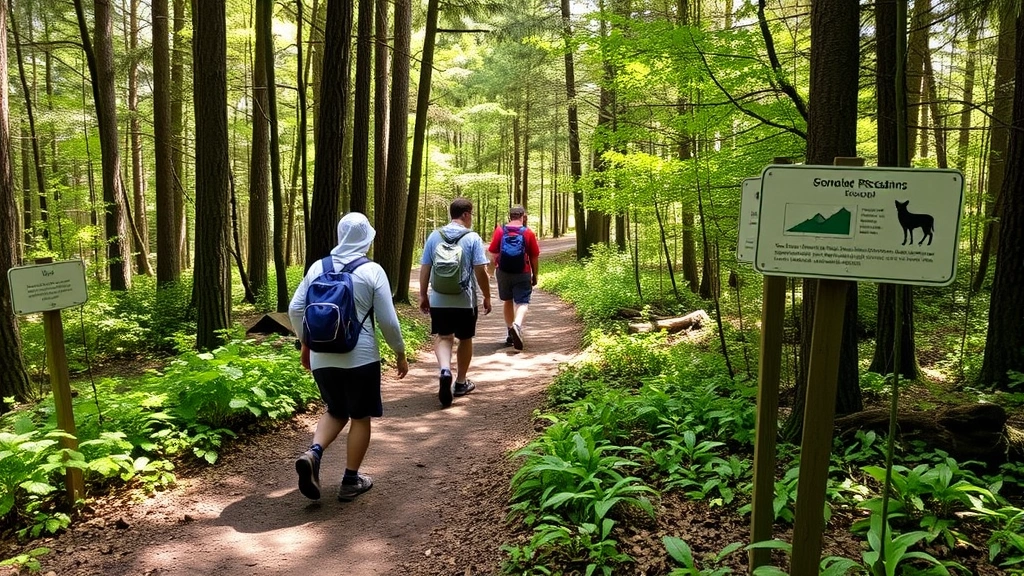
The World Tourism Organization estimates that nature-based tourism generates over $600 billion annually globally, representing approximately 7% of total international tourist arrivals. Local ecosystem quality directly determines a region’s competitiveness in this market. Volunteers working on trail maintenance, habitat enhancement, wildlife protection, and scenic area restoration increase the attractiveness and safety of these destinations, directly boosting visitation and associated economic activity.
Recreational property—vacation homes, lodges, resorts—commands significant premiums in communities known for ecosystem health and volunteer conservation activity. Properties adjacent to volunteer-maintained nature preserves, restored wetlands, or enhanced wildlife corridors appreciate 15-25% faster than comparable properties in areas without active conservation efforts. This property value appreciation generates tax revenue, increases household wealth, and attracts real estate investment capital to communities.
Outdoor recreation businesses—outfitters, guides, equipment rental operations—flourish in communities where volunteers maintain trails, manage access points, protect wildlife habitat, and enhance scenic quality. A single volunteer-maintained hiking trail system can generate $500,000+ annually in economic activity through visitor spending on lodging, meals, equipment, and services. Communities with comprehensive volunteer-maintained trail networks frequently experience tourism economic growth rates 2-3 times higher than regional averages.
Real Estate and Property Value Dynamics
The human environment interaction fundamentally shapes real estate markets. Properties in communities with demonstrable ecosystem health and active volunteer conservation efforts command substantial market premiums. Hedonic pricing studies analyzing real estate transactions consistently document that properties with proximity to volunteer-maintained green spaces, restored ecosystems, or protected natural areas sell 8-15% above comparable properties lacking these amenities.
Urban and suburban real estate markets particularly reflect ecosystem quality premiums. Neighborhoods where volunteers have restored riparian corridors, enhanced park systems, or created community gardens experience property value appreciation that outpaces citywide averages by 200-400 basis points annually. This differential appreciation reflects buyer preferences for environmental quality, health benefits associated with green space access, and perceived community stability indicated by active volunteer engagement.
Commercial real estate also responds to local ecosystem quality. Businesses seeking to attract and retain talent increasingly prioritize locations with high environmental quality and active conservation communities. Companies report that access to quality natural areas and visible community environmental stewardship positively influence recruitment, retention, and employee productivity. This preference translates into commercial property premiums of 5-12% in ecosystem-healthy communities, driving commercial real estate investment and generating municipal tax revenue growth.
The capitalization of ecosystem quality into real estate values creates a powerful economic incentive structure supporting volunteer conservation efforts. Property owners benefit directly from ecosystem enhancement through property appreciation, while communities benefit through expanded tax bases funding public services. This alignment of individual and collective interests has proven particularly effective in generating sustained volunteer engagement in affluent communities where property values constitute substantial household wealth.
Health Economics and Reduced Public Expenditures
Volunteer ecosystem restoration projects generate substantial public health benefits that translate into reduced healthcare expenditures and increased economic productivity. Access to quality natural areas and participation in environmental volunteering produce documented improvements in mental health, physical fitness, stress reduction, and chronic disease management. These health improvements reduce healthcare utilization rates and associated public expenditures while increasing workforce productivity.
Research from environmental health economics demonstrates that communities with high-quality green space and active outdoor recreation opportunities experience 10-15% reductions in depression and anxiety diagnoses compared to communities lacking such amenities. Mental health improvements generate economic value through reduced psychiatric medication utilization, decreased absenteeism, and improved workplace productivity. A single community of 50,000 residents implementing comprehensive volunteer-driven ecosystem enhancement programs can expect annual mental health-related economic benefits exceeding $20-30 million.
Physical activity enabled by volunteer-maintained trail systems, parks, and natural areas generates substantial disease prevention benefits. Communities with robust recreation infrastructure experience measurably lower rates of obesity, cardiovascular disease, and type-2 diabetes. These disease reductions translate into healthcare cost savings of $1,500-3,000 per capita annually, representing aggregate community savings of $75-150 million annually for mid-sized metropolitan areas.
Air quality improvements resulting from volunteer-driven urban forest restoration and green space expansion produce respiratory health benefits worth substantial economic value. Studies quantifying air pollution health costs estimate that each volunteer hour spent in urban tree planting generates $8-15 in air quality health benefits. Communities that have systematized volunteer tree-planting efforts report measurable air quality improvements and associated healthcare cost reductions exceeding $5-10 million annually.
Agricultural Productivity and Ecosystem Restoration
Agricultural regions benefit substantially from volunteer ecosystem restoration efforts that enhance pollinator populations, improve soil health, and expand water availability. Volunteer work in native plant restoration, hedgerow establishment, and pollinator habitat creation directly supports agricultural productivity and farmer profitability. The economic value of pollination services alone exceeds $15 billion annually in the United States, with volunteer-driven habitat enhancement substantially contributing to these ecosystem services.
Volunteer involvement in carbon sequestration through agroforestry and soil conservation creates economic opportunities through emerging carbon credit markets. Agricultural landowners increasingly monetize carbon sequestration through voluntary carbon offset programs, with volunteer-implemented restoration practices substantially increasing carbon storage capacity. These emerging markets create new income streams for agricultural communities while simultaneously generating volunteer opportunities and employment in carbon management and verification.
Water availability represents a critical agricultural economic factor, particularly in regions experiencing increasing drought stress. Volunteer-driven watershed restoration, wetland rehabilitation, and aquifer recharge enhancement projects increase water availability for agricultural use. In water-stressed regions, these volunteer efforts can increase agricultural productivity by 15-30%, generating millions in additional agricultural revenue while simultaneously enhancing ecosystem resilience and supporting non-agricultural water users.
Soil health improvement through volunteer-implemented conservation practices directly enhances agricultural productivity and reduces input costs. Volunteer work in cover cropping, composting, and erosion control reduces farmer dependence on synthetic fertilizers and pesticides while improving soil carbon content and water retention. These improvements increase long-term soil productivity and profitability while generating ecosystem co-benefits including biodiversity enhancement and water quality improvement.
Finding and Maximizing Your Volunteer Impact
Identifying high-impact environment volunteer opportunities near me requires understanding both local ecosystem priorities and personal capacity for engagement. Digital platforms including VolunteerMatch, Conservation Corps, and local environmental nonprofit websites provide searchable databases of opportunities organized by location, time commitment, and skill requirements. Community-based organizations, municipal parks departments, and university extension services typically maintain volunteer opportunity listings and can facilitate connections between interested individuals and impactful projects.
Maximizing volunteer impact requires strategic project selection focused on ecosystem services with highest economic multiplier effects. Volunteer efforts in riparian restoration, wetland rehabilitation, and native habitat establishment typically generate 3-5 times greater economic value per volunteer hour than equivalent effort in landscaping or basic maintenance. Understanding local ecosystem priorities and economic challenges enables volunteers to direct effort toward interventions addressing both environmental and economic community needs.
Long-term volunteer commitment substantially increases economic impact. Projects requiring multi-year engagement for measurable outcomes—such as forest restoration, prairie establishment, or invasive species management—generate compounding economic returns as ecosystem services accumulate. Volunteers committing 100+ annual hours typically generate 2-3 times greater economic value per hour than those contributing smaller time commitments, reflecting the importance of sustained engagement.
Collaborative volunteer efforts leveraging complementary skills and knowledge generate substantially greater impact than individual efforts. Volunteer teams combining ecological expertise, project management capability, community organizing, and physical labor capacity can implement complex restoration projects generating $50,000-200,000+ in annual ecosystem service value. Communities facilitating volunteer collaboration through organized programs and training initiatives consistently achieve higher per-volunteer economic returns.
Professional development through volunteer engagement enhances both individual economic prospects and project impact quality. Volunteers seeking to develop skills in ecological restoration, environmental consulting, or conservation management can structure their volunteer work to build professional credentials while generating project value. This integration of human capital development with conservation outcomes creates win-win dynamics supporting sustained volunteer engagement and career development in environmental sectors.
Measuring and communicating volunteer economic impact enhances community support and funding for conservation programs. Communities that systematically document and publicly communicate the economic value generated by volunteer efforts experience increased volunteer recruitment, expanded philanthropic funding, and enhanced political support for environmental initiatives. Economic impact documentation creates accountability mechanisms ensuring volunteer efforts address genuine community priorities while generating demonstrable returns on volunteer time investment.
Understanding sustainable practices across economic sectors provides broader context for environmental volunteering. Recognizing how consumption patterns and supply chain decisions affect local ecosystems enables volunteers to align their professional and personal economic decisions with conservation objectives, amplifying impact beyond direct volunteer work.
Integrating volunteer ecosystem restoration with renewable energy adoption and home sustainability practices creates comprehensive community environmental and economic strategies. Communities where volunteers engage simultaneously in ecosystem restoration, renewable energy adoption, and sustainable consumption demonstrate the most substantial economic benefits through compounding effects across multiple environmental and economic systems.
The Ecorise Daily blog provides ongoing resources for understanding ecosystem-economy connections and identifying local volunteer opportunities aligned with economic sustainability objectives. Staying informed about emerging research in ecological economics and conservation practice enables volunteers to direct efforts toward interventions with highest evidence-based effectiveness.
FAQ
What types of volunteer opportunities generate the highest economic value?
Volunteer efforts in ecosystem restoration—including riparian rehabilitation, wetland enhancement, native habitat establishment, and forest management—typically generate $25-75 in ecosystem service value per volunteer hour. These interventions produce compounding returns through enhanced water quality, increased pollinator populations, improved carbon sequestration, and expanded recreational value. In contrast, landscaping and maintenance-focused volunteering typically generates $5-15 per hour in economic value, though such work remains important for project sustainability and accessibility.
How can communities measure volunteer economic impact?
Economic impact measurement employs ecosystem service valuation methodologies that quantify benefits across water quality, pollination, carbon sequestration, recreation, and property value enhancement. Communities can utilize ecosystem service valuation tools developed by UNEP and research institutions, conduct contingent valuation surveys assessing community willingness-to-pay for ecosystem improvements, or employ benefit transfer methods applying economic values from comparable projects. Professional environmental consultants can conduct comprehensive economic impact assessments, though communities can implement simplified measurement approaches using published ecosystem service value estimates.
What is the relationship between volunteer ecosystem work and employment creation?
Volunteer-driven conservation projects reduce operational costs for environmental organizations, enabling expanded employment of professional staff and specialists. Successful volunteer initiatives attract funding from government, philanthropic, and corporate sources, directly supporting job creation. Volunteers frequently transition into paid environmental positions, while volunteer-demonstrated commitment and expertise attracts investment in environmental sectors. Studies document that each 10 volunteer full-time equivalents enable creation of 1-2 permanent professional positions in conservation and environmental management.
How do local ecosystems specifically boost property values?
Properties proximate to volunteer-maintained green spaces, restored ecosystems, and protected natural areas experience 8-15% price premiums compared to comparable properties lacking these amenities. Ecosystem proximity provides aesthetic benefits, recreation access, health advantages, and perceived environmental stability. Urban properties adjacent to volunteer-restored wetlands or green corridors consistently appreciate 200-400 basis points faster than citywide averages. Commercial real estate similarly commands premiums in communities with high environmental quality, reflecting business preferences for locations supporting employee recruitment and retention.
What role do volunteers play in supporting agricultural economies?
Volunteer restoration of native habitats, hedgerows, and pollinator corridors directly supports agricultural productivity through enhanced pollination services valued at $15+ billion annually in the United States. Volunteer work in soil conservation, agroforestry, and water management enhances agricultural resilience and profitability. Emerging carbon credit markets increasingly monetize volunteer-implemented conservation practices, creating new income streams for agricultural landowners. In water-stressed regions, volunteer watershed restoration can increase agricultural productivity by 15-30%, generating millions in additional revenue.
How does ecosystem quality affect tourism and recreation economics?
Nature-based tourism generates over $600 billion annually globally, with local ecosystem quality determining regional competitiveness. Volunteer-maintained trails, restored habitats, and enhanced scenic areas directly increase tourism visitation and spending. Communities with comprehensive volunteer-maintained recreation infrastructure experience tourism economic growth rates 2-3 times higher than regional averages. Outdoor recreation businesses flourish in volunteer-supported environments, with single trail systems generating $500,000+ in annual economic activity through visitor spending.
What health benefits result from volunteer ecosystem work and ecosystem access?
Communities with high-quality green space and active outdoor recreation experience 10-15% reductions in depression and anxiety diagnoses. Physical activity enabled by volunteer-maintained trails produces measurable reductions in obesity and chronic disease, generating healthcare cost savings of $1,500-3,000 per capita annually. Air quality improvements from volunteer urban forestry produce respiratory health benefits worth $8-15 per volunteer hour. Aggregate community health economic benefits from comprehensive ecosystem enhancement programs exceed $20-150 million annually for mid-sized metropolitan areas.


