Spain’s Green Economy: Expert Insights
Spain stands at the forefront of Europe’s ecological transition, transforming its economy while maintaining competitive advantage in a rapidly decarbonizing world. With ambitious climate targets and substantial investments in renewable infrastructure, the Spanish economy demonstrates how environmental stewardship and economic growth can advance simultaneously. This comprehensive analysis explores Spain’s green economy trajectory, examining policy frameworks, sectoral innovations, and the challenges that remain.
The Spanish green economy represents a paradigm shift from traditional industrial models toward sustainable production and consumption patterns. Government initiatives, private sector innovation, and citizen engagement create a dynamic ecosystem where environmental protection drives economic opportunity. Understanding Spain’s approach offers valuable lessons for other nations navigating the complex intersection of climate action and economic development.
Renewable Energy Leadership and Infrastructure
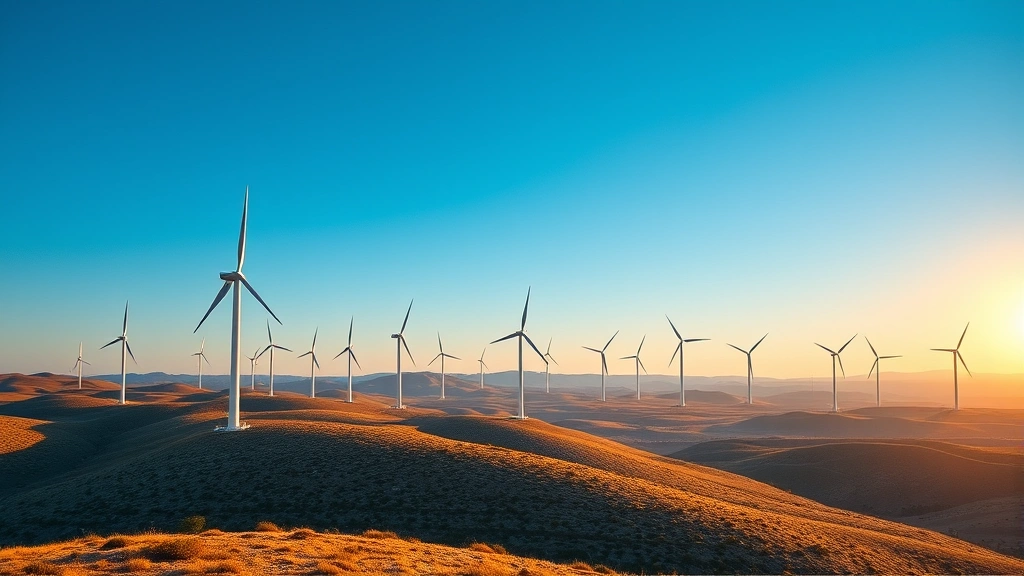
Spain’s renewable energy sector has experienced remarkable expansion over the past two decades, establishing the nation as a European leader in wind and solar power generation. The country’s geographical advantages—abundant sunshine throughout Mediterranean regions and consistent Atlantic wind patterns—create ideal conditions for renewable deployment. By 2023, renewables accounted for approximately 47% of Spain’s electricity generation, with targets to reach 81% by 2030 under the Climate and Energy Framework.
Wind energy represents Spain’s most developed renewable sector, with installed capacity exceeding 29 gigawatts across onshore installations. The country pioneered innovative wind turbine technologies and manufacturing, creating a competitive advantage in both domestic and international markets. Solar photovoltaic capacity has grown exponentially, particularly following regulatory reforms that enhanced profitability and investment certainty. Concentrated solar power (CSP) facilities, primarily located in Andalusia, demonstrate Spain’s commitment to diverse renewable technologies.
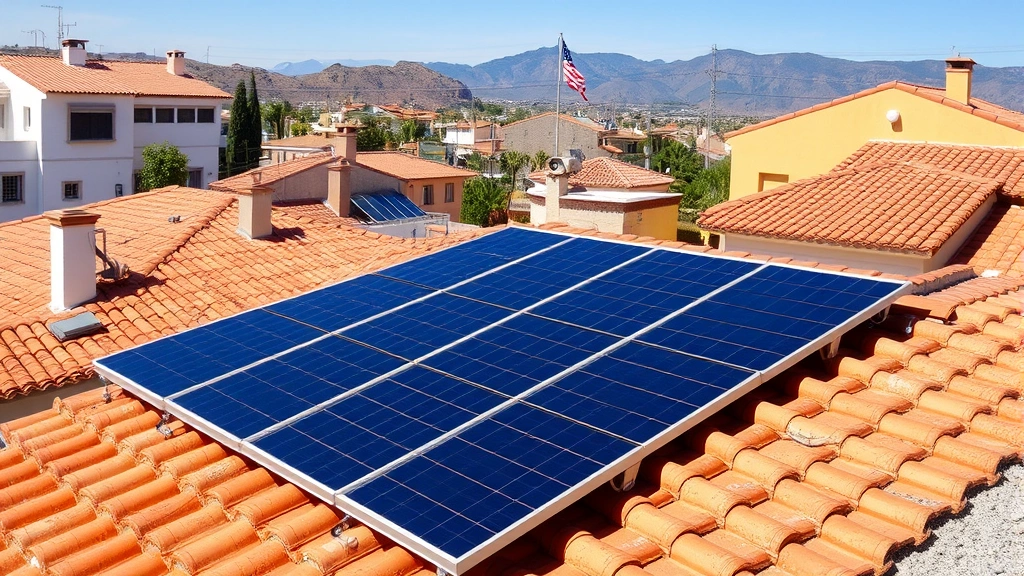
The integration of distributed renewable energy through rooftop solar installations has democratized energy production, enabling households and small businesses to participate in the green transition. This decentralization strengthens grid resilience while reducing transmission losses. Battery storage infrastructure development addresses intermittency challenges, with multiple projects utilizing lithium-ion and alternative chemistries to store excess generation capacity.
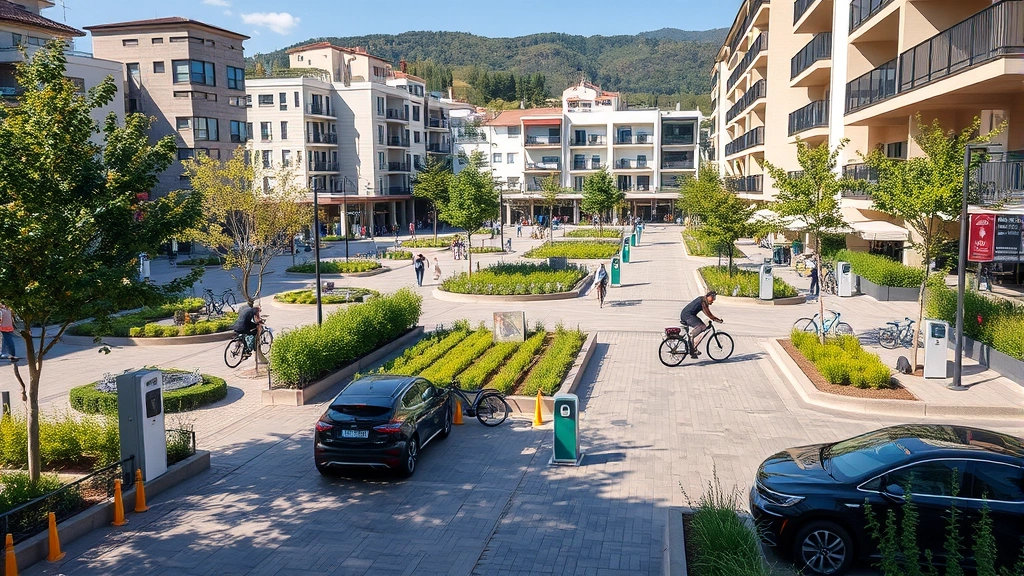
Spain’s renewable infrastructure investments extend beyond electricity generation. The country has developed Europe’s most extensive network of electric vehicle charging stations, with over 20,000 public chargers facilitating transportation electrification. Hydrogen production facilities utilizing renewable electricity are emerging, particularly in industrial clusters, positioning Spain as a potential hydrogen export hub for European markets.
For comprehensive information about transitioning to clean energy systems, explore our renewable energy for homes guide to understand residential deployment strategies.
Policy Framework and Climate Commitments
Spain’s climate policy architecture reflects European Union directives while incorporating national priorities specific to Spanish environmental and economic contexts. The Climate Change and Energy Transition Law, enacted in 2021, establishes binding targets for greenhouse gas reduction and renewable energy expansion. This legislation commits Spain to achieving climate neutrality by 2050, with intermediate targets requiring 55% emissions reduction by 2030 compared to 1990 levels.
The National Energy and Climate Plan (NECP) operationalizes these commitments through sector-specific strategies addressing energy, transport, agriculture, and industry. The plan allocates substantial public investment while leveraging private capital through regulatory certainty and market-based mechanisms. Carbon pricing through the EU Emissions Trading System creates economic incentives for emissions reductions across covered sectors.
Just Transition mechanisms embedded within Spanish climate policy recognize the importance of supporting workers and communities dependent on fossil fuel industries. The government provides retraining programs, economic diversification support, and social safety nets for mining regions and coal-dependent municipalities. This integrated approach acknowledges that sustainable economic transitions require addressing distributional impacts and ensuring no communities bear disproportionate burdens.
The Spanish government’s recovery plan, aligned with the European Union’s Recovery and Resilience Facility, channels billions of euros toward green infrastructure, energy efficiency, and circular economy initiatives. These investments prioritize projects with high environmental and economic multiplier effects, maximizing job creation while advancing climate objectives.
International cooperation amplifies Spain’s climate leadership. The country hosts climate finance initiatives supporting developing nations’ transitions, participates actively in UNFCCC negotiations, and collaborates with Mediterranean partners on shared environmental challenges. This diplomatic engagement strengthens Spain’s influence in shaping global climate governance.
Learn more about reducing environmental impact through our article on how to reduce carbon footprint for individual and organizational strategies.
Sectoral Transformation and Innovation
Spain’s green economy transformation extends across multiple economic sectors, each adapting business models and production processes to environmental imperatives. The manufacturing sector increasingly adopts circular economy principles, redesigning products for durability, repairability, and material recovery. Industrial clusters in Catalonia, Valencia, and the Basque Country lead innovation in green manufacturing technologies.
Tourism, Spain’s largest service sector, undergoes significant transformation toward sustainable models. Coastal destinations implement carrying capacity limits, water conservation measures, and renewable energy transitions. Rural and agritourism initiatives promote nature-based tourism that generates income while preserving ecosystems. This sectoral shift demonstrates how environmental protection can enhance rather than diminish economic value.
Agricultural innovation focuses on sustainable intensification, reducing chemical inputs while maintaining productivity. Precision agriculture technologies—utilizing satellite imagery, soil sensors, and data analytics—optimize resource use and minimize environmental impacts. Organic farming expansion, particularly in Andalusia and Castilla-La Mancha, captures growing market demand for environmentally-certified products.
The Spanish fashion industry, historically concentrated in the Mediterranean region, increasingly emphasizes sustainable materials and ethical production. Several Spanish brands have become international leaders in sustainable fashion innovation, demonstrating that environmental responsibility creates competitive differentiation. Our comprehensive sustainable fashion brands guide highlights industry innovations relevant to Spain’s sectoral transformation.
Financial services and banking sectors integrate environmental, social, and governance (ESG) criteria into lending and investment decisions. Spanish financial institutions increasingly divest from fossil fuel projects while expanding green finance products. This capital reallocation accelerates the economy-wide transition by making sustainable investments more accessible and cost-competitive.
Research institutions and universities drive green innovation through applied research, technology transfer, and entrepreneur development. Spain’s scientific community contributes to advancing renewable energy efficiency, circular material technologies, and ecosystem restoration methodologies. International research collaborations amplify innovation impact and facilitate knowledge exchange.
Employment and Economic Benefits
Spain’s green economy expansion generates substantial employment opportunities across skill levels and geographic regions. The renewable energy sector alone employs over 80,000 workers, with projections for significant growth as capacity targets increase. These positions span manufacturing, installation, maintenance, and administrative functions, creating diverse career pathways.
Energy efficiency retrofitting of Spain’s building stock—addressing aging residential and commercial structures—creates labor-intensive employment opportunities with limited automation potential. Skilled trades including electricians, insulation specialists, and HVAC technicians experience strong demand growth. Regional deployment ensures employment benefits reach areas previously dependent on declining industries.
The circular economy sector generates employment in waste management, material recovery, remanufacturing, and reverse logistics. These activities transform waste streams into valuable resources, creating businesses that would not exist in linear economic models. Small and medium enterprises (SMEs) often lead circular economy innovation, with government support accelerating scaling.
Green transition employment generally offers competitive wages and career advancement opportunities, frequently exceeding fossil fuel industry compensation. This economic advantage attracts workers while improving living standards in transition regions. Youth employment particularly benefits, as green sectors attract younger workers seeking meaningful work aligned with environmental values.
Macroeconomic analysis demonstrates Spain’s green transition generating positive net employment effects despite sectoral disruptions. Investment in renewable infrastructure, energy efficiency, and sustainable transportation creates more jobs per unit of capital investment than fossil fuel industries. This employment multiplier effect generates broader economic growth as workers spend wages throughout local economies.
Export opportunities emerge as Spain develops expertise in renewable technologies, sustainable manufacturing, and circular economy solutions. Spanish companies export renewable energy equipment, green building materials, and environmental technologies to international markets. This export growth strengthens the trade balance while establishing Spain as a sustainability solutions provider.
Challenges and Future Outlook
Despite significant progress, Spain’s green economy transition faces substantial challenges requiring continued policy attention and investment. Energy poverty persists among vulnerable populations, with low-income households struggling to afford energy bills and access efficiency improvements. Ensuring just transition requires targeted social support preventing exclusion from green economy benefits.
Industrial competitiveness concerns emerge as European climate policies increase energy costs for energy-intensive sectors. Spain’s chemical, steel, and cement industries face pressure from higher carbon prices absent protective measures. The EU’s Carbon Border Adjustment Mechanism aims to address competitiveness impacts, but implementation details require careful calibration.
Infrastructure investment needs remain substantial, particularly for electricity grid modernization enabling higher renewable penetration. Smart grid technologies, transmission capacity expansion, and distribution system upgrades require billions in capital investment. Public-private partnership models increasingly finance these infrastructure projects, though risk allocation and regulatory frameworks require continuous refinement.
Water scarcity in southern and central Spain creates constraints for some industrial processes and agricultural applications. Climate change exacerbates drought conditions, necessitating water efficiency improvements and alternative supply development. Desalination utilizing renewable energy represents one solution, though environmental impacts of brine discharge require management.
Skills gaps persist as green sectors expand faster than workforce training capacity. Technical education and vocational training programs require expansion and curriculum updating to prepare workers for emerging opportunities. Universities and training institutions increasingly partner with employers to align education with labor market needs.
The latest environmental news and analysis tracks Spain’s progress addressing these challenges while documenting emerging opportunities.
Future outlook for Spain’s green economy remains positive, with several factors supporting continued transition acceleration. European Union climate policies create regulatory certainty encouraging long-term investment. Technological costs for renewables and battery storage continue declining, improving project economics. Public support for climate action remains strong, providing political foundation for ambitious policies.
By 2030, Spain aims to establish itself as a European green economy leader, with renewable energy dominating electricity generation and transportation electrification advancing substantially. Industrial decarbonization through hydrogen and electrification technologies will accelerate, supported by infrastructure investments. Circular economy practices will become mainstream across manufacturing and consumer sectors.
International positioning as a sustainability solutions provider offers growth opportunities as global climate action accelerates. Spain’s geographic proximity to African markets positions the country advantageously for technology transfer and green finance partnerships supporting African clean energy transitions. Mediterranean cooperation on climate adaptation and mitigation strengthens Spain’s regional influence.
Explore our environment photo collection documenting Spain’s ecological landscapes and green infrastructure developments.
FAQ
What percentage of Spain’s electricity comes from renewable sources?
As of 2023, approximately 47% of Spain’s electricity generation derives from renewable sources, primarily wind and solar. Government targets aim for 81% renewable electricity by 2030, supported by continued infrastructure investment and technological advancement. This trajectory positions Spain among Europe’s renewable energy leaders.
How does Spain’s green economy create employment?
Spain’s green economy expansion generates employment across renewable energy installation and maintenance, energy efficiency retrofitting, circular economy activities, and sustainable transportation infrastructure. These sectors employ over 80,000 workers directly, with broader economic multiplier effects creating additional indirect employment. Skills training programs support workforce transition from declining fossil fuel sectors.
What policy mechanisms drive Spain’s green transition?
Spain’s green transition operates through multiple policy mechanisms including the Climate Change and Energy Transition Law establishing binding targets, the National Energy and Climate Plan operationalizing sector-specific strategies, the EU Emissions Trading System creating carbon pricing incentives, and Just Transition programs supporting affected workers and communities. European Union recovery funds provide substantial capital investment.
What challenges does Spain face in its green transition?
Primary challenges include energy poverty affecting vulnerable populations, industrial competitiveness concerns from higher carbon costs, substantial infrastructure investment requirements, water scarcity in southern regions, and skills gaps in emerging green sectors. Addressing these challenges requires integrated policy approaches balancing environmental and social objectives.
How does Spain’s green economy compare internationally?
Spain ranks among Europe’s renewable energy leaders by capacity and generation percentage, with renewable electricity exceeding 47% of total generation. The country’s policy framework aligns with European Union climate targets while incorporating national priorities. Spain’s green economy innovations in renewable technologies, sustainable tourism, and circular manufacturing position it competitively in global sustainability transitions.
For additional environmental insights and analysis, visit our environment coverage featuring comprehensive reporting on ecological and economic developments.
Spain’s green economy transformation demonstrates that ambitious climate action and economic prosperity are complementary objectives rather than competing priorities. Through strategic policy, technological innovation, sectoral adaptation, and inclusive transition mechanisms, Spain constructs an economic model generating prosperity while protecting environmental systems. The Spanish experience offers valuable lessons for nations worldwide navigating the complex transition toward sustainable, resilient, and equitable economies. As global climate imperatives intensify, Spain’s expertise and experience position the country as a strategic partner supporting worldwide green economy development and implementation.


