
Youth’s Role in Green Economy: Study Insights
The global transition toward a green economy represents one of the most significant economic restructurings of the 21st century, and young people are emerging as essential catalysts for this transformation. Recent studies reveal that individuals aged 15-35 are not merely passive participants in environmental change—they are actively reshaping markets, influencing policy, and driving innovation in sustainable sectors. This demographic shift reflects a fundamental realization that environmental sustainability and economic prosperity are inseparable objectives, and youth possess the skills, digital literacy, and ideological commitment necessary to bridge the gap between current practices and future possibilities.
The green economy encompasses economic activities that reduce environmental impact while generating employment and income. Unlike traditional economic models that externalize environmental costs, the green economy internalizes these externalities, creating what ecological economists term “true cost accounting.” Youth engagement in this transition is not incidental—it is fundamental. Young people bring technological fluency, entrepreneurial energy, and an acute awareness of climate urgency that older generations often lack. They are simultaneously consumers with purchasing power, workers entering labor markets, voters shaping policy, and innovators developing solutions to environmental challenges.
Youth as Green Economy Innovators and Entrepreneurs
Young entrepreneurs are spearheading innovation in renewable energy, circular economy solutions, and sustainable agriculture. According to research from the World Bank, approximately 40% of cleantech startups globally are founded by individuals under 35. These ventures address critical environmental challenges while creating economic value—a duality that defines the modern green economy.
The entrepreneurial landscape for youth in green sectors includes renewable energy development, sustainable fashion technology, regenerative agriculture platforms, and carbon capture innovations. What distinguishes youth-led enterprises is their native integration of digital tools and data analytics. Young founders leverage artificial intelligence, blockchain, and Internet of Things technologies to optimize resource use and create transparency in supply chains. For instance, youth-founded companies are developing apps that track food waste in restaurants, platforms connecting consumers with sustainable fashion brands, and systems that monitor carbon sequestration in soil.
Beyond traditional startups, youth are innovating within established corporations through intrapreneurship programs. They challenge conventional business models, propose circular economy strategies, and push organizations toward environmental accountability. This internal pressure from younger employees represents a significant driver of corporate sustainability commitments. Studies show that companies with substantial youth representation in innovation teams report higher rates of successful environmental initiatives and stronger financial performance in green sectors.
The role of education in fostering youth innovation cannot be overstated. Universities and vocational institutions increasingly offer specialized programs in green technology, ecological economics, and sustainable business management. These educational pathways equip young people with both technical competencies and systems-thinking frameworks necessary to address complex environmental-economic challenges. Understanding environmental science fundamentals combined with economic analysis creates a powerful skill set for green economy leadership.

Employment Pathways in Sustainable Sectors
The green economy is generating employment opportunities at unprecedented rates. The International Labour Organization estimates that renewable energy alone could create 24 million jobs globally by 2030, with youth comprising a significant proportion of this workforce. Unlike declining traditional industries, green sectors offer diverse career pathways ranging from technical roles in renewable energy installation to policy analysis, environmental consulting, and sustainable urban planning.
Youth employment in green sectors exhibits distinct characteristics. First, these positions often require continuous learning, appealing to younger workers’ preferences for development and skill advancement. Second, green jobs frequently offer purpose-driven work aligned with personal values—a priority for 73% of millennials and Gen Z workers according to recent surveys. Third, many green positions provide geographic flexibility and remote work options, particularly in digital sustainability roles like carbon accounting, environmental compliance monitoring, and sustainable supply chain management.
Specific sectors experiencing youth employment growth include:
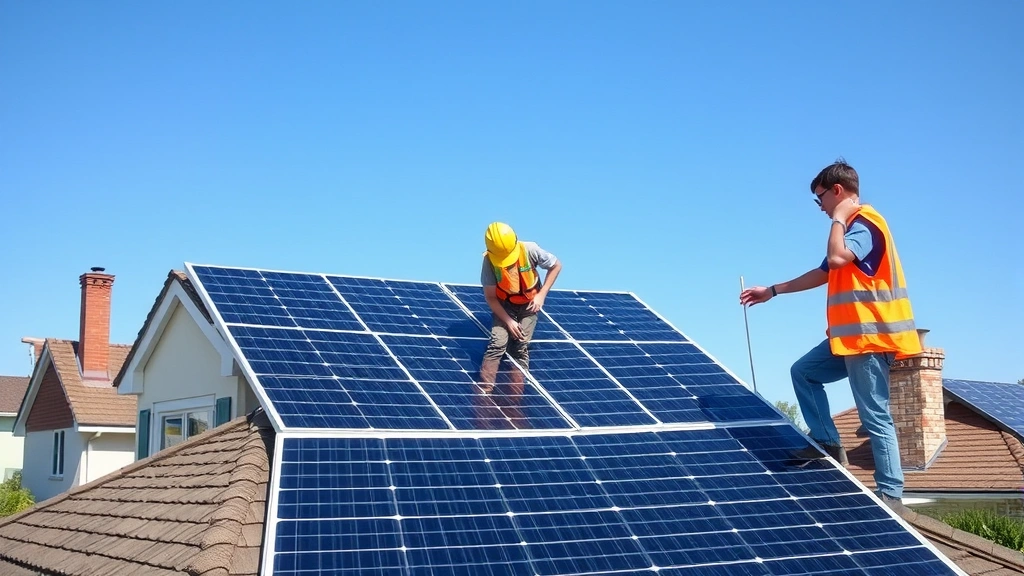
- Renewable Energy: Solar and wind installations require skilled technicians, engineers, and project managers. Youth entering these fields benefit from job security and competitive wages.
- Energy Efficiency: Building retrofit programs employ youth in auditing, installation, and maintenance roles while helping organizations reduce carbon footprint.
- Circular Economy: Waste management, recycling technology, and product design for longevity create diverse employment opportunities.
- Sustainable Agriculture: Regenerative farming, agroforestry, and precision agriculture employ youth in both manual and technical capacities.
- Environmental Monitoring: Data collection, environmental impact assessment, and ecosystem restoration projects utilize youth’s technological capabilities.
However, employment pathways require intentional support. Youth often face barriers including lack of prior experience, limited access to training programs, and geographic constraints. Successful models combine apprenticeship programs, government incentives, and corporate partnerships to create accessible entry points. Countries like Denmark and Germany have established dual-education systems where youth simultaneously work and study in green sectors, creating seamless transitions from education to employment.
Consumer Behavior and Market Transformation
Youth consumption patterns are fundamentally reshaping markets toward sustainability. Approximately 62% of global consumers aged 18-34 would change their consumption habits to reduce environmental impact, compared to 47% of older demographics. This purchasing power translates into market signals that accelerate corporate sustainability transitions and create competitive advantages for environmentally responsible businesses.
The phenomenon of “conscious consumption” among youth manifests across multiple sectors. In fashion, young consumers increasingly favor secondhand and rental models, driving platforms like Depop and Rent the Runway. In food systems, youth demand for plant-based alternatives has grown 1,200% in the past decade, compelling major food corporations to invest in alternative protein development. In energy, young homeowners prioritize renewable energy for homes, creating demand for residential solar and battery storage systems.
Social media amplifies youth market influence through peer networks and influencer communities. Sustainability messaging spreads rapidly through platforms like TikTok and Instagram, where environmental advocates reach millions instantaneously. This digital activism creates reputational incentives for corporations to adopt sustainable practices. Companies that fail to address environmental concerns face rapid social media backlash, while those demonstrating genuine commitment attract youth loyalty and advocacy.
The financial implications are substantial. According to analysis from ecological economics research institutions, youth-driven market segments for sustainable products are growing 3-5 times faster than conventional markets. This growth attracts investment capital, spurring innovation and economies of scale that reduce green product prices, making sustainability increasingly accessible across income levels.
Policy Influence and Civic Engagement
Youth engagement in environmental policy extends beyond voting. Young people are organizing climate strikes, participating in legislative advocacy, serving on environmental commissions, and building political movements centered on ecological sustainability. The youth climate movement, exemplified by figures like Greta Thunberg, has mobilized millions and influenced policy trajectories in numerous countries.
This civic engagement reflects what political ecologists term “democratic environmentalism”—the assertion that environmental decisions should incorporate voices of those most affected by climate consequences. Youth, who will inhabit Earth for 60+ additional years, possess legitimate moral standing in environmental governance. This principle has translated into policy innovations including youth councils with decision-making authority, mandatory youth representation on environmental boards, and youth-led policy development processes.
Specific policy achievements driven by youth include:
- Establishment of constitutional rights to healthy environment in several countries
- Acceleration of fossil fuel divestment from institutional portfolios
- Strengthened climate commitments in national policies
- Creation of youth employment programs in green sectors
- Integration of climate education into school curricula
Youth advocacy also influences corporate policy through shareholder activism and stakeholder engagement. Young investors increasingly demand climate risk disclosure and environmental accountability from companies. This pressure has prompted major corporations to commit to net-zero emissions targets and circular economy principles. The intersection of youth consumer power, investment activism, and political mobilization creates a multifaceted pressure system driving systemic environmental-economic transformation.
Understanding human environment interaction from youth perspectives reveals how generational differences in environmental values shape policy preferences and market demands. Youth prioritize long-term ecosystem health over short-term economic gains, fundamentally reorienting policy discussions toward sustainability.
Barriers and Systemic Challenges
Despite significant progress, youth face substantial barriers to full participation in green economy transitions. Structural inequalities based on geography, socioeconomic status, race, and gender disproportionately limit youth access to green economy opportunities.
Geographic barriers are particularly acute. Youth in developing regions often lack access to training programs, capital, and market connections necessary for green entrepreneurship. Rural youth face limited employment opportunities in green sectors, requiring migration to urban centers. This geographic inequality perpetuates uneven development patterns and limits the global green economy’s potential.
Financial barriers constrain youth participation. Green businesses typically require significant upfront capital for renewable energy infrastructure or sustainable technology development. Young people, particularly from marginalized communities, have limited access to venture capital and business financing. Educational barriers similarly restrict opportunity—quality training in green sectors remains geographically concentrated and expensive.
Systemic discrimination affects youth from minority backgrounds. Studies show that youth of color face discrimination in hiring, entrepreneurship support, and access to environmental leadership positions. Gender disparities persist, particularly in technical green sectors like renewable energy engineering, where women comprise only 20-25% of the workforce. LGBTQ+ youth report additional barriers including workplace discrimination and exclusion from mentorship networks.
Political and economic structures also constrain youth impact. Fossil fuel subsidies and entrenched industrial interests resist youth-driven transitions. Many governments lack coherent policies supporting youth green entrepreneurship. Labor market rigidities prevent flexibility necessary for youth to pursue innovative environmental work. These systemic challenges require intentional policy intervention and resource allocation to ensure equitable youth participation in green economy development.
Global Case Studies and Success Models
Examining successful youth green economy initiatives reveals replicable models and key success factors. Costa Rica’s youth renewable energy sector demonstrates how supportive policy environments accelerate youth participation. The country’s commitment to 100% renewable electricity by 2050 created demand for skilled workers, prompting educational institutions to develop training programs and attracting young talent to energy careers. Government incentives for renewable energy entrepreneurship enabled youth-founded companies to compete effectively.
Rwanda’s youth-led environmental restoration programs illustrate how civic engagement drives ecosystem recovery. Young Rwandans organized tree-planting initiatives that have restored over 2 million hectares of forest. These programs simultaneously address environmental degradation and create employment, demonstrating how environmental restoration and economic development intersect. The initiative’s success prompted government investment in scaling youth environmental programs across sectors.
India’s youth solar energy entrepreneurs showcase how microfinance and cooperative models democratize green entrepreneurship. Youth-led solar companies provide renewable energy access to rural communities while generating income. Government support through loan guarantees and technical assistance enabled thousands of young entrepreneurs to enter the solar sector, creating both environmental and economic benefits.
Denmark’s apprenticeship model in renewable energy demonstrates how education-employment integration supports youth career development. Combining classroom instruction with workplace training, the model creates pathways from school to sustainable employment. Youth gain practical skills while employers access trained workers, creating mutual benefits that accelerate green economy development.
These cases share common success factors: supportive government policy, investment in youth-targeted training and financing, integration of environmental values with economic opportunity, and recognition of youth as essential stakeholders in sustainability transitions. Replicating these models globally requires political commitment and resource allocation prioritizing youth engagement in green economy development.
For comprehensive understanding of environmental-economic integration, explore Ecorise Daily’s blog for additional perspectives on sustainability and economic transformation.
FAQ
Why is youth participation essential for green economy transitions?
Youth bring technological fluency, entrepreneurial energy, climate urgency awareness, and long-term stake in environmental outcomes. They possess skills necessary for innovation while maintaining ideological commitment to sustainability. Additionally, youth represent the majority of future workforce and consumer populations, making their engagement critical for systemic economic transformation.
What are the primary employment opportunities for youth in green sectors?
Major opportunities include renewable energy installation and maintenance, energy efficiency retrofitting, circular economy and waste management, sustainable agriculture and agroforestry, environmental monitoring and data analysis, green building construction, sustainable transportation, and environmental consulting and policy analysis. These sectors offer diverse roles from technical to managerial positions.
How do youth influence corporate sustainability practices?
Youth influence corporations through multiple channels: as consumers prioritizing sustainable products, as employees demanding corporate environmental accountability, as investors supporting climate-conscious companies, and as activists mobilizing public pressure for policy change. This multifaceted influence creates competitive incentives for corporate sustainability adoption.
What barriers prevent youth from fully participating in green economy development?
Key barriers include geographic inequalities limiting training and opportunity access, financial constraints restricting entrepreneurship, educational disparities, systemic discrimination affecting minority youth, and political-economic structures supporting fossil fuel industries. Addressing these barriers requires intentional policy intervention and resource allocation.
How can governments support youth green economy participation?
Effective support mechanisms include youth-targeted training and apprenticeship programs, financing and loan guarantee schemes, educational curriculum development in green sectors, policy environments incentivizing green entrepreneurship, youth representation in environmental governance, and removal of systemic barriers affecting marginalized youth. Integrated approaches combining education, finance, and policy prove most effective.
What role does education play in youth green economy engagement?
Education provides foundational knowledge in environmental science, technical skills in renewable energy and sustainable technologies, systems-thinking frameworks for addressing complex challenges, and entrepreneurial competencies. Quality education creates pathways from school to green employment while developing youth capacity to lead environmental-economic transitions.


