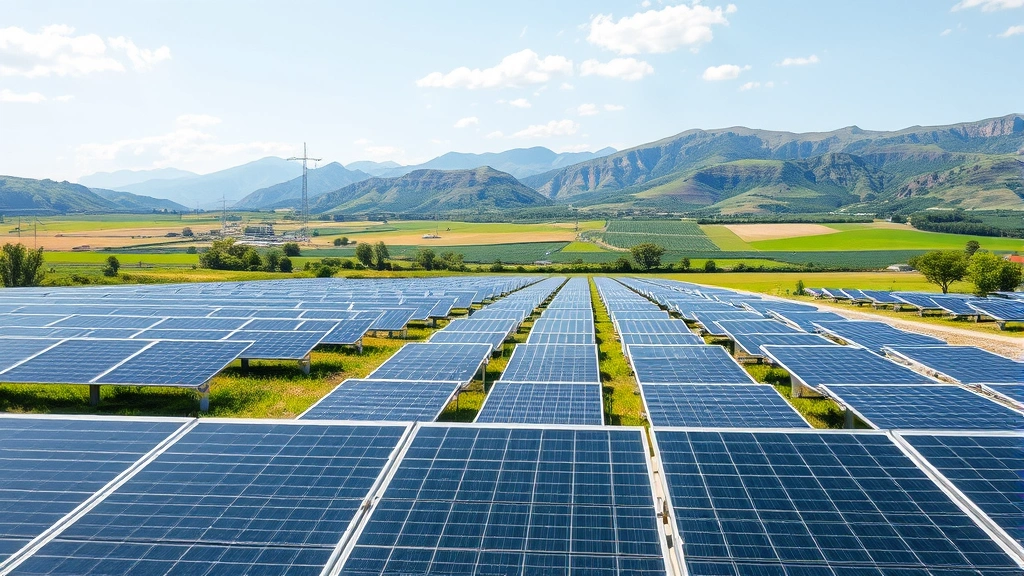
Can Green Bonds Boost Economies? Expert Insight into Environmental Finance
Green bonds represent one of the most promising financial instruments emerging at the intersection of climate action and economic development. These debt securities, specifically designated to fund environmental and climate projects, have grown exponentially over the past decade, attracting institutional investors, governments, and corporations seeking to align financial returns with ecological responsibility. The fundamental question remains: can these instruments genuinely stimulate economic growth while addressing the urgent need for environmental restoration and climate mitigation?
The answer is nuanced and multifaceted. Green bonds have demonstrated measurable capacity to mobilize capital for renewable energy infrastructure, reforestation initiatives, sustainable transportation systems, and pollution control technologies. However, their economic impact depends critically on implementation quality, regulatory frameworks, and integration within broader environmental science and economic policy structures. Understanding this dynamic requires examining the mechanisms through which green bonds function, their proven outcomes, and their limitations.
This comprehensive analysis explores how green bonds operate within modern economies, their demonstrated successes across global markets, the challenges impeding their broader adoption, and expert perspectives on their role in achieving both economic prosperity and ecological sustainability. The evidence suggests green bonds are not merely ethical investments but strategic tools for reshaping capital markets toward regenerative outcomes.

Understanding Green Bonds: Mechanisms and Market Structure
Green bonds function as specialized fixed-income securities where proceeds are explicitly allocated toward environmentally beneficial projects. Unlike conventional bonds, green bonds include strict governance requirements ensuring capital deployment aligns with predefined environmental criteria. The International Capital Market Association established the Green Bond Principles (GBP), providing standardized frameworks for issuance, project categorization, and impact reporting.
The structural mechanics of green bonds create multiple economic advantages. When governments or corporations issue green bonds, they access capital markets at competitive rates while committing proceeds to defined environmental projects. This specificity differentiates green bonds from general corporate debt, creating transparency that appeals to socially conscious institutional investors managing trillions in assets. Environmental finance literature indicates this transparency mechanism reduces information asymmetries that typically plague environmental investments.
Project categories eligible for green bond financing include renewable energy generation (solar, wind, geothermal), energy efficiency retrofitting, sustainable water management, pollution prevention, biodiversity conservation, sustainable agriculture, and climate adaptation infrastructure. Each category demonstrates direct economic productivity alongside environmental benefits. Renewable energy projects, representing approximately 40% of green bond allocations, generate electricity while eliminating fossil fuel expenditures—a dual benefit creating immediate economic value.
The governance structure surrounding green bonds involves multiple stakeholders: issuers (governments, corporations, development banks), investors (asset managers, pension funds, insurance companies), independent verifiers, and rating agencies. This multi-stakeholder approach creates accountability mechanisms absent in conventional environmental spending, where political pressures often divert funds from intended purposes. Third-party verification ensures projects genuinely deliver environmental outcomes, protecting investor interests while guaranteeing ecological integrity.
Market structure has evolved considerably since the first green bond issuance in 2007. Early instruments were primarily issued by multilateral development banks like the World Bank and European Investment Bank. Today, corporate issuers dominate the market, with financial institutions, utilities, and industrial companies accessing green bond financing. This diversification indicates growing market maturity and investor confidence in green investment categories.

Economic Impact: Capital Mobilization and Job Creation
The primary economic argument supporting green bonds centers on capital mobilization capacity. Global green bond issuance reached $500 billion in 2021, representing a compound annual growth rate exceeding 50% since 2015. This capital inflow directly finances infrastructure development, manufacturing expansion, and technology deployment that would otherwise require government budgets or corporate retained earnings.
Consider renewable energy deployment funded through green bonds. Solar and wind projects require substantial upfront capital investment but generate decades of operational revenue through electricity sales. Green bonds enable this capital to flow from global financial markets to project developers, creating employment across manufacturing, construction, installation, and maintenance sectors. A single utility-scale solar project generates 150-300 jobs during construction phases and 10-20 permanent operations positions. Multiplied across thousands of projects globally, green bond-funded renewables have created hundreds of thousands of jobs.
The economic stimulus extends beyond direct employment. Green bond projects stimulate supply chains, increasing demand for specialized materials, components, and services. Renewable energy manufacturing supports steel, aluminum, electronics, and transportation industries. Energy efficiency retrofitting drives construction employment, architectural services, and equipment manufacturing. These multiplier effects generate tax revenue, consumer spending, and economic activity throughout regional economies.
Research from the World Bank demonstrates that climate-related infrastructure investments generate higher employment multipliers than conventional infrastructure. Green projects typically employ more workers per dollar invested compared to fossil fuel infrastructure, partly because renewable energy requires ongoing manufacturing (replacement panels, turbine components) whereas oil infrastructure concentrates employment in extraction and refining. This employment structure creates more distributed economic benefits across communities.
Green bonds also reduce financing costs for environmental projects. When capital markets recognize environmental investments as legitimate asset classes deserving investment-grade ratings, borrowing costs decline. Governments and corporations can finance climate adaptation and renewable energy at lower interest rates, improving project economics. Lower financing costs mean more capital reaches actual project implementation rather than interest payments, maximizing economic productivity per dollar mobilized.
The financial services sector itself benefits from green bond expansion. Investment banks, asset managers, and rating agencies generate revenue managing green bond issuance and trading. Sustainability professionals, environmental engineers, and impact measurement specialists represent growing employment categories. This financial infrastructure development creates institutional capacity for scaling environmental investment, generating economic activity while building systems supporting long-term sustainability.
Environmental Returns and Ecosystem Benefits
Beyond economic metrics, green bonds deliver measurable environmental outcomes that create economic value through ecosystem service preservation and climate risk reduction. Renewable energy projects funded through green bonds displace fossil fuel consumption, reducing greenhouse gas emissions. Each megawatt of solar or wind capacity replaces coal, natural gas, or oil-fired generation, eliminating carbon dioxide emissions and air pollutants.
Quantifying these environmental benefits requires understanding ecosystem service economics. Air pollution from fossil fuel combustion imposes substantial health costs—premature mortality, respiratory disease, cardiovascular complications—estimated at $5-10 trillion annually across global economies. Renewable energy deployment reduces these externalized health costs, generating economic benefits through reduced healthcare spending and improved worker productivity. These benefits accrue to broader society rather than individual investors, but they represent genuine economic value creation.
Reforestation and biodiversity projects funded through green bonds restore ecosystem functions providing economic value. Forests sequester carbon, regulate water cycles, prevent erosion, and support agricultural productivity. Mangrove restoration protects coastal communities from storm surge while supporting fisheries. Wetland conservation maintains water filtration and flood regulation. These ecosystem services generate economic benefits quantifiable through avoided costs (prevented flooding, maintained water quality) and enhanced productivity (agricultural yields, fishery outputs).
Water management projects funded through green bonds address scarcity and pollution challenges constraining economic development. Sustainable agriculture investments improve soil health and water efficiency, increasing long-term productivity while reducing input costs. Pollution control infrastructure protects water resources essential for industrial production, agriculture, and human consumption. These investments create economic resilience by ensuring resource availability supporting continued growth.
Climate adaptation infrastructure funded through green bonds builds economic resilience against escalating climate impacts. Flood defense systems, drought-resistant agriculture, and climate-resilient infrastructure protect productive assets and communities from climate-related losses. The economic logic is straightforward: investing in adaptation prevents far larger losses from climate disasters. Insurance companies recognize this relationship, increasingly offering reduced premiums for climate-resilient properties and businesses.
Human-environment interaction dynamics reveal how green bond investments address systemic interdependencies. Environmental degradation constrains economic productivity through resource depletion, pollution externalities, and ecosystem collapse risks. Green bonds interrupt this degradation trajectory, protecting economic foundations while generating immediate financial returns. This dual benefit structure explains growing investor interest in environmental investments as rational financial strategy rather than ethical compromise.
Global Market Performance and Investment Trends
Green bond markets have demonstrated resilience and growth across economic cycles. The 2008 financial crisis, pandemic-induced volatility, and inflation pressures have not substantially disrupted green bond issuance or investor demand. This stability indicates market maturity and investor confidence in environmental investment categories as legitimate asset classes.
Geographic distribution of green bond issuance reveals market expansion beyond developed economies. While Europe and North America initially dominated issuance, Asian markets—particularly China, India, and Southeast Asian nations—have rapidly increased green bond activity. This geographic diversification indicates growing recognition of environmental investment opportunities across development levels and economic structures. Developing nations increasingly utilize green bonds to finance renewable energy, addressing energy poverty while building climate resilience.
Institutional investor participation in green bonds has intensified substantially. Pension funds managing trillions in assets have committed to environmental, social, and governance (ESG) investment strategies, with green bonds representing core holdings. Insurance companies, facing climate-related liability risks, increasingly allocate capital to climate solutions funding through green bonds. Sovereign wealth funds and central banks recognize environmental investment as risk management strategy protecting long-term asset values.
The United Nations Environment Programme reports that green bond markets have mobilized over $5 trillion cumulatively since 2007, with acceleration continuing. This capital inflow finances renewable energy capacity equivalent to thousands of coal plants, reforestation covering millions of hectares, and sustainable infrastructure benefiting hundreds of millions of people. Market data indicates green bonds have become mainstream financial instruments rather than niche investments.
Performance metrics demonstrate green bonds deliver competitive financial returns alongside environmental benefits. Analysis of green bond pricing indicates yields comparable to conventional bonds with equivalent credit ratings, contradicting historical assumptions that environmental investments require financial sacrifice. This convergence reflects market recognition that environmental and financial performance are complementary rather than competing objectives.
Challenges and Barriers to Expansion
Despite substantial growth, green bond markets face significant constraints limiting their economic impact potential. Greenwashing—false or misleading environmental claims—remains persistent challenge undermining investor confidence and market integrity. Without rigorous verification standards, capital flows toward projects with superficial environmental credentials rather than genuine impact. This misallocation reduces economic efficiency and environmental effectiveness.
Standardization challenges complicate green bond markets. Multiple competing frameworks (Green Bond Principles, Climate Bonds Initiative, EU Green Bond Standard) create classification ambiguity and verification burden. Different jurisdictions impose varying requirements, fragmenting markets and increasing issuance costs. Harmonized global standards would reduce transaction costs, expand market liquidity, and accelerate capital mobilization. Regulatory fragmentation particularly constrains human activities affecting environmental mitigation financing by creating uncertainty around project eligibility.
Measurement and impact reporting limitations reduce green bond credibility. Many issuers provide vague environmental impact metrics lacking standardized methodologies for calculation. Investors cannot reliably compare environmental outcomes across different green bonds or track actual delivered benefits. Developing robust impact measurement frameworks requires substantial investment in data collection, verification, and reporting infrastructure—costs deterring smaller issuers.
Capital access constraints remain significant barrier, particularly for developing nations and smaller projects. Green bond issuance requires sophisticated financial infrastructure, legal expertise, and investor relationships often unavailable in emerging markets. This concentration of green bond issuance in developed economies reduces capital availability for climate action in developing regions facing greatest climate vulnerability. Addressing this disparity requires capacity building and financial system development in emerging markets.
Additionality questions persist regarding green bond impact. Critics argue that governments and corporations would finance many green projects through conventional means regardless of green bond availability. If green bonds merely refinance existing commitments rather than enabling additional environmental investment, their incremental economic and environmental impact diminishes substantially. Rigorous additionality assessment requires counterfactual analysis of project financing alternatives—methodologically complex and contested.
Investment concentration in renewable energy and energy efficiency creates portfolio imbalance. While these sectors deserve substantial capital, other critical environmental investments—biodiversity protection, soil restoration, ocean conservation—receive disproportionately small allocations. This concentration reflects investor familiarity with energy projects and clearer revenue models, but it skews capital away from ecosystem restoration generating substantial economic value through ecosystem service preservation.
Expert Perspectives on Future Potential
Leading ecological economists and environmental finance specialists increasingly recognize green bonds as essential infrastructure for capital market transformation. Ecological economics research emphasizes that green bonds represent mechanism for internalizing environmental externalities within capital markets, correcting historical market failures systematically underpricing environmental degradation.
Expert consensus suggests green bonds will expand substantially as climate risks intensify and regulatory frameworks strengthen. The European Union’s proposed taxonomy for sustainable activities, combined with emerging carbon pricing mechanisms and climate-related financial disclosure requirements, creates regulatory environment increasingly favoring green bonds. These policy drivers will likely accelerate capital reallocation toward environmental investments.
However, experts caution that green bonds alone cannot address global environmental challenges. Trillions in annual capital must flow toward environmental solutions to achieve climate targets and ecological restoration. Green bonds represent meaningful progress but require complementary policy instruments: carbon pricing, fossil fuel subsidy elimination, regulatory standards, and direct government investment. The most optimistic scenarios project green bonds mobilizing 20-30% of required environmental investment capital, with other mechanisms addressing remaining needs.
Looking forward, experts anticipate green bonds evolving toward more sophisticated instruments. Sustainability-linked bonds tie financial returns to environmental performance metrics, creating direct incentive alignment between investor returns and environmental outcomes. Parametric insurance bonds protect communities against climate disasters while funding adaptation infrastructure. Biodiversity bonds specifically fund ecosystem restoration and species protection. These innovations will expand green bond utility across diverse environmental challenges.
Carbon footprint reduction strategies increasingly incorporate green bond financing as institutional mechanism. Corporate sustainability commitments rely on green bonds mobilizing capital for emissions reductions across operations and supply chains. This integration of green bonds into broader corporate environmental strategies indicates market maturation toward permanent capital reallocation structures.
International development perspectives emphasize green bonds’ potential for financing sustainable economic transitions in developing nations. Green bonds can finance renewable energy replacing coal infrastructure in emerging economies, supporting simultaneous climate action and economic development. This potential has attracted World Bank, Asian Development Bank, and African Development Bank focus on expanding green bond markets in developing regions.
The consensus perspective among experts is cautiously optimistic: green bonds represent necessary, though insufficient, financial instrument for achieving environmental sustainability alongside economic development. Their proven capacity to mobilize capital, generate employment, and fund environmental projects justifies continued expansion and market development. However, realizing their full potential requires complementary policy reforms, standardization improvements, and integration within comprehensive environmental governance frameworks addressing systemic drivers of ecological degradation.
FAQ
What exactly are green bonds and how do they differ from regular bonds?
Green bonds are fixed-income securities with proceeds specifically allocated toward environmental projects such as renewable energy, energy efficiency, or ecosystem restoration. Unlike conventional bonds, green bonds include governance requirements and third-party verification ensuring funds support eligible environmental activities. This accountability structure differentiates green bonds from regular corporate or government debt, where capital allocation remains discretionary.
How much capital have green bonds mobilized globally?
Green bond markets have cumulatively mobilized over $5 trillion since their inception in 2007, with annual issuance exceeding $500 billion in recent years. This capital funds renewable energy infrastructure, sustainable transportation, energy efficiency retrofitting, and ecosystem restoration projects globally. Growth rates consistently exceed 50% annually, indicating accelerating market expansion.
Do green bonds generate competitive financial returns?
Yes, analysis demonstrates green bonds with equivalent credit ratings offer yields comparable to conventional bonds. This pricing convergence reflects market recognition that environmental investments generate reliable returns, contradicting assumptions that sustainability requires financial sacrifice. Institutional investors increasingly view green bonds as rational financial investments rather than ethical compromises.
What environmental outcomes have green bond-funded projects achieved?
Green bond-funded projects have deployed renewable energy capacity equivalent to thousands of conventional power plants, financed reforestation covering millions of hectares, supported sustainable agriculture benefiting hundreds of millions of people, and funded climate adaptation infrastructure protecting vulnerable communities. These outcomes directly reduce greenhouse gas emissions, restore ecosystems, and build climate resilience.
What are the main challenges limiting green bond market expansion?
Primary challenges include greenwashing risks, standardization fragmentation across competing frameworks, inadequate impact measurement methodologies, capital access constraints in developing nations, additionality questions regarding incremental environmental benefit, and investment concentration in renewable energy relative to other environmental priorities. Addressing these challenges requires regulatory harmonization, standardization improvements, and capacity building in emerging markets.
Can green bonds alone solve climate change and environmental degradation?
No, experts consensus indicates green bonds represent necessary but insufficient mechanism for achieving environmental sustainability. They mobilize meaningful capital and create employment in environmental sectors, but trillions in annual investment requirements exceed green bond capacity. Comprehensive solutions require complementary policy instruments including carbon pricing, regulatory standards, fossil fuel subsidy elimination, and direct government investment alongside green bond financing.
How do green bonds impact employment and economic development?
Green bond-funded projects generate employment across manufacturing, construction, installation, and maintenance sectors. Renewable energy projects create 150-300 jobs during construction and 10-20 permanent operations positions per project. Supply chain stimulation increases demand for materials and services, generating multiplier effects throughout regional economies. Research indicates green projects generate higher employment multipliers than conventional infrastructure, distributing economic benefits more broadly across communities.


