
Bengal Tigers and Ecosystems: Conservation Insights
The Bengal tiger represents one of the world’s most significant apex predators, serving as a critical indicator of ecosystem health across the Indian subcontinent. With fewer than 3,000 individuals remaining in the wild, these magnificent creatures embody the complex relationship between biodiversity conservation and economic development in rapidly urbanizing regions. The Bengal tiger’s survival depends not merely on protecting individual animals, but on maintaining the intricate web of ecological relationships that sustain entire forest ecosystems spanning India, Bangladesh, Bhutan, and Nepal.
Understanding the Bengal tiger’s role within its environment requires examining how apex predators structure ecosystems, regulate prey populations, and influence vegetation dynamics across vast landscapes. The conservation of Bengal tigers intersects with critical issues including human environment interaction, land use policy, and the economic valuation of ecosystem services. This comprehensive analysis explores the multifaceted dimensions of Bengal tiger conservation, examining ecological mechanisms, economic implications, and the innovative strategies necessary for ensuring their long-term survival.
Ecological Role and Trophic Dynamics
Bengal tigers function as apex predators whose presence fundamentally shapes ecosystem structure and function. As keystone species, they regulate prey populations including sambar deer, chital, and wild boar, preventing any single herbivore species from dominating forest vegetation. This predation pressure maintains plant diversity by allowing various vegetation types to persist and preventing overgrazing in specific forest zones. The ecological principle of trophic cascades demonstrates how tiger predation indirectly influences vegetation growth, nutrient cycling, and habitat quality for numerous other species.
The predator-prey relationship in Bengal tiger ecosystems operates through complex feedback mechanisms. When tiger populations decline, herbivore populations surge, leading to excessive browsing that degrades forest understory vegetation. This degradation reduces habitat quality for smaller mammals, birds, and insects, triggering cascading effects throughout the food web. Conversely, healthy tiger populations maintain equilibrium, allowing forests to support greater overall biodiversity. Research from the World Bank on ecosystem services valuation demonstrates that apex predators like Bengal tigers generate significant economic value through these regulatory functions, estimated at millions of dollars annually through carbon sequestration and biodiversity maintenance.
The Bengal tiger’s diet composition varies geographically based on prey availability. In the Sundarbans mangrove forests, tigers hunt wild boar and occasionally prey on livestock. In central Indian reserves like Kanha and Pench, they primarily hunt sambar and chital. This dietary flexibility reflects ecological adaptation but also indicates vulnerability when preferred prey becomes scarce. Prey depletion represents one of the most critical threats to tiger survival, as tigers require substantial territory to maintain adequate hunting success rates. A single Bengal tiger may require a home range of 50-100 square kilometers depending on prey density, making habitat fragmentation particularly devastating.
Habitat Requirements and Forest Ecosystems
Bengal tiger conservation fundamentally depends on maintaining large, contiguous forest ecosystems with sufficient prey base and minimal human disturbance. The tiger’s habitat requirements encompass several interconnected forest types including tropical dry deciduous forests, tropical moist deciduous forests, and mangrove ecosystems. Each forest type provides distinct ecological functions and supports different prey communities, making landscape-level conservation essential.
The Sundarbans represents the world’s largest mangrove forest, spanning approximately 10,000 square kilometers across India and Bangladesh. This unique ecosystem supports roughly 500 Bengal tigers, making it the largest single tiger population globally. The Sundarbans’ ecological complexity creates challenges for conservation, as rising sea levels threaten mangrove habitat while increasing salinity impacts the entire food web. The intricate relationship between mangrove vegetation, prey species, and tiger populations demonstrates how environmental change cascades through ecosystems. Understanding environment and natural resources trust fund renewal mechanisms becomes crucial for sustaining these ecosystems.
Central Indian reserves including Kanha, Pench, Tadoba-Andhari, and Bandhavgarh support significant tiger populations in dry deciduous forests. These reserves demonstrate that tiger populations can recover when habitat is protected and prey restored. The success of Project Tiger, initiated in 1973, illustrates how dedicated conservation efforts can reverse population declines. By 2023, India’s tiger population reached approximately 3,682 individuals, representing a remarkable recovery from estimated numbers below 1,500 in the 1970s. This recovery demonstrates that systematic habitat protection, anti-poaching enforcement, and prey restoration yield measurable conservation outcomes.
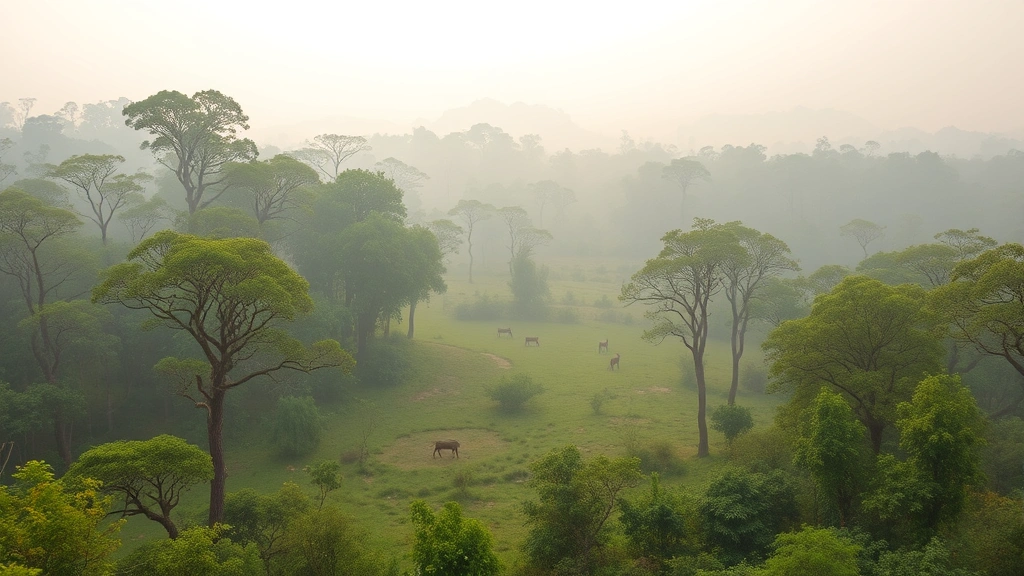
Forest connectivity represents a critical conservation challenge in highly fragmented landscapes. Tiger populations isolated in separate reserves face genetic bottlenecks and reduced recolonization potential following local extinctions. Conservation corridors connecting fragmented habitats enable gene flow between populations and reduce demographic vulnerability. The Central India Tiger Conservation Landscape encompasses multiple reserves connected by wildlife corridors, facilitating tiger movement and population interchange. Maintaining these corridors requires negotiating complex land use decisions involving agriculture, forestry, and human settlements, reflecting the intersection of ecological and socioeconomic concerns.
Population Dynamics and Conservation Status
Bengal tiger population dynamics reflect the complex interplay between ecological capacity, human pressures, and conservation interventions. Current estimates place the global wild tiger population at approximately 3,900 individuals across all subspecies, with Bengal tigers comprising roughly 70% of this total. However, these numbers represent dramatic declines from historical populations exceeding 100,000 individuals in the early twentieth century. Understanding population dynamics requires examining birth rates, mortality patterns, and recruitment dynamics across different habitat types.
Population viability analysis indicates that Bengal tiger populations below 500 individuals face substantial extinction risk due to genetic drift and demographic stochasticity. Most extant populations remain below this threshold, making habitat expansion and population connectivity essential conservation priorities. The Sundarbans population of approximately 500 individuals represents a significant exception, though this concentration in a single location creates vulnerability to catastrophic events. Dispersal of tiger populations across multiple reserves reduces extinction risk and maintains genetic diversity essential for long-term population persistence.
Poaching represents the most significant anthropogenic mortality factor affecting Bengal tigers. Illegal hunting for tiger bones used in traditional medicine, pelts for illegal fur trade, and organized wildlife crime networks have decimated populations throughout Asia. The economic value of tiger parts—with tiger bones worth thousands of dollars—creates powerful incentives for poaching despite international legal protections. Strengthening anti-poaching efforts through technology, ranger training, and community engagement remains essential for population recovery. Intelligence-led enforcement targeting wildlife trafficking networks has proven more effective than traditional patrol-based approaches.
Economic Valuation of Tiger Conservation
Quantifying the economic value of Bengal tiger conservation requires examining multiple dimensions including direct use values, indirect use values, and existence values. Direct use values encompass wildlife tourism revenue generated through tiger viewing experiences in national parks. A single tiger sighting can generate substantial tourism revenue, with visitors paying premium fees for tiger reserves. Studies indicate that tiger tourism generates hundreds of millions of dollars annually across Indian reserves, providing powerful economic justification for conservation investment.
Indirect use values reflect ecosystem services provided through tiger presence. Apex predators maintain ecosystem functions including nutrient cycling, vegetation regulation, and carbon sequestration. Research from ecological economics journals demonstrates that these services generate substantial economic value, often exceeding direct tourism revenues when properly quantified. The ecosystem services approach, detailed in UNEP environmental assessments, provides frameworks for incorporating ecological value into policy decisions.
Existence values represent the economic worth individuals place on knowing that Bengal tigers persist, even if they never directly experience them. Contingent valuation studies and stated preference research indicate substantial existence values among both domestic and international populations. These non-use values contribute billions to the total economic value of tiger conservation, supporting the argument that conservation investments generate positive returns even when tourism revenues alone seem insufficient.
The economic case for tiger conservation strengthens when considering costs of ecosystem degradation resulting from tiger loss. Uncontrolled herbivore populations degrade forest productivity, reduce carbon sequestration, and diminish ecosystem resilience. The economic value of carbon storage in tiger forest ecosystems, calculated through carbon pricing frameworks, provides additional quantitative support for conservation investment. However, translating these economic arguments into policy requires addressing the immediate livelihood concerns of communities living in tiger habitat.
Human-Tiger Conflict and Mitigation Strategies
Human-tiger conflict represents one of the most intractable challenges in Bengal tiger conservation, as human population growth increasingly brings people into proximity with tigers. Livestock depredation and human deaths create tensions between conservation objectives and rural livelihoods. Annual human deaths from tiger attacks in India number between 100-300 individuals, with livestock losses affecting thousands of herding families. Addressing these conflicts requires recognizing the legitimate concerns of affected communities while maintaining conservation momentum.
Compensation schemes provide financial reimbursement to herding families for livestock losses and to families of human fatalities. While theoretically sound, compensation programs often suffer from bureaucratic delays, inadequate payment levels, and insufficient coverage. Improving compensation systems requires streamlined administration, realistic payment valuations, and transparent processes that build community trust. Some reserves have implemented livestock insurance programs that proactively protect herds, reducing dependence on post-loss compensation.
Habitat management to reduce human-tiger contact includes constructing barriers between settlement areas and tiger habitat, creating buffer zones with reduced livestock grazing, and removing problem tigers that repeatedly attack humans or livestock. Translocation of problem tigers offers an alternative to lethal control, though success rates vary substantially. The scientific literature on human-wildlife conflict mitigation emphasizes that no single intervention proves universally effective; rather, integrated approaches combining multiple strategies yield best results. Community engagement remains essential, as local acceptance of tiger presence ultimately determines conservation success.
Livelihood diversification programs help communities reduce economic dependence on livestock grazing in tiger habitat. Alternative income sources including ecotourism employment, forest product collection, and small-scale agriculture within settlement areas reduce pressure to expand livestock grazing into wildlife reserves. These programs acknowledge that conservation cannot succeed through exclusion alone; rather, local communities must perceive tangible benefits from tiger presence. Successful initiatives demonstrate that when communities receive substantial revenue from tiger-based tourism, they actively support conservation rather than opposing it.
Climate Change and Future Implications
Climate change poses emerging threats to Bengal tiger conservation through multiple mechanisms including habitat alteration, prey availability changes, and increased human-wildlife conflict. Rising temperatures shift precipitation patterns, affecting monsoon reliability in tiger habitat regions. Changing rainfall patterns directly impact forest productivity and herbivore populations, cascading through food webs to affect tiger survival and reproduction.
Sea level rise represents a particularly acute threat to Sundarbans tigers, as mangrove forest loss directly reduces available habitat. Modeling studies project substantial mangrove loss in the Sundarbans over coming decades due to sea level rise and coastal erosion. This habitat loss would concentrate tiger populations into increasingly fragmented reserves, elevating extinction risk substantially. Mangrove restoration and coastal protection investments become essential climate adaptation measures for tiger conservation.

Shifting forest composition in response to climate change may alter prey species distributions and availability. Some prey species may expand ranges while others contract, potentially creating prey availability mismatches in specific reserves. Understanding these potential shifts requires long-term ecological monitoring and adaptive management strategies that adjust conservation approaches as conditions change. The intersection of climate change and tiger conservation demonstrates how addressing how to reduce carbon footprint initiatives supports biodiversity conservation simultaneously.
Increased human-wildlife conflict may accompany climate change as resource scarcity heightens tensions between conservation and development. Communities facing agricultural losses from climate-driven crop failures may intensify livestock grazing pressure on reserve boundaries. Addressing these cascading impacts requires integrating climate adaptation planning with tiger conservation strategy, ensuring that adaptation measures don’t inadvertently undermine conservation objectives.
International Cooperation and Policy Frameworks
Bengal tiger conservation transcends national boundaries, requiring coordinated international cooperation across range states including India, Bangladesh, Bhutan, and Nepal. The Global Tiger Initiative, established in 2008, coordinates tiger conservation efforts internationally and promotes best practice sharing. International agreements including the Convention on International Trade in Endangered Species (CITES) provide legal frameworks restricting tiger product trade, though enforcement remains challenging.
Transboundary conservation landscapes represent innovative approaches to tiger conservation across political boundaries. The Terai Arc Landscape spanning Nepal and India encompasses multiple reserves and corridors facilitating tiger movement across borders. Successful transboundary conservation requires diplomatic coordination, shared enforcement efforts, and compatible management policies across nations with different governance systems and development priorities. These initiatives demonstrate that conservation success increasingly depends on international cooperation and policy harmonization.
Research collaboration among international institutions advances scientific understanding of tiger ecology and conservation effectiveness. Academic partnerships between Indian universities, international conservation organizations, and research institutions generate knowledge that informs policy decisions. Investment in long-term ecological monitoring provides data for adaptive management, allowing conservation strategies to evolve based on empirical evidence. The World Wildlife Fund and other international organizations facilitate these research networks, supporting tiger conservation through knowledge generation and capacity building.
Integrating tiger conservation with broader sustainable development agendas strengthens political support and resource allocation. Recognizing tigers as emblematic species for ecosystem conservation, rural development, and climate adaptation creates multiple constituencies supporting conservation investment. This integrated approach aligns tiger conservation with national development priorities, making conservation economically rational rather than environmentally imposed. The intersection with sustainable fashion brands initiatives demonstrates how consumer awareness campaigns can reduce demand for tiger products.
Policy frameworks supporting tiger conservation must balance competing land uses and development pressures. Agricultural expansion, infrastructure development, and urban growth continually encroach on tiger habitat. Effective policies establish protected areas with strong enforcement, create wildlife corridors connecting fragmented reserves, and implement land use planning that accommodates both conservation and development. Payment for ecosystem services schemes provide economic incentives for landowners to maintain tiger habitat on private lands, expanding conservation beyond government reserves.
FAQ
How many Bengal tigers currently exist in the wild?
Current estimates indicate approximately 2,600-3,000 Bengal tigers remain in the wild across India, Bangladesh, Bhutan, and Nepal. The largest population concentrations occur in the Sundarbans (approximately 500 individuals) and central Indian reserves. Population numbers have increased substantially from historical lows, reflecting successful conservation efforts, though tigers remain critically endangered.
What do Bengal tigers eat and how much do they consume?
Bengal tigers primarily hunt large ungulates including sambar deer, chital, and wild boar. Individual tigers require approximately 10-25 pounds of meat daily, necessitating successful kills every 3-5 days depending on prey size. Hunting success rates typically range from 5-10%, meaning tigers must attempt numerous hunts to obtain sufficient nutrition. Prey availability directly determines tiger population carrying capacity in specific reserves.
Why is habitat fragmentation particularly dangerous for Bengal tigers?
Habitat fragmentation isolates tiger populations, preventing gene flow between reserves and reducing recolonization potential. Small isolated populations face elevated extinction risk through genetic drift, inbreeding depression, and demographic stochasticity. Fragmentation also concentrates tigers in limited areas, increasing poaching vulnerability and human-tiger conflict. Wildlife corridors connecting fragmented reserves remain essential for population persistence.
What role do Bengal tigers play in ecosystem regulation?
As apex predators, Bengal tigers regulate herbivore populations through predation, preventing overgrazing and maintaining vegetation diversity. This trophic regulation generates cascading effects throughout ecosystems, influencing nutrient cycling, carbon sequestration, and habitat quality for numerous species. Tiger presence fundamentally structures ecosystem composition and function, making them keystone species whose conservation benefits entire ecosystems.
How does tiger conservation generate economic value?
Tiger conservation generates economic value through multiple mechanisms including wildlife tourism revenue, ecosystem services provision, and existence values. Tiger reserves attract international tourists willing to pay premium fees for viewing opportunities, generating hundreds of millions in annual revenue. Ecosystem services including carbon sequestration and biodiversity maintenance provide substantial indirect value, while non-use values reflect global willingness to support tiger conservation.
What strategies effectively reduce human-tiger conflict?
Effective conflict reduction combines multiple strategies including livestock compensation programs, habitat barriers, livelihood diversification, and community engagement initiatives. Compensation schemes reimburse losses while alternative income sources reduce dependence on livestock grazing in tiger habitat. Community-based conservation programs that ensure local benefit from tiger presence prove particularly effective, as communities actively support conservation when they perceive tangible advantages.


