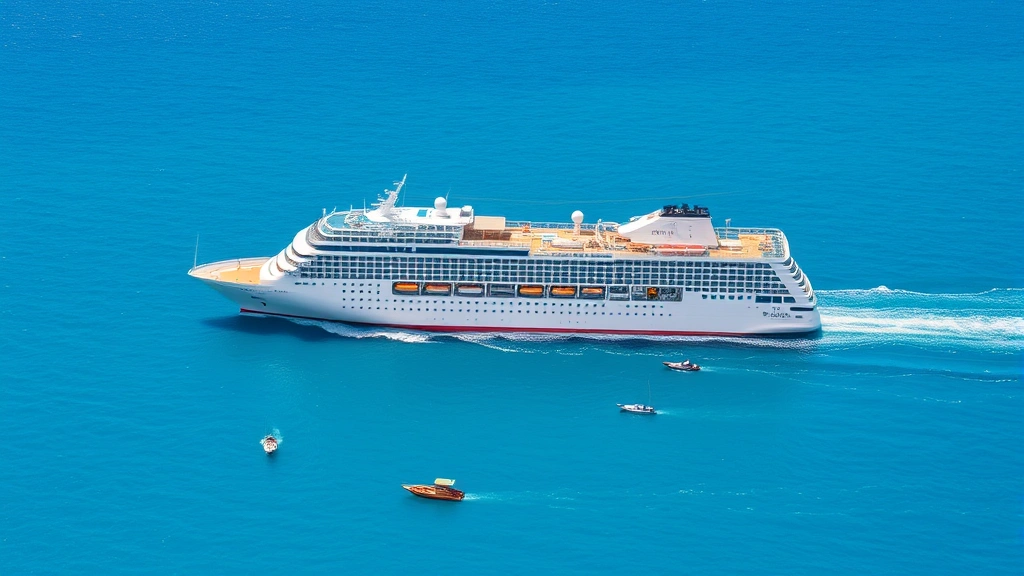
Cruise Ships and the Environment: What Scientists Really Say
The cruise industry generates over $150 billion annually and carries approximately 30 million passengers each year, making it one of the world’s fastest-growing tourism sectors. However, mounting scientific evidence reveals that cruise ships represent a significant and multifaceted environmental challenge, from atmospheric pollution to marine ecosystem disruption. Understanding the scale of these impacts requires examining peer-reviewed research, regulatory frameworks, and emerging mitigation technologies that address everything from greenhouse gas emissions to ballast water contamination.
This comprehensive analysis draws on insights from environmental scientists, maritime engineers, and ecological economists to answer a fundamental question: are cruise ships bad for the environment? The answer is nuanced and data-driven, revealing both the severity of current impacts and the potential pathways toward sustainable maritime tourism.
Air Emissions and Climate Impact
Cruise ships burn heavy fuel oil (HFO), a residual petroleum product far dirtier than refined diesel or gasoline. A single large cruise vessel emits approximately 5-14 metric tons of CO₂ per day, equivalent to the daily emissions of 6,000-10,000 automobiles. Research from the Transport & Environment organization demonstrates that the world’s 273 cruise ships collectively emit more sulfur oxide than 760 million cars, despite carrying a fraction of the passengers.
The climate implications extend beyond carbon dioxide. Cruise ships emit substantial quantities of nitrogen oxides (NOₓ) and particulate matter (PM₂.₅), which contribute to ozone formation and respiratory disease. Scientists have documented that cruise ship emissions are particularly problematic in port cities, where concentrations of pollutants create localized air quality crises. A study published in Environmental Science & Technology found that in ports like Venice and Barcelona, cruise ship emissions account for up to 40% of maritime-related air pollution during peak season.
The black carbon particles emitted by heavy fuel oil combustion have a warming effect three times greater than CO₂ over short timescales, accelerating Arctic ice melt and disrupting atmospheric circulation patterns. This represents a critical component of the cruise industry’s contribution to carbon footprint reduction challenges in the tourism sector.
Marine Ecosystem Disruption
Beyond atmospheric pollution, cruise ships directly damage marine ecosystems through multiple pathways. Ballast water discharge introduces invasive species that destabilize local food webs and outcompete native organisms. A single cruise ship can discharge up to 3,500 cubic meters of ballast water in a single port call, potentially transporting thousands of aquatic organisms across ocean basins. The zebra mussel, lionfish, and various pathogenic bacteria have all spread globally through ballast water vectors, creating cascading ecological consequences.
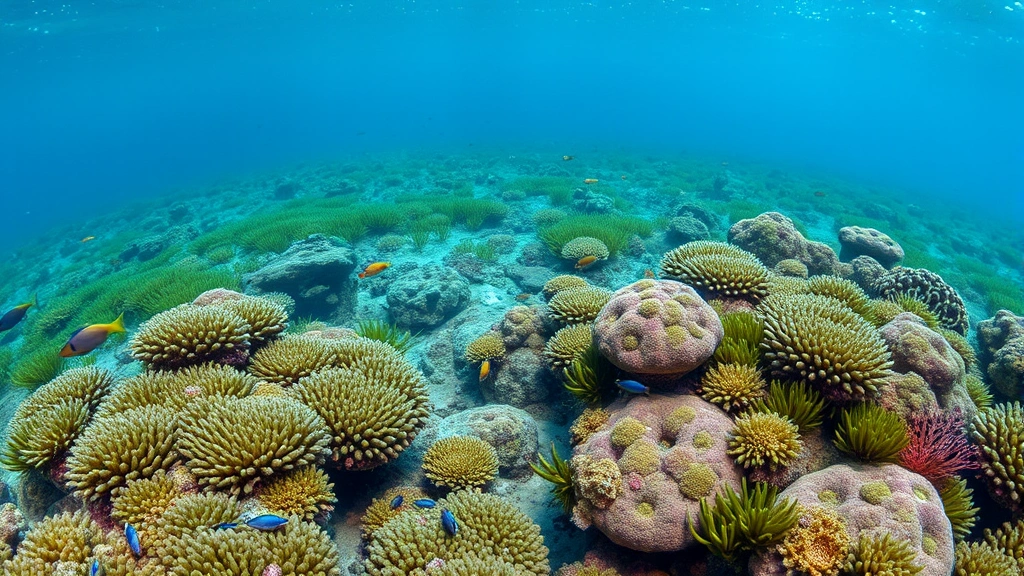
Anchor damage to seabed ecosystems represents another significant impact. Heavy anchors drag across coral reefs, seagrass beds, and other sensitive habitats, destroying decades of biological productivity in minutes. In Mediterranean ports where cruise traffic is heaviest, anchor scarring is visible in satellite imagery and has measurable impacts on species diversity and ecosystem function.
Noise pollution from ship engines and machinery disrupts marine mammal communication, navigation, and breeding behaviors. Cetaceans rely on acoustic signaling for social bonding and prey location; cruise ship noise interferes with these critical functions across thousands of square kilometers. Research from the United Nations Environment Programme indicates that ambient ocean noise has increased by 3 decibels per decade since 1960, with commercial shipping—including cruise vessels—contributing 90% of this increase.
Biofouling on ship hulls introduces additional ecological risks. As vessels transit between ports, they accumulate biofilms and attached organisms that are released when the ship enters new waters, disrupting established ecological relationships and potentially introducing pathogens that cause mass mortality events in shellfish and fish populations.
Wastewater and Pollution
A typical cruise ship with 3,000 passengers and 1,000 crew members generates approximately 30,000 gallons of wastewater daily. This includes greywater (from showers, sinks, laundries), blackwater (sewage), and bilge water (oily residues from engine operations). While international regulations require treatment before discharge, enforcement is inconsistent, and treatment technologies vary significantly in effectiveness.
Greywater discharge contains elevated levels of nitrogen and phosphorus, which trigger eutrophication in enclosed or semi-enclosed water bodies like the Baltic Sea and Mediterranean. Excessive nutrient loading causes algal blooms that deplete oxygen, creating dead zones where fish cannot survive. Scientists estimate that cruise ship discharges contribute 5-15% of anthropogenic nutrient inputs in major cruise ports, with measurable impacts on benthic community composition and pelagic productivity.
Blackwater treatment systems on cruise ships vary from basic mechanical separation to advanced biological treatment. However, studies analyzing discharge water composition reveal that many systems fail to adequately reduce microbial pathogens, fecal indicator bacteria, and pharmaceutical residues. These contaminants persist in receiving waters for extended periods, creating public health risks for coastal communities and shellfish harvesting operations.
Bilge water—the oily sludge that accumulates in ship engine rooms—contains heavy metals including lead, cadmium, and mercury. Despite regulations prohibiting discharge, illegal dumping remains endemic, with whistleblower reports documenting systematic violation of international maritime law. The bioaccumulation of these toxins in fish and shellfish creates food chain risks that extend to human consumers.
Coastal Community Effects
The concentration of cruise tourism in specific ports creates significant externalities for local populations. Human-environment interaction in cruise destinations manifests as air quality degradation, noise pollution, and ecosystem stress that disproportionately affects low-income residents who live near ports.
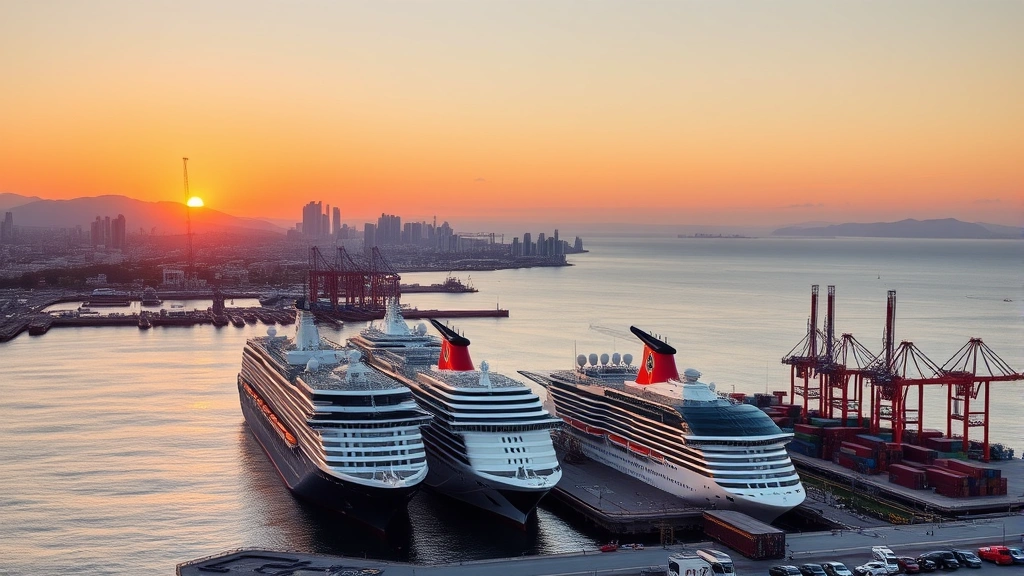
Cities like Venice, Barcelona, and Dubrovnik have experienced tourism saturation, with cruise ship arrivals exceeding the carrying capacity of local infrastructure and ecosystems. Venice receives approximately 1.3 million cruise passengers annually, roughly equivalent to the city’s entire resident population. The wave action from large ships entering the narrow Giudecca Canal damages medieval buildings, accelerates erosion, and destabilizes the lagoon’s delicate hydrodynamic balance.
Economic analysis reveals that while cruise tourism generates revenue for port operators and some hospitality businesses, the distribution of benefits is highly skewed. Local residents bear the environmental costs—air pollution, water contamination, noise—while benefits accrue primarily to foreign-owned cruise corporations and international hotel chains. This creates a classic tragedy of the commons scenario where private profits are extracted while public environmental costs are socialized.
The social costs of cruise tourism include increased housing prices (as cruise-generated tourism demand inflates real estate values), displacement of long-term residents, and transformation of local culture into commodified performances for tourist consumption. These cultural and social dimensions intersect with environmental degradation to create compound harms that scientific literature increasingly recognizes as inseparable.
Regulatory Landscape
International maritime regulation occurs through the International Maritime Organization (IMO), which establishes standards for all shipping, including cruise vessels. The IMO’s 2020 sulfur cap regulation reduced maximum fuel sulfur content from 3.5% to 0.5%, representing the first major emissions reduction mandate. However, scientists note that this regulation permits scrubber technology as a compliance pathway, which washes sulfur dioxide out of exhaust but transfers the pollution to seawater, creating localized acidification and contamination without addressing CO₂ emissions or black carbon.
The IMO’s Energy Efficiency Design Index (EEDI) and Ship Energy Efficiency Management Plan (SEEMP) theoretically incentivize efficiency improvements, but loopholes and weak enforcement undermine effectiveness. Ships built to meet EEDI standards show only 2-3% annual efficiency gains, far below what technological potential permits. This reflects the regulatory capture phenomenon, where industry actors successfully lobby for weak standards that allow continued business-as-usual practices.
Regional regulations offer stronger protections in some cases. The European Union’s revised Port State Control Directive requires more rigorous inspections and imposes penalties for non-compliance. However, cruise operators respond by rerouting vessels to ports with weaker enforcement, demonstrating the regulatory arbitrage that characterizes global maritime governance. Understanding these regulatory challenges connects directly to broader discussions of human activities affecting the environment and the policy mechanisms required to constrain them.
The World Bank and other international development institutions have begun incorporating cruise tourism impacts into sustainability assessments, acknowledging that unregulated maritime tourism threatens the environment definition as a system capable of supporting human wellbeing. However, the economic power of the cruise industry ensures that regulatory progress remains contested and incremental.
Mitigation Technologies
Several emerging technologies offer potential for reducing cruise ship environmental impacts, though implementation remains limited. Liquefied natural gas (LNG) propulsion reduces CO₂ emissions by approximately 25% compared to heavy fuel oil and nearly eliminates particulate matter and sulfur oxide emissions. However, LNG is a fossil fuel, and methane leakage during production and transport can offset climate benefits. Additionally, the cost of LNG retrofitting or newbuild construction exceeds $50-100 million per vessel, creating capital barriers for operators.
Battery-electric propulsion systems offer zero-emission operation for short-distance voyages and port maneuvering. Hybrid battery-fuel cell systems are under development, though currently limited to smaller vessels. The technological trajectory suggests that within 10-15 years, battery technology may enable zero-emission operation for regional cruise routes, but the transoceanic routes that generate highest revenues will require alternative solutions.
Hydrogen fuel cells represent another pathway, with several prototypes in development. Hydrogen combustion produces only water vapor, eliminating all air pollutants and CO₂. However, hydrogen production currently relies on steam methane reforming (which releases CO₂) rather than electrolysis powered by renewable energy. A transition to green hydrogen would require massive investment in renewable energy infrastructure and industrial-scale electrolyzers.
Advanced wastewater treatment systems using membrane bioreactors, ultraviolet disinfection, and reverse osmosis can achieve near-potable water quality from greywater and blackwater. However, these systems require substantial space, energy, and maintenance, creating operational challenges on cruise vessels optimized for passenger revenue rather than environmental protection. Mandatory implementation through regulation would increase cruise ticket prices by 5-10%, creating political resistance from industry and consumer constituencies.
Shore power (cold ironing) technology allows ships to connect to electrical grids while docked, eliminating auxiliary engine operation and associated emissions. However, only approximately 10% of cruise ports globally have shore power infrastructure, and retrofitting existing ports requires multi-million dollar investments. The fragmented nature of port governance creates collective action problems that prevent coordinated infrastructure development.
Future Trajectories
Projections from the cruise industry suggest continued growth, with capacity expected to increase 20-30% over the next decade. This growth trajectory directly conflicts with climate mitigation targets established under the Paris Agreement. The International Energy Agency estimates that cruise shipping would need to reduce emissions by 90% by 2050 to align with 1.5°C warming scenarios, yet current policy and technology trajectories show only 15-20% reductions.
Several alternative futures are scientifically plausible. The business-as-usual scenario involves continued reliance on incremental efficiency improvements and fossil fuel substitution, resulting in cruise shipping emissions growing 40-60% by 2050. This pathway is incompatible with climate stabilization and represents a failure of governance at international, regional, and local levels.
A managed transition scenario involves rapid deployment of zero-emission technologies, international carbon pricing for maritime shipping, and reorientation of cruise markets toward regional, shorter-duration voyages with lower per-passenger emissions. This would require carbon prices of $100-200 per ton CO₂, regulatory mandates for zero-emission newbuilds after 2035, and substantial public investment in port infrastructure. Economic modeling suggests this pathway would increase cruise ticket prices 15-25%, reducing demand growth but creating technological and employment opportunities in ship construction and renewable energy.
A demand reduction scenario involves consumer behavior shifts driven by climate consciousness, regulatory restrictions on cruise port access in vulnerable ecosystems (Arctic regions, Mediterranean), and cultural reorientation away from cruise tourism toward lower-impact travel. This pathway aligns most closely with climate science recommendations but faces powerful opposition from tourism industry stakeholders and consumer preferences for convenience and affordability.
The scientific consensus increasingly converges on the necessity of combining technology deployment with demand management and regulatory tightening. Individual behavior change alone—choosing land-based vacations instead of cruises—cannot address the scale of emissions required, but neither can technology alone without constraining growth. This represents a fundamental challenge to the dominant economic paradigm of perpetual growth in consumption-based tourism.
FAQ
How much pollution does a single cruise ship produce?
A large cruise ship (4,000-6,000 passengers) emits 5-14 metric tons of CO₂ daily, plus significant quantities of sulfur oxide, nitrogen oxide, and particulate matter. Annual emissions from a single vessel approximate those of 6,000-10,000 automobiles. Wastewater discharge reaches 30,000+ gallons daily, containing nitrogen, phosphorus, and microbial pathogens.
Are cruise ships worse than airplanes for the environment?
Per-passenger emissions, cruise ships are typically lower than long-haul flights (0.15-0.20 kg CO₂ per passenger-kilometer for cruise vs. 0.25-0.35 kg for aviation). However, cruise ships’ reliance on heavy fuel oil, marine ecosystem impacts, and concentrated port pollution create environmental harms that aviation doesn’t replicate. A comprehensive environmental assessment requires considering multiple impact categories, not just carbon emissions.
What regulations govern cruise ship emissions?
The International Maritime Organization establishes global standards through the 2020 sulfur cap (0.5% fuel sulfur), EEDI efficiency requirements, and ballast water management conventions. Regional regulations like the EU’s Port State Control Directive impose stricter inspection and enforcement. However, regulatory gaps remain, and enforcement varies significantly by port and flag state.
Can cruise ships become environmentally sustainable?
Technological pathways exist for near-zero-emission cruise operations using hydrogen fuel cells, battery-electric propulsion, or advanced biofuels combined with carbon capture. However, sustainability also requires constraining growth, eliminating marine ecosystem impacts, and ensuring equitable distribution of tourism benefits to local communities. Technology alone cannot achieve full sustainability without demand management and regulatory transformation.
What can individual cruise passengers do to reduce impact?
Individual actions include choosing shorter cruises (reducing per-day emissions), selecting operators with advanced environmental technologies, requesting shore power use in ports, and supporting regulatory advocacy for stricter emissions standards. However, systemic change requires regulatory intervention and industry transformation beyond individual consumer choice.
How do cruise ports affect local ecosystems?
Cruise port operations damage marine ecosystems through anchor scarring of seabeds, ballast water introduction of invasive species, nutrient discharge causing eutrophication, and noise pollution disrupting marine mammal communication. Concentrated tourism in specific ports (Venice, Barcelona, Dubrovnik) creates measurable ecosystem degradation and carrying capacity exceedance that threatens long-term ecological function.


