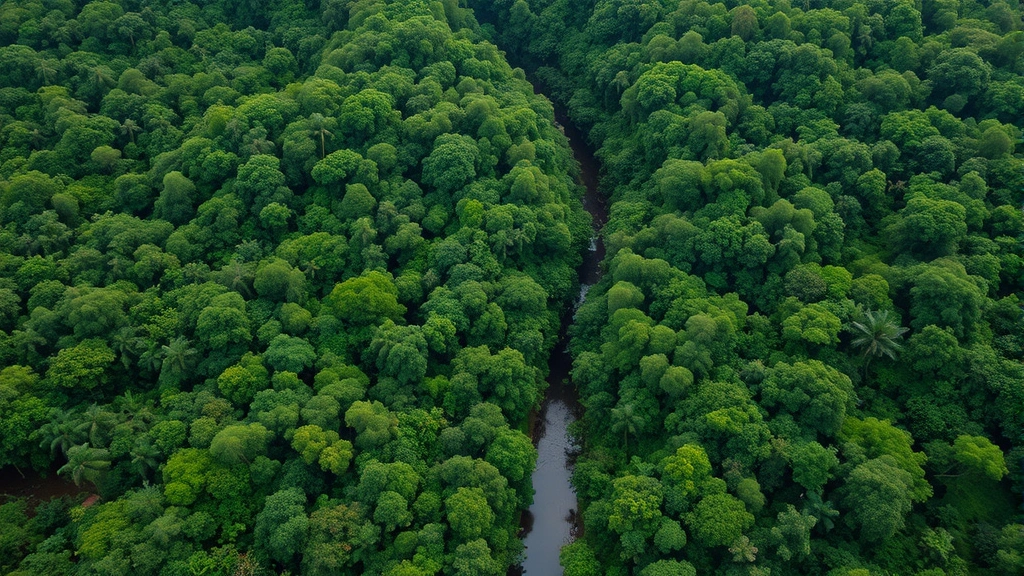
Human-Environment Interaction: An Insightful Guide
Human-environment interaction represents the complex, multidirectional relationship between people and their natural surroundings. This fundamental concept encompasses how humans depend on ecosystems for survival, how they modify landscapes through economic activities, and conversely, how environmental changes shape human societies and economies. Understanding this interaction is critical for addressing contemporary challenges like climate change, biodiversity loss, and resource depletion while building sustainable pathways for economic development.
At its core, human-environment interaction is bidirectional: humans extract resources from nature, transform ecosystems through agriculture and urbanization, and generate waste that returns to the environment. Simultaneously, environmental conditions determine agricultural productivity, water availability, natural hazard risks, and the provision of ecosystem services worth trillions annually. This dynamic relationship forms the foundation of ecological economics, which integrates environmental science with economic theory to understand how human economies function within planetary boundaries.
The urgency of comprehending these interactions has never been greater. Global supply chains depend on ecosystem services, climate stability affects economic productivity across all sectors, and environmental degradation threatens food security for billions. By examining human-environment interaction through economic, ecological, and social lenses, we can identify pathways toward genuine sustainability that do not sacrifice human wellbeing.
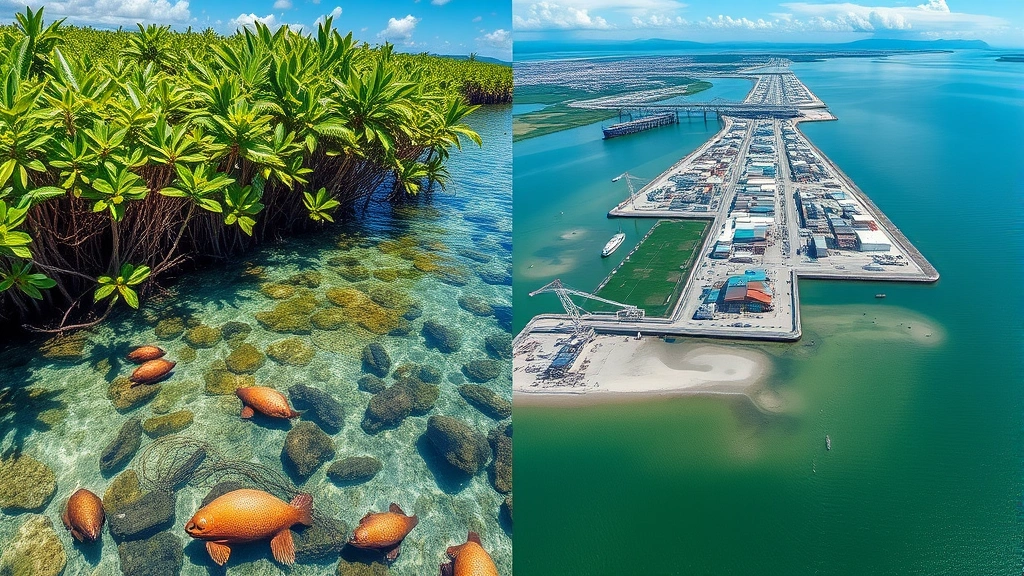
Defining Human-Environment Interaction
Human-environment interaction encompasses the processes through which human societies modify, adapt to, and depend upon natural systems. This interaction operates at multiple scales—from individual consumer choices to global economic systems—and involves physical, biological, chemical, and social dimensions. The concept emerged prominently in geography and environmental studies but has become increasingly central to environment awareness and policy discussions worldwide.
Scholars distinguish between different types of interactions. Extractive interactions involve harvesting natural resources like timber, fish, minerals, and fossil fuels. Productive interactions transform natural systems into human-managed landscapes—agriculture, aquaculture, and forestry exemplify this category. Waste-generating interactions result from consumption and production, returning pollutants and emissions to air, water, and soil. Adaptive interactions occur when humans modify behavior or infrastructure in response to environmental conditions, such as building flood defenses or developing drought-resistant crops.
The fundamental characteristic of human-environment interaction is that it creates feedback loops. When humans degrade forests for agricultural expansion, they reduce carbon sequestration capacity, potentially accelerating climate change, which in turn reduces agricultural productivity. Understanding these feedback mechanisms is essential for human environment interaction analysis and for developing effective environmental management strategies.
Different theoretical frameworks illuminate various aspects of this relationship. The anthropogenic perspective emphasizes human agency and decision-making. The ecological perspective highlights how natural systems constrain human possibilities. Socio-ecological systems thinking integrates both, recognizing that human and natural systems are inseparable and co-evolving. This integrative approach proves essential for addressing complex environmental-economic challenges.

Economic Dimensions of Environmental Systems
The relationship between human economies and environmental systems has become a central concern for ecological economists and environmental scientists. Traditional economic models often treat nature as an infinite resource or external to economic calculations, but mounting evidence demonstrates that environmental degradation imposes substantial economic costs. The World Bank estimates that environmental degradation costs developing countries approximately 4-5% of GDP annually through lost ecosystem services and natural capital depletion.
Ecosystem services—the benefits humans derive from natural systems—include provisioning services like food and water, regulating services like climate stabilization and pollination, supporting services like nutrient cycling, and cultural services like recreation and spiritual values. A seminal Millennium Ecosystem Assessment valued global ecosystem services at approximately $125 trillion annually, yet most economic accounting ignores these values. This accounting gap creates perverse incentives favoring short-term extraction over long-term sustainability.
The concept of natural capital represents an important economic framework for understanding human-environment interaction. Natural capital includes renewable resources (forests, fisheries, agricultural land) and non-renewable resources (minerals, fossil fuels). Unlike manufactured capital, which humans can substitute for natural capital to some degree, certain types of natural capital—particularly those supporting fundamental ecological functions—are irreplaceable. Biodiversity, for instance, provides genetic resources, ecosystem resilience, and scientific knowledge with incalculable economic value.
Economic systems depend fundamentally on environmental stability and resource availability. Climate regulation by forests and oceans, pollination by insects, water purification by wetlands, and storm protection by mangroves represent ecosystem services with direct economic value. When these services degrade, economic costs emerge immediately. Disrupted pollination reduces agricultural yields; lost mangroves increase hurricane damage; degraded water sources require expensive treatment infrastructure. These costs ultimately transfer to consumers and governments.
The relationship between economic growth and environmental impact has intensified scrutiny in recent decades. Decoupling—achieving economic growth while reducing environmental impact—represents a central goal of sustainable development policy. However, evidence suggests that while relative decoupling (reducing environmental impact per unit of GDP) has occurred in some wealthy nations, absolute decoupling (reducing total environmental impact while growing economically) remains elusive at global scales. This disconnect highlights the need for fundamental economic restructuring rather than marginal improvements.
Resource Extraction and Ecosystem Services
Human societies extract resources from ecosystems at unprecedented scales. Global extraction of biomass, fossil fuels, and minerals reached 100 billion tons annually by 2020, nearly double the rate from 2000. This extraction supports human consumption but simultaneously degrades the ecosystems that provide essential services. Understanding the economics of resource extraction illuminates the tensions between short-term economic gains and long-term sustainability.
Timber extraction exemplifies these dynamics. Forests provide timber and paper products worth hundreds of billions annually, but also sequester carbon, support biodiversity, regulate water cycles, and provide livelihoods for indigenous peoples. When extraction exceeds regeneration rates, forests transition from carbon sinks to carbon sources, reducing their climate regulation value. The economic calculus of timber companies often excludes these externalized costs, making unsustainable extraction appear economically rational from a private perspective, even when socially irrational.
Fisheries demonstrate similar patterns. Global fish catch peaked around 2000 and has plateaued despite increased fishing effort, indicating ecosystem degradation. Overfishing reduces fish populations, ecosystem stability, and future catch potential. Yet individual fishing companies maximize short-term profits by maximizing current catch, creating a tragedy of the commons where individual rationality produces collective irrationality. Solutions require regulatory frameworks that internalize environmental costs and incentivize sustainable practices.
Agricultural expansion represents perhaps the largest human modification of terrestrial ecosystems. Conversion of forests, grasslands, and wetlands to cropland drives habitat loss, the leading cause of biodiversity decline. Yet agriculture itself depends on ecosystem services—pollination, pest control, soil formation, water regulation—that degradation undermines. Industrial agriculture’s reliance on chemical inputs and monocultures reduces resilience, making systems vulnerable to pests, diseases, and climate variability. Transitioning toward agroecological approaches that work with natural processes rather than against them represents a critical pathway toward sustainability.
Fossil fuel extraction and combustion exemplify the most consequential human-environment interaction. Burning coal, oil, and gas releases carbon sequestered over millions of years, altering atmospheric composition and destabilizing climate. The economic value of fossil fuels—trillions annually—has driven rapid industrialization and economic growth, but the climate costs now exceed the economic benefits in many contexts. Understanding this relationship requires accounting for climate damages, which the United Nations Environment Programme estimates at hundreds of billions annually and rising. Transitioning toward renewable energy for homes and industrial systems represents an essential component of economic restructuring.
Water extraction illustrates resource depletion dynamics clearly. Aquifers that took millennia to fill deplete in decades when extraction exceeds recharge. The Ogallala Aquifer, supporting substantial North American agriculture, is depleting rapidly. As water becomes scarcer, extraction costs rise, but agricultural productivity may decline simultaneously due to water stress. This creates economic crises in water-dependent regions, forcing agricultural transitions and economic restructuring. Pricing water to reflect scarcity and ecosystem needs would incentivize conservation and more efficient allocation.
Environmental Degradation and Economic Costs
Environmental degradation imposes substantial economic costs through multiple pathways. Soil erosion reduces agricultural productivity; air pollution causes health costs; water pollution requires expensive treatment; biodiversity loss reduces resilience and genetic resources; climate change disrupts infrastructure and economic activity. These costs often emerge gradually, making them politically easier to ignore than immediate economic benefits from degrading activities, yet cumulatively they represent enormous economic drains.
The relationship between how to reduce carbon footprint and economic activity has become increasingly urgent as climate impacts accelerate. Climate change damages infrastructure, reduces agricultural yields, increases disease transmission, forces migration, and triggers conflicts over scarce resources. The Stern Review on the Economics of Climate Change estimated that without action, climate change could reduce global GDP by 5-20% permanently, with costs exceeding the benefits of mitigation. This analysis fundamentally reframes climate action from economic burden to economic necessity.
Pollution represents a direct economic externality—costs imposed on third parties without compensation. Industrial pollution causes respiratory disease, reduced cognitive development in children, and premature mortality. The World Health Organization estimates that air pollution alone causes 7 million premature deaths annually, with economic costs exceeding $5 trillion annually when including lost productivity and healthcare expenses. Yet polluters often bear only a fraction of these costs, creating incentives for excessive pollution. Pricing pollution through carbon taxes, emission permits, or pollution fees would internalize these costs and incentivize cleaner production.
Biodiversity loss undermines economic productivity in multiple ways. Agricultural pollinators—primarily bees—provide pollination services valued at $15-20 billion annually in the United States alone. Yet pollinator populations decline due to pesticide use, habitat loss, and climate change. Reduced pollination threatens food security and farmer incomes. Similarly, natural pest control by birds and insects reduces crop losses worth billions annually. As biodiversity declines, these services degrade, requiring expensive artificial substitutes or accepting reduced productivity.
Ecosystem collapse represents an extreme form of environmental degradation with catastrophic economic consequences. When ecosystems exceed tipping points—losing critical species or functions—they may shift to alternative stable states with dramatically reduced productivity and services. Coral reef collapse eliminates fisheries and tourism; forest dieback reduces carbon sequestration and rainfall; wetland loss increases flooding and disease transmission. These collapses impose costs far exceeding the economic value of activities causing them, yet occur because costs are externalized and benefits concentrated.
Sustainable Development and Circular Economics
Addressing human-environment interaction challenges requires fundamental economic restructuring toward sustainability. Sustainable development seeks to meet present needs without compromising future generations’ ability to meet theirs. This requires maintaining natural capital stocks, limiting resource extraction to regeneration rates, and reducing pollution to absorption capacities. Achieving sustainability requires integrating environmental considerations into all economic decisions rather than treating environment as separate from economy.
Circular economy models represent a promising framework for sustainable human-environment interaction. Traditional linear economies—extract, produce, consume, waste—generate endless environmental degradation. Circular economies minimize waste by designing products for longevity and recyclability, using waste as inputs for new production, and maintaining materials in use cycles. This approach reduces resource extraction pressure, decreases pollution, and can create economic value through efficiency gains and new business opportunities.
The sustainable fashion brands movement exemplifies circular economy principles applied to consumer goods. Rather than fast fashion’s linear model—rapid production, brief use, disposal—sustainable approaches extend product lifespans through durability, enable reuse through rental and secondhand markets, and design for recyclability. While still nascent, sustainable fashion demonstrates that economic value can emerge from reducing environmental impact.
Regenerative approaches go beyond sustainability to actively restore ecosystems while meeting human needs. Regenerative agriculture rebuilds soil carbon, enhances biodiversity, and increases resilience while maintaining productivity. Regenerative forestry integrates timber production with wildlife habitat and watershed protection. These approaches recognize that humans can be ecosystem stewards rather than merely extractors, creating economic and ecological benefits simultaneously. Scaling regenerative practices requires supportive policies, market structures, and consumer demand.
Natural capital accounting represents another essential framework for sustainable development. By measuring natural capital stocks and flows alongside financial capital, societies can track whether they are living within ecological limits. National accounts that ignore natural capital depletion overstate economic growth—a country exporting its forests or depleting aquifers appears to grow economically while actually impoverishing itself. UNEP’s natural capital accounting initiatives help countries measure and value their natural assets, enabling more accurate economic policy.
Payment for ecosystem services (PES) represents a market-based approach to valuing and protecting natural capital. By compensating landowners for maintaining forests, wetlands, or other ecosystems providing valuable services, PES creates economic incentives for conservation. Forest carbon payments, water source protection payments, and biodiversity conservation payments have expanded globally. While imperfect—ecosystem services have value beyond willingness to pay—PES mechanisms help align private incentives with public ecological interests.
Policy Frameworks and Solutions
Addressing human-environment interaction challenges requires policy frameworks that internalize environmental costs, protect critical ecosystems, and incentivize sustainable practices. Effective policies operate across multiple levels—from individual behavioral change to international agreements—and employ diverse instruments including regulation, economic incentives, and information provision.
Regulatory approaches establish environmental standards and prohibit the most damaging practices. Endangered species protection, pollution limits, and forest conservation regulations directly constrain human-environment interactions. While sometimes economically controversial, regulations prevent irreversible damage and protect public goods that markets fail to value. Effective regulation requires scientific evidence, enforcement capacity, and political will—elements often lacking in developing countries with limited institutional capacity.
Economic instruments like carbon pricing, pollution taxes, and tradeable permits make environmental costs visible in market prices. Carbon taxes increase fossil fuel costs, incentivizing efficiency and renewable energy adoption. Pollution permits create markets for emission reductions, enabling cost-effective achievement of environmental goals. These instruments harness market forces for environmental protection rather than fighting markets, making them politically more sustainable than pure regulation. However, they require careful design to avoid regressive impacts on low-income populations.
Information and transparency policies help consumers and investors make environmentally conscious choices. Mandatory environmental impact assessments, product labeling, and corporate sustainability reporting inform decision-making. As consumers increasingly value sustainability and investors recognize climate risks, transparency creates market incentives for environmental improvement. However, information provision alone proves insufficient—behavioral research shows that knowledge does not automatically translate to action without supportive infrastructure and incentives.
International cooperation proves essential for addressing transboundary environmental challenges. Climate change, ocean pollution, and migratory species conservation require coordinated action across borders. International agreements like the Paris Climate Accord and Convention on Biological Diversity establish frameworks for cooperation, though enforcement remains weak. Strengthening international governance for global commons represents a critical priority.
Indigenous land management practices offer valuable lessons for sustainable human-environment interaction. Indigenous peoples steward approximately 25% of global land area while it contains 80% of remaining biodiversity. Traditional practices developed over centuries integrate human needs with ecosystem maintenance. Supporting indigenous land rights and incorporating traditional ecological knowledge into conservation and development policy represents an evidence-based approach to sustainability.
Just transition policies ensure that environmental protection does not disproportionately harm workers and communities dependent on unsustainable industries. Coal miners, oil workers, and others in carbon-intensive sectors need support transitioning to new livelihoods. Investing in education, retraining, and alternative economic development in affected communities builds political support for environmental policies while ensuring equitable outcomes. Environmental protection and economic justice must advance together.
FAQ
What is human-environment interaction in simple terms?
Human-environment interaction refers to how people and nature affect each other. Humans use natural resources, change landscapes, and create pollution. In return, environmental conditions shape where humans can live, what they can produce, and what challenges they face. It is a two-way relationship where each affects the other.
Why is understanding human-environment interaction important?
Understanding this interaction is essential for addressing climate change, biodiversity loss, resource depletion, and environmental health. It reveals how economic activities depend on nature and how degradation undermines human wellbeing. This understanding enables better decisions about resource use, policy design, and investment priorities.
How does human-environment interaction affect the economy?
Environmental degradation imposes enormous economic costs through lost ecosystem services, increased disease, damaged infrastructure, and reduced productivity. Climate change, pollution, biodiversity loss, and resource depletion collectively cost trillions annually. Conversely, environmental protection creates economic opportunities through renewable energy, sustainable agriculture, and ecosystem restoration.
What are ecosystem services?
Ecosystem services are benefits humans receive from natural systems: food and water (provisioning), climate regulation and pollination (regulating), soil formation and nutrient cycling (supporting), and recreation and spiritual values (cultural). These services worth trillions annually often receive no economic value, creating incentives for their degradation.
How can economies become more sustainable?
Sustainable economies require internalizing environmental costs through pricing, protecting critical ecosystems through regulation, transitioning toward circular production models that minimize waste, valuing natural capital in economic accounts, and supporting just transitions for affected workers and communities. This requires coordinated action across policy, business, and individual choices.
What role do indigenous peoples play in environmental management?
Indigenous peoples manage approximately 25% of global land containing 80% of remaining biodiversity, demonstrating that human presence can enhance rather than degrade ecosystems. Supporting indigenous land rights, incorporating traditional ecological knowledge, and learning from indigenous management practices represent evidence-based approaches to achieving sustainability.


