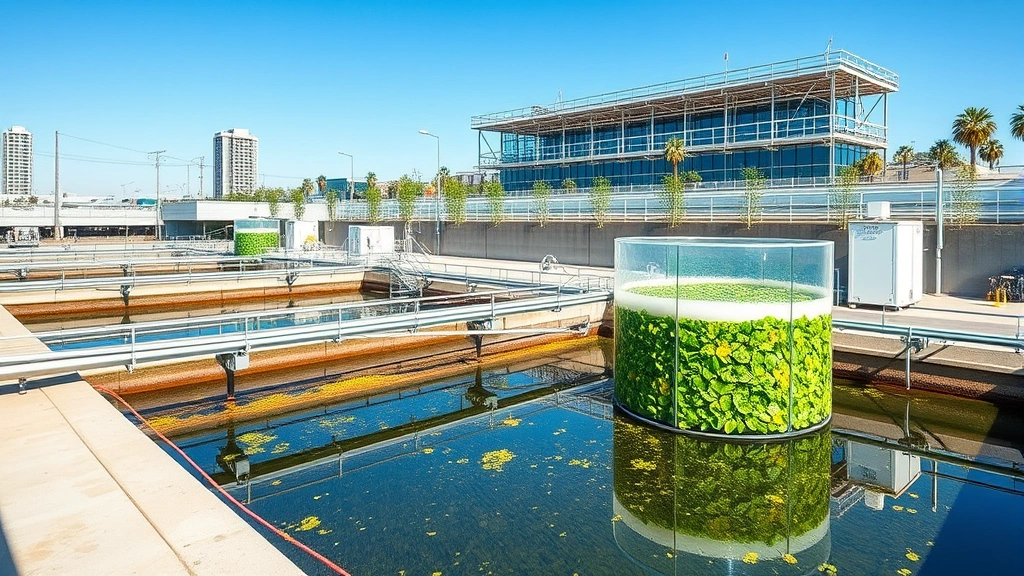
UCLA SAFE Center: Boosting LA’s Green Economy
The UCLA Sustainability, Adaptation, Facilities and Environment (SAFE) Center represents a transformative approach to urban environmental management in Los Angeles. By integrating sanitation infrastructure with green economy principles, this initiative demonstrates how academic institutions can catalyze systemic change in municipal waste management and environmental sustainability. The center’s work directly addresses the intersection of environmental protection and economic opportunity, creating pathways for Los Angeles to become a leader in circular economy practices.
Los Angeles faces unprecedented challenges in waste management, water quality, and urban environmental health. The SAFE Center’s comprehensive approach tackles these interconnected problems through research, policy development, and community engagement. By positioning sanitation and environmental management as economic drivers rather than mere regulatory burdens, UCLA’s initiative reveals how cities can simultaneously improve ecological outcomes and generate employment opportunities in green sectors.
Understanding the UCLA SAFE Center’s Mission
The UCLA SAFE Center operates at the convergence of environmental science, engineering, and economic policy. Its primary mandate involves researching sustainable solutions for Los Angeles’s sanitation challenges while simultaneously identifying economic opportunities within the green economy sector. This dual focus reflects a sophisticated understanding that environmental protection and economic growth need not be competing objectives.
The center’s research agenda encompasses multiple dimensions of urban environmental management. Teams investigate wastewater treatment innovations, solid waste reduction strategies, water recycling technologies, and environmental health impacts of existing sanitation systems. What distinguishes the SAFE Center from traditional environmental research institutions is its explicit commitment to translating findings into scalable, economically viable solutions that benefit both businesses and communities.
UCLA’s institutional capacity provides significant advantages. The university’s engineering schools, policy institutes, and environmental science departments collaborate to generate interdisciplinary research. This integration enables the center to address complex problems that require simultaneous technical innovation and policy reform. The SAFE Center effectively bridges the gap between academic research and municipal implementation, accelerating the adoption of evidence-based environmental practices.
The center’s work directly supports Los Angeles’s commitment to environmental sustainability. California’s regulatory framework establishes ambitious targets for waste reduction, water conservation, and emissions reductions. The SAFE Center helps municipalities and private entities achieve these goals through practical, research-backed recommendations. By functioning as a knowledge hub for environmental innovation, the center strengthens LA’s position as a leader in urban sustainability.
Green Economy Integration and Economic Impact
The green economy represents one of the fastest-growing sectors globally, with significant implications for urban centers like Los Angeles. The UCLA SAFE Center recognizes that environmental challenges present economic opportunities. By reframing sanitation and environmental management as business opportunities, the center catalyzes investment in sustainable technologies and practices.
Research on the environment and market dynamics reveals compelling economic arguments for environmental investment. Companies operating in green sectors experience competitive advantages, access emerging consumer markets, and benefit from regulatory alignment. The SAFE Center’s research quantifies these advantages, demonstrating to stakeholders that environmental sustainability generates financial returns.
Los Angeles’s green economy has experienced substantial growth. Employment in renewable energy, sustainable waste management, water technologies, and environmental remediation has expanded significantly. The SAFE Center contributes to this growth trajectory by identifying emerging opportunities and developing workforce pipelines. By training professionals in green technologies and sustainable practices, the center ensures that economic benefits translate into quality employment for diverse populations.
The center’s economic impact extends beyond direct employment. Sustainable infrastructure investments generate multiplier effects throughout local economies. Businesses purchasing green technologies, communities benefiting from improved environmental quality, and workers gaining skills in emerging sectors all contribute to broader economic development. The SAFE Center’s research quantifies these effects, providing policymakers with evidence supporting continued investment in green infrastructure.
Investment in sanitation infrastructure and environmental management creates durable economic benefits. Unlike extractive industries that deplete natural resources, green economy sectors generate sustainable competitive advantages. As Los Angeles positions itself as a global sustainability leader, the SAFE Center’s work attracts businesses, talent, and investment to the region. This virtuous cycle strengthens the local economy while advancing environmental objectives.
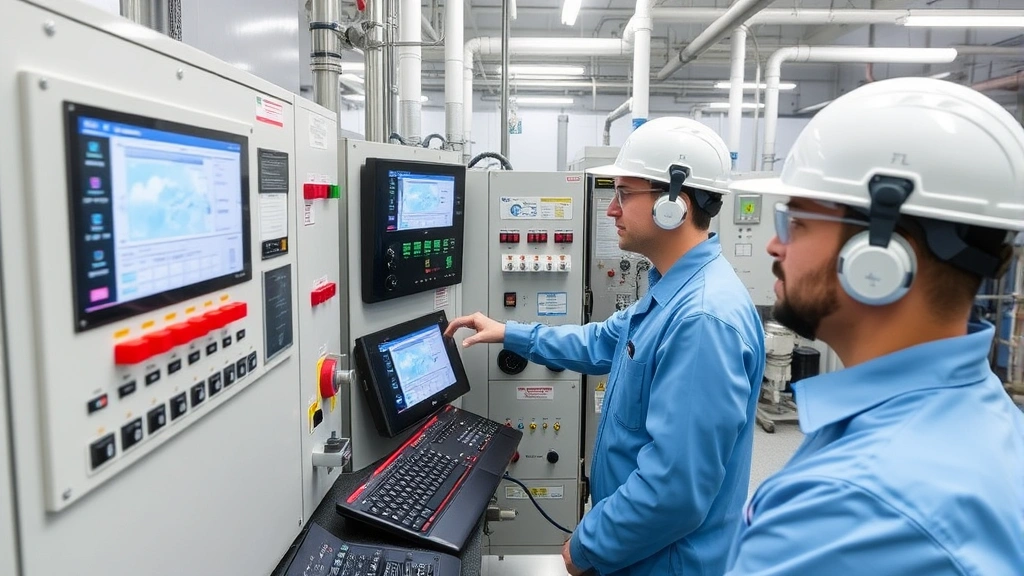
” alt=”Urban green infrastructure with water treatment facilities integrated into Los Angeles landscape, showing modern sustainable technology in action”>
Sanitation Infrastructure as Economic Engine
Sanitation infrastructure traditionally receives limited attention despite its fundamental importance to public health and environmental quality. The UCLA SAFE Center elevates sanitation to its proper position as critical infrastructure with significant economic implications. Modern sanitation systems represent substantial capital investments that generate employment, technological innovation, and public health benefits.
Los Angeles’s sanitation challenges are substantial. The region’s aging infrastructure requires modernization to meet environmental standards and accommodate population growth. The SAFE Center’s research identifies opportunities to upgrade systems while incorporating green technologies. Advanced wastewater treatment facilities, for example, can simultaneously remove contaminants and recover valuable resources like biosolids and energy.
The economic case for sanitation investment is compelling. Every dollar invested in water and sanitation infrastructure generates approximately four dollars in economic benefits through reduced healthcare costs, increased productivity, and environmental improvements. The SAFE Center’s economic analyses demonstrate these returns to municipal and county decision-makers, supporting budget allocations for infrastructure modernization.
Innovation in sanitation technology creates entrepreneurial opportunities. Companies developing advanced treatment systems, resource recovery technologies, and monitoring equipment find substantial markets in major metropolitan areas. The SAFE Center’s research identifies technology gaps and emerging needs, guiding investment and innovation. This knowledge transfer function accelerates the commercialization of sustainable sanitation solutions.
Workforce development in sanitation sectors addresses both economic and environmental objectives. Skilled technicians, engineers, and managers operating modern sanitation systems command competitive salaries and enjoy stable employment. The SAFE Center’s partnerships with educational institutions develop training programs that prepare workers for these opportunities. By creating pathways to quality employment in sanitation sectors, the center addresses economic inequality while advancing environmental goals.
Environmental Management and Market Dynamics
The intersection of environment and market dynamics fundamentally shapes how cities like Los Angeles approach sustainability. Markets alone do not optimize environmental outcomes because ecological benefits are often externalized. The SAFE Center’s research develops mechanisms to internalize environmental values, creating market incentives aligned with sustainability.
Carbon pricing, water markets, and waste management systems that charge users for environmental impacts represent policy innovations that align economic incentives with environmental goals. The SAFE Center analyzes how these mechanisms function in practice, identifying design improvements that maximize environmental benefits while maintaining economic efficiency. By researching these market-based approaches, the center contributes to policy development that leverages economic forces for environmental improvement.
Extended producer responsibility (EPR) systems exemplify how market mechanisms can drive environmental improvement. Under EPR frameworks, manufacturers bear responsibility for products throughout their lifecycle, creating incentives for sustainable design. The SAFE Center researches EPR implementation in Los Angeles, documenting how these systems reduce waste, encourage innovation, and create business opportunities in recycling and remanufacturing sectors.
Circular economy principles fundamentally reshape how businesses approach production and consumption. Rather than linear extraction-production-disposal models, circular approaches maintain material value through reuse, remanufacturing, and recycling. The SAFE Center’s research identifies opportunities to transition Los Angeles toward circular economy practices. Companies implementing circular strategies often discover cost savings, new revenue streams, and competitive advantages in markets increasingly demanding sustainable products.
The SAFE Center’s work on environmental management extends to ecosystem services valuation. Wetlands, green spaces, and natural systems provide valuable services including water filtration, flood mitigation, and carbon sequestration. By quantifying these services in economic terms, research demonstrates that environmental protection generates financial returns. This reframing helps policymakers and business leaders understand environmental investment as economically rational rather than costly.
Community Engagement and Workforce Development
Environmental challenges disproportionately affect low-income communities and communities of color. The UCLA SAFE Center recognizes that equitable sustainability requires intentional community engagement and inclusive economic development. The center’s programs prioritize creating opportunities for historically marginalized populations to benefit from green economy growth.
The SAFE Center’s workforce development initiatives recognize that types of work environments in green sectors are rapidly evolving. Training programs prepare workers for emerging occupations while building skills applicable across multiple sectors. By partnering with community colleges, workforce development agencies, and community organizations, the center ensures that training reaches populations facing employment barriers.
Community science initiatives leverage local knowledge and engagement. Residents monitoring environmental conditions in their neighborhoods generate valuable data while developing scientific literacy and environmental awareness. These participatory approaches build community capacity while informing SAFE Center research. The resulting knowledge is more locally relevant and enjoys greater community support for implementation.
Environmental justice frameworks guide the SAFE Center’s community engagement. The center works with communities to identify environmental priorities and ensures that sustainability solutions address local concerns. This approach prevents the common problem where environmental improvements benefit affluent populations while imposing costs on disadvantaged communities. By centering equity, the SAFE Center develops solutions that improve environmental quality while reducing inequality.
Educational programs extend the center’s impact beyond direct research and policy work. K-12 outreach builds environmental literacy among young people, cultivating future sustainability professionals and engaged citizens. University partnerships develop academic programs in environmental sciences, engineering, and policy. These educational investments create long-term capacity for environmental innovation and management.
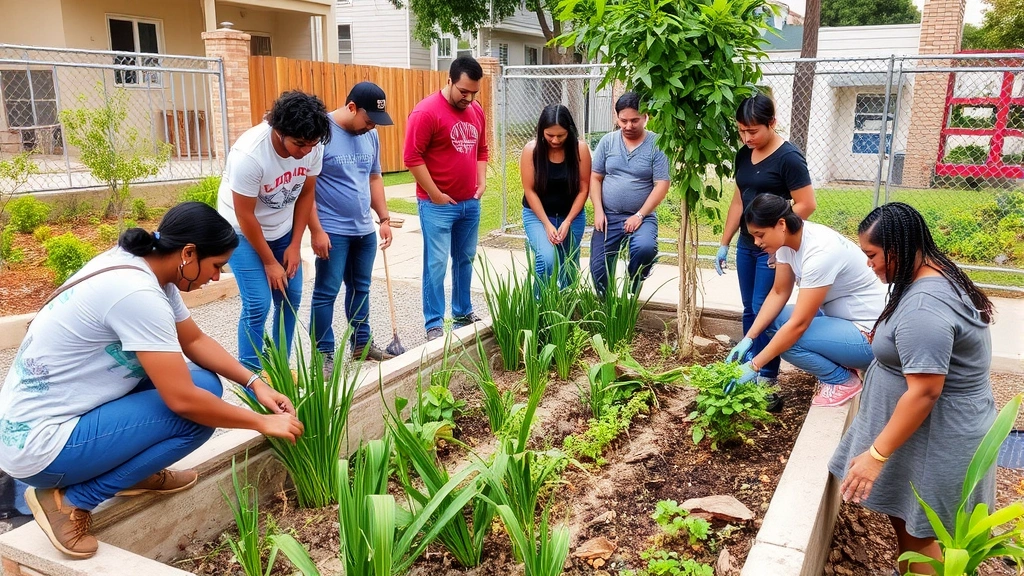
” alt=”Diverse community members collaborating on environmental projects in Los Angeles neighborhood, showing green space development and sustainable practices”>
Measuring Success: Metrics and Outcomes
Rigorous evaluation is essential for understanding the SAFE Center’s impact and identifying opportunities for improvement. The center employs multiple metrics capturing environmental, economic, and social dimensions of sustainability. This comprehensive approach recognizes that sustainability success requires simultaneous progress across multiple domains.
Environmental metrics track improvements in water quality, waste diversion rates, emissions reductions, and ecosystem health. These indicators directly measure progress toward environmental objectives. The SAFE Center’s research establishes baseline conditions, monitors changes over time, and attributes improvements to specific interventions. This rigorous approach builds evidence for effective practices that can be replicated elsewhere.
Economic metrics quantify job creation, business formation, and investment in green sectors. By tracking employment growth in sanitation, water technologies, renewable energy, and related fields, the center documents green economy expansion. Business formation metrics reveal entrepreneurial activity stimulated by environmental challenges and opportunities. Investment data demonstrate growing confidence in sustainable business models.
Social metrics assess whether environmental improvements and economic benefits reach diverse populations. Workforce development outcomes track employment rates, wage levels, and career advancement for program participants. Community health indicators measure improvements in environmental quality affecting neighborhood residents. Equity metrics ensure that sustainability benefits are distributed fairly rather than concentrated among affluent populations.
Research dissemination amplifies the SAFE Center’s impact. Publications in peer-reviewed journals contribute to scientific knowledge. Policy briefs translate research findings into actionable recommendations for decision-makers. Community reports communicate findings in accessible language. By publishing across multiple formats and venues, the center ensures that research informs policy and practice at multiple scales.
The center’s work on how to reduce carbon footprint demonstrates how institutional research translates into practical guidance. By providing evidence-based recommendations for individuals, businesses, and municipalities, the center enables action beyond its direct research programs. This multiplier effect extends impact far beyond what the center’s staff could accomplish directly.
Partnerships with municipal agencies, private companies, and community organizations amplify outcomes. When city departments implement SAFE Center recommendations, research findings scale to affect thousands of residents. When businesses adopt sustainable practices based on center research, environmental impacts multiply. These partnerships transform academic research into real-world environmental improvements.
The UCLA SAFE Center demonstrates that environmental sustainability and economic development are complementary rather than competing objectives. By researching how sanitation infrastructure, green technologies, and environmental management create economic opportunities, the center provides evidence supporting continued investment in sustainability. As Los Angeles faces mounting environmental challenges, the SAFE Center’s work becomes increasingly valuable for developing solutions that simultaneously improve environmental quality and generate economic benefits.
FAQ
What specific environmental challenges does the UCLA SAFE Center address?
The UCLA SAFE Center focuses on Los Angeles’s sanitation infrastructure, wastewater treatment, solid waste management, water quality, and resource recovery. Research also addresses environmental health impacts of existing systems and opportunities to integrate green technologies into urban infrastructure.
How does the SAFE Center connect environmental work with economic opportunity?
The center researches how environmental investments create jobs, stimulate business formation, and generate economic returns. By demonstrating that sustainability creates financial benefits, the center builds support for continued environmental investment among policymakers and business leaders.
What workforce opportunities does the SAFE Center create?
The center develops training programs for emerging green economy occupations including water technology specialists, waste management professionals, environmental technicians, and sustainability engineers. Programs prioritize accessibility for populations facing employment barriers.
How does the SAFE Center ensure environmental benefits reach disadvantaged communities?
Environmental justice frameworks guide the center’s work. Community engagement ensures that sustainability solutions address local priorities. Workforce development programs prioritize access for low-income populations and communities of color, ensuring that economic benefits are distributed equitably.
What is the SAFE Center’s relationship to broader sustainability research?
The center contributes to global sustainability knowledge while focusing specifically on Los Angeles’s context. Research on market mechanisms, circular economy practices, and environmental management informs sustainability policy and practice worldwide while addressing local challenges.
How can businesses and municipalities access SAFE Center research?
The center publishes research in academic journals, policy briefs, and community reports. Direct consultation services help organizations implement research findings. Educational programs build organizational capacity for sustainability implementation. The Ecorise Daily blog provides accessible summaries of sustainability research and practice.
What role does human-environment interaction play in the SAFE Center’s work?
Understanding human-environment interaction is central to the center’s research. The center recognizes that environmental outcomes depend on human behavior, social systems, and economic incentives. Research addresses how policy design, market mechanisms, and community engagement shape environmental outcomes.


