
South Carolina’s Ecological Impact on Economy: DHEC Insights and Environmental Economics
South Carolina’s Department of Health and Environmental Control (DHEC) serves as a critical institutional framework for understanding the intricate relationship between environmental stewardship and economic development in the southeastern United States. The state’s regulatory environment, shaped by DHEC’s policies and enforcement mechanisms, directly influences economic productivity across multiple sectors including agriculture, manufacturing, tourism, and energy production. As ecological systems face unprecedented pressures from industrial activity, climate change, and population growth, the economic implications of environmental degradation have become impossible to ignore for policymakers and business leaders alike.
The economic value of South Carolina’s natural capital—encompassing forests, wetlands, coastal ecosystems, and freshwater resources—exceeds billions of dollars annually when measured through ecosystem services such as carbon sequestration, water purification, flood protection, and recreational opportunities. DHEC’s regulatory framework attempts to balance economic growth with environmental protection, yet tensions between these objectives reveal fundamental questions about sustainable development, natural resource accounting, and the true costs of environmental externalities that traditional economic models often ignore.
Understanding DHEC’s role in shaping South Carolina’s economic trajectory requires examining how environmental regulations influence business decisions, labor markets, and long-term regional competitiveness. This analysis draws on ecological economics principles that recognize environmental limits as foundational constraints on economic activity, rather than treating natural resources as infinite inputs to be exploited without consequence.
DHEC’s Regulatory Framework and Economic Implications
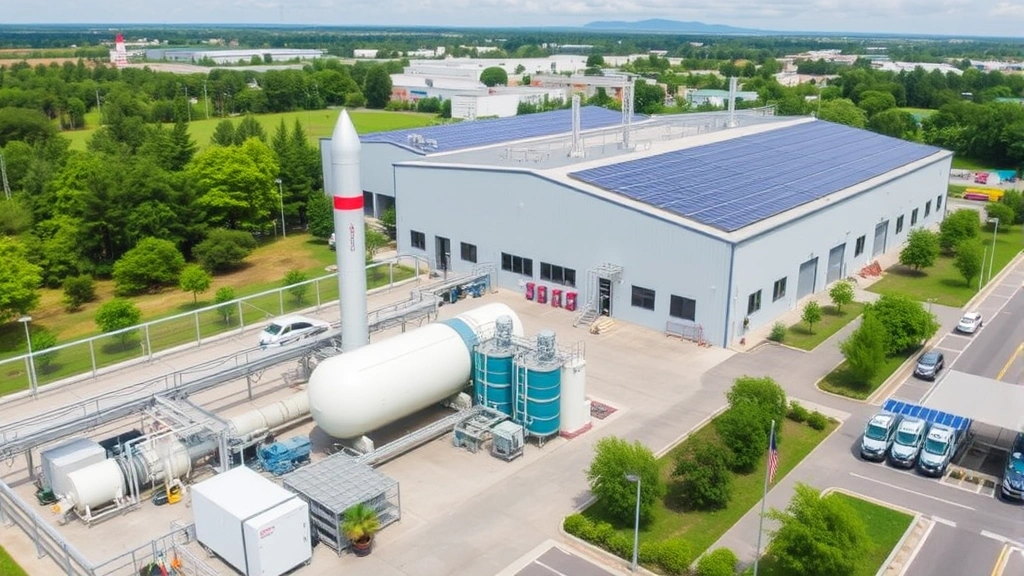
The South Carolina Department of Health and Environmental Control operates under state and federal environmental statutes, including the Clean Air Act, Clean Water Act, and Resource Conservation and Recovery Act. These regulatory requirements impose compliance costs on businesses while simultaneously protecting natural assets that generate economic value. The relationship between regulation and economic performance represents a central paradox in environmental economics: strict environmental standards increase short-term business expenses but can prevent far costlier ecological degradation that undermines long-term economic stability.
DHEC’s air quality management programs regulate emissions from power plants, manufacturing facilities, and transportation sources across South Carolina’s industrial regions. The costs of achieving air quality standards include equipment upgrades, monitoring systems, and operational modifications that businesses must absorb. However, economic analyses consistently demonstrate that the public health benefits—reduced respiratory disease, lower healthcare costs, improved worker productivity—substantially exceed compliance expenses. A study examining the benefits of the Clean Air Act found that every dollar spent on air pollution control generates approximately four to five dollars in public health benefits.
Water quality regulations administered by DHEC affect agricultural operations, municipal utilities, and industrial manufacturers throughout the state. The permitting process for wastewater discharge, stormwater management, and groundwater protection adds administrative burden to regulated entities. Yet these same regulations prevent the tragedy of the commons scenario where individual profit-maximizing decisions lead to collectively catastrophic environmental outcomes. The economic concept of externalities—costs borne by society rather than the polluting firm—explains why unregulated markets systematically underprovide environmental protection.
DHEC’s enforcement mechanisms, including civil penalties, administrative orders, and facility shutdowns, create compliance incentives that shape business behavior across the state. Companies operating in South Carolina must factor environmental compliance costs into investment decisions, pricing strategies, and location choices. This regulatory environment influences regional competitiveness relative to states with weaker environmental standards, though evidence suggests that strict environmental regulations do not significantly deter economic investment when implemented predictably and fairly.
Environmental Degradation and Economic Costs
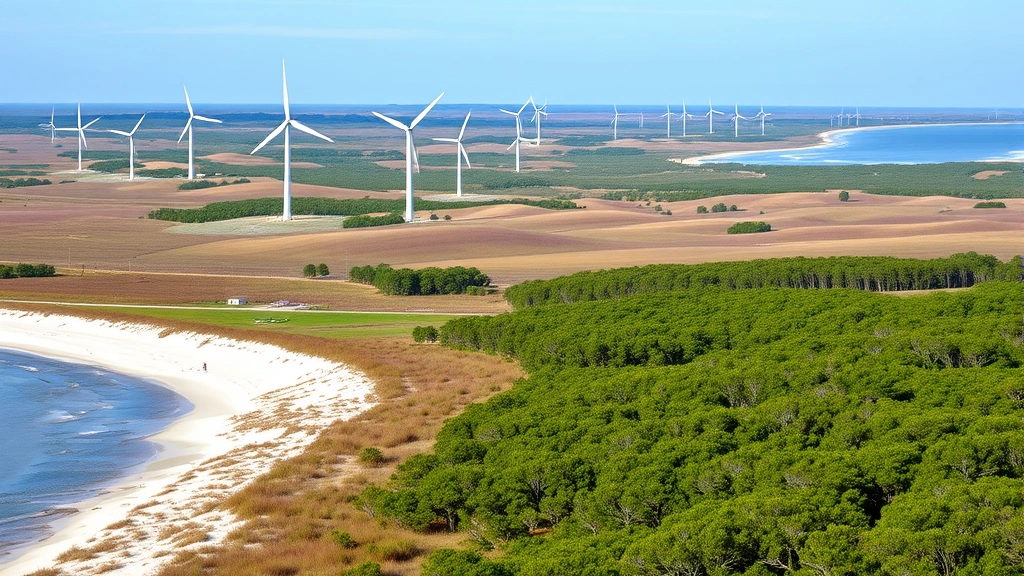
South Carolina’s ecosystems face multiple stressors that generate substantial economic costs when environmental degradation occurs. The state’s coastal regions experience saltwater intrusion, erosion, and increased flooding due to sea level rise—phenomena directly attributable to climate change and coastal development patterns. These physical changes impose measurable costs on property owners, municipalities, and state infrastructure investments. Real estate values in vulnerable coastal areas decline as flood risk increases, representing a transfer of wealth from property owners to the broader risk pool. Insurance costs rise, development becomes more expensive, and public investment in protective infrastructure expands.
Agricultural productivity in South Carolina depends on soil health, freshwater availability, and climate stability—all environmental factors subject to degradation. Soil erosion reduces long-term productive capacity, requiring increased fertilizer inputs and reducing yields over time. Groundwater depletion raises agricultural production costs as irrigation becomes more expensive. Changing precipitation patterns and temperature extremes disrupt crop calendars and increase pest pressure. The economic costs of agricultural environmental degradation accumulate gradually, making them less visible than acute pollution events but ultimately more consequential for rural economies.
Forestry, a significant economic sector in South Carolina, depends on forest ecosystem health. Pests, diseases, and changing climate conditions affect timber yields and forest productivity. The economic value of forest ecosystem services—carbon storage, water filtration, wildlife habitat—exceeds the value of timber extraction alone, yet markets fail to compensate landowners for these services. This market failure creates incentives to convert forests to alternative uses with more immediate financial returns, even when such conversion reduces total economic value when ecosystem services are properly accounted for.
Water quality degradation imposes costs across multiple economic sectors. Contaminated drinking water sources require expensive treatment or replacement. Polluted recreational waters reduce tourism revenue and property values. Impaired aquatic ecosystems support fewer fish populations, reducing commercial and recreational fishing opportunities. The economic costs of water pollution remediation often far exceed the costs of prevention, yet regulatory frameworks sometimes permit pollution when remediation appears economically feasible.
Ecosystem Services and Economic Valuation
Ecological economics introduces the concept of ecosystem services—the benefits that human populations derive from natural ecosystems—as a framework for understanding nature’s economic contributions. South Carolina’s ecosystems provide services including carbon sequestration, water purification, flood protection, pollination, soil formation, nutrient cycling, and cultural/recreational benefits. Traditional economic accounting excludes these services from GDP calculations, creating a systematic bias toward environmental degradation.
Wetlands represent particularly valuable ecosystems in South Carolina’s landscape. These transitional zones between terrestrial and aquatic environments provide flood protection by absorbing excess water during precipitation events and storm surge. They filter pollutants from water, improving downstream water quality. They serve as nurseries for commercially important fish and shellfish species. They provide habitat for waterfowl and other wildlife. When wetlands are drained for development or agriculture, the economic value of these services is destroyed, yet this destruction appears as economic gain in traditional accounting frameworks because development generates GDP activity.
Forests provide carbon sequestration services by absorbing atmospheric carbon dioxide and storing it in biomass and soil. In a carbon-constrained economy where emissions reductions become economically valuable, forest carbon storage represents genuine economic value. Yet property owners receive no compensation for this service under current market arrangements. This market failure creates incentives to clear-cut forests for immediate timber revenue, destroying long-term carbon storage value. The World Bank has developed frameworks for valuing ecosystem services in national economic accounting, recognizing that GDP measures fail to capture natural capital depreciation.
Coastal ecosystems—salt marshes, mangrove forests, seagrass beds, and coral reefs—provide nursery habitat for commercially important fish species, storm surge protection, and carbon sequestration. South Carolina’s coastal zone supports significant commercial fisheries and tourism industries that depend on these ecosystems. Climate change and coastal development threaten these ecosystems, with economic consequences that extend far beyond the immediate coastal region as seafood supply chains and tourism networks are disrupted.
Industrial Compliance and Business Competitiveness
Manufacturing and industrial facilities throughout South Carolina must comply with DHEC regulations addressing air emissions, wastewater discharge, hazardous waste management, and pollution prevention. These compliance requirements increase operational costs, affecting business profitability and competitiveness. The magnitude of compliance costs varies substantially across industries, with energy production, chemical manufacturing, and metal processing facing particularly stringent requirements due to their pollution intensity.
Economic research on environmental regulation and competitiveness reveals a complex relationship. Strict environmental standards can disadvantage firms competing against producers in jurisdictions with weaker environmental protections, a phenomenon known as the “pollution haven hypothesis.” Some empirical evidence supports this hypothesis, suggesting that firms may relocate to areas with less stringent environmental requirements. However, other studies find that environmental regulations have minimal effects on location decisions compared to factors such as labor costs, transportation access, and market proximity.
Porter’s hypothesis, articulated by environmental economist Michael Porter, suggests that well-designed environmental regulations can enhance competitiveness by spurring innovation in cleaner production technologies. Firms forced to reduce emissions often discover technological solutions that reduce costs in other dimensions—through energy efficiency, waste reduction, or material substitution. This innovation-inducing effect can offset or exceed the direct compliance costs of environmental regulations. South Carolina’s experiences with industrial facilities implementing pollution prevention strategies provide examples of this dynamic.
The concept of human environment interaction in industrial contexts reveals how businesses adapt to regulatory environments through technological change and process innovation. Facilities implementing advanced pollution control equipment, renewable energy sources, and circular economy principles often achieve cost reductions through operational efficiency gains that exceed their initial environmental investment.
Climate Change Economics in South Carolina
Climate change represents the most significant long-term environmental challenge affecting South Carolina’s economy. Rising temperatures, changing precipitation patterns, sea level rise, and increased frequency of extreme weather events impose substantial costs across agricultural, coastal, infrastructure, and energy sectors. The United Nations Environment Programme estimates that climate change impacts will reduce global economic output by 10-23% if warming exceeds 2-3°C above pre-industrial levels.
South Carolina’s coastal regions face acute climate vulnerabilities. Sea level rise, accelerated by thermal expansion of warming ocean water and ice sheet melting, threatens coastal infrastructure, property values, and economic activities. The state’s major ports—Charleston, Beaufort, and Georgetown—face increasing operational disruptions from “sunny day” flooding during high tides. Saltwater intrusion contaminates freshwater aquifers used for municipal and agricultural water supplies. Storm surge heights increase with higher baseline sea levels, amplifying hurricane damage. These physical changes translate directly into economic costs through property damage, infrastructure investment, insurance premiums, and reduced asset values.
Agricultural economics in South Carolina will shift as climate change alters growing conditions. Temperature increases affect crop yields, pest populations, and water availability. Some crops may become unviable while new opportunities emerge for alternative agricultural products. The transition period creates economic disruption for farming communities accustomed to established agricultural systems. Adaptation strategies—including crop diversification, irrigation infrastructure, and modified planting schedules—require capital investment and knowledge acquisition.
Energy economics will undergo substantial transformation as climate change drives transitions away from fossil fuel dependence. South Carolina’s electricity system currently relies substantially on nuclear and coal generation. Decarbonization requires substantial investment in renewable energy infrastructure, energy storage systems, and grid modernization. These transitions create economic opportunities in clean energy sectors but displace workers and communities dependent on fossil fuel industries. Just transition policies that support affected workers and communities represent important economic considerations alongside climate mitigation imperatives.
Tourism and Recreation Economics
South Carolina’s tourism industry generates substantial economic activity and employment, with natural amenities—beaches, forests, rivers, wildlife—serving as foundational attractions. Environmental quality directly affects tourism demand and revenue. Beach erosion, water quality degradation, and ecosystem degradation reduce tourism appeal and economic returns. Conversely, environmental protection and restoration investments enhance tourism value and generate economic returns through increased visitor spending.
Coastal tourism depends on clean beaches, clear water, and healthy marine ecosystems. Harmful algal blooms, sewage contamination, and industrial pollution reduce beach appeal and trigger public health warnings that discourage visitation. The economic costs of beach closures and water quality advisories extend beyond immediate tourism losses to include property value reductions and long-term destination reputation damage. South Carolina’s tourism boards recognize that environmental quality represents a core competitive advantage in attracting visitors.
Recreational fishing—both commercial and recreational—depends on healthy fish populations and clean water. Environmental degradation that impairs aquatic ecosystems reduces fishing opportunities and associated economic activity. Charter fishing operations, seafood restaurants, and related service businesses depend on viable fish populations. Overfishing, pollution, and habitat destruction threaten these economic activities by undermining the ecological foundations on which they depend.
Outdoor recreation including hiking, hunting, bird watching, and nature photography generates substantial economic activity in South Carolina’s interior regions. Environmental awareness campaigns that highlight ecosystem protection often correlate with increased recreation demand as people recognize natural area value. State and federal investments in protected areas, trail systems, and wildlife habitat create economic returns through recreation spending and associated business activity.
Future Economic Transitions
South Carolina’s economic future depends on successful navigation of environmental constraints and transitions toward sustainable economic models. The state’s regulatory framework, administered by DHEC and complemented by federal environmental agencies, must evolve to address emerging environmental challenges while supporting economic adaptation and opportunity creation.
Circular economy principles offer frameworks for decoupling economic growth from resource depletion and waste generation. Rather than linear “take-make-dispose” models, circular approaches emphasize product longevity, repairability, reuse, and material recycling. Manufacturing facilities implementing circular economy strategies often achieve cost reductions through material efficiency and waste elimination while simultaneously reducing environmental impacts. South Carolina’s manufacturing sector could benefit from systematic adoption of circular economy principles.
Renewable energy transitions represent major economic transformation opportunities. South Carolina possesses substantial solar energy potential, particularly in the state’s southern regions. Onshore and offshore wind resources remain underdeveloped. Biomass resources from forestry operations could support sustainable bioenergy production. Investment in renewable energy infrastructure creates employment in manufacturing, installation, and operations while reducing dependence on fossil fuel imports and associated economic vulnerabilities.
Natural capital accounting frameworks offer opportunities to integrate environmental values into economic decision-making. Rather than treating natural resources as infinite or inexhaustible, accounting systems that measure natural capital depreciation—soil loss, forest depletion, water depletion, biodiversity loss—would reveal true economic sustainability. South Carolina could pioneer natural capital accounting approaches that inform policy decisions and business investments.
The blog resources on ecological economics provide ongoing analysis of these transitions and their economic implications. As South Carolina navigates environmental challenges, understanding the economic dimensions of ecological change becomes increasingly critical for policy formulation and business strategy.
Regional cooperation on environmental management and economic development creates opportunities for enhanced outcomes across multiple jurisdictions. The Carolinas region, encompassing North and South Carolina, shares ecosystems and economic systems that transcend state boundaries. Coordinated approaches to water management, air quality, coastal protection, and climate adaptation could generate economies of scale and reduce duplicative efforts while addressing shared environmental challenges.
Educational and workforce development investments in environmental fields—renewable energy installation, ecological restoration, environmental monitoring, sustainable agriculture—create economic opportunities while addressing environmental needs. South Carolina’s universities and technical colleges could expand programming in these fields, preparing workers for emerging economic opportunities while building human capital for environmental management.
FAQ
What is DHEC’s primary role in South Carolina’s environmental management?
The South Carolina Department of Health and Environmental Control administers state and federal environmental laws addressing air quality, water quality, waste management, and pollution prevention. DHEC develops regulations, issues permits, monitors compliance, and enforces environmental requirements across the state.
How do environmental regulations affect business competitiveness?
Environmental regulations increase compliance costs for businesses but can also spur innovation in cleaner production technologies. The net effect on competitiveness depends on regulation design, implementation consistency, and technological opportunities for cost-reducing innovations. Well-designed regulations often enhance long-term competitiveness by encouraging efficiency improvements.
What ecosystem services does South Carolina’s natural capital provide?
South Carolina’s ecosystems provide carbon sequestration, water purification, flood protection, pollination, wildlife habitat, soil formation, and recreational opportunities. These services generate substantial economic value but are often excluded from traditional economic accounting, leading to systematic undervaluation of environmental protection.
How does climate change threaten South Carolina’s economy?
Climate change threatens South Carolina through sea level rise affecting coastal property and infrastructure, agricultural disruptions from temperature and precipitation changes, increased extreme weather damage, and disruptions to energy systems. These impacts impose substantial economic costs while creating transition challenges for affected communities and industries.
What economic opportunities exist in environmental protection and restoration?
Environmental protection and restoration create economic opportunities in renewable energy, ecological restoration, sustainable agriculture, environmental monitoring, green building, and nature-based tourism. These sectors generate employment while addressing environmental challenges and building long-term economic resilience.
How can South Carolina transition toward sustainable economic development?
Sustainable economic transitions require integrating environmental values into economic decision-making, investing in renewable energy and circular economy approaches, implementing natural capital accounting, supporting workforce development in environmental fields, and coordinating regional environmental management efforts. Sociology and environment perspectives highlight how social systems and environmental systems are deeply interconnected in these transitions.
What is the relationship between environmental degradation and economic costs?
Environmental degradation imposes substantial economic costs through property value reductions, increased infrastructure investment, higher insurance premiums, reduced natural resource productivity, and public health impacts. These costs often accumulate gradually and are distributed unevenly across populations, creating equity concerns alongside economic efficiency considerations.
How do ecosystem services contribute to economic value?
Ecosystem services—including carbon sequestration, water purification, flood protection, and pollination—contribute direct economic value to human populations. When these services are destroyed through environmental degradation, the economic costs are substantial, yet traditional markets fail to compensate for service provision, creating persistent undervaluation of environmental protection.
What role do international frameworks play in South Carolina’s environmental economics?
International research networks and frameworks such as natural capital accounting standards, climate agreements, and ecosystem service valuation methodologies inform South Carolina’s environmental policy development. Global scientific consensus on climate change and biodiversity loss shapes state-level policy responses and business adaptation strategies.
How can businesses reduce environmental compliance costs while improving environmental performance?
Businesses can reduce compliance costs through pollution prevention strategies, energy efficiency improvements, waste reduction and recycling, renewable energy adoption, and circular economy implementation. These approaches often achieve cost reductions through operational efficiency gains while simultaneously improving environmental performance, aligning economic and environmental objectives.


