POC Environment’s Role in Economic Growth: A Comprehensive Study
The relationship between the POC environment—encompassing people, organizations, and communities within their ecological contexts—and economic growth has emerged as one of the most critical areas of interdisciplinary research in the 21st century. Traditional economic models have long treated environmental resources as infinite externalities, yet contemporary evidence demonstrates that environmental degradation directly constrains economic productivity, reduces workforce capacity, and diminishes long-term prosperity. This comprehensive analysis explores how environmental conditions in communities, particularly in developing regions, fundamentally shape economic trajectories and sustainable development outcomes.
Understanding the POC environment requires recognizing that economic growth cannot be divorced from the biophysical systems that support human activity. When we examine how environmental quality affects labor productivity, supply chains, agricultural yields, and public health expenditures, the data becomes unequivocal: communities with degraded environmental conditions face compounded economic challenges. This study synthesizes recent research from ecological economics, environmental science, and development economics to demonstrate that environmental stewardship is not merely an ethical imperative but an economic necessity for achieving inclusive, sustainable growth.
Understanding POC Environment and Economic Systems
The POC environment refers to the integrated system of people, organizations, and communities operating within their natural and built environments. This concept acknowledges that economic actors do not exist in isolation but function within ecological boundaries that determine resource availability, environmental services, and systemic resilience. The definition of environment has evolved significantly to include not just biophysical components but also the socioeconomic structures that mediate human environment interaction.
Economic growth traditionally measured by GDP expansion often masks critical environmental costs. Research from the World Bank indicates that when environmental degradation is factored into national accounting systems through adjusted net savings metrics, many rapidly industrializing nations show near-zero or negative growth rates. The POC environment framework demands that economists and policymakers account for natural capital depletion alongside conventional economic metrics. When forests are harvested, fisheries are depleted, or soil quality deteriorates, these represent capital losses equivalent to asset sales, yet traditional GDP accounting treats them as income.
The relationship operates bidirectionally: economic activities shape environmental conditions, while environmental conditions constrain or enable future economic opportunities. Communities with pristine water sources, fertile soils, stable climates, and biodiverse ecosystems possess competitive advantages in agriculture, tourism, renewable energy, and manufacturing sectors that depend on environmental quality. Conversely, regions experiencing desertification, water scarcity, air pollution, or ecosystem collapse face structural economic disadvantages that compound over time through reduced investment, migration, and diminished human capital development.

Environmental Degradation as Economic Constraint
Environmental degradation functions as a direct economic constraint operating through multiple channels. Air pollution alone costs the global economy approximately 5% of GDP annually through lost productivity, healthcare expenditures, and reduced life expectancy, according to research published in Environmental Research Letters. In developing nations where regulatory frameworks remain weaker, these costs consume disproportionate shares of national wealth.
Water scarcity represents another critical constraint. The United Nations Environment Programme estimates that 3.6 billion people experience water scarcity for at least one month annually, directly impacting agricultural productivity, industrial capacity, and urban economic vitality. When communities must allocate increasing resources toward water procurement, treatment, and distribution, opportunity costs rise substantially. Industries dependent on consistent water availability—from semiconductor manufacturing to agriculture to power generation—face operational constraints that reduce competitiveness and profitability.
Soil degradation presents an insidious economic threat in agricultural-dependent economies. When soil fertility declines through erosion, salinization, or nutrient depletion, farmers face declining yields despite equivalent labor and capital inputs. This represents a productivity loss that compounds across generations. In sub-Saharan Africa, soil degradation costs approximately $68 billion annually in lost agricultural productivity, equivalent to 3-4% of regional GDP. Understanding types of environments helps clarify how different ecosystems—from agricultural lands to wetlands—contribute distinct economic services that degradation undermines.
Biodiversity loss carries profound economic implications beyond its intrinsic value. Pollination services, pest control, water filtration, and climate regulation provided by natural ecosystems represent economic value that markets typically fail to capture. When agricultural intensification eliminates hedgerows, wetlands, and wild areas, farmers may experience short-term yield increases but sacrifice long-term ecosystem service provision. Research from the European Environment Agency demonstrates that ecosystem service loss in European agricultural regions has accumulated costs exceeding €10 billion annually.
Resource Depletion and Productivity Loss
The finite nature of natural resources creates fundamental economic constraints that growth models must acknowledge. Fossil fuel depletion, mineral extraction limits, and renewable resource overharvesting all represent forms of natural capital liquidation that undermine long-term economic stability. When an economy’s growth depends on extracting non-renewable resources faster than renewable alternatives can be developed, the economy faces inevitable contraction as depletion progresses.
Fisheries depletion exemplifies this dynamic. Global fish stocks have declined by 90% since industrial fishing began, yet the fishing industry continues operating at unsustainable levels, generating short-term revenue while destroying long-term productive capacity. Small island developing states dependent on fisheries now face economic collapse as stocks disappear. The economic logic appears sound in isolation—maximize current extraction—but systemically produces poverty and economic collapse.
Timber harvesting in tropical regions demonstrates similar patterns. When logging companies clearcut forests faster than natural regeneration occurs, they generate substantial revenue for national governments and corporate profits, yet eliminate the forest ecosystem’s capacity to provide future timber, carbon sequestration, water regulation, and biodiversity services. Communities dependent on forest resources for food, medicine, and cultural practices lose economic assets while external actors capture extraction rents. This distributional injustice combined with resource depletion creates compounded economic harm for the poorest populations.
Groundwater depletion in agricultural regions creates particularly acute economic crises. The Ogallala Aquifer underlying the American Great Plains, the North China Plain aquifer, and India’s groundwater reserves are all being depleted at rates vastly exceeding natural recharge. When these resources become exhausted, entire agricultural regions face economic collapse. The blog home features numerous case studies documenting how resource depletion has devastated regional economies across multiple continents.
Health Impacts and Economic Burden
Environmental degradation directly impairs human health through multiple pathways, creating substantial economic burdens that offset purported growth gains. Air pollution causes approximately 7 million premature deaths annually, representing lost productive capacity, caregiver burden, and healthcare expenditures totaling trillions of dollars globally. Children exposed to air pollution experience reduced cognitive development and lifetime earning potential, representing intergenerational economic costs.
Water contamination through agricultural runoff, industrial discharge, and inadequate sanitation creates disease burdens that consume substantial healthcare resources while reducing workforce productivity. Waterborne diseases disproportionately affect developing regions where environmental regulation remains weak, creating poverty traps where health expenditures consume income that could otherwise support education, entrepreneurship, or capital accumulation.
Heavy metal contamination from mining, smelting, and industrial activities causes neurological damage, cancer, and organ dysfunction that reduces human capital productivity while increasing healthcare costs. In regions with legacy pollution from industrial activity, entire populations may experience reduced earning potential and life expectancy. The economic costs of remediation and health treatment often exceed the original extraction profits, creating net economic losses for affected communities.
Malnutrition resulting from environmental degradation’s impact on food production creates cognitive and physical developmental deficits that reduce lifetime earning potential. In regions where agricultural productivity declines due to soil degradation, water scarcity, or climate variability, childhood malnutrition increases, reducing school attendance, educational attainment, and adult earning capacity. These effects compound across generations, creating persistent poverty traps linked directly to environmental conditions.
Climate Risk and Market Volatility
Climate change represents an unprecedented environmental-economic challenge that destabilizes economic systems through multiple channels. Increased weather variability reduces agricultural predictability, making investment in agricultural infrastructure and inputs riskier. Extreme weather events—floods, droughts, hurricanes—destroy productive assets and infrastructure, requiring substantial reconstruction investment that diverts resources from productive economic activities.
Climate-driven migration creates economic disruption as populations flee degraded environments. When agricultural productivity declines due to water scarcity or soil degradation, rural populations migrate to urban centers, creating infrastructure strain, unemployment, and social tension. These migration flows often occur across borders, creating geopolitical tensions and economic disruption in receiving countries. The economic costs of climate-driven migration may eventually exceed the costs of proactive climate mitigation and adaptation.
Supply chain vulnerability increases as climate impacts affect resource availability and transportation networks. Manufacturing sectors dependent on specific raw materials face supply shocks when climate impacts disrupt production in supplier regions. Insurance markets face unsustainable claims as climate risks increase, potentially creating market failure where insurance becomes unavailable at any price, eliminating risk transfer mechanisms essential for economic activity.
Real estate and asset values face climate-driven revaluation as flood risk, water scarcity, heat stress, and other climate impacts reduce property attractiveness. Coastal properties face inundation risk, agricultural land faces productivity decline, and urban properties face heat stress and infrastructure strain. These revaluations represent wealth destruction that reduces consumer spending and investment capacity. Insurance becomes unaffordable or unavailable in high-risk areas, further reducing property values and economic activity.
Green Economy Opportunities
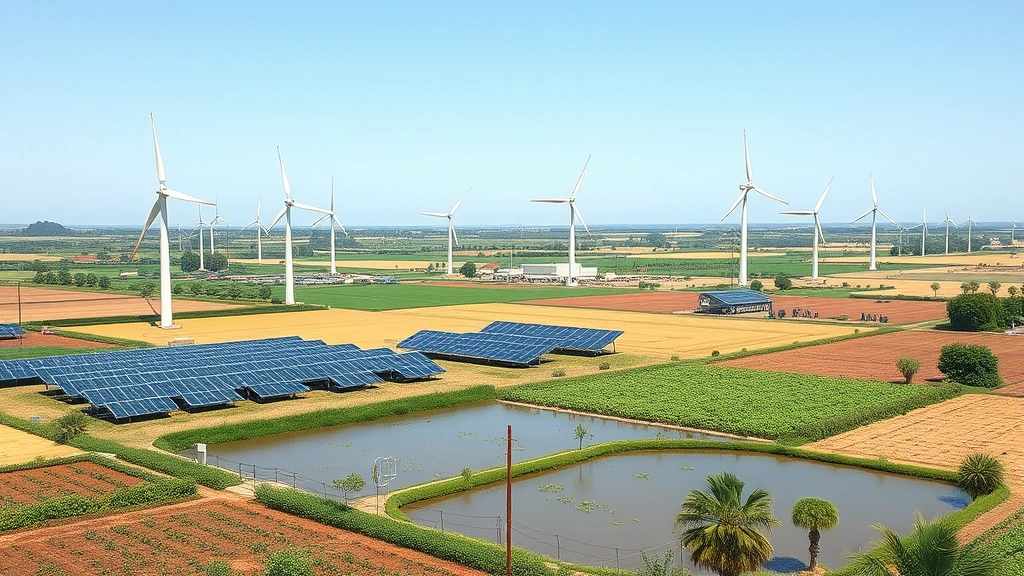
Despite the substantial constraints environmental degradation imposes on economic growth, the transition toward green economy models presents significant economic opportunities. Renewable energy deployment has become economically competitive with fossil fuels in most markets, offering cheaper electricity while eliminating fuel supply risks and pollution costs. The renewable energy sector now employs more workers globally than fossil fuel industries, demonstrating that economic transition can create employment.
Sustainable agriculture and regenerative farming practices can restore soil health while maintaining or increasing yields, capturing carbon sequestration benefits while improving long-term productivity. Farmers implementing cover crops, reduced tillage, and integrated pest management reduce input costs while rebuilding soil carbon, improving water retention, and reducing pollution. These practices represent win-win opportunities where environmental improvement enhances profitability. How to reduce carbon footprint strategies extend beyond individual behavior to encompass systemic agricultural transformation with substantial economic benefits.
Circular economy models that minimize waste and maximize resource productivity can reduce material costs while diminishing environmental impact. When companies redesign products for durability, repairability, and recyclability, they reduce raw material procurement costs while creating employment in repair, remanufacturing, and recycling sectors. Extended producer responsibility frameworks that internalize end-of-life costs incentivize design innovation that reduces material intensity and waste.
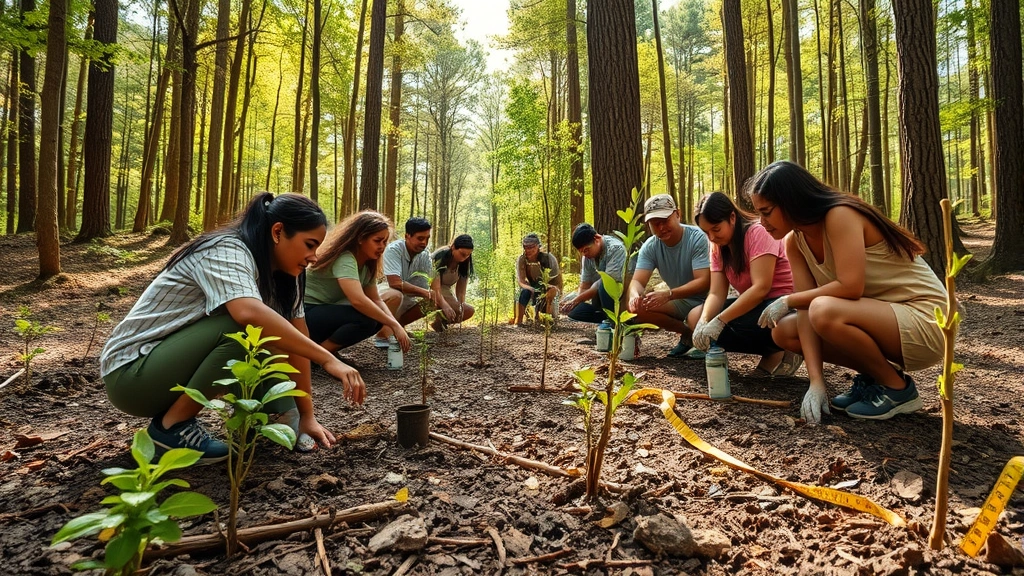
Ecosystem restoration creates employment while rebuilding natural capital. Wetland restoration, forest regeneration, coral reef rehabilitation, and other restoration projects provide employment for local communities while rebuilding ecosystem services that provide long-term economic value. Nature-based solutions for climate adaptation—mangrove restoration for coastal protection, forest conservation for water provision—often prove more cost-effective than engineered alternatives while providing co-benefits including biodiversity conservation and community employment.
Green infrastructure investment in cities reduces flooding risk, improves air quality, reduces urban heat island effects, and enhances quality of life while creating employment in construction, maintenance, and operation. Green roofs, permeable pavements, urban forests, and wetland restoration reduce stormwater management costs while providing recreation and biodiversity benefits. These investments yield positive returns through reduced infrastructure damage, improved health outcomes, and enhanced property values.
Policy Frameworks for Integration
Achieving economic growth that respects environmental boundaries requires policy frameworks that internalize environmental costs into economic decision-making. Carbon pricing mechanisms—whether through carbon taxes or cap-and-trade systems—create incentives for emissions reduction while generating government revenue that can support just transition for affected workers. Ecological economics journals document evidence that well-designed carbon pricing reduces emissions while maintaining economic growth.
Natural resource accounting that includes environmental capital in national accounting systems provides policymakers with accurate information about true economic performance. When forests, fisheries, and aquifers are valued as capital assets rather than infinite resources, depletion appears as the capital loss it represents. Adjusted net savings metrics that account for natural capital depletion provide more accurate growth measures than conventional GDP, guiding more sustainable policy choices.
Environmental impact assessment requirements for major development projects internalize environmental costs into project evaluation, preventing projects where environmental damage exceeds economic benefits. Proper assessment methodology that values ecosystem services, health impacts, and climate effects ensures that projects generating net economic losses do not proceed. Strengthening impact assessment rigor and enforcement improves investment efficiency while protecting environmental assets.
Subsidy reform that eliminates perverse incentives for environmental degradation redirects vast government resources toward sustainable activities. Agricultural subsidies that encourage overproduction and resource depletion, fossil fuel subsidies that undermine renewable energy competitiveness, and fishing subsidies that enable overharvesting all distort markets and accelerate environmental degradation. Redirecting these resources toward sustainable practices and technologies would accelerate economic transition while improving environmental outcomes.
Investment in environmental monitoring and enforcement capacity ensures that environmental regulations achieve their intended outcomes. Many developing nations possess strong environmental regulations on paper but lack resources for monitoring and enforcement, creating regulatory capture where regulated industries operate without constraint. Strengthening institutional capacity for environmental governance improves compliance while building confidence that regulations operate fairly and effectively.
Education and capacity building for sustainable business practices enables entrepreneurs and managers to identify and implement environmentally sustainable strategies that enhance profitability. When business leaders understand lifecycle analysis, circular economy principles, and ecosystem service valuation, they can identify opportunities to reduce costs while improving environmental performance. Sustainable fashion brands guide demonstrates how consumer-facing companies have captured market share through environmental leadership while improving profitability.
International cooperation on environmental governance addresses transboundary environmental challenges that individual nations cannot solve independently. Shared water resources, migratory species, and atmospheric circulation require coordinated management across borders. Trade agreements that include environmental standards prevent regulatory arbitrage where production shifts to regions with weaker environmental protections. Global cooperation on climate change mitigation represents essential coordination for managing risks that affect all economies.
FAQ
What exactly is the POC environment and how does it relate to economics?
The POC environment encompasses people, organizations, and communities within their ecological contexts. It recognizes that economic systems operate within and depend upon natural systems. Environmental conditions directly affect economic productivity, health, resource availability, and systemic stability. Degraded POC environments constrain economic potential, while healthy environments enable prosperity. This framework moves beyond treating environment as separate from economics to recognize fundamental interdependence.
How much does environmental degradation cost economically?
Environmental degradation costs are enormous and multifaceted. Air pollution alone costs approximately 5% of global GDP annually. Water scarcity affects 3.6 billion people and constrains agricultural and industrial productivity. Soil degradation costs sub-Saharan Africa 3-4% of GDP. Ecosystem service loss, health impacts, resource depletion, and climate damages collectively represent costs exceeding 10% of global GDP annually. These costs are accelerating as environmental conditions deteriorate.
Can economic growth occur without environmental degradation?
Yes, decoupling economic growth from environmental degradation is possible and increasingly necessary. Renewable energy, sustainable agriculture, circular economy models, ecosystem restoration, and green infrastructure all provide pathways for economic growth that improve rather than degrade environmental conditions. However, achieving this decoupling requires deliberate policy choices, technological innovation, and institutional transformation. Business-as-usual development models will continue degrading environmental conditions.
Which industries benefit most from environmental improvement?
Renewable energy, sustainable agriculture, ecosystem restoration, green construction, water treatment, waste management, and environmental consulting represent sectors that grow as environmental conditions improve. Tourism and recreation industries depend fundamentally on environmental quality. Insurance, real estate, and agriculture sectors benefit from reduced environmental risks. Healthcare benefits from reduced pollution and improved nutrition. Manufacturing benefits from secure resource supplies and reduced regulatory constraints.
What policy changes would most effectively integrate environment and economics?
Carbon pricing, natural resource accounting, environmental impact assessment, subsidy reform, enforcement capacity building, and international environmental cooperation represent high-impact policies. Eliminating fossil fuel and agricultural subsidies while investing in renewable energy and sustainable practices would redirect vast resources toward sustainable development. Strengthening environmental monitoring and enforcement ensures regulations achieve intended outcomes. Education and capacity building enable private sector innovation in sustainable business practices.


