Can Green Energy Boost Economy? Economist Insights
The intersection of renewable energy deployment and economic growth represents one of the most compelling debates in contemporary economics. As nations worldwide commit to decarbonization targets, a critical question emerges: does transitioning to green energy stimulate economic expansion, or does it impose constraints on growth? Economist consensus has shifted dramatically over the past decade, with empirical evidence increasingly demonstrating that clean energy investments generate substantial macroeconomic benefits alongside environmental advantages.
This comprehensive analysis synthesizes cutting-edge economic research, policy implementation data, and real-world case studies to examine how renewable energy transitions create employment, drive innovation, and reshape capital flows. Rather than presenting green energy as a trade-off with economic prosperity, contemporary ecological economics reveals synergistic relationships between environmental sustainability and robust economic performance.
Green Energy Investment as Economic Stimulus
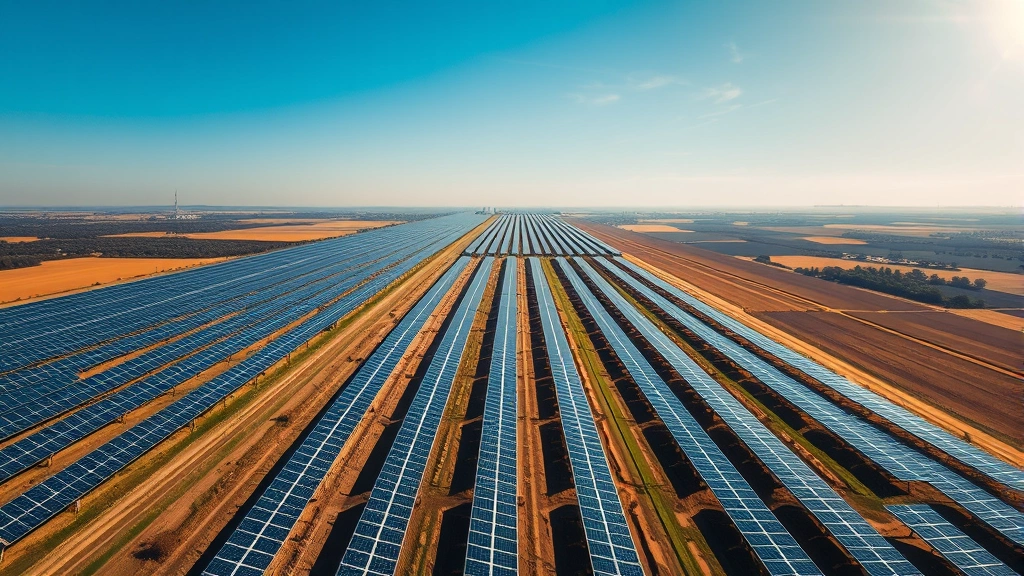
Green energy investments function as powerful economic multipliers within modern economies. When governments and private entities allocate capital toward renewable infrastructure—solar installations, wind farms, grid modernization, and energy storage systems—they generate immediate spending across manufacturing, construction, and service sectors. The World Bank reports that renewable energy investments reached $366 billion globally in 2023, creating cascading demand for materials, labor, and specialized expertise.
The economic stimulus mechanism operates through multiple channels. Direct investment spending supports manufacturing facilities producing turbines, photovoltaic panels, and battery systems. Construction employment expands as crews install generation capacity and upgrade transmission infrastructure. Supply chain development generates opportunities for component suppliers, logistics providers, and technical service companies. Unlike fossil fuel extraction—which concentrates wealth in resource-rich regions—renewable energy development distributes economic benefits across diverse geographic areas, enabling rural communities to participate in energy markets through land leasing and local employment.
Research from ecological economics institutions demonstrates that renewable energy spending produces higher economic multipliers than fossil fuel expenditures. A dollar invested in clean energy generates approximately $1.50 in broader economic activity, compared to $1.16 for conventional energy infrastructure. This differential emerges because renewable energy manufacturing requires more labor-intensive processes, relies on domestically-sourced materials, and supports local supply chains rather than importing fuel commodities.
Understanding human environment interaction proves essential when evaluating long-term economic sustainability. Green energy transitions reduce environmental externalities—health costs from air pollution, climate damage expenses, ecosystem degradation—that traditionally imposed hidden economic burdens. By internalizing these costs through clean energy adoption, economies achieve more accurate price signals and sustainable growth trajectories.

Employment Generation and Job Quality
The employment narrative surrounding green energy transitions reveals compelling economic advantages. Renewable energy sectors employ workers at rates exceeding fossil fuel industries by significant margins. According to the International Renewable Energy Agency, the renewable energy sector employed 13.7 million people globally in 2023, with employment growth accelerating annually. Solar installation, wind turbine maintenance, grid modernization, and energy efficiency retrofitting create diverse career pathways across skill levels.
Job quality metrics demonstrate advantages beyond raw employment numbers. Renewable energy positions typically offer higher median wages than fossil fuel equivalents, feature stronger unionization rates, and provide superior benefits packages. Wind technicians earn median wages of $56,000-$72,000 annually with benefits, while solar installers command $45,000-$65,000 plus comprehensive health coverage. These positions concentrate in local communities, preventing the resource-extraction model that historically enriches distant corporations while leaving communities economically vulnerable to commodity price fluctuations.
Workforce transition programs address legitimate concerns regarding fossil fuel workers displaced by energy transitions. Progressive economies implement retraining initiatives, wage insurance, and community investment funds to support affected workers. Germany’s energy transition invested €40 billion in worker support and regional development, successfully transitioning coal-dependent regions toward renewable energy and technology sectors. This demonstrates that economic growth from clean energy adoption need not occur at workers’ expense when properly managed through inclusive transition policies.
The skills development dimension provides additional economic stimulus. Training programs in renewable installation, electrical grid management, and energy storage technologies create educational opportunities, supporting community colleges, technical institutes, and apprenticeship systems. These investments build human capital that benefits broader economic development beyond energy sectors.
Innovation and Technological Spillovers
Green energy transitions catalyze innovation ecosystems that generate economy-wide productivity improvements. Renewable energy development drives research investment in battery technology, smart grid systems, materials science, and energy efficiency. These innovations produce technological spillovers benefiting sectors beyond energy—battery innovations enhance electric vehicle performance, grid optimization improves manufacturing efficiency, and efficiency technologies reduce operational costs across industries.
Patent analysis reveals accelerating innovation trajectories in renewable energy technologies. Global renewable energy patents increased 34% between 2015-2023, with particular concentration in battery storage, solar efficiency, and grid integration technologies. This innovation surge reflects both public R&D investment and private sector competition, creating virtuous cycles where technological improvements reduce costs, expand market adoption, and attract further investment.
The economic benefits extend through supply chain development. Renewable energy manufacturing requires precision engineering, advanced materials, and sophisticated production processes that strengthen industrial capabilities. Countries developing renewable energy sectors simultaneously build manufacturing expertise applicable to medical devices, electronics, aerospace components, and other high-value industries. Denmark’s wind energy leadership translated into global competitiveness in wind turbine manufacturing, generating €12 billion in annual export revenues and establishing technological dominance across related sectors.
Understanding renewable energy for homes highlights how residential adoption drives distributed innovation. Homeowners experimenting with solar installations, battery storage, and smart energy management systems generate real-world operational data improving product design. This consumer-driven innovation accelerates technology improvement cycles and reduces costs through volume production and competitive market dynamics.
Energy Cost Reduction and Competitiveness
Renewable energy transitions fundamentally alter energy economics through cost reduction mechanisms. Solar photovoltaic costs declined 90% between 2010-2023, while wind energy costs fell 70% over equivalent periods. These dramatic reductions reflect manufacturing scale improvements, technological advancement, supply chain optimization, and competition among producers. Unlike fossil fuels subject to volatile commodity markets, renewable energy costs demonstrate structural decline trajectories supporting long-term price stability.
Lower energy costs translate directly into enhanced economic competitiveness. Manufacturing facilities operating with renewable energy enjoy 30-40% lower electricity expenses than fossil fuel-dependent competitors. This cost advantage proves particularly significant for energy-intensive industries—aluminum smelting, semiconductor fabrication, chemical production—where electricity represents substantial operational expenses. Iceland, Costa Rica, and Norway demonstrate how abundant renewable resources attract high-value manufacturing and technology operations seeking low-cost, clean energy.
Energy security improvements accompany cost reductions. Economies reducing fossil fuel imports strengthen balance-of-payment positions and decrease vulnerability to international energy market disruptions. India’s renewable energy expansion reduced petroleum import requirements by 3% annually, preserving approximately $8 billion in foreign exchange reserves. This financial benefit supports currency stability, improves creditworthiness, and enables capital reallocation toward productive investments.
Industrial competitiveness extends beyond direct energy costs. Companies operating with renewable energy enhance brand value, access sustainability-focused investment capital, and meet customer environmental preferences increasingly influencing purchasing decisions. Corporate renewable energy commitments now exceed 500 gigawatts globally, with multinational corporations competing for renewable power purchase agreements at attractive rates. This market dynamic creates positive feedback loops where renewable energy deployment becomes economically rational regardless of environmental considerations.
Infrastructure Development and Regional Growth
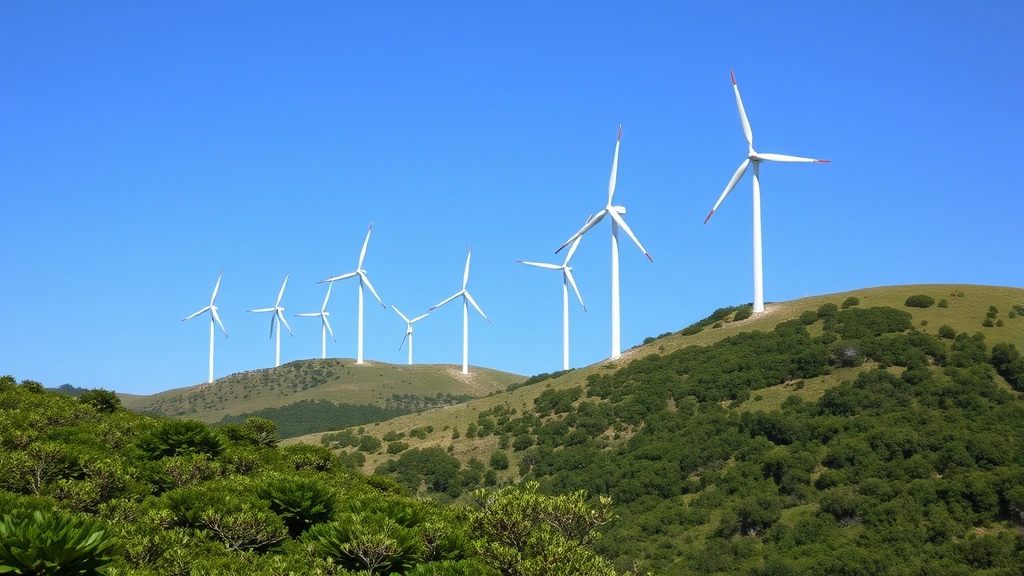
Green energy transitions require massive infrastructure investments creating employment and economic development opportunities in underutilized regions. Solar and wind resources distribute geographically independent of population centers, enabling economic development in rural, coastal, and remote areas historically dependent on resource extraction or agriculture. Wind farms on agricultural land provide farmers supplementary income through lease payments while maintaining agricultural productivity, diversifying rural economies.
Grid modernization accompanying renewable energy deployment generates additional economic benefits. Smart grid technologies, energy storage systems, and demand management infrastructure require substantial capital investment while creating operational employment. These investments improve overall grid efficiency, reduce transmission losses, and enhance reliability—benefits extending beyond renewable energy to benefit all electricity consumers.
Regional development patterns demonstrate how green energy transitions redistribute economic opportunity. Spain’s renewable energy sector concentrates in Castilla-La Mancha and Andalusia regions, previously experiencing economic stagnation. Wind and solar development attracted manufacturing facilities, created local employment, and stimulated service sector growth. These regions now demonstrate GDP growth rates exceeding national averages, illustrating how clean energy transitions can address regional inequality.
Examining how to reduce carbon footprint at regional scales reveals interconnected economic benefits. Communities implementing renewable energy transitions simultaneously address air pollution, reduce healthcare costs, and improve workforce productivity through improved air quality. These co-benefits accumulate into substantial economic gains beyond energy sector measurements.
Comparative Economic Performance Analysis
International comparative analysis reveals positive correlations between renewable energy deployment and economic performance metrics. Countries leading renewable energy transitions—Denmark, Germany, Portugal, Costa Rica—maintain robust GDP growth, low unemployment rates, and strong fiscal positions. Denmark generates 80% of electricity from renewables while maintaining the lowest electricity prices in Northern Europe and ranking among global leaders in industrial competitiveness.
The United Nations Environment Programme documents that renewable energy-leading economies consistently outperform fossil fuel-dependent peers in employment growth, income distribution, and economic resilience metrics. This evidence contradicts earlier concerns that environmental protection necessitates economic sacrifice, instead demonstrating that sustainable energy systems support superior long-term economic outcomes.
Sectoral analysis reveals renewable energy transitions create broader economic dynamism. Clean energy economies develop stronger technology sectors, more diversified industrial bases, and greater innovation capacity. Sweden’s renewable energy abundance supported development of global technology leaders in telecommunications, transportation, and industrial automation—sectors leveraging abundant clean electricity for competitive advantage.
Financial market recognition increasingly reflects renewable energy economic advantages. Renewable energy companies command premium valuations based on cost-competitive generation, predictable revenue streams, and long-term contract security. This investor confidence channels capital toward clean energy deployment, creating self-reinforcing cycles where capital availability enables further expansion.
Challenges and Transition Costs
Comprehensive economic analysis acknowledges legitimate challenges requiring policy attention. Renewable energy transitions impose transition costs through stranded fossil fuel assets, workforce displacement, and infrastructure modification expenses. Coal plants, oil refineries, and natural gas facilities require decommissioning or repurposing, representing substantial capital losses. These costs, however, prove economically preferable to perpetuating climate damages that economists estimate will reduce global GDP by 5-20% by 2100 under high-emission scenarios.
Intermittency management requires energy storage and grid flexibility investments. Battery storage, pumped hydro facilities, and demand management systems entail capital expenditures and operational costs. However, declining battery costs—falling 89% between 2010-2023—rapidly improve storage economics. Current analysis demonstrates that renewable energy plus storage systems achieve cost parity with fossil fuel generation across most global markets, with advantages expanding as costs continue declining.
The physical components of an ecosystem interact with energy infrastructure requiring careful environmental management. Wind and solar facilities occupy land with ecological implications requiring mitigation through thoughtful siting, habitat restoration, and operational practices. These environmental management costs represent genuine economic expenses, though typically minor compared to fossil fuel externalities and substantially less than climate damage costs avoided through emissions reductions.
Policy uncertainty and regulatory barriers create transition friction. Fossil fuel subsidies—exceeding $7 trillion globally when including environmental externality costs—distort market competition and slow renewable deployment. Removing these subsidies and implementing carbon pricing mechanisms would accelerate clean energy transitions, though requiring careful attention to social equity concerns through targeted support for affected communities.
Developing economies face particular challenges accessing capital for renewable energy transitions despite superior long-term economics. Limited domestic savings, higher borrowing costs, and infrastructure deficits create financing barriers. International development institutions increasingly address these constraints through concessional lending, technical assistance, and risk mitigation mechanisms enabling developing countries to access clean energy opportunities.
FAQ
Does renewable energy cost more than fossil fuels?
No. Renewable energy costs have declined dramatically, with solar and wind now the cheapest electricity sources in most markets. Levelized costs—total lifetime expenses per unit of electricity—for solar ($30-60/MWh) and wind ($40-80/MWh) undercut natural gas ($60-150/MWh) and coal ($100-200/MWh) across most regions. When including health and environmental costs, fossil fuels appear substantially more expensive.
How many jobs does renewable energy create?
The renewable energy sector employed 13.7 million people globally in 2023, with employment growth accelerating. Solar installation, wind maintenance, grid modernization, and energy efficiency retrofitting create diverse career opportunities. Renewable energy employment grows 5-7% annually, substantially exceeding fossil fuel sector growth rates.
Will renewable energy transitions harm economic growth?
Evidence demonstrates that renewable energy transitions support robust economic growth. Countries leading clean energy adoption maintain strong GDP growth, low unemployment, and competitive industrial sectors. Economic models project that clean energy transitions generate 0.5-1.5% additional annual GDP growth through innovation, employment creation, and cost reductions.
How long does renewable energy transition require?
Most analyses project 20-30 year timelines for complete energy system transitions, requiring approximately 3-5% annual renewable energy capacity additions. Accelerated transitions to 2035-2040 prove technically feasible with appropriate policy support and investment, though requiring substantial infrastructure deployment and workforce transitions.
What about energy storage costs?
Battery storage costs declined 89% between 2010-2023, with further reductions anticipated. Current lithium-ion battery costs of $100-200/kWh support economically competitive storage systems. Multiple storage technologies—pumped hydro, compressed air, thermal storage, hydrogen—provide diverse options for different applications and geographies.
How do green energy policies affect competitiveness?
Well-designed green energy policies enhance economic competitiveness by reducing energy costs, improving air quality, and stimulating innovation. Concerns about competitiveness primarily reflect poorly-designed policies creating uneven cost burdens. Carbon pricing with border adjustment mechanisms and technology-neutral renewable support avoid competitive distortions while enabling clean energy transitions.


