
Can Ecosystems Boost Economies? Study Insights on Natural Capital and Economic Growth
The relationship between ecosystems and economic prosperity has evolved from a peripheral concern to a central question in development economics. Emerging research demonstrates that healthy ecosystems function as critical operating system environments for sustained economic activity, generating trillions in ecosystem services annually. Rather than viewing nature and economy as competing interests, contemporary ecological economics reveals them as deeply interconnected systems where environmental degradation directly undermines long-term economic resilience.
Recent comprehensive studies quantify what many policymakers have overlooked: the economic value of natural capital—including forests, wetlands, coral reefs, and soil systems—exceeds conventional GDP measurements. When we account for ecosystem services such as pollination, water filtration, climate regulation, and nutrient cycling, the true cost of environmental destruction becomes apparent. This article synthesizes key research findings to demonstrate how ecosystem health directly correlates with economic performance, challenging the outdated paradigm that economic growth requires environmental sacrifice.
Ecosystem Services and Economic Valuation
Understanding how ecosystems boost economies begins with recognizing ecosystem services—the benefits humans derive from natural systems. The Millennium Ecosystem Assessment, a landmark UNEP-coordinated initiative, identified four categories: provisioning services (food, water, timber), regulating services (climate stability, disease control), supporting services (nutrient cycling, soil formation), and cultural services (recreation, spiritual value).
Economists have developed sophisticated methodologies to assign monetary values to these services. A World Bank analysis estimated that ecosystem services globally contribute approximately $125 trillion annually—nearly 1.5 times global GDP. This staggering figure reflects the foundational role natural systems play in every economic sector. When mangrove forests are destroyed, coastal communities lose storm protection, fish nurseries, and carbon storage capacity simultaneously. The economic loss extends far beyond timber value.
The concept of natural capital accounting represents a paradigm shift in economic measurement. Traditional GDP ignores resource depletion, treating forest harvesting as pure income rather than capital consumption. By contrast, natural capital accounting recognizes that converting forests to farmland represents a transfer of value rather than creation of wealth. Natural capital accounting frameworks now enable countries to measure genuine progress, adjusting for environmental degradation and resource depletion.
Research on human environment interaction reveals that economic systems fundamentally depend on ecosystem stability. Agricultural productivity, pharmaceutical development, and industrial processes all rely on biodiversity and ecosystem function. Pollination services alone—provided by bees, butterflies, and other insects—support crops valued at $15-20 billion annually in the United States.
Natural Capital as Economic Infrastructure
Ecosystems function as essential infrastructure for economic activity, yet unlike built infrastructure, they require minimal maintenance investment while delivering compounding returns. A healthy forest ecosystem simultaneously provides timber production, water purification, carbon sequestration, wildlife habitat, and recreational opportunities. This multifunctionality makes natural systems extraordinarily cost-effective compared to technological alternatives.
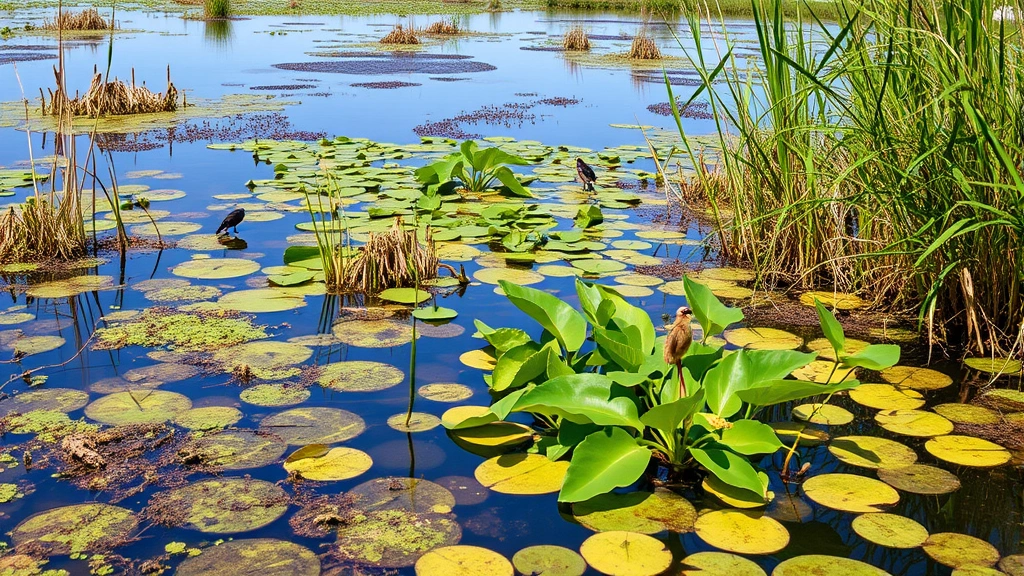
Consider water treatment: constructed wetlands can purify water at one-tenth the cost of conventional treatment plants while providing habitat for thousands of species. The city of New York chose to invest $1.5 billion in watershed protection rather than $10 billion in water treatment infrastructure. This decision illustrates how ecosystem-based approaches often outperform engineered solutions economically and ecologically.
The operating system environment metaphor applies directly to ecological infrastructure. Just as computer operating systems require stable foundational systems to function, economies require stable ecological systems. Soil degradation, aquifer depletion, and atmospheric carbon accumulation represent critical failures in the natural operating system—failures that cascade through economic sectors. Recent studies demonstrate that countries with degraded natural capital experience slower economic growth, higher vulnerability to climate shocks, and increased poverty rates.
Understanding definition of human environment interaction helps clarify how economic systems embed themselves within ecological systems. The interaction is not external—economy and ecosystem are one integrated system. When wetlands are drained for development, the economic gains from land conversion must be weighed against losses in flood control, water purification, and fisheries productivity.
Agricultural Productivity and Biodiversity
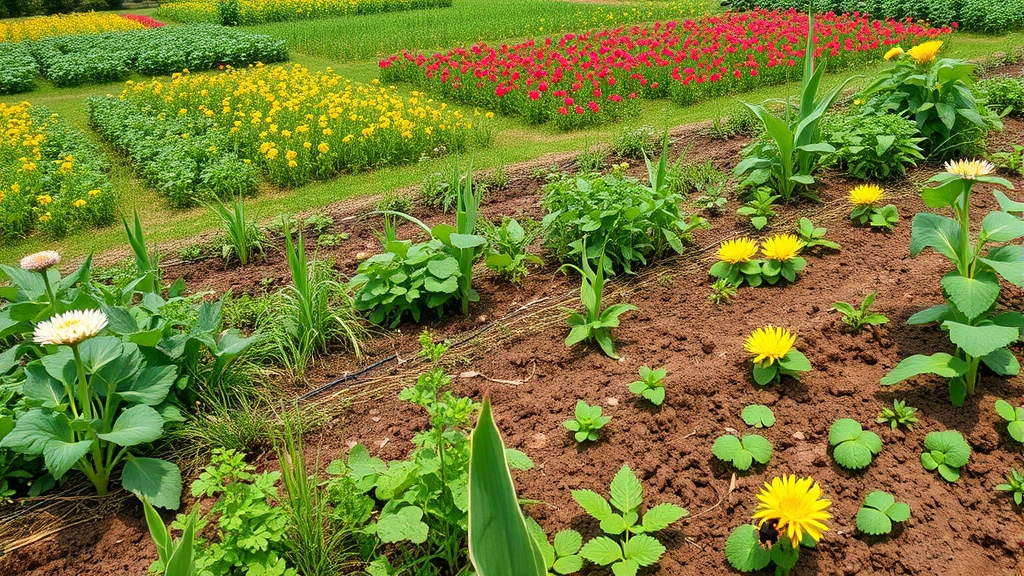
Agricultural systems demonstrate ecosystem-economy interdependence most clearly. Industrial agriculture achieved short-term productivity gains through monoculture and chemical inputs, but these gains came at the cost of ecosystem degradation. Contemporary research reveals that biodiverse agricultural systems often match or exceed monoculture productivity while building long-term resilience.
A meta-analysis of 86 studies found that diverse crop systems maintain yields while reducing pesticide requirements, improving soil health, and enhancing resilience to climate variability. Farmers practicing how to reduce carbon footprint through regenerative agriculture—which emphasizes soil health, biodiversity, and reduced chemical inputs—report improved profitability alongside environmental benefits.
Pollinator populations illustrate the economic stakes. Honeybee colony collapse disorder emerged as an economic crisis because monoculture agriculture had eliminated wildflower habitat, forcing bees to rely on single crops. Restoring diverse ecosystems around agricultural land increases pollinator populations, reduces pest pressure through natural predation, and improves crop yields. The economic value of maintaining biodiversity in agricultural landscapes exceeds the cost of conventional pest management approaches.
Soil systems represent another critical ecosystem service with profound economic implications. Healthy soils with diverse microbial communities improve water retention, reduce erosion, and increase nutrient availability—reducing fertilizer requirements. Studies show that regenerative practices increase soil carbon content, improving productivity while sequestering atmospheric carbon. This demonstrates how ecosystem restoration directly generates economic value.
Climate Resilience and Financial Stability
Ecosystem health directly determines economic resilience to climate change. Forests, wetlands, and coral reefs buffer communities against extreme weather, while their degradation increases vulnerability to hurricanes, floods, and droughts. This relationship translates directly into financial risk and economic opportunity.
Insurance and financial sectors increasingly recognize ecosystem degradation as a material risk factor. A degraded watershed increases flood risk, raising insurance costs and property values in vulnerable areas. Conversely, ecosystem restoration reduces these risks and generates measurable financial benefits. Bangladesh’s investment in mangrove restoration has reduced annual disaster losses by hundreds of millions of dollars while improving fisheries productivity.
Climate-related economic losses are accelerating. The World Bank estimates that climate change could reduce global GDP by 10-23% by 2100 without mitigation. However, much of this loss is preventable through ecosystem-based adaptation strategies. Mangrove restoration, forest conservation, and wetland protection provide cost-effective climate adaptation that generates co-benefits including food security, livelihood support, and biodiversity conservation.
The relationship between environment awareness and financial decision-making is strengthening. Institutional investors managing $130+ trillion now recognize climate risk and natural capital degradation as financial risks. This recognition is driving capital reallocation toward sustainable enterprises and away from ecosystem-destructive industries.
Research on types of environments and their economic resilience reveals that diverse, intact ecosystems withstand climate shocks better than simplified, degraded systems. Tropical rainforests with high biodiversity maintain productivity through droughts and temperature fluctuations that would devastate monoculture plantations. This ecological resilience translates to economic resilience for communities dependent on these systems.
Case Studies: Regional Economic Benefits
Costa Rica provides a compelling case study of ecosystem-based economic development. After decades of deforestation, the country reversed forest loss through payment for ecosystem services programs and ecotourism development. Today, forests cover 52% of national territory and generate $4+ billion annually through tourism, while providing critical water security for hydroelectric power and agriculture. Costa Rica demonstrates that ecosystem restoration can align with economic prosperity.
Indonesia’s recognition of mangrove ecosystem value transformed regional economics. Mangrove forests provide nurseries for 80% of commercial fish species while protecting coastal communities from typhoons and tsunamis. When economic analysis included these values, mangrove conservation became economically rational. Restoration projects now generate income through sustainable aquaculture, carbon credits, and fisheries while protecting coastal infrastructure.
Kenya’s wildlife ecosystems support a $29 billion tourism industry—larger than any other sector. However, wildlife populations depend on maintaining ecosystem connectivity and preventing habitat fragmentation. This creates economic incentives for ecosystem conservation that extend beyond national parks to private lands and community territories. The economic value of living ecosystems exceeds the value of converted land in most scenarios.
These case studies share common features: they recognize ecosystem value comprehensively, align economic incentives with conservation, and demonstrate that ecosystem restoration generates profitable economic activity. Return on investment for ecosystem restoration typically ranges from 4:1 to 15:1 over 20-30 year periods.
Policy Frameworks and Implementation
Translating ecosystem value into economic policy requires institutional innovation and policy design that aligns economic incentives with ecological sustainability. Payment for ecosystem services (PES) programs represent one approach, compensating landowners for maintaining forests, wetlands, and grasslands. These programs have expanded globally, with carbon offset markets alone reaching $1+ billion annually.
Natural capital accounting represents another policy framework gaining momentum. The UN System of Environmental-Economic Accounting now provides standardized methodology for measuring natural capital, enabling countries to incorporate ecosystem value into national accounts. Costa Rica, India, and several European nations have adopted natural capital accounting, revealing that conventional GDP significantly overstates genuine economic progress.
Ecological restoration as economic stimulus has gained traction, particularly following the 2008 financial crisis and COVID-19 pandemic. Restoration projects generate employment in rural areas, improve ecosystem services, and build long-term productive capacity—making them superior stimulus investments to conventional infrastructure spending. The European Union’s Biodiversity Strategy commits €20 billion annually to ecosystem restoration, recognizing both ecological and economic benefits.
Policy integration across sectors remains challenging but essential. Agricultural policy must account for soil health and biodiversity. Water policy must protect watersheds and wetlands. Energy policy must value forest carbon storage. Transportation planning must preserve ecosystem connectivity. This integrated approach requires institutional coordination but generates enormous economic efficiency gains.
Accessing the blog home reveals ongoing discussion of these policy challenges and opportunities. The transition toward ecosystem-positive economics requires continuous learning, experimentation, and policy adaptation as evidence accumulates.
International frameworks increasingly support ecosystem-based economics. The UNEP Ecosystem Programme coordinates global efforts to recognize ecosystem value in economic decision-making. The Sustainable Development Goals explicitly link ecosystem health to poverty reduction, economic growth, and human wellbeing. These frameworks create policy space for ecosystem-positive development strategies.
FAQ
How do ecosystems directly boost economic growth?
Ecosystems boost economies by providing essential services—pollination, water purification, climate regulation, soil formation—that would cost trillions to replicate technologically. When ecosystems are healthy and productive, they reduce business costs, improve agricultural yields, enhance climate resilience, and support tourism and recreation industries. Economic sectors from agriculture to insurance depend on ecosystem stability.
What is the monetary value of ecosystem services?
Global ecosystem services are valued at approximately $125 trillion annually according to World Bank estimates. This includes $50+ trillion from forest ecosystems, $20+ trillion from agricultural and grassland ecosystems, and substantial contributions from aquatic systems. However, these valuations are conservative—many ecosystem services remain unpriced because we lack adequate measurement methodologies.
Can ecosystem restoration generate economic returns?
Yes. Research consistently demonstrates that ecosystem restoration generates financial returns of 4:1 to 15:1 over 20-30 year periods. Mangrove restoration reduces disaster losses while improving fisheries. Forest restoration increases water availability while sequestering carbon. Wetland restoration reduces flood damage while improving water quality. These returns far exceed restoration costs.
How does biodiversity affect economic productivity?
Biodiversity enhances economic productivity across multiple dimensions. Diverse ecosystems are more resilient to climate shocks, pests, and diseases. Diverse agricultural systems maintain yields while reducing input costs. Diverse forests provide multiple products and services. Genetic diversity in crop and livestock populations provides insurance against future challenges. Economic systems that maintain biodiversity build long-term resilience and productivity.
What policy changes would support ecosystem-based economics?
Key policy changes include: adopting natural capital accounting to measure genuine economic progress; implementing payment for ecosystem services programs; incorporating ecosystem value into cost-benefit analyses; aligning agricultural, water, and energy policy with ecosystem sustainability; protecting ecosystem connectivity; and supporting ecosystem restoration as economic stimulus. These changes require institutional coordination but generate substantial economic efficiency gains.
Which sectors benefit most from healthy ecosystems?
Agriculture, fisheries, tourism, water utilities, insurance, and pharmaceutical industries depend most directly on ecosystem health. However, all economic sectors ultimately depend on ecosystem services—food production, water availability, climate stability, and genetic resources. Manufacturing depends on raw materials and stable climate. Finance depends on stable economic conditions that ecosystem degradation threatens. Healthy ecosystems provide the foundation for all economic activity.


