
Is Obesogenic Environment Affecting Economy? Study Finds Significant Economic Burden
The relationship between environmental design and human health has emerged as a critical economic concern. Recent research demonstrates that obesogenic environments—spaces that promote sedentary lifestyles and unhealthy eating patterns—impose substantial costs on national economies. These findings challenge traditional perspectives that treat obesity as merely an individual health issue, revealing instead a systemic economic problem rooted in how societies structure their physical and social spaces.
An obesogenic environment encompasses urban planning decisions, food system architecture, transportation infrastructure, and workplace design that collectively encourage weight gain and metabolic dysfunction. From fast-food clusters in low-income neighborhoods to car-dependent suburban sprawl, these environmental factors create economic ripple effects spanning healthcare systems, workforce productivity, and environmental degradation. Understanding these connections requires integrating ecological economics, public health data, and systemic environmental analysis.
Understanding Obesogenic Environments and Economic Costs
The concept of an obesogenic environment emerged from ecological and environmental health research recognizing that obesity rates correlate directly with environmental design rather than individual willpower alone. According to research published in Environmental Health Perspectives, built environments significantly influence dietary choices and physical activity patterns. When cities prioritize automobile transportation over walkability, install vending machines in schools, and permit fast-food proliferation in food deserts, they create systematic economic externalities.
The World Bank estimates that obesity-related conditions cost the global economy approximately 2.8 trillion USD annually when accounting for direct healthcare expenses, lost productivity, and environmental degradation. This represents roughly 3.5% of global GDP—a figure comparable to smoking-related economic losses. However, unlike smoking, which has declined in developed nations, obesity continues accelerating, particularly in middle-income countries experiencing rapid urbanization and human-environment interaction changes.
The economic mechanism operates through multiple pathways. Healthcare systems absorb direct treatment costs for obesity-related diseases including type 2 diabetes, cardiovascular disease, and certain cancers. Simultaneously, employers face indirect costs through absenteeism, presenteeism (reduced productivity while working), and increased insurance premiums. Governments allocate resources addressing environmental factors—urban sprawl requiring infrastructure expansion, food subsidy systems that incentivize calorie-dense processed foods, and transportation networks designed around automobiles rather than active mobility.
Research from the World Bank demonstrates that countries with higher obesity prevalence experience slower economic growth rates. This correlation persists even after controlling for income levels and healthcare spending, suggesting structural economic inefficiencies embedded within environmental systems themselves.
Healthcare Expenditures and Systemic Burden
Direct healthcare costs attributable to obesogenic environments present the most quantifiable economic burden. The United States spends approximately 147 billion USD annually on obesity-related medical care—roughly 9.3% of total healthcare expenditure. This encompasses hospitalization for weight-related complications, pharmaceutical interventions, bariatric surgeries, and long-term disease management. Critically, these costs concentrate disproportionately among low-income populations living in areas with limited access to nutritious foods and recreational facilities, creating regressive economic impacts.
Ecological economics frameworks reveal how healthcare expenditure represents misallocated resources. Funds directed toward treating preventable weight-related diseases cannot address environmental restoration, renewable energy infrastructure, or sustainable food system development. This opportunity cost amplifies when considering that obesity interventions typically achieve modest long-term results without addressing underlying environmental drivers. A systematic review in Lancet found that individual behavioral interventions produce average weight losses of 5-10 kg, rarely sustained beyond 12 months when environmental factors remain unchanged.
Hospital systems in developed economies report increasing resource allocation toward obesity-related complications. Bariatric surgery waiting lists extend years in many countries, while complications from weight-related conditions require expensive intensive care interventions. Insurance systems respond through premium increases that distribute costs across entire populations, creating hidden economic transfers from healthy individuals to those in obesogenic environments.
The economic burden extends beyond direct medical spending to pharmaceutical costs. Anti-obesity medications, increasingly prescribed as environmental solutions prove inadequate, represent a growing market segment. Global pharmaceutical spending on obesity medications reached 2.3 billion USD in 2023, with projections reaching 5.8 billion by 2030. This trajectory reflects economic incentive structures favoring pharmaceutical interventions over environmental redesign—a systemic misallocation of resources from ecological economics perspectives.
Productivity Loss and Workforce Economics
Beyond healthcare expenditure, obesogenic environments impose substantial productivity costs through multiple mechanisms. Obesity associates with increased absenteeism, with studies documenting 1.5-2.0 additional sick days annually for obese workers compared to normal-weight colleagues. For large economies, this translates to billions in lost work hours. Presenteeism—reduced productivity while at work—creates even larger economic losses, estimated at 2-3 times absenteeism costs.
Workplace design itself often reinforces obesogenic patterns. Sedentary office environments, long commutes in automobiles, and workplace cafeterias featuring calorie-dense options create structural conditions promoting weight gain. The economic consequence manifests as declining workforce productivity precisely when aging populations require increased economic output. Japan and several European nations face this paradox acutely—aging workforces with increasing obesity prevalence occurring simultaneously.
Labor market discrimination based on weight introduces additional economic distortions. Research documents that obese individuals face wage penalties of 3-5% even after controlling for education and experience. This represents a form of human capital underutilization, where productivity capacity remains untapped due to environmental and social factors rather than actual capability differences. The aggregate economic loss from this misallocation compounds across entire labor markets.
Early retirement patterns associated with obesity-related disabilities accelerate pension system strain. In developed economies, obesity-related disability benefits have increased 300% over the past two decades. This transfers economic burden from current workers to government budgets, reducing fiscal capacity for environmental investments and infrastructure development.
Environmental and Ecological Consequences
The ecological economics perspective reveals that obesogenic environments impose environmental costs that further amplify economic burdens. Food systems supporting obesity-promoting diets require intensive agricultural inputs, generating substantial greenhouse gas emissions. The production, transportation, and packaging of ultra-processed foods—dominant in obesogenic food environments—creates carbon footprints exceeding nutrient-dense alternatives by 30-50%.
Agricultural land use represents another critical environmental cost. Obesogenic diets emphasizing meat, dairy, and processed ingredients require approximately 2.5 times more land per calorie than plant-forward alternatives. As global populations increase, land scarcity directly constrains economic productivity in agriculture-dependent regions. The World Resources Institute estimates that meeting 2050 food demand while maintaining current consumption patterns requires converting 593 million hectares of natural ecosystems—equivalent to destroying all remaining tropical forests.
Transportation patterns reinforcing sedentary lifestyles generate substantial environmental costs. Car-dependent sprawl requires extensive infrastructure investment, consumes resources, and generates emissions. The average American drives 13,500 miles annually—significantly higher than residents of walkable communities. This infrastructure-intensive pattern creates path dependencies where initial environmental damage necessitates continued spending, reducing economic flexibility.
Water consumption and pollution from food system intensification represents a third environmental-economic linkage. Industrial agriculture supporting calorie-dense food production consumes 70% of global freshwater while generating agricultural runoff creating dead zones in aquatic ecosystems. These environmental damages impose costs on fishing industries, water treatment systems, and future agricultural productivity—economic externalities rarely reflected in food prices.

Urban Planning and Economic Structural Issues
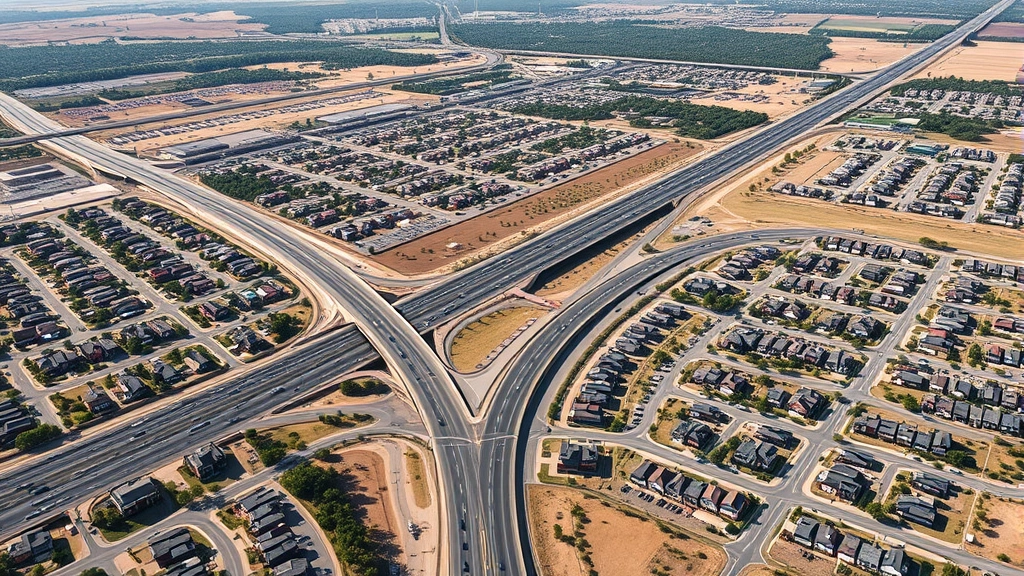
The architectural foundation of obesogenic environments reveals deep economic structural problems. Post-World War II urban development patterns in developed nations prioritized automobile-dependent sprawl over walkable, mixed-use communities. This infrastructure choice, appearing economically rational through narrow accounting frameworks, generated enormous hidden costs. Car-dependent sprawl requires expensive highway construction and maintenance, parking infrastructure consuming valuable urban land, and fuel consumption creating environmental externalities.
Conversely, walkable communities demonstrate superior long-term economic performance. Research from the United Nations Environment Programme documents that compact, transit-oriented development creates higher property values, reduced infrastructure costs per capita, and lower transportation expenses for residents. Yet economic incentive structures often favor sprawl development—developers capture construction profits while cities bear long-term infrastructure maintenance costs.
Food system geography reinforces economic inequality and obesity concentration. Food deserts—low-income neighborhoods with limited access to supermarkets offering nutritious foods—correlate precisely with obesity prevalence and concentrated poverty. This reflects historical redlining policies and investment patterns that created racialized economic geographies. Breaking these patterns requires substantial public investment, yet fiscal systems often lack resources after sprawl infrastructure obligations.
The relationship between human interaction with environments and economic development reveals how physical infrastructure shapes economic possibilities. Cities designed for cars require individuals to spend 10-15% of household income on transportation—a regressive cost burden. Walkable communities reduce this to 3-5%, freeing resources for other economic activities and reducing household financial stress.
Zoning regulations enforcing single-use development (residential separated from commercial) create structural obstacles to walkability. These regulations, implemented with stated public health intentions, paradoxically promote obesity by preventing pedestrian-friendly mixed-use development. Reforming zoning requires political will and often faces opposition from property owners benefiting from current arrangements, creating political-economic lock-in preventing beneficial environmental restructuring.
Solutions and Economic Restructuring
Addressing obesogenic environments requires systemic economic restructuring rather than individual behavioral interventions. Evidence-based solutions involve redesigning food systems, urban environments, and transportation infrastructure to support health-promoting behaviors as default options. These interventions offer superior economic returns compared to treating obesity-related diseases.
Food system transformation represents the highest-leverage intervention. Redirecting agricultural subsidies from commodity crops (corn, soy, wheat) toward fruits, vegetables, and legumes would reduce food prices for nutritious options while increasing prices for calorie-dense processed foods. Research modeling this policy change predicts obesity reduction of 5-10% within a decade, generating healthcare savings exceeding intervention costs by 3:1. The Food and Agriculture Organization documents that such subsidies represent rational economic policy when accounting for health externalities.
Urban redesign toward walkability and active transportation creates multiple economic benefits. Protected bicycle infrastructure costs 1-2 million USD per mile but generates health benefits exceeding 5 million USD annually through reduced healthcare costs and increased productivity. Car-dependent infrastructure costs 5-10 million USD per mile while generating negative health externalities. Yet transportation budgets often allocate 80-90% toward automobiles, reflecting political-economic power imbalances rather than economic efficiency.
Workplace environmental modifications—standing desks, on-site fitness facilities, active commuting incentives—demonstrate positive return-on-investment within 2-3 years through productivity gains and reduced healthcare costs. Yet adoption remains limited, suggesting that information asymmetries and short-term financial pressures prevent economically rational decision-making.
Public procurement policies represent powerful economic tools. When governments prioritize nutritious foods in school lunch programs, hospital cafeterias, and workplace food services, they create demand supporting healthy food system development. This increases farm incomes for fruit and vegetable producers while improving health outcomes for millions. The economic multiplier effects extend throughout regional food systems.
Climate policy integration offers additional economic synergies. Reducing automobile dependence addresses both obesity and climate change simultaneously. Active transportation and walkable communities reduce carbon emissions while improving population health—a rare policy alignment where environmental and health objectives reinforce each other economically.
FAQ
What exactly is an obesogenic environment?
An obesogenic environment encompasses physical, economic, and social conditions that promote weight gain and sedentary lifestyles. This includes urban sprawl requiring automobile dependence, food systems dominated by ultra-processed products, workplace designs encouraging sitting, and built environments discouraging walking or cycling. These environmental factors operate at population levels rather than individual choice levels, making them distinct from personal behavioral factors.
How much does obesity cost economies annually?
Global obesity-related economic costs reach approximately 2.8 trillion USD annually—roughly 3.5% of global GDP. This includes direct healthcare expenditure (estimated 147 billion USD in the United States alone), productivity losses, disability benefits, and environmental damage costs. Individual countries experience variation based on obesity prevalence, healthcare system structure, and environmental characteristics.
Why don’t individual weight loss interventions solve this problem?
Individual behavioral interventions achieve modest short-term results but fail long-term because they don’t address underlying environmental drivers. When individuals lose weight through personal effort but remain in unchanged obesogenic environments, relapse rates exceed 80% within 12 months. Systematic environmental change proves necessary for sustained population-level health improvement—individual approaches cannot overcome structural environmental incentives.
Can urban redesign really reduce obesity?
Yes—research demonstrates that moving to walkable communities reduces obesity risk by 5-10% independent of behavioral changes. Similarly, access to parks, safe pedestrian infrastructure, and mixed-use development correlates with lower obesity prevalence. These environmental changes work through multiple pathways: increased physical activity, improved mental health reducing stress eating, and better access to nutritious foods in walkable neighborhoods.
What economic policies most effectively address obesogenic environments?
The highest-impact policies include redirecting agricultural subsidies toward nutritious foods, implementing carbon pricing that reflects transportation externalities, zoning reform enabling walkable development, and public procurement prioritizing healthy food options. These policies align economic incentives with health objectives rather than requiring individuals to resist environmental pressures. Evidence suggests these approaches generate positive economic returns within 5-10 years through healthcare cost reduction and productivity gains.
How does this connect to broader environmental sustainability?
Addressing obesogenic environments directly supports environmental sustainability. Food systems supporting obesity-promoting diets generate 30-50% higher greenhouse gas emissions than plant-forward alternatives. Car-dependent sprawl requires resource-intensive infrastructure while generating ongoing emissions. Solutions addressing obesity through environmental redesign simultaneously reduce environmental impact—creating rare policy alignment where health and ecological objectives reinforce each other economically.


