Inclusive Economy: What It Means for Ecosystems?
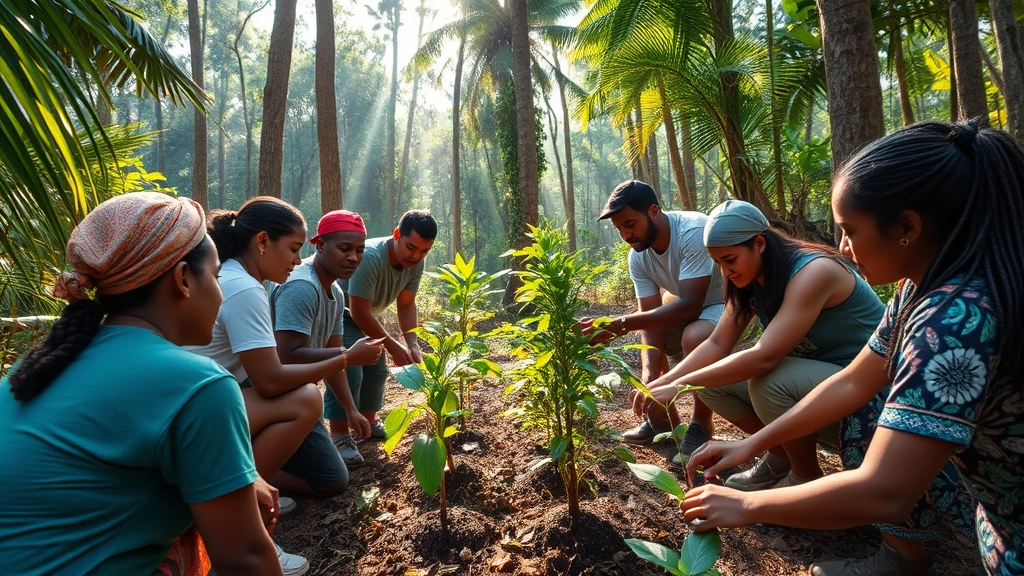
An inclusive economy represents a fundamental shift in how societies organize production, distribution, and consumption of resources while ensuring equitable access and environmental stewardship. Unlike traditional economic models that concentrate wealth and exploit natural resources, an inclusive economy integrates environmental sustainability with social equity, recognizing that ecosystem health and human prosperity are inseparable. The inclusive environment meaning extends beyond mere environmental protection—it encompasses economic structures that benefit marginalized communities, support biodiversity, and regenerate rather than deplete natural capital.
The intersection of inclusive economics and ecosystem preservation challenges conventional wisdom that economic growth must come at nature’s expense. When we examine how economies function within planetary boundaries, we discover that the most resilient and prosperous systems are those that distribute benefits widely while maintaining ecological integrity. This article explores the profound connections between inclusive economic practices and ecosystem health, demonstrating why environmental sustainability cannot be achieved without economic inclusion, and vice versa.
Understanding Inclusive Economy and Environmental Integration
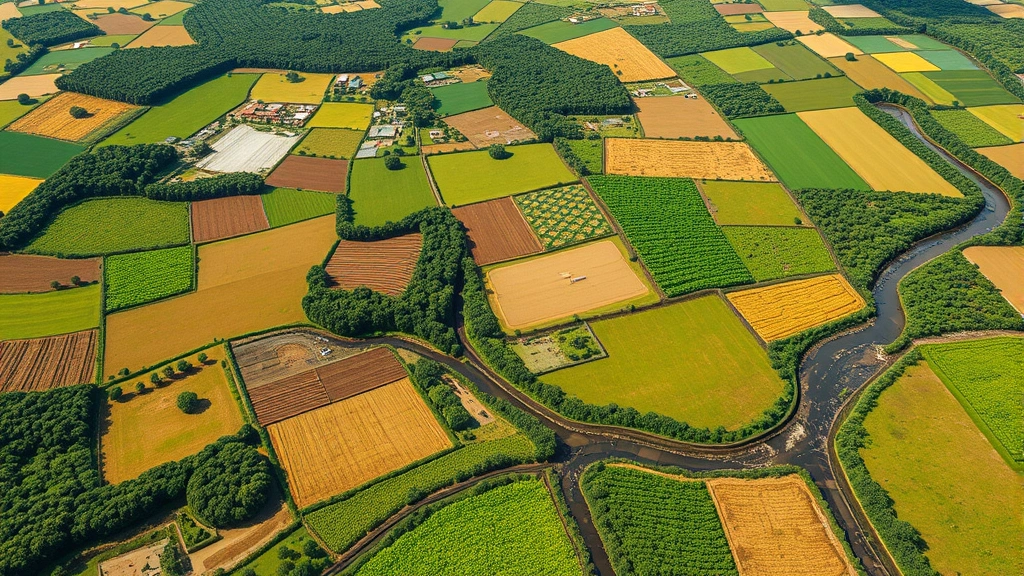
An inclusive economy prioritizes broad-based participation in economic growth while maintaining strict environmental guardrails. This model recognizes that ecosystem degradation disproportionately affects low-income populations who depend directly on natural resources for survival. When forests are cleared for industrial agriculture, indigenous communities lose both their livelihoods and cultural heritage. When fisheries collapse from overharvesting, coastal fishing communities face economic devastation. An inclusive approach addresses these interconnections systematically.
The relationship between human environment interaction and economic systems reveals how traditional development models externalize environmental costs onto vulnerable populations. Communities in the Global South often bear the heaviest burden of resource extraction and pollution while capturing minimal economic benefits. Inclusive economics reverses this dynamic by ensuring that resource management decisions benefit those most affected and that environmental revenues are shared equitably.
Research from the World Bank demonstrates that countries implementing inclusive economic policies alongside environmental protections experience more stable long-term growth than those pursuing extraction-focused development. The data shows that inclusive economies reduce wealth inequality while simultaneously improving environmental outcomes, suggesting these objectives are mutually reinforcing rather than contradictory.
Understanding different types of environments is essential for designing inclusive economic systems adapted to local contexts. Tropical rainforests, coastal zones, grasslands, and urban ecosystems each support different economic activities and require tailored approaches to inclusion and sustainability. A one-size-fits-all economic model cannot account for these ecological variations, making localized inclusive frameworks essential.
Ecosystem Services and Economic Value Distribution
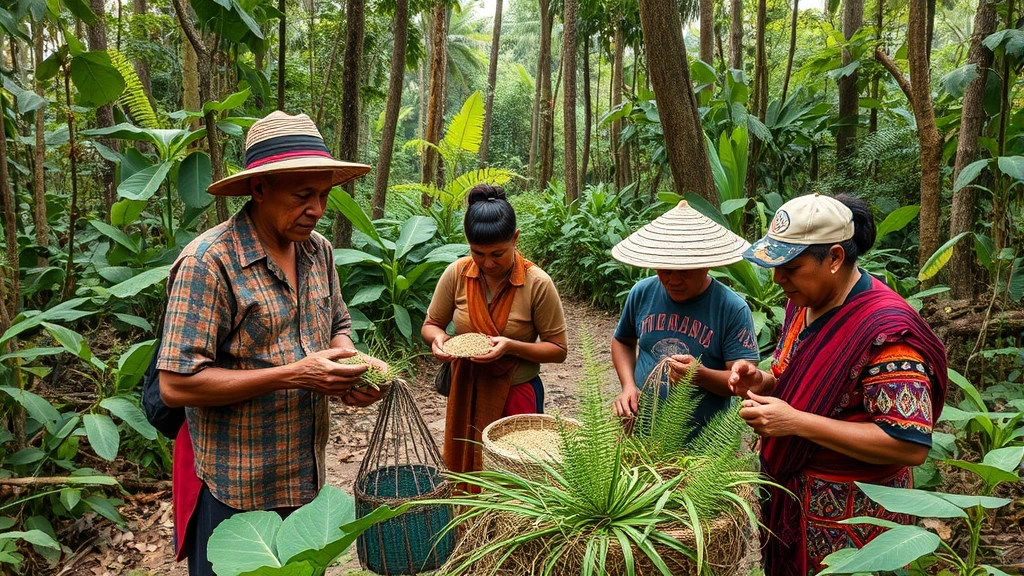
Ecosystem services—the benefits humans derive from natural systems—generate trillions of dollars annually in economic value. Yet traditional accounting systems assign this value to nobody, treating nature as a free resource rather than recognizing the labor and regenerative capacity required to maintain these systems. An inclusive economy explicitly values and distributes ecosystem service benefits.
Consider pollination services provided by wild bees and managed honeybees. Global agricultural production depends on pollination worth approximately $15-20 billion annually, yet farmers rarely compensate the ecosystems or beekeepers providing this service. Inclusive economic frameworks establish payment mechanisms for ecosystem services, ensuring that communities stewarding forests, wetlands, and agricultural landscapes receive direct compensation for maintaining these productive systems.
Carbon sequestration represents another critical ecosystem service where inclusive economics creates opportunities for environmental restoration and income generation. When tropical forests are preserved, they sequester carbon while providing habitat for countless species and supporting indigenous livelihoods. Carbon credit markets, when structured inclusively, can direct resources to communities protecting these forests rather than concentrating wealth among carbon traders in wealthy nations.
Water filtration by wetlands, flood control by mangroves, and nutrient cycling by soil microorganisms all provide economic value that inclusive systems must recognize and compensate. The United Nations Environment Programme estimates that nature-based solutions to environmental challenges could generate $125 trillion in economic benefits while creating millions of jobs, particularly in developing economies where inclusive approaches are most transformative.
When communities receive fair compensation for ecosystem stewardship, they have economic incentives to maintain rather than degrade natural systems. This creates a virtuous cycle where environmental protection becomes economically rational for local populations rather than an externally imposed constraint on development.
Biodiversity Loss and Economic Inequality
Biodiversity loss and economic inequality are deeply intertwined phenomena, both driven by concentration of resource control and wealth. Industrial agriculture, mining, and logging operations that destroy ecosystems typically benefit distant corporations while impoverishing local communities who lose access to diverse wild foods, medicines, and materials. Reversing biodiversity loss requires addressing the economic structures that incentivize ecosystem destruction.
The relationship between inequality and environmental degradation operates through multiple pathways. Wealthy individuals and corporations can externalize environmental costs onto poorer populations, creating perverse incentives for destructive practices. A factory owner in a wealthy country can maximize profits by externalizing pollution costs onto poor communities downwind, while a subsistence farmer has no such option and must maintain soil and water quality to survive.
Conversely, when communities control their resources and benefit directly from ecosystem preservation, biodiversity protection becomes economically rational. Indigenous territories, which cover approximately 22% of global land area while containing 80% of remaining biodiversity, demonstrate this principle empirically. These communities have developed sophisticated systems for managing ecosystems sustainably for centuries, yet they receive minimal economic resources and often face displacement by extractive industries.
An inclusive economy inverts this dynamic by transferring resource control and economic benefits to communities most dependent on biodiversity. This requires recognizing indigenous land rights, supporting community-based conservation initiatives, and ensuring that benefits from genetic resources and traditional knowledge flow to originating communities rather than being appropriated by pharmaceutical and agricultural corporations.
Studies published in ecological economics journals show that biodiversity protection costs decrease substantially when implemented through inclusive approaches that engage local communities as partners rather than imposing conservation from above. When people benefit economically from healthy ecosystems, protection becomes self-sustaining rather than requiring constant external enforcement.
Inclusive Economic Models in Practice
Circular economy models represent one practical application of inclusive environmental economics. Rather than linear extraction-production-waste systems that concentrate wealth in manufacturing hubs while distributing pollution globally, circular models keep resources and value within local and regional systems. Communities become producers, processors, and recyclers rather than merely consumers of externally manufactured goods.
Cooperative enterprises operating under inclusive principles demonstrate how economic structures can align environmental and social goals. Worker cooperatives in renewable energy, sustainable forestry, and organic agriculture distribute profits among members while maintaining strict environmental standards. These enterprises typically reinvest surpluses into community development, education, and ecosystem restoration rather than concentrating wealth among distant shareholders.
Payment for ecosystem services (PES) programs, when designed inclusively, create direct economic incentives for environmental protection. Costa Rica’s pioneering PES program compensates forest owners for carbon sequestration, water provision, and biodiversity conservation. While imperfect, this approach has increased forest cover while generating income for rural communities. Inclusive versions of PES ensure that smallholder farmers and indigenous communities receive equitable compensation rather than having benefits captured by intermediaries.
Regenerative finance models emerging in impact investing explicitly target inclusive environmental outcomes. These funds direct capital toward enterprises and projects that simultaneously improve environmental conditions and distribute economic benefits to marginalized populations. A regenerative agriculture project might improve soil health while increasing farmer incomes and food security for local communities.
Community-based natural resource management demonstrates how inclusive economics functions at landscape scales. In several African countries, communities given secure tenure over wildlife and forest resources have developed sustainable tourism and sustainable harvesting systems that generate more income than extractive alternatives while maintaining ecosystem integrity and biodiversity.
Regenerative Agriculture and Community Wealth
Agriculture represents humanity’s largest land use and primary driver of biodiversity loss, yet it also offers tremendous potential for ecosystem restoration through inclusive regenerative approaches. Regenerative agriculture simultaneously rebuilds soil health, increases farm profitability, and strengthens rural communities—demonstrating how inclusive environmental economics creates multiple benefits.
Traditional industrial agriculture concentrates wealth among input suppliers and commodity traders while degrading soils and ecosystems. Farmers become dependent on expensive chemical inputs while commodity prices decline in real terms, forcing agricultural consolidation and rural depopulation. Regenerative approaches reverse this trajectory by reducing input costs, improving soil quality, and increasing yields while building community resilience.
Practices like agroforestry, cover cropping, and rotational grazing rebuild soil organic matter while diversifying farm income. When multiple crops and livestock are integrated, farmers reduce risk, improve nutrition, and create local employment. These systems also sequester carbon, improve water infiltration, and enhance biodiversity compared to monocultures.
Inclusive regenerative agriculture ensures that knowledge, resources, and economic benefits reach smallholder farmers in developing countries who produce significant portions of global food while remaining trapped in poverty. Farmer-to-farmer training networks, cooperative input purchasing, and direct market access for regeneratively produced goods create economic incentives for ecological restoration.
The relationship between agricultural systems and environment examples shows how different production methods create vastly different ecological outcomes. Regenerative farms support greater biodiversity, store more carbon, and provide more resilience to climate variability than conventional industrial systems, while simultaneously improving farmer livelihoods and food security.
Policy Frameworks for Inclusive Environmental Economics
Implementing inclusive environmental economics requires fundamental policy shifts that align economic incentives with ecological and social outcomes. Carbon pricing mechanisms, when designed progressively, can reduce emissions while generating revenue for community adaptation and renewable energy transitions. However, poorly designed carbon taxes disproportionately burden low-income populations unless revenues are explicitly redistributed.
Natural capital accounting integrates ecosystem values into national accounting systems, making environmental degradation visible in GDP calculations. When countries recognize that depleting forests, fisheries, or aquifers reduces genuine wealth, economic policies shift toward sustainability. Inclusive frameworks ensure that natural capital accounting benefits inform policies protecting resources that vulnerable communities depend upon.
Strategies for how to reduce carbon footprint must incorporate inclusive economic principles to achieve both climate and equity objectives. Individual consumer behavior changes, while important, cannot substitute for systemic shifts in production and consumption patterns. Inclusive policies that transition workers in fossil fuel industries to renewable energy jobs, that support smallholder farmers in transitioning to regenerative practices, and that ensure energy access for developing countries create just transitions aligned with climate imperatives.
Land rights and resource tenure security form the foundation for inclusive environmental economics. When communities have secure, long-term rights to resources, they invest in sustainable management. Conversely, insecure tenure encourages short-term extraction. Policies recognizing indigenous land rights, supporting community land trusts, and preventing land grabbing by corporations and wealthy individuals create conditions for inclusive environmental stewardship.
Supply chain transparency and corporate accountability mechanisms can align business incentives with inclusive environmental outcomes. When companies must disclose environmental and social impacts throughout supply chains, and when consumers and investors reward inclusive practices, markets begin rewarding rather than punishing sustainability. Certification systems for sustainable fashion brands demonstrate how market mechanisms can drive inclusive environmental improvement, though effectiveness depends on rigorous standards and meaningful benefit distribution to producers.
International policy coordination through frameworks like the UNEP Green Economy Initiative helps align development finance, trade rules, and environmental standards toward inclusive outcomes. When development banks require environmental and social safeguards, when trade agreements include environmental provisions, and when wealthy nations provide technology transfer and climate finance, global economic systems can support rather than undermine inclusive environmental goals.
Research from ecological economics institutes increasingly demonstrates that inclusive economic structures generate better environmental outcomes than top-down conservation approaches. When resource users participate in decision-making, benefit from sustainability, and maintain cultural connections to ecosystems, environmental management becomes more effective and equitable simultaneously.
FAQ
What is the primary difference between inclusive economy and traditional economic models?
Traditional models concentrate wealth and externalize environmental costs onto vulnerable populations, while inclusive economies distribute benefits broadly and internalize environmental costs into economic decision-making. Inclusive approaches recognize that ecosystem health and human equity are interdependent rather than competing objectives.
How does ecosystem degradation disproportionately affect poor communities?
Low-income populations depend directly on natural resources for food, water, medicine, and livelihoods. When ecosystems degrade through extraction or pollution controlled by distant actors, poor communities lose access to these resources while capturing none of the economic benefits. Wealthy populations can purchase substitutes or relocate, while poor communities cannot.
Can inclusive economics actually reduce environmental degradation?
Yes. When communities benefit economically from ecosystem preservation and have secure rights to resources, they develop strong incentives for sustainable management. Indigenous territories demonstrate this empirically—they maintain higher biodiversity despite limited resources compared to state-managed or privately controlled areas lacking community involvement.
What role do indigenous communities play in inclusive environmental economics?
Indigenous communities possess centuries of knowledge about sustainable resource management and control territories containing disproportionate biodiversity. Inclusive economics recognizes their land rights, compensates them fairly for ecosystem stewardship, and incorporates their knowledge into environmental management rather than excluding them from decisions affecting their territories.
How can consumers support inclusive environmental economics?
Consumers can support enterprises and products certified for inclusive environmental practices, advocate for supply chain transparency, and support policies that align economic incentives with environmental and social outcomes. However, individual consumer choices cannot substitute for systemic policy changes requiring business and government action.
What are ecosystem services and why do they matter economically?
Ecosystem services are benefits humans derive from natural systems including pollination, water filtration, carbon sequestration, climate regulation, and nutrient cycling. They generate trillions in annual economic value yet receive no compensation in traditional accounting systems, creating perverse incentives for ecosystem destruction. Inclusive economics explicitly values and compensates these services.


