Can Green Economies Boost GDP? Study Insights on Environmental Economics
The intersection of environmental sustainability and economic growth has long been presented as a false choice. For decades, policymakers assumed that protecting the environment and environmental science meant sacrificing economic productivity. However, emerging research and real-world case studies suggest a fundamentally different narrative: green economies may not only coexist with GDP growth but actively catalyze it. This article explores the latest research insights into whether transitioning toward sustainable economic models can deliver measurable increases in gross domestic product while addressing ecological imperatives.
Recent studies from leading economic institutions reveal that investments in renewable energy, circular economy models, and ecosystem restoration generate substantial returns. Countries implementing comprehensive green policies have demonstrated that environmental protection and economic expansion are complementary rather than competing objectives. Understanding these dynamics requires examining the mechanisms through which green transitions create value, the empirical evidence supporting economic gains, and the structural transformations necessary for sustainable prosperity.

The Economic Case for Green Transitions
The fundamental economic argument for green transitions rests on understanding how environmental degradation imposes hidden costs on economies. Traditional GDP measurements fail to account for natural capital depletion, pollution externalities, and climate-related damages. When these factors are incorporated into economic analysis, the true cost of unsustainable practices becomes apparent. A transition toward environment examples of sustainable practices represents not a burden on the economy but a correction of market failures that have distorted resource allocation for generations.
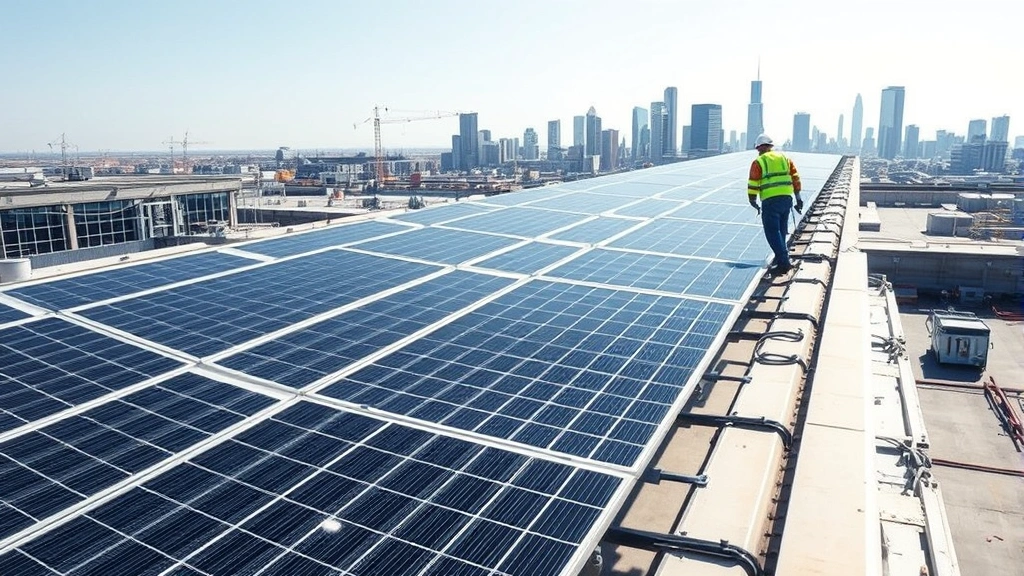
Green economies operate on principles that align profit incentives with environmental stewardship. Renewable energy technologies, for instance, have experienced dramatic cost reductions—solar photovoltaic costs have declined by 90 percent over the past decade—making clean energy economically competitive without subsidies in many regions. This technological maturation transforms environmental protection from a regulatory constraint into a source of competitive advantage and innovation-driven growth.
The World Bank has documented that environmental sustainability measures generate positive economic returns through multiple channels: reduced healthcare costs from improved air quality, increased agricultural productivity from ecosystem preservation, and enhanced resilience to climate impacts. These mechanisms demonstrate that green transitions create value that conventional GDP accounting often overlooks, suggesting that measured economic growth underestimates the true gains from environmental protection.
Empirical Evidence from Global Green Economy Studies
International research institutions have conducted comprehensive analyses demonstrating correlations between green economy investments and GDP expansion. The United Nations Environment Programme has published extensive research on green economy pathways, documenting that countries investing 2-3 percent of GDP in green sectors can achieve annual growth rates comparable to or exceeding conventional development models while simultaneously reducing environmental impacts.
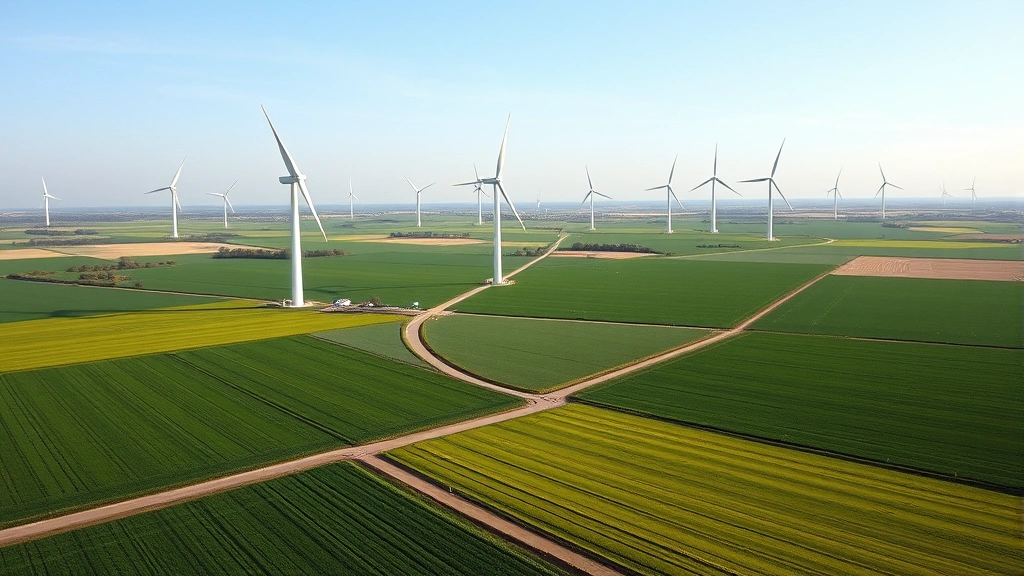
Denmark’s renewable energy transition provides compelling empirical evidence. The country has increased wind power’s share of electricity generation to over 80 percent while maintaining economic growth and low unemployment. This achievement demonstrates that high renewable penetration is compatible with industrial competitiveness and rising living standards. Similarly, Costa Rica has generated over 98 percent of its electricity from renewable sources while maintaining consistent economic growth, proving that green energy infrastructure supports rather than constrains economic development.
A comprehensive World Bank analysis examining 140 countries found that environmental policy stringency correlates positively with innovation rates and long-term productivity growth. Economies implementing robust environmental regulations experienced faster technological advancement in clean technology sectors, generating spillover benefits throughout their economies. This research challenges the conventional wisdom that environmental protection imposes net economic costs.
Germany’s Energiewende (energy transition) illustrates how deliberate green economy policies can reshape industrial structure. Despite initial concerns about competitiveness, Germany has maintained its position as Europe’s largest economy while dramatically reducing carbon emissions and expanding renewable energy capacity. Manufacturing employment has stabilized in green technology sectors, offsetting declines in fossil fuel industries. This transition demonstrates that structural economic transformation toward green sectors need not result in net job losses when properly managed.
Job Creation and Labor Market Transformation
One of the most tangible GDP components affected by green transitions is employment. Renewable energy sectors consistently generate more jobs per dollar of investment than fossil fuel industries. Solar installation, wind turbine manufacturing, energy efficiency retrofitting, and ecosystem restoration create labor-intensive opportunities across skill levels. A comprehensive analysis found that clean energy sectors employed approximately 12 million workers globally as of 2021, with employment growth rates significantly exceeding overall labor market expansion.
The transition toward green economies requires reskilling and workforce development, which themselves represent economic activities contributing to GDP. Training programs, educational institutions, and skill-development initiatives generate economic activity while preparing workers for emerging opportunities. Countries that proactively invested in workforce transition programs experienced smoother labor market adjustments and maintained consumer spending during sectoral shifts.
Green economy jobs typically offer higher wages than average employment in developing countries and competitive compensation in developed economies. Renewable energy technicians, environmental engineers, and sustainable agriculture specialists command premium wages reflecting their specialized skills. This wage premium contributes to higher household incomes and increased consumer spending, creating multiplier effects throughout economies. Understanding human environment interaction patterns reveals how employment in green sectors strengthens community resilience while supporting economic growth.
Renewable Energy Investments and GDP Growth
Renewable energy represents the fastest-growing energy sector globally, with investment exceeding $300 billion annually. These investments directly contribute to GDP through capital formation, equipment manufacturing, installation services, and operations. Unlike fossil fuel extraction, renewable energy infrastructure generates economic activity throughout its lifecycle, from manufacturing through decommissioning and recycling.
The declining cost trajectory of renewable technologies creates cascading economic benefits. Lower energy costs increase disposable income for households and reduce production costs for businesses, stimulating consumption and investment. Industrial electricity costs have declined in regions with high renewable penetration, enhancing competitiveness in energy-intensive manufacturing sectors like steel, chemicals, and aluminum production.
Energy independence achieved through domestic renewable development reduces capital outflows for fuel imports, improving trade balances and currency stability in energy-importing nations. A country that previously spent 5-10 percent of export earnings on imported petroleum can redirect those resources toward domestic productive investment when renewable infrastructure eliminates import dependence. This reallocation of resources from fuel imports to productive capital investment accelerates long-term economic growth.
Grid modernization and energy storage investments required to integrate renewable energy create additional economic activity. Smart grid technologies, battery manufacturing, and demand management systems represent emerging industries with substantial growth potential. Countries positioning themselves as leaders in these technologies capture value creation opportunities while supporting overall economic expansion.
Circular Economy Models and Economic Efficiency
Circular economy principles—designing out waste, keeping products and materials in use, and regenerating natural systems—create economic value through improved resource efficiency. Rather than the linear extract-produce-dispose model, circular systems maximize the economic value extracted from each unit of raw material. This efficiency gain directly translates to higher GDP per unit of environmental impact.
Waste reduction and material recovery generate measurable economic returns. Recycling industries employ significant workforces and reduce the economic and environmental costs of raw material extraction. A circular economy framework transforms waste streams into revenue sources, improving operational margins for businesses while reducing environmental burdens. Companies implementing circular principles report cost savings averaging 5-10 percent of material expenses through waste reduction and efficiency improvements.
Product-as-service business models emerging from circular economy thinking create new revenue streams and customer relationships. Rather than selling products, companies provide services utilizing durable goods, incentivizing longevity and optimal performance. This shift generates recurring revenue, higher customer lifetime value, and stronger business resilience compared to traditional sales models. Economic analysis demonstrates that circular business models achieve higher profitability and growth rates than conventional linear competitors.
The transition to circular systems requires investment in infrastructure, technology, and organizational change, all of which contribute to GDP growth. Sorting and processing facilities, recycling technologies, product redesign services, and supply chain optimization represent growing economic sectors. As circular practices become mainstream, these supporting industries expand, creating employment and capital formation opportunities.
Natural Capital and Ecosystem Services Valuation
Traditional GDP accounting excludes the value of ecosystem services—pollination, water purification, carbon sequestration, flood protection—despite their fundamental economic importance. When natural capital depreciation is incorporated into economic analysis, the true contribution of ecosystem conservation to economic welfare becomes apparent. Wetland restoration, forest conservation, and marine protected areas generate economic value through ecosystem service provision that far exceeds extraction-based alternative uses.
Research quantifying ecosystem services reveals enormous economic value in conservation. A single hectare of tropical forest provides pollination, water regulation, carbon storage, and biodiversity services worth thousands of dollars annually. When aggregated across landscapes, these services represent economic assets comparable to conventional productive capital. Countries recognizing and protecting these assets accumulate natural capital while generating sustainable income flows.
Water security represents a critical ecosystem service with direct GDP implications. Watershed protection and forest conservation ensure reliable water supplies for agriculture, industry, and households. Countries investing in ecosystem-based water management experience lower water treatment costs, higher agricultural productivity, and reduced vulnerability to droughts compared to those relying solely on infrastructure solutions. These benefits directly contribute to GDP growth while reducing vulnerability to climate variability.
Pollinator protection and agricultural ecosystem health generate measurable productivity gains. Biodiversity conservation in agricultural landscapes enhances crop yields through improved pollination and natural pest control. A comprehensive analysis found that ecosystem-based agriculture management increases productivity by 10-20 percent compared to conventional chemical-intensive approaches while reducing input costs. These efficiency gains translate directly to GDP expansion and farmer income growth.
Policy Frameworks That Drive Green GDP Growth
Effective policy frameworks aligned with types of environments and economic conditions create conditions for green growth. Carbon pricing mechanisms—whether through taxation or cap-and-trade systems—internalize environmental costs, making clean technologies economically competitive. Countries implementing carbon pricing have observed accelerated renewable energy deployment and energy efficiency improvements without sacrificing economic growth.
Renewable energy targets and clean energy standards mandate increasing shares of low-carbon electricity, creating predictable demand for clean energy investments. This policy certainty encourages private sector investment in manufacturing, installation, and operations. Countries establishing ambitious renewable targets have attracted billions in private capital investment, expanding productive capacity and employment.
Green fiscal policy redirecting subsidies from fossil fuels to renewable energy and ecosystem conservation accelerates transitions. Globally, fossil fuel subsidies exceed $7 trillion annually when environmental costs are included. Redirecting even a fraction of these resources toward green sectors would dramatically accelerate clean energy deployment and ecosystem restoration. Policy analysis demonstrates that subsidy reform combined with green investment generates net GDP growth despite transitional disruptions.
Environmental regulations establishing efficiency standards and emissions limits drive innovation and productivity improvements. Companies responding to regulatory requirements develop new technologies with commercial applications beyond regulatory compliance. The regulatory push toward vehicle electrification, for instance, has stimulated innovation in battery technology, electric motors, and charging infrastructure with applications across multiple sectors, generating spillover economic benefits.
International climate agreements and trade frameworks increasingly incorporate environmental standards, creating competitive advantages for leaders in green technology. Countries and companies at the forefront of clean technology development capture disproportionate market share in growing global clean energy and sustainable product markets. This first-mover advantage translates to economic growth and employment in leading economies.
Challenges and Transition Costs
Despite compelling evidence for green growth, genuine challenges accompany transitions away from carbon-intensive economic structures. Workers in declining fossil fuel industries face income disruption and displacement requiring comprehensive support. Communities economically dependent on coal, oil, or gas industries experience concentrated impacts demanding targeted policy responses including income support, retraining programs, and economic diversification initiatives.
The transition requires substantial upfront capital investment in renewable energy infrastructure, grid modernization, and ecosystem restoration. While long-term returns are positive, initial costs create fiscal pressures and may require innovative financing mechanisms. Developing countries face particular challenges mobilizing capital for green infrastructure while addressing immediate poverty and development needs.
Stranded assets—fossil fuel infrastructure, mines, and refineries—represent capital losses as economies transition away from carbon dependence. The economic value destruction from stranded assets must be managed through orderly phase-out timelines, asset repurposing, and investor protections to avoid destabilizing financial systems. Rapid, poorly-managed transitions risk financial crises alongside economic disruption.
Technological challenges remain in sectors difficult to decarbonize, including aviation, shipping, and cement production. Until viable low-carbon alternatives emerge at competitive costs, these sectors may face economic pressures. Research and development investment in breakthrough technologies is essential for comprehensive decarbonization without sacrificing economic capacity in critical industries.
Understanding how to reduce carbon footprint at scale requires coordinated global action, yet countries face competitive pressures and concerns about economic disadvantage from unilateral climate action. International frameworks ensuring level competitive playing fields are essential for enabling ambitious climate policies without economic penalties for early movers.
FAQ
Do green economies actually increase GDP growth rates?
Research indicates that well-designed green economy transitions can achieve GDP growth rates comparable to or exceeding conventional development models. The key variables are policy design, investment levels, and workforce transition support. Countries implementing comprehensive green strategies—including renewable energy deployment, energy efficiency improvements, and ecosystem restoration—have maintained stable or accelerating growth while reducing environmental impacts. Short-term growth may vary by sector and region, but long-term growth trajectories favor green transitions when environmental externalities are properly valued.
Which sectors generate the most GDP growth from green transitions?
Renewable energy, energy efficiency, sustainable agriculture, circular economy services, and ecosystem restoration consistently demonstrate strong growth and employment generation. Manufacturing of renewable energy equipment, installation and maintenance services, and grid modernization technologies are particularly labor-intensive and create stable employment. Emerging sectors including battery technology, electric vehicle manufacturing, and sustainable materials science offer high-growth opportunities with premium employment.
How long does it take for green investments to generate positive economic returns?
Return timelines vary significantly by investment type. Renewable energy projects typically achieve positive returns within 5-8 years through reduced operating costs compared to fossil fuel alternatives. Energy efficiency improvements often break even within 3-5 years. Ecosystem restoration and natural capital investments generate returns over longer timeframes—10-20 years—but often provide higher total returns and additional co-benefits including climate resilience and biodiversity protection. Financial analysis should incorporate both direct returns and ecosystem service benefits.
What role do developing countries play in green GDP growth?
Developing countries represent the fastest-growing renewable energy markets, with solar and wind deployment accelerating dramatically. These countries can leapfrog fossil fuel infrastructure, deploying renewable energy directly without stranded asset burdens. Green development offers pathways to economic growth, energy access, and poverty reduction simultaneously. However, developing countries require technology transfer, capacity building support, and climate finance to implement green transitions at required scales. International cooperation is essential for enabling developing countries to pursue green growth pathways.
Can green transitions work without government support?
While market forces increasingly favor clean energy and sustainable practices, government policy plays essential roles in accelerating transitions. Policy certainty regarding renewable energy targets, carbon pricing, and research funding enables private investment at scale. Regulations addressing market failures—including pollution externalities and natural capital undervaluation—create conditions for economically rational green investments. However, mature markets with declining renewable costs demonstrate that government support can be gradually reduced as clean energy achieves cost competitiveness, though regulatory frameworks remain important for addressing remaining market failures.


