Balancing Economy and Ecosystems: Ethical Insights
The tension between economic growth and ecological preservation has become one of the defining challenges of our era. As global populations expand and consumption patterns intensify, societies face an unprecedented moral imperative: how do we maintain economic prosperity while safeguarding the natural systems upon which all life depends? This question transcends mere policy debate—it strikes at the heart of our ethical obligations to present and future generations.
The traditional framework treating economy and environment as opposing forces has proven inadequate. Modern ecological economics reveals that these systems are fundamentally interconnected, not antagonistic. Environmental degradation imposes measurable economic costs through resource depletion, ecosystem service losses, and climate-related damages. Conversely, sustainable economic models can enhance both human welfare and ecological health. Understanding this relationship requires examining the ethical foundations that should guide our decision-making processes.

The Ethical Foundation of Environmental Economics
Environmental ethics represents a philosophical shift from anthropocentrism—viewing humans as the center of moral concern—toward more inclusive frameworks that recognize the intrinsic value of nature. This transformation directly influences how economists approach sustainability problems. When we acknowledge that ecosystems possess worth independent of human utility, we fundamentally reshape cost-benefit analyses and policy priorities.
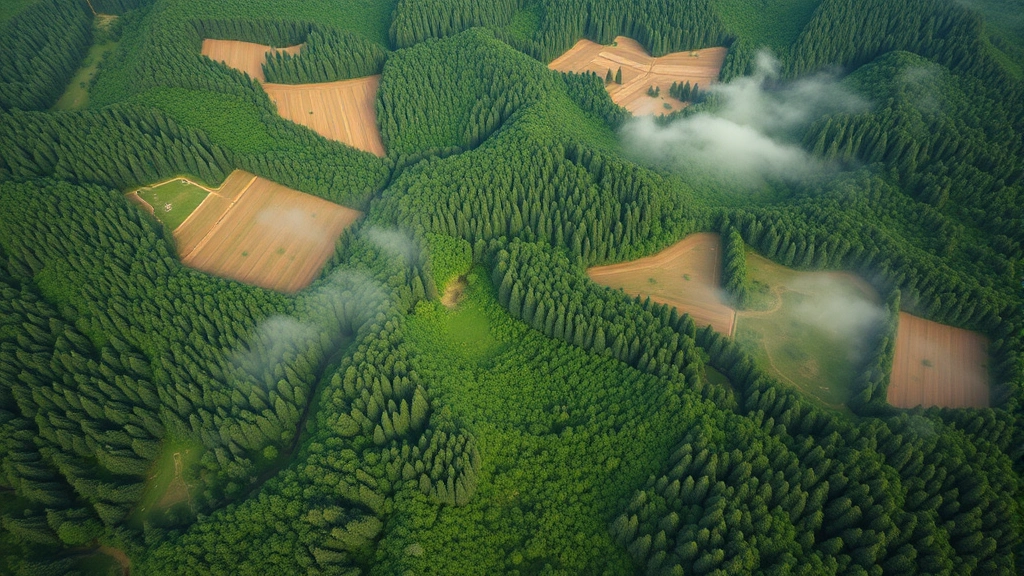
The concept of ecological intrinsic value challenges conventional economics, which assigns worth primarily through human preferences and market prices. A forest’s value, in traditional economic terms, derives from timber production, carbon sequestration capacity, or recreational amenities. Yet an ethics-centered approach recognizes forests as complex living systems with inherent significance, independent of human economic valuation. This perspective doesn’t negate economic analysis; rather, it demands more honest accounting of what we truly gain and lose.
Environmental awareness initiatives worldwide increasingly emphasize this ethical reorientation. Organizations like the United Nations Environment Programme have promoted frameworks recognizing nature’s rights, acknowledging that ecological health and human wellbeing are inseparable outcomes, not competing objectives.
The ethical principle of environmental justice adds another crucial dimension. Low-income and marginalized communities disproportionately experience pollution, resource extraction, and climate impacts, despite contributing least to these problems. This injustice demands ethical economic systems that distribute both benefits and burdens equitably. True economic-ecological balance cannot exist within frameworks that permit systematic exploitation of vulnerable populations.
Intergenerational Justice and Resource Stewardship
Perhaps the most compelling ethical argument for environmental-economic balance emerges from intergenerational considerations. We inherit a world shaped by previous generations’ economic choices; simultaneously, our decisions will define the possibilities available to our descendants. This creates a moral obligation to maintain or enhance natural capital for future people.
The concept of weak sustainability versus strong sustainability illustrates this ethical tension. Weak sustainability assumes manufactured capital can substitute for natural capital—we can destroy forests if we invest proceeds in factories and infrastructure. Strong sustainability maintains that certain natural capital stocks (biodiversity, climate stability, soil fertility) are irreplaceable and must be preserved as non-negotiable conditions for civilization.
Ethical frameworks supporting strong sustainability rest on several principles:
- Precautionary principle: When activities raise threats of harm to the environment or human health, precautionary measures should be taken even if cause-and-effect relationships aren’t fully established scientifically
- Intergenerational equity: Present generations hold resources in trust, obligated to pass forward sufficient natural wealth for future people to achieve comparable wellbeing
- Irreversibility recognition: Some environmental damages (species extinction, climate tipping points) are permanent, requiring special protection
Research from the World Bank demonstrates that nations failing to account for natural capital depletion in economic measures significantly misrepresent their actual prosperity. When forests are logged unsustainably or aquifers depleted beyond recharge rates, GDP increases while true wealth declines—a statistical illusion masking genuine intergenerational theft.
Market Failures and the True Cost of Externalities
Economic theory identifies externalities as costs or benefits not reflected in market prices. A factory producing consumer goods may generate pollution affecting downstream communities and ecosystems—costs borne by society rather than incorporated into product prices. This market failure creates ethical and economic problems simultaneously.
Consider carbon emissions: atmospheric CO₂ accumulation imposes immense costs through climate disruption, yet fossil fuel prices historically excluded these damages. This ethical failure—allowing polluters to profit while others bear consequences—distorts markets and enables economically inefficient choices. When coal appears cheaper than renewable energy because climate costs remain externalized, markets systematically misdirect investment toward destructive pathways.
The ethical solution requires internalizing externalities—ensuring prices reflect true environmental and social costs. Carbon pricing mechanisms, pollution taxes, and ecosystem service valuations attempt this correction. Yet implementation raises ethical questions: Should corporations simply pay fees to pollute, effectively commodifying environmental destruction? Or should stronger regulations prohibit harmful activities regardless of compensation?
Ecological economics journals increasingly document the magnitude of unpriced natural capital. Pollination services, flood regulation, water purification, and climate stabilization—services ecosystems provide freely—represent trillions in annual value. When economic decisions ignore these contributions, they systematically undervalue nature and overvalue extraction.
Indigenous Wisdom and Economic Alternatives
Indigenous communities managing lands for millennia developed economic systems fundamentally different from industrial capitalism. Rather than maximizing extraction and profit, these approaches prioritize long-term ecosystem health and community wellbeing across generations. This represents not primitive economics, but sophisticated alternative frameworks informed by ethical principles modern societies are struggling to recover.
The concept of reciprocal economics characterizes many indigenous systems: humans take from nature only what they need, returning value through stewardship and ceremony. This contrasts sharply with extractive economics viewing nature as resource inventory to exploit maximally. Recent research confirms indigenous-managed lands maintain significantly higher biodiversity and carbon storage than industrial-managed equivalents, while supporting thriving communities.
Learning from human environment interaction patterns in indigenous contexts reveals practical wisdom: rotational harvesting prevents resource depletion, sacred site protections create biodiversity refugia, and community-based resource management distributes benefits equitably. These aren’t romantic notions but proven sustainable practices.
The ethical imperative here involves humility—recognizing that Western economic theory, despite its mathematical sophistication, has failed to create sustainable systems. Indigenous approaches offer not perfect models for direct adoption, but philosophical foundations and practical strategies for reimagining economy-ecology relationships. Supporting indigenous land rights and governance represents both ethical obligation and pragmatic sustainability strategy.
Corporate Responsibility and Stakeholder Capitalism
Historically, corporate ethics emphasized shareholder value maximization above all other considerations. This framework treats environmental and social impacts as externalities—problems for governments or affected communities to address. Emerging ethical frameworks challenge this approach through stakeholder capitalism, which recognizes corporations have obligations to employees, communities, ecosystems, and future generations, not merely shareholders.
This shift reflects growing recognition that corporations cannot operate sustainably in degraded societies and ecosystems. Supply chain disruptions from climate impacts, talent recruitment challenges in polluted regions, regulatory risks from environmental laws, and reputational damage from ecological destruction all threaten long-term profitability. Enlightened self-interest aligns corporate responsibility with ethical behavior.
Yet genuine stakeholder capitalism requires more than corporate greenwashing. True commitment demands:
- Transparency: Honest reporting of environmental and social impacts, not selective disclosure
- Accountability: Binding commitments with consequences for failures, not voluntary pledges
- Democratic participation: Affected communities having voice in decisions impacting their lands and lives
- Systemic change: Transforming business models toward regenerative rather than merely sustainable approaches
Companies implementing carbon footprint reduction strategies often discover efficiency improvements that simultaneously reduce costs and environmental impact. This demonstrates that ethical and economic interests need not conflict. Similarly, firms investing in worker wellbeing and community development often experience improved productivity, lower turnover, and stronger market position.
Practical Implementation Strategies
Translating ethical principles into concrete policy requires multifaceted approaches addressing systemic incentive structures while building alternative economic models.
Natural Capital Accounting represents a foundational reform. National accounting systems should measure genuine progress by incorporating natural capital changes alongside GDP. When a nation depletes fish stocks, loses forests, or degrades soil, true economic growth should reflect these losses. Organizations pioneering this work demonstrate that adjusted accounts reveal different policy priorities than conventional GDP metrics.
Regenerative Economic Models extend beyond sustainability toward actively improving ecological and social conditions. Rather than merely reducing harm, regenerative approaches create positive returns. Examples include:
- Regenerative agriculture rebuilding soil carbon and biodiversity while producing food
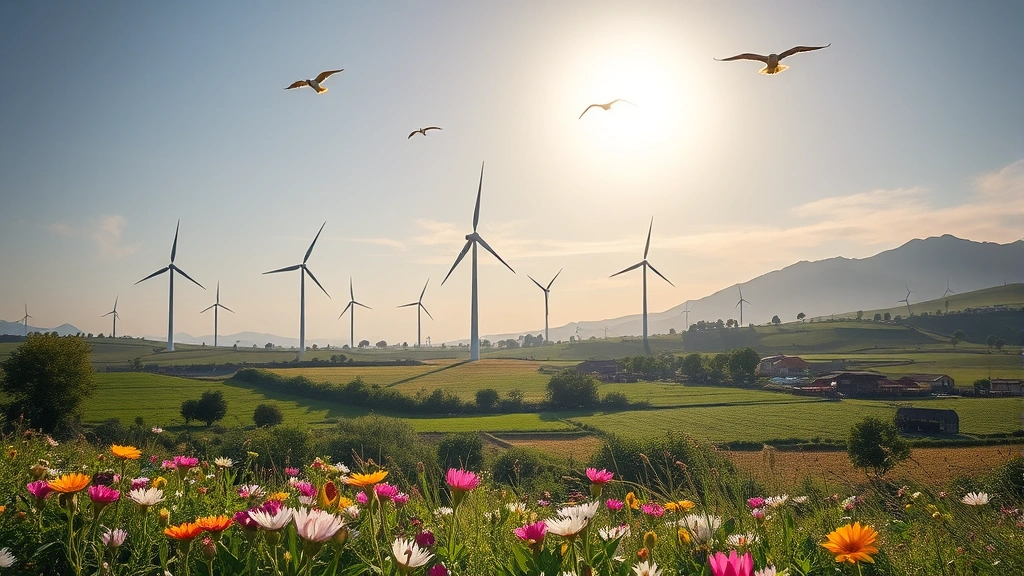
- Renewable energy systems providing clean power while reducing climate impacts
- Sustainable fashion brands creating livelihoods while eliminating toxic production
- Circular economy models eliminating waste through product redesign and material recovery
Policy Integration requires coordinating environmental, economic, and social policies rather than treating them separately. Climate policy, labor standards, trade agreements, and tax systems must align toward common sustainability goals. Currently, contradictions abound: subsidizing fossil fuels while funding clean energy, enforcing labor standards domestically while enabling exploitation internationally, protecting domestic industries while demanding others liberalize.
Community-Based Governance shifts decision-making power toward affected populations. Top-down environmental policies often fail because they ignore local knowledge and impose solutions conflicting with community needs. Participatory approaches recognizing communities as stakeholders rather than obstacles increase both equity and effectiveness. World Bank research confirms community-managed conservation initiatives achieve superior ecological and social outcomes compared to centralized approaches.
Economic Transition Support acknowledges that shifting toward sustainable systems creates disruption. Workers in extractive industries, fossil fuel production, and environmentally destructive sectors face legitimate concerns about livelihoods. Just transition policies must provide retraining, income support, and new employment opportunities. Treating these workers as casualties rather than partners in transition creates political resistance undermining sustainability efforts.
Measuring Progress: Beyond GDP
Conventional economic indicators poorly capture ethical and ecological dimensions of progress. GDP increases when pollution increases (health care costs), when natural capital depletes (resource sales counted as income), and when inequality grows (wealth concentration). Alternative metrics better reflect genuine wellbeing:
Gross National Happiness frameworks, pioneered in Bhutan, explicitly prioritize psychological wellbeing, cultural preservation, environmental conservation, and good governance alongside economic growth. Genuine Progress Indicators adjust GDP for environmental degradation, income inequality, and social factors. Human Development Index incorporates health, education, and income, providing richer progress picture than GDP alone.
These alternatives aren’t merely academic exercises—they influence policy priorities. Nations measuring success through GNH or GPI naturally emphasize ecosystem protection, equality, and community wellbeing over pure growth maximization. Shifting measurement systems represents powerful leverage point for reorienting economic systems toward ethical sustainability.
FAQ
How can economic growth and environmental protection coexist?
Through decoupling economic wellbeing from resource throughput. Renewable energy systems, regenerative agriculture, circular economy models, and service-based economies can deliver prosperity while reducing environmental impact. However, wealthy nations may require absolute reductions in material consumption, not merely efficiency improvements, to achieve true sustainability.
Isn’t environmental protection economically costly?
Short-term transitions may impose costs on specific sectors, but long-term analyses show environmental protection generates net economic benefits. Climate damages, resource scarcity, and ecosystem collapse impose far greater economic costs than prevention. Investing in clean energy, sustainable agriculture, and ecosystem restoration creates jobs while building resilience.
How should we value nature economically?
Monetary valuation of ecosystem services provides useful policy tools but shouldn’t reduce nature’s worth to prices alone. Complementary approaches include: recognizing intrinsic value independent of human utility, establishing legal rights for nature, protecting irreplaceable ecosystems regardless of economic calculation, and using valuation as lower-bound estimates acknowledging uncertainty and irreplaceability.
What role should indigenous peoples play in environmental policy?
Indigenous communities should lead governance of lands they’ve sustainably managed for generations. They possess proven knowledge, maintain deep ecological understanding, and hold ethical commitments to long-term sustainability. Supporting indigenous sovereignty and land rights represents both justice and pragmatic sustainability strategy, as indigenous-managed lands demonstrate superior ecological outcomes.
Can individual consumer choices significantly impact environmental problems?
Individual choices matter—they reflect values, build cultural shifts, and create market demand for sustainable products. However, systemic changes in energy, agriculture, manufacturing, and transportation systems require policy and corporate transformation beyond individual action. Consumer responsibility shouldn’t obscure corporate and governmental obligation for structural change.


