How Engineering Impacts Ecosystems: Expert Insights
Engineering fundamentally shapes our relationship with the natural world, wielding immense power to both preserve and degrade ecosystems. From massive infrastructure projects to microscopic biotechnological innovations, engineering decisions cascade through ecological systems with consequences that ripple across decades. The construction of a single dam can alter river flow patterns, disrupt migration routes, and transform entire watersheds, while simultaneously providing renewable energy and water security to millions. This paradox sits at the heart of modern environmental challenges: engineering is simultaneously humanity’s greatest tool for sustainability and its most consequential threat to biodiversity.
The intersection of engineering and environmental science has never been more critical. As we face accelerating climate change, biodiversity loss, and resource scarcity, engineers increasingly bear responsibility for designing solutions that minimize ecological damage while meeting humanity’s growing needs. Yet traditional engineering approaches have often prioritized efficiency and cost over environmental considerations, leaving a legacy of contaminated sites, fragmented habitats, and degraded ecosystems. Today’s paradigm shift toward ecological engineering and sustainable design reflects a growing recognition that our built environment and natural systems are inseparably intertwined.

Infrastructure Development and Habitat Fragmentation
Perhaps no engineering endeavor fragments ecosystems more dramatically than transportation infrastructure. Roads, railways, and highways slice through landscapes, creating barriers that isolate animal populations and disrupt gene flow between breeding groups. Research from the World Bank indicates that road density directly correlates with biodiversity loss across multiple continents. A single highway can reduce genetic diversity in nearby populations within a single generation, effectively creating two separate populations from what was once one.
The ecological cost extends beyond immediate habitat loss. Roads enable invasive species to colonize new territories, alter microclimates through edge effects, and increase human-wildlife conflicts that often result in animal mortality. Urban sprawl represents perhaps the most extensive engineering-driven habitat fragmentation, converting continuous landscapes into archipelagos of isolated habitat patches. The definition of human environment interaction encompasses this fundamental restructuring of space itself.
Engineers and planners increasingly recognize that sustainable infrastructure requires ecological connectivity. Wildlife corridors, green bridges, and permeable road designs represent emerging solutions that allow species movement while maintaining human transportation networks. However, retrofitting existing infrastructure proves far more expensive and disruptive than incorporating ecological considerations during initial design phases. This reality underscores how engineering decisions made decades ago continue constraining our environmental options today.
Urban development specifically exemplifies the challenge. Cities concentrate human population and resource consumption while eliminating native habitat. The engineering of urban environments—from stormwater systems to building design—fundamentally alters local hydrology, temperature regimes, and species composition. Yet cities also concentrate innovation capacity and resources for implementing sustainable solutions, creating paradoxical opportunities for environmental leadership within human-dominated landscapes.
Water Engineering and Aquatic Ecosystem Disruption
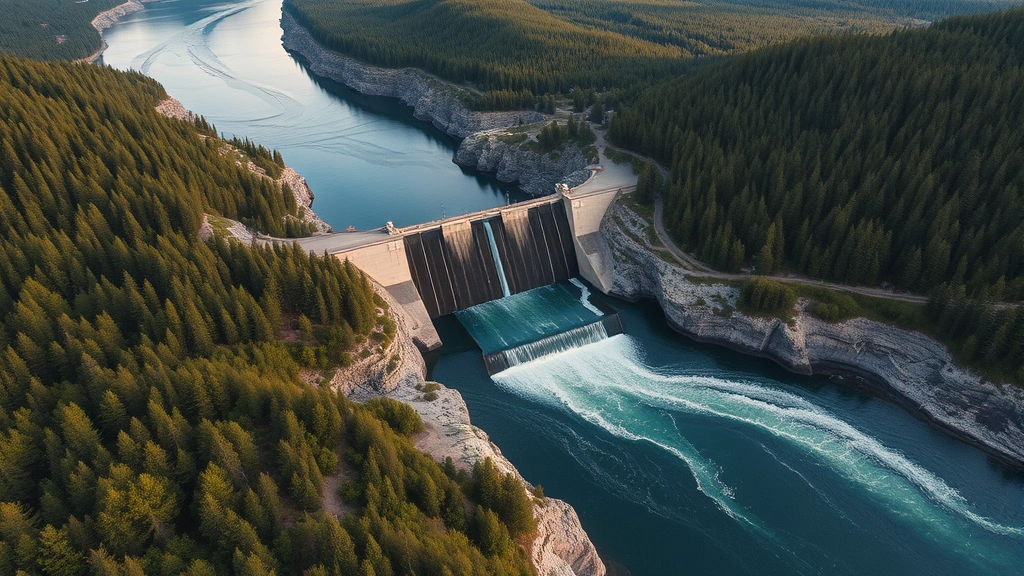
Dam construction represents one of engineering’s most consequential environmental interventions. The approximately 33,000 large dams globally have transformed roughly 50% of the world’s rivers, creating reservoirs that support human water security, hydroelectric power, and irrigation. Yet these same structures have decimated migratory fish populations, altered sediment transport systems, and disrupted the ecological rhythms that aquatic species depend upon for survival.
Hydroelectric dams exemplify engineering’s ecological trade-offs. They provide clean, renewable energy that displaces fossil fuel consumption—a critical climate mitigation tool—while simultaneously fragmenting river systems and preventing nutrient cycling. The renewable energy for homes guide discusses sustainable power generation, yet large-scale hydroelectric projects illustrate how renewable energy infrastructure itself can generate profound environmental costs. Pacific salmon populations have declined by over 90% in some regions due to dam-related habitat loss, representing both ecological tragedy and economic loss for indigenous communities and commercial fisheries.
Water engineering extends beyond dams to include canal systems, wetland drainage, and aquifer extraction. Each intervention disrupts hydrological cycles that evolved over millennia. Groundwater depletion in agricultural regions like the Ogallala Aquifer demonstrates how engineering-enabled resource extraction can outpace natural recharge rates, essentially converting renewable resources into non-renewable consumables. The Aral Sea’s near-total disappearance resulted from Soviet-era irrigation engineering projects—a cautionary tale of engineering’s capacity to destroy entire ecosystems through water diversion.
Modern water engineering increasingly incorporates ecological flow requirements, recognizing that rivers need variable discharge patterns to maintain ecosystem health. Environmental flows—maintaining portions of natural flow regimes—represent compromises between human water security and ecosystem integrity. Yet implementing such approaches requires reconceptualizing water as something other than a resource to be maximized for extraction.
Energy Production and Environmental Trade-offs
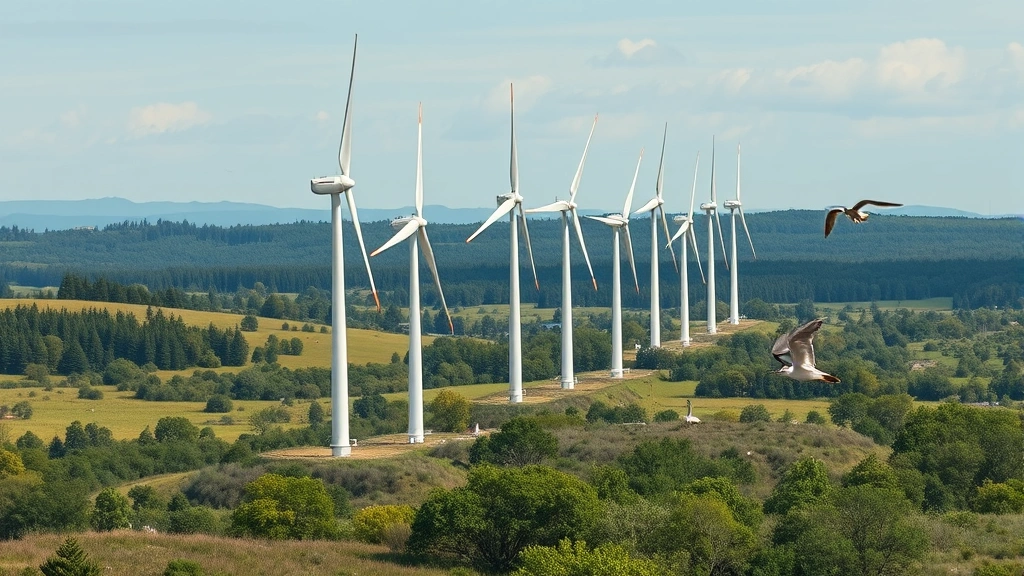
Energy engineering presents perhaps the starkest environmental paradoxes. Coal, oil, and natural gas extraction and combustion drive climate change while supporting modern civilization. Renewable energy infrastructure—solar, wind, geothermal—reduces greenhouse gas emissions but introduces new ecological challenges. Wind turbines kill hundreds of thousands of birds and bats annually. Solar facilities fragment desert habitats and alter local hydrology. Geothermal operations can trigger seismic activity and contaminate groundwater.
The strategies for reducing carbon footprint necessarily involve energy system transformation, yet the engineering solutions themselves require careful environmental assessment. Lifecycle analysis reveals that renewable energy infrastructure carries environmental costs throughout manufacturing, installation, operation, and decommissioning. This doesn’t negate renewables’ climate benefits, but rather emphasizes that true sustainability requires optimizing across multiple environmental dimensions rather than focusing narrowly on carbon emissions.
Biofuel production illustrates how well-intentioned engineering solutions can generate unexpected ecological consequences. Converting agricultural land to biofuel crops increases habitat loss, reduces food production, and may increase net greenhouse gas emissions when accounting for land-use change. These second-order effects demonstrate why engineering decisions require sophisticated ecological modeling and adaptive management frameworks.
Nuclear power represents another complex case. It produces virtually zero greenhouse gas emissions and requires minimal land per unit energy generated, yet creates radioactive waste that remains hazardous for millennia and poses catastrophic accident risks. The engineering challenges of secure long-term waste storage remain partially unsolved, essentially deferring environmental costs to future generations.
Pollution and Chemical Engineering Impacts
Industrial chemistry and chemical engineering have revolutionized human material standards while simultaneously contaminating ecosystems with synthetic compounds that nature’s organisms never evolved to process. Persistent organic pollutants (POPs)—including DDT, PCBs, and various pesticides—accumulate in food webs and concentrate in apex predators, causing reproductive failure and population collapse in species like peregrine falcons and bald eagles.
Heavy metal contamination from mining, smelting, and manufacturing operations poisons aquatic and terrestrial ecosystems for centuries. Mercury from coal-fired power plants and industrial processes bioaccumulates in fish, making them dangerous to human consumers while devastating aquatic food webs. Lead contamination from historical industrial activities persists in urban soils, affecting child development and ecosystem health generations after pollution sources cease operating.
Pharmaceutical and personal care products represent an emerging pollution frontier. These compounds are designed to persist and remain biologically active—exactly the properties that make them problematic when released into aquatic environments. Fish exposed to pharmaceutical residues exhibit endocrine disruption, behavioral changes, and population-level effects. Engineering wastewater treatment systems to remove these compounds remains technically challenging and economically expensive.
Plastic engineering represents perhaps our era’s most visible pollution legacy. The design of durable, inexpensive plastics enabled countless conveniences while creating a material that persists in ecosystems indefinitely, fragmenting into microplastics that penetrate every environmental compartment from deep ocean sediments to atmospheric aerosols. The engineering solutions—biodegradable alternatives, chemical recycling, improved waste management—remain in early development stages, unable to address the billions of tons of plastic already released into the environment.
Ecological Engineering Solutions
Recognizing engineering’s environmental costs has spawned ecological engineering as a discipline—the design of sustainable ecosystems that integrate human society with its natural environment. Unlike traditional engineering that imposes human designs on natural systems, ecological engineering works with natural processes, using ecological principles to guide infrastructure design.
Constructed wetlands exemplify ecological engineering success. These engineered systems treat wastewater through natural biogeochemical processes while providing habitat for diverse species and supporting biodiversity. They cost less than conventional treatment plants, require minimal energy inputs, and create ecosystem services including carbon sequestration and nutrient cycling. Thousands of constructed wetlands globally demonstrate that engineering can enhance rather than degrade ecosystem function.
Green infrastructure in urban areas—permeable pavements, green roofs, rain gardens—manages stormwater while reducing urban heat island effects and supporting biodiversity. These approaches recognize that cities themselves are ecosystems requiring engineering solutions that maintain ecological function. The environment examples increasingly feature urban ecological engineering as cities worldwide implement nature-based solutions.
Restoration ecology increasingly employs engineering to repair damaged ecosystems. Stream restoration projects reconstruct natural channel morphology, reintroduce large woody debris, and reconnect floodplains to restore aquatic and riparian habitat. Wetland restoration reverses drainage engineering, re-establishing hydrological conditions that support biodiversity. While restoration cannot fully recover lost ecosystems, it demonstrates engineering’s potential to reduce rather than expand environmental damage.
Ecological engineering requires interdisciplinary collaboration between engineers, ecologists, hydrologists, and social scientists. Success demands understanding both engineering principles and ecological complexity—a combination rarely found in traditional engineering education. Universities increasingly incorporate ecological engineering into curricula, recognizing that future engineers must understand ecosystem dynamics to design truly sustainable infrastructure.
Climate Engineering and Unintended Consequences
As climate change accelerates, proposals for large-scale climate engineering (geoengineering) gain attention from technologists and policymakers. These schemes—including stratospheric aerosol injection, ocean alkalinization, and atmospheric carbon removal—represent engineering’s most ambitious and risky environmental interventions.
Stratospheric aerosol injection would inject reflective particles into the upper atmosphere to reduce solar radiation reaching Earth’s surface, mimicking volcanic eruptions’ cooling effects. While potentially effective at reducing global temperatures, this approach would alter precipitation patterns, damage the ozone layer, and create geopolitical conflicts over climate control. The United Nations Environment Programme emphasizes that climate engineering cannot substitute for emissions reductions and carries unacceptable risks.
Ocean alkalinization would add alkaline substances to seawater to increase carbon absorption capacity. While theoretically carbon-negative, this approach could disrupt marine chemistry and harm calcifying organisms like corals and pteropods. The scale required to meaningfully impact atmospheric CO2 would be staggering, and long-term ecological consequences remain poorly understood.
Direct air capture technology removes CO2 directly from the atmosphere and stores it underground. This approach avoids the side effects of stratospheric interventions and ocean alkalinization, yet requires enormous energy inputs and creates new infrastructure impacts. Whether renewable energy could power global-scale carbon removal remains uncertain.
Climate engineering exemplifies why engineering solutions cannot substitute for addressing root causes. Reducing emissions through efficiency, renewable energy, and consumption changes addresses the problem’s source. Climate engineering merely attempts to treat symptoms while creating new risks. Yet as climate impacts accelerate, the political pressure to pursue engineering solutions will intensify, making careful risk assessment and international governance of climate engineering increasingly urgent.
FAQ
What is ecological engineering and how does it differ from traditional engineering?
Ecological engineering designs systems that integrate human needs with ecosystem integrity, working with natural processes rather than against them. Traditional engineering often prioritizes efficiency and cost minimization without considering long-term environmental consequences. Ecological engineering uses ecological principles to guide design, creating infrastructure that provides human services while maintaining or enhancing biodiversity and ecosystem function. Examples include constructed wetlands, green infrastructure, and stream restoration projects.
How do dams affect ecosystems beyond blocking water flow?
Dams alter sediment transport, preventing nutrient-rich sediments from reaching downstream ecosystems. They disrupt temperature regimes, creating unnaturally cold or warm water depending on dam design. They fragment populations, preventing migration and gene flow. They change seasonal flow patterns, disrupting the timing cues that aquatic species depend upon for breeding and feeding. They also alter the timing and magnitude of floodplain inundation, reducing habitat for riparian species that depend on periodic flooding.
Can renewable energy infrastructure be truly sustainable?
Renewable energy reduces greenhouse gas emissions and displaces fossil fuel consumption, making it essential for climate mitigation. However, renewable infrastructure itself has environmental costs—land use, wildlife impacts, manufacturing emissions, and material extraction. True sustainability requires optimizing across multiple environmental dimensions: minimizing land use through efficiency, siting installations carefully to reduce wildlife impacts, using recycled materials where possible, and planning for end-of-life decommissioning. Renewable energy is necessary but insufficient for sustainability without broader consumption reduction.
What role should engineering play in addressing climate change?
Engineering is essential for climate solutions, providing renewable energy technology, energy efficiency improvements, carbon capture systems, and sustainable transportation infrastructure. However, engineering alone cannot solve climate change—it must accompany emissions reductions through consumption reduction, dietary changes, and economic restructuring. Engineering can make sustainable living easier and more affordable, but cannot substitute for fundamental changes in how human society relates to natural systems and resources.
How can cities become more ecologically sustainable through engineering?
Urban ecological engineering includes green infrastructure (permeable pavements, green roofs, rain gardens), restoration of urban wetlands and streams, wildlife corridors connecting habitat patches, and buildings designed to minimize energy consumption and support biodiversity. Sustainable urban engineering also requires transforming transportation systems, reducing impervious surfaces, and integrating food production into urban landscapes. The goal is creating cities that support both human and ecological communities rather than viewing nature as something external to urban areas.
What are the risks of large-scale climate engineering?
Stratospheric aerosol injection could alter precipitation patterns, damage the ozone layer, and create international conflicts. Ocean alkalinization might disrupt marine ecosystems and harm calcifying organisms. Direct air capture requires enormous energy inputs and creates new infrastructure impacts. All climate engineering approaches risk unintended consequences that emerge only after large-scale deployment. Additionally, climate engineering diverts attention and resources from addressing emissions reductions, the fundamental solution to climate change.


