Built Environment’s Impact on Economy: A Study
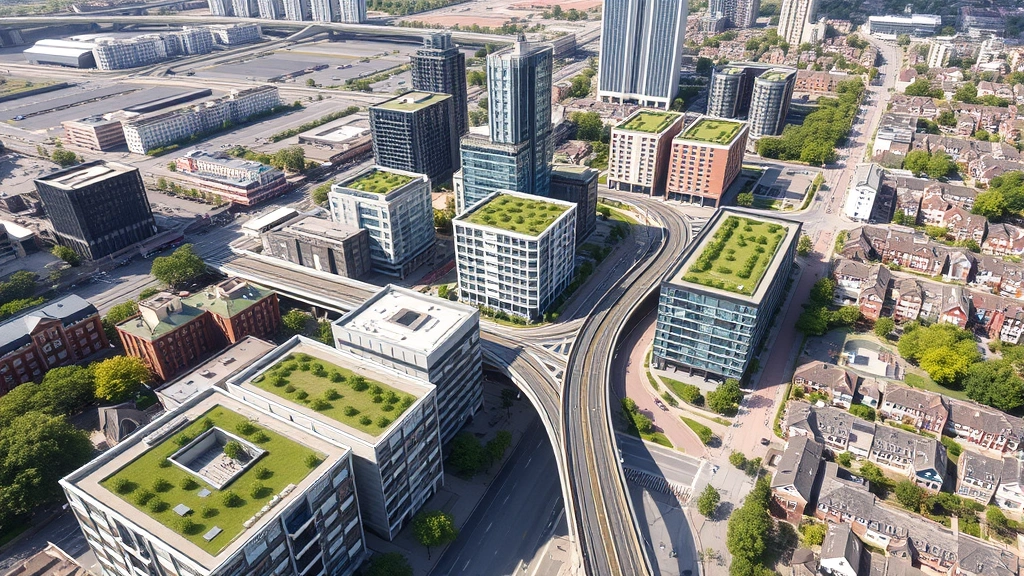
The built environment—encompassing buildings, infrastructure, transportation networks, and urban design—represents one of the most significant economic drivers in modern societies. Yet its role extends far beyond construction spending and real estate markets. The physical spaces we design and construct fundamentally shape economic productivity, labor market dynamics, business competitiveness, and long-term fiscal health. Understanding how the built environment influences economic outcomes requires examining the intricate relationships between infrastructure investment, property values, operational costs, and broader macroeconomic indicators.
This comprehensive analysis explores the multifaceted connections between built environment development and economic performance. We examine how strategic infrastructure planning, sustainable building practices, and thoughtful urban design create competitive advantages for regions while simultaneously addressing environmental constraints and resource limitations. The evidence increasingly demonstrates that decisions about how we construct and organize our physical spaces carry profound economic consequences that ripple through labor markets, supply chains, consumer behavior, and government budgets.
Defining the Built Environment and Economic Relevance
The built environment encompasses all human-made structures and systems that form the physical backdrop of modern life. This includes residential buildings, commercial offices, industrial facilities, transportation infrastructure, utilities networks, parks, and public spaces. To define environment and environmental science is to recognize that the built environment represents humanity’s most direct modification of natural systems, transforming landscapes to serve economic, social, and cultural purposes.
Understanding what constitutes the built environment requires recognizing its complexity. It is not merely the sum of individual buildings but rather an integrated system where each component influences others. A highway system affects property accessibility and commercial viability. Building energy efficiency standards impact operational expenses. Proximity to transit stations influences worker commute times and residential desirability. These interconnections create cascading economic effects that extend far beyond the initial construction investment.
The economic significance of the built environment becomes apparent when considering that construction and real estate typically account for 5-10% of gross domestic product in developed nations, with indirect effects potentially doubling this figure. The sector employs millions globally in construction, engineering, design, property management, and maintenance roles. Beyond employment, the built environment influences productivity, competitiveness, and quality of life—all fundamental economic drivers.
Examining human environment interaction reveals how built structures mediate economic relationships. They facilitate trade through ports and airports, enable communication through fiber optic infrastructure, support manufacturing through industrial parks, and concentrate knowledge workers through office complexes. The built environment essentially serves as the physical platform upon which economic activity unfolds.
Infrastructure Investment as Economic Catalyst
Strategic infrastructure investment represents one of the most direct mechanisms through which the built environment influences economic performance. Roads, bridges, railways, airports, and ports reduce transaction costs, expand market access, and enable specialization—all fundamental to economic growth. The World Bank’s research on transport infrastructure demonstrates that a 1% increase in infrastructure capital stock correlates with approximately 0.15-0.20% increases in GDP across developing economies.
Infrastructure development creates multiplier effects throughout economies. Construction spending generates immediate employment and demand for materials. Completed infrastructure improves connectivity, reducing business operating costs and expanding market reach. Firms relocate to better-served regions, workers access superior job opportunities, and consumers benefit from improved goods availability and lower prices. These effects compound over time as enhanced connectivity attracts further investment and population growth.
However, infrastructure investment quality matters significantly. Poorly designed or maintained systems create bottlenecks that constrain growth. Underutilized projects represent wasted capital that could have been deployed more productively. Optimal infrastructure requires sophisticated planning that anticipates future economic needs while maintaining flexibility for technological change. This challenge becomes increasingly complex in rapidly evolving sectors like digital communications and renewable energy.
The fiscal implications of infrastructure are equally important. Public investment in roads, water systems, and electrical grids requires substantial capital outlays, typically financed through government borrowing or taxation. These financing decisions affect interest rates, investment incentives, and economic growth trajectories. Maintenance costs for aging infrastructure increasingly strain government budgets in developed nations, where much infrastructure exceeds fifty years old. Strategic decisions about infrastructure renewal versus new construction significantly influence long-term economic competitiveness.
Real Estate Markets and Property Value Dynamics
The built environment’s most visible economic manifestation appears in real estate markets, where property values reflect expectations about future economic productivity and utility. Real estate represents the largest asset class in most economies, often exceeding total equity market capitalization. Understanding how built environment characteristics influence property values reveals important economic dynamics.
Location-specific factors create substantial property value variations. Properties near transit stations, employment centers, or amenity-rich areas command significant premiums reflecting accessibility benefits. A study by the United Nations Environment Programme on urban property economics found that properties within 500 meters of high-quality transit stations appreciate 5-15% faster than comparable properties lacking such access. These value differentials create wealth accumulation patterns that influence income inequality and intergenerational economic mobility.
Building characteristics profoundly affect economic value. Energy-efficient structures reduce operating costs, improving net income and justifying higher purchase prices. Modern facilities attract premium tenants and support higher rental rates. Conversely, outdated or poorly maintained buildings require costly upgrades or face declining competitiveness. These dynamics create incentives for continuous improvement but also risk stranding capital in obsolete structures.
Real estate cycles significantly influence broader economic performance. Rapid property appreciation can fuel speculative bubbles, misallocating capital toward unproductive real estate rather than productive business investment. Conversely, real estate downturns devastate household wealth, reduce consumer spending, and trigger financial crises when overleveraged institutions face losses. Understanding environment examples of built structures reveals how physical assets carry economic risks that extend throughout financial systems.
Urban Design and Labor Productivity
How cities and workplaces are physically organized directly influences worker productivity and economic output. Urban design affects commute times, social interactions, information flows, and quality of life—all productivity determinants. Dense, well-designed urban areas enable face-to-face collaboration, knowledge spillovers, and innovation that dispersed regions struggle to achieve.
Agglomeration economics—the productivity advantages of geographic concentration—emerge substantially from built environment characteristics. When firms and workers cluster in cities, they access deeper labor pools, specialized suppliers, knowledge networks, and consumer markets. These benefits justify the premium prices cities command. Research by economists studying urban development demonstrates that workers in major metropolitan areas earn 20-30% higher wages than comparable workers in rural areas, with much of this premium attributable to enhanced productivity rather than merely higher cost of living.
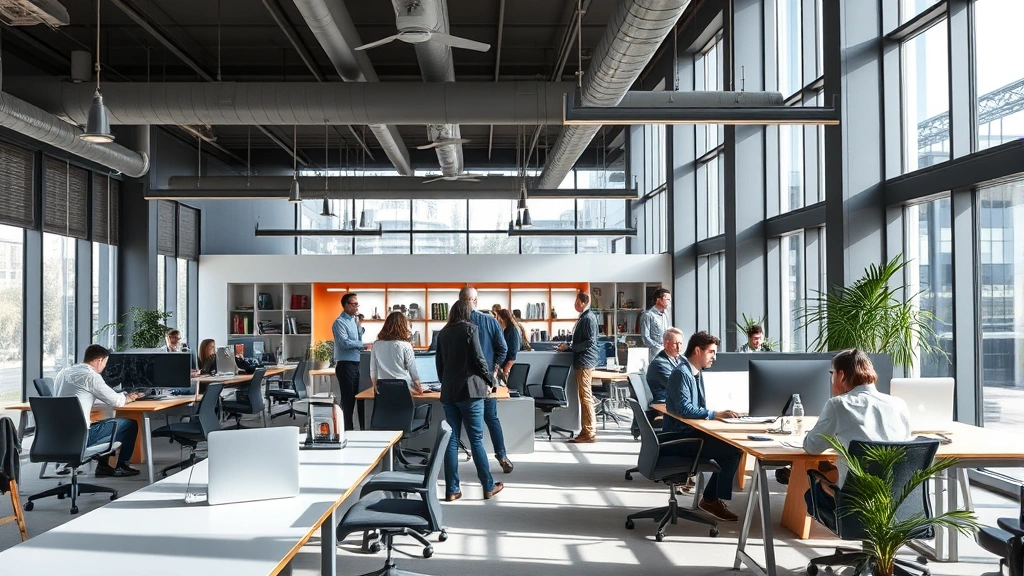
Workplace design within buildings influences employee productivity through numerous channels. Open office layouts facilitate communication but may reduce focus. Natural lighting and temperature control improve cognitive function. Access to amenities affects retention and morale. These design choices carry measurable economic consequences, affecting output per worker and organizational competitiveness. Companies increasingly recognize that workplace environments represent strategic investments rather than mere overhead.
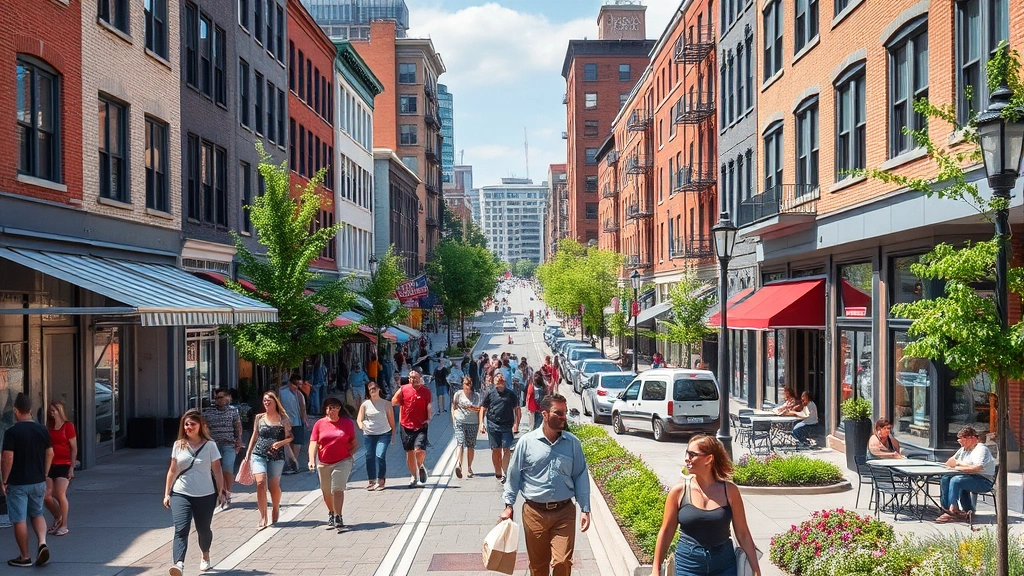
Urban design also influences entrepreneurship and innovation. Diverse, walkable neighborhoods with mixed-use development attract creative workers and support startup formation. Isolated office parks and automobile-dependent sprawl reduce spontaneous interaction and knowledge exchange. Cities with vibrant public spaces and accessible amenities show higher rates of business formation and technological innovation. The built environment thus shapes not only current productivity but also future economic dynamism.
Operational Costs and Business Competitiveness
Beyond initial construction and property acquisition, the built environment influences ongoing operational expenses that directly affect business profitability and competitiveness. Energy consumption in buildings represents a substantial cost category, with inefficient structures imposing significant competitive disadvantages. How to reduce carbon footprint initiatives often begin with building efficiency because operational savings directly improve bottom lines.
Building energy performance varies dramatically based on design, materials, and management practices. Modern efficient buildings may consume 50-70% less energy than poorly designed structures, translating to substantial cost advantages over decades of operation. These savings compound over time, creating long-term competitive benefits. Forward-thinking firms increasingly prioritize energy efficiency as a core business strategy rather than environmental obligation.
Transportation infrastructure within and surrounding built environments significantly affects operational costs. Businesses requiring frequent deliveries benefit from proximity to highways and logistics hubs. Retail establishments depend on customer accessibility. Manufacturing facilities need reliable utilities and transportation access. The built environment’s configuration determines whether businesses can operate efficiently or face continuous friction from poor logistics and supply chain management.
Maintenance and infrastructure reliability directly impact business operations. Unreliable electrical systems, water disruptions, or poor road conditions impose costs through equipment damage, production delays, and customer dissatisfaction. Regions with well-maintained infrastructure attract investment by signaling reliable operating environments. Conversely, infrastructure deterioration gradually reduces business competitiveness and discourages new investment.
Sustainability and Long-Term Economic Resilience
The built environment’s relationship with natural systems increasingly determines long-term economic viability. Unsustainable construction practices that degrade ecosystems, deplete resources, or generate excessive waste create hidden costs that eventually manifest as economic constraints. Understanding this relationship requires examining how environmental limits intersect with economic activity.
Buildings consume substantial material resources and generate significant waste. Cement production alone accounts for approximately 8% of global carbon dioxide emissions. Unsustainable construction practices that ignore material efficiency, recyclability, and lifecycle impacts externalize costs onto society. As resource constraints tighten and environmental regulations strengthen, these practices become economically unviable. Forward-thinking development increasingly incorporates sustainable practices that reduce long-term costs while improving resilience.
Climate change adaptation represents an emerging economic imperative for the built environment. Coastal cities face flooding risks, interior regions confront drought and extreme heat, and infrastructure faces increasing disruption from severe weather. Designing resilient built environments that withstand climate impacts requires substantial upfront investment but prevents far more costly damages and disruptions. Research institutions studying ecological economics increasingly emphasize that adaptation investments represent rational economic decisions rather than environmental charity.
Green infrastructure—including green roofs, permeable pavements, restored wetlands, and urban forests—provides multiple economic benefits beyond environmental protection. These systems reduce stormwater management costs, lower urban heat island effects, improve air quality, and enhance property values. Sustainable fashion brands represent one sector embracing circular economy principles that built environment developers increasingly adopt through material reuse and waste reduction.
Water management within built environments carries substantial economic implications. Efficient systems reduce operational costs while building resilience to droughts. Poor water management creates shortages that constrain economic growth. Desalination plants, water recycling systems, and watershed protection represent infrastructure investments with significant economic returns through reliable supply assurance.
Regional Economic Disparities
The built environment fundamentally shapes regional economic disparities by creating divergent growth trajectories. Regions with superior infrastructure, well-designed urban centers, and strategic development attract investment and talent, while areas with poor built environments struggle with economic stagnation. These patterns reinforce themselves as success attracts further development while decline discourages investment.
Metropolitan areas with excellent transit systems, diverse commercial real estate, and vibrant urban centers accumulate economic advantages. Firms cluster in these locations, workers migrate toward opportunity, and property values reflect accumulated advantages. Meanwhile, regions lacking infrastructure investment, experiencing urban decay, or dependent on obsolete industries face declining populations and reduced tax bases. This divergence creates persistent regional inequality that proves difficult to reverse.
Infrastructure inequality contributes substantially to these disparities. Developed regions enjoy reliable transportation, communications, and utilities that enable efficient commerce. Underdeveloped regions lack these fundamentals, creating persistent competitive disadvantages. International development efforts increasingly recognize that built environment investment in lagging regions represents crucial poverty reduction strategy. The World Bank’s urban development initiatives prioritize infrastructure investment as pathway to inclusive growth.
Rural-urban disparities partly reflect built environment differences. Cities concentrate services, infrastructure, and economic opportunities in ways dispersed rural areas cannot replicate. However, technology increasingly enables remote work and distributed production, potentially reducing urban dependency. How the built environment adapts to these technological changes will substantially influence future regional economic patterns.
Revitalization of declining regions requires comprehensive built environment transformation. This includes infrastructure modernization, downtown redevelopment, building renovation, and strategic new construction. Successful examples demonstrate that deliberate investment in built environments can reverse decline, attract business and talent, and generate sustained economic growth. However, such transformation requires substantial capital, sophisticated planning, and sustained commitment.
FAQ
What precisely is meant by the built environment in economic contexts?
The built environment encompasses all human-constructed structures and systems forming the physical infrastructure of economic activity. This includes buildings, transportation networks, utilities, public spaces, and industrial facilities. In economic analysis, it represents the capital stock that enables production, facilitates exchange, and supports human activity. Understanding the built environment is essential for analyzing productivity, competitiveness, and economic resilience.
How significantly does infrastructure investment affect economic growth rates?
Infrastructure investment influences economic growth through multiple channels including reduced transaction costs, expanded market access, improved productivity, and increased capital formation. Empirical research suggests infrastructure quality correlates with 0.15-0.20% GDP growth per 1% infrastructure capital increase in developing economies. Effects vary based on existing infrastructure levels, maintenance quality, and strategic alignment with economic priorities. Optimal infrastructure investment requires careful planning to maximize returns.
Why do properties near transit stations command premium prices?
Transit accessibility reduces commute times, transportation costs, and dependency on personal vehicles. These tangible benefits justify higher property prices. Accessibility also increases commercial viability for retail and service businesses. Premium pricing reflects rational valuation of genuine economic advantages, not speculation. Transit-oriented development thus creates value through improved connectivity and reduced friction in economic activity.
Can poorly designed built environments constrain economic growth?
Yes, inefficient built environments impose substantial costs through congestion, energy waste, maintenance problems, and reduced productivity. Automobile-dependent sprawl increases transportation costs and time. Energy-inefficient buildings raise operating expenses. Deteriorating infrastructure creates disruptions and deters investment. Poor urban design reduces collaboration and innovation. Conversely, strategic built environment investment enhances competitiveness and supports sustained growth.
How does the built environment relate to environmental sustainability?
Buildings consume resources, generate waste, and influence ecosystem health. Unsustainable practices create environmental degradation that eventually becomes economically costly through resource depletion, climate impacts, and regulatory constraints. Sustainable built environment practices reduce long-term costs while building resilience. Green infrastructure provides multiple benefits including cost reduction and improved livability. Integrating environmental considerations into built environment development represents rational economic strategy.
What role does built environment quality play in attracting business investment?
Firms evaluate locations based on infrastructure quality, operating costs, labor availability, and quality of life factors—all influenced by built environment. Superior infrastructure reduces business costs. Well-designed urban environments attract talented workers. Reliable utilities and transportation enable efficient operations. Regions investing in built environment quality signal commitment to business success, attracting investment and supporting competitive advantage. Built environment quality thus functions as crucial competitive factor in attracting economic activity.


