Wasps have long been perceived as aggressive, stinging nuisances that most people would rather avoid. However, this perspective overlooks a fundamental ecological truth: wasps are remarkably beneficial organisms that play crucial roles in maintaining ecosystem health and stability. From their position as apex predators of garden pests to their contributions as pollinators and decomposers, wasps represent an often-underappreciated cornerstone of biodiversity. Understanding their ecological significance requires moving beyond cultural biases and examining the scientific evidence of their environmental value.
The question “are wasps good for the environment” deserves a resounding affirmative answer, supported by decades of ecological research and agricultural data. Wasps regulate pest populations naturally, reduce our dependence on chemical pesticides, and contribute to nutrient cycling in ways that benefit both natural and managed ecosystems. This comprehensive analysis explores the multifaceted ecological roles of wasps, their economic implications, and why their conservation matters for sustainable environmental management.
Wasps as Natural Pest Control Agents
The most significant environmental benefit provided by wasps is their role as biological control agents. Parasitoid wasps—species that lay eggs in or on host insects—represent nature’s most efficient pest management system. A single parasitoid wasp can eliminate dozens to hundreds of agricultural pests throughout its lifetime, including caterpillars, aphids, beetles, and flies that devastate crops worldwide. This natural predation mechanism has been the subject of extensive research by agricultural economists and ecologists, demonstrating measurable reductions in pest populations without synthetic chemical interventions.
Research from agricultural extension services shows that parasitoid wasps can reduce crop damage by 30-80% depending on the host pest and environmental conditions. This translates to significant economic savings for farmers who implement integrated pest management (IPM) strategies that encourage wasp populations. Unlike broad-spectrum pesticides that indiscriminately kill beneficial and harmful insects alike, wasps provide targeted pest control that preserves ecosystem complexity. The different types of environments support varying wasp species, each specialized for specific pest management roles.
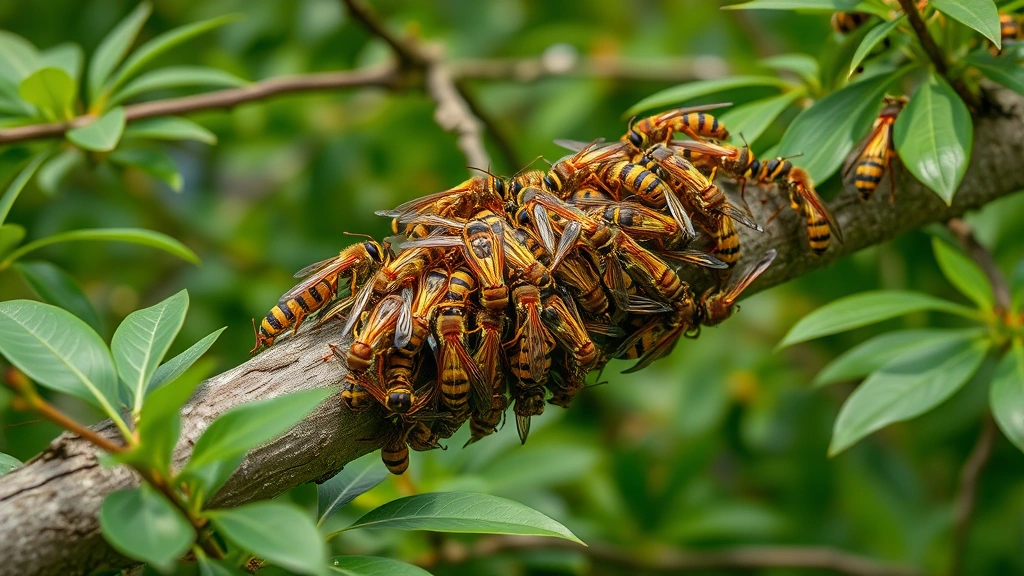
Predatory wasps, including paper wasps and yellow jackets, hunt live prey to feed their larvae. These species consume enormous quantities of flies, caterpillars, spiders, and other arthropods daily. A single paper wasp colony can consume thousands of insects during a breeding season, providing substantial pest suppression in both agricultural and urban settings. This predatory behavior, while sometimes perceived as aggressive when wasps defend their nests, represents an essential ecosystem service that has quantifiable value in crop protection and disease vector reduction.
The economic implications are substantial. According to research from the World Bank, the global cost of crop losses due to pests exceeds $200 billion annually. Wasps and other natural enemies prevent a significant portion of these losses, effectively providing free pest management services worth billions of dollars globally. Farmers who recognize this value increasingly adopt practices that support wasp populations, recognizing them as living infrastructure for agricultural sustainability.
Pollination Services and Plant Reproduction
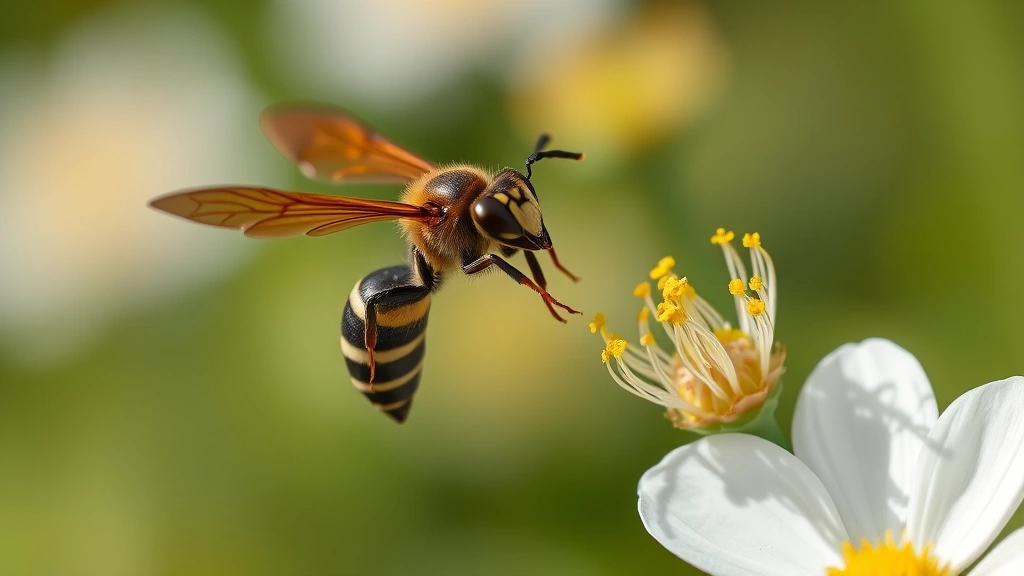
While bees receive disproportionate attention for pollination services, wasps contribute meaningfully to plant reproduction across diverse ecosystems. Many wasp species, particularly solitary wasps and some social species, visit flowers for nectar and pollen, inadvertently transferring pollen between plants. This pollination function, though less efficient than specialized bee pollinators, becomes particularly important in ecosystems where bee populations have declined or in environments where certain plant species depend on wasp-mediated pollination.
Research published in ecological journals demonstrates that wasps pollinate a broader range of plant species than commonly recognized, including native wildflowers, flowering shrubs, and some agricultural crops. In Mediterranean ecosystems and semi-arid regions, wasps contribute substantially to pollination networks when bee populations are limited by environmental stress or resource availability. This functional redundancy in pollination services—the capacity of multiple species to perform similar ecological roles—provides ecosystem resilience against population fluctuations of any single pollinator group.
The nutritional relationship between wasps and flowering plants extends beyond simple pollination. Wasps obtain essential nutrients from nectar and pollen, particularly proteins and carbohydrates necessary for reproduction and colony maintenance. This mutualistic relationship benefits plants by ensuring regular visits from pollinators, while providing wasps with critical food resources that supplement their protein-rich arthropod diet. Understanding these human-environment interactions helps explain why protecting diverse wasp communities benefits overall plant productivity.
Nutrient Cycling and Decomposition
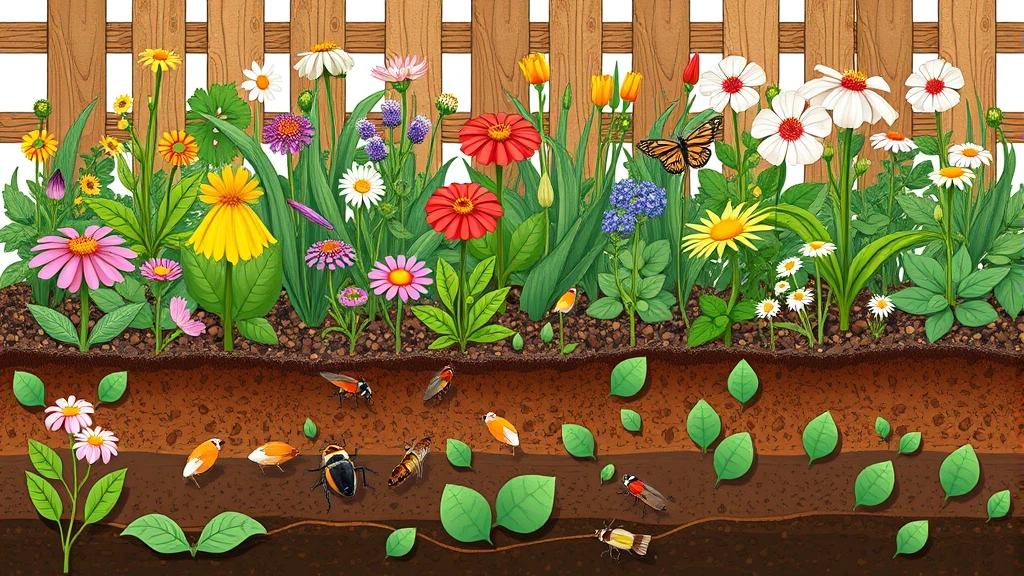
Wasps contribute substantially to nutrient cycling through their feeding behaviors and life cycles. As predators and scavengers, wasps consume arthropods and other organic matter, incorporating these nutrients into their own biomass. When wasps die or are consumed by predators, these accumulated nutrients return to soil systems, supporting plant growth and microbial communities. This nutrient transfer mechanism represents a critical but often invisible ecosystem service that maintains soil fertility and productivity.
Solitary wasps, which provision their nests with paralyzed insects, create concentrated nutrient deposits in soil. When these provisions decompose—either because larvae consume them or they decay over time—the nitrogen, phosphorus, and other essential elements become available to soil organisms and plants. In nutrient-limited ecosystems, this localized nutrient enrichment can significantly influence plant community composition and productivity. Studies of wasp nesting sites reveal elevated soil nutrient concentrations compared to surrounding areas, demonstrating the measurable impact of wasp populations on soil chemistry.
The decomposition of wasp bodies themselves contributes to nutrient cycling. Wasps, like all organisms, contain concentrated nutrients accumulated through their feeding and metabolism. When wasps die naturally or are consumed by predators, these nutrients enter detrital food webs, supporting fungi, bacteria, and detritivorous arthropods. This process, repeated across millions of individual wasps across landscapes, represents a significant nutrient flux that contributes to ecosystem productivity and biogeochemical cycling.
Economic Value of Wasp Ecosystem Services
Quantifying the economic value of wasp ecosystem services reveals their substantial contribution to human welfare and agricultural productivity. Ecosystem service valuation studies, which assign monetary values to natural processes, consistently demonstrate that biological pest control by natural enemies—including wasps—provides economic benefits far exceeding their costs. Conservative estimates suggest that natural enemy populations, predominantly comprised of wasps, provide pest control services worth $4.5 billion annually in the United States alone.
These valuations typically employ several methodological approaches. Replacement cost analysis calculates the expense of achieving equivalent pest control through chemical pesticides and labor. Avoided cost analysis measures the losses prevented by natural pest control. Productivity change analysis examines how pest suppression affects crop yields and quality. All approaches confirm that wasp-mediated pest control represents exceptional value, particularly when environmental externalities of pesticide use—including water contamination, human health impacts, and non-target species mortality—are incorporated into economic assessments.
The United Nations Environment Programme recognizes pollination and pest control as critical ecosystem services essential for food security. Wasps contribute to both services, making them valuable components of agricultural systems transitioning toward sustainability. Organic and regenerative agriculture systems, which prohibit synthetic pesticides, depend heavily on wasp populations for pest management, making wasp conservation economically rational for farmers seeking to reduce input costs while maintaining yields.
Beyond agriculture, wasps provide recreational and cultural ecosystem services. Ecotourism based on wildlife observation, including insect-focused activities, generates economic value in regions with high biodiversity. Education about wasps and their ecological roles contributes to scientific literacy and environmental awareness. These less tangible services, while difficult to quantify precisely, contribute meaningfully to human well-being and social value creation.
Biodiversity and Trophic Network Functions
Wasps occupy critical positions in food webs and ecological networks, influencing energy flow and nutrient cycling across multiple trophic levels. As predators and parasitoids, wasps regulate herbivorous arthropod populations, preventing any single species from achieving dominance that would suppress plant diversity. This top-down control mechanism maintains the structural complexity of plant communities, which in turn supports greater overall biodiversity. Understanding environment examples across different biomes reveals that wasp diversity correlates strongly with overall ecosystem diversity.
Wasps serve as prey for numerous predators, including birds, reptiles, spiders, and larger insects. These predator-prey relationships create energy transfer pathways that support vertebrate populations essential for ecosystem function. Many bird species depend partially or entirely on wasp larvae and adults as food sources, particularly during breeding seasons when protein demands are highest. The loss of wasp populations would cascade through food webs, reducing food availability for insectivorous vertebrates and potentially destabilizing populations of species that humans value—including songbirds and other wildlife.
The functional diversity of wasp communities enhances ecosystem resilience. Different wasp species exhibit varying nesting behaviors, foraging strategies, and host preferences, creating redundancy in ecological functions. If environmental change or disturbance reduces populations of one wasp species, other species may partially compensate, maintaining ecosystem services. This functional redundancy provides insurance against ecosystem collapse, making wasp diversity valuable insurance for ecosystem stability.
Research in ecological networks demonstrates that species with high numbers of trophic connections—like wasps, which interact with numerous pest species, predators, and plants—exert disproportionate influence on community structure. Removing wasps from ecosystems would create cascading effects throughout food webs, potentially causing unexpected changes in plant communities, herbivore populations, and other wildlife. This interconnectedness emphasizes why protecting wasp populations matters for maintaining ecosystem integrity.
Threats to Wasp Populations
Despite their ecological importance, wasp populations face mounting threats from human activities and environmental change. Habitat loss represents the primary threat, as agricultural intensification, urban development, and land conversion eliminate the diverse vegetation and nesting sites that wasps require. Monoculture farming systems, which replace diverse plant communities with single crop species, reduce the floral resources and nesting opportunities available to wasps. Similarly, pesticide use—particularly broad-spectrum insecticides—directly kills wasps while reducing arthropod prey populations that wasps depend upon.
Climate change poses emerging threats to wasp populations through multiple mechanisms. Changing temperature and precipitation patterns alter phenological timing, potentially creating mismatches between wasp emergence and peak prey availability. Extreme weather events, including droughts and floods, destroy nesting sites and reduce floral resources. Range shifts driven by climate change may fragment wasp populations and reduce their ability to track suitable habitat. These climate-driven changes represent particularly serious threats because they interact with existing anthropogenic stressors, potentially overwhelming population resilience.
Pesticide exposure includes both direct mortality from insecticide applications and indirect effects through prey depletion. Neonicotinoid insecticides, widely used in agriculture, persist in soil and plant tissues, potentially affecting wasp populations even in non-target habitats. Herbicide use reduces flowering plants that provide nectar and pollen, limiting wasp nutrition. The cumulative impacts of multiple stressors—habitat loss, pesticide exposure, climate change, and others—create complex challenges for wasp conservation that require integrated management approaches.
Invasive species represent another significant threat in some regions. Introduced predators, competitors, and parasites can disrupt native wasp communities. For example, invasive ants in some ecosystems compete with native wasps for food resources and prey, potentially reducing native wasp populations. Understanding these threats requires recognizing how environmental science approaches complex ecological problems through integrated research and monitoring.
Conservation Strategies for Wasp Habitat
Protecting and enhancing wasp populations requires comprehensive conservation strategies addressing habitat, food resources, and pesticide exposure. Creating and maintaining diverse vegetation provides both floral resources for adult wasps and habitat for prey arthropods. Native plant communities, including flowering shrubs, wildflowers, and perennial herbs, support robust wasp populations while providing co-benefits for other wildlife. Reducing or eliminating pesticide use, particularly broad-spectrum insecticides, allows wasp populations to persist and function as biological control agents.
Agricultural practices strongly influence wasp populations and ecosystem service delivery. Integrated pest management (IPM) systems that minimize pesticide use while encouraging natural enemies represent one approach. Conservation agriculture practices, including reduced tillage and cover cropping, preserve soil-nesting wasp populations while improving soil health. Agroforestry systems that integrate trees with crops create structural diversity and microhabitat heterogeneity that supports diverse wasp communities. These practices, aligned with principles of physical environment management, enhance ecosystem services while maintaining productivity.
Urban and suburban conservation of wasps involves creating diverse vegetation in gardens, parks, and green spaces. Native plant gardens provide nectar and pollen resources while creating nesting habitat. Leaving some areas unmown and undisturbed allows ground-nesting wasps to establish populations. Avoiding pesticide use in urban landscapes protects wasp populations while reducing human exposure to chemical contaminants. These individual actions, multiplied across communities, create landscape-scale habitat networks supporting diverse wasp populations.
Policy and institutional support strengthens wasp conservation. Agricultural subsidies and incentive programs can encourage farmers to adopt wasp-friendly practices. Pesticide regulations that restrict harmful compounds while allowing selective alternatives protect wasp populations while maintaining crop protection. Environmental education programs that improve public understanding of wasp ecology reduce persecution and increase support for conservation. Research funding for wasp ecology and conservation ensures that management decisions rest on solid scientific evidence.
International cooperation on wasp conservation recognizes that these organisms move across borders and respond to global environmental changes. Climate change mitigation reduces one major threat to wasp populations. Protecting migratory corridors and maintaining habitat connectivity across regions enables wasps to track suitable environmental conditions as climate changes. These landscape-scale approaches require coordination among nations, making wasp conservation part of broader environmental governance frameworks.
The transition toward sustainable agriculture and regenerative land management practices provides perhaps the most significant opportunity for wasp conservation. As awareness grows regarding the limitations and externalities of chemical-intensive agriculture, more farmers and land managers recognize the value of biological pest control and ecosystem services. Supporting this transition through research, extension education, and market development creates conditions where wasp populations can flourish while providing economic benefits to landowners and society broadly.
FAQ
Why do wasps sting if they’re beneficial?
Wasps sting as a defense mechanism to protect their nests, food sources, and colonies. Stinging behavior evolved because it effectively deters predators and competitors. Most wasps are not aggressive toward humans; stinging occurs when wasps perceive threats. Understanding wasp behavior and avoiding nest disturbance minimizes sting risk while allowing wasps to provide ecosystem services. Many wasp species, including solitary wasps, are non-aggressive and rarely sting.
How many pest insects do wasps actually kill?
The number varies by wasp species, environmental conditions, and prey availability. A single paper wasp can consume hundreds of insects during a breeding season. Parasitoid wasps may parasitize dozens to hundreds of host insects during their lifetimes. Across entire landscapes, wasp populations collectively suppress pest populations by 30-80% in many agricultural systems. These numbers demonstrate the substantial pest control value that wasps provide.
Are all wasp species beneficial?
While all wasp species play ecological roles, some are more directly beneficial to human interests than others. Parasitoid wasps and predatory wasps clearly provide pest control. Even species without obvious pest control roles contribute to nutrient cycling, pollination, and food webs. All native wasp species warrant conservation because they occupy ecological niches and contribute to ecosystem function, even if their specific roles remain poorly understood.
How can I encourage wasps in my garden?
Plant diverse native flowers and flowering shrubs that provide nectar and pollen. Avoid pesticide use, allowing prey arthropods to persist. Leave some areas unmowed to provide nesting habitat for ground-nesting species. Provide water sources. Create dead wood piles and leave some vegetation standing through winter to provide shelter. These practices create habitat conditions that support wasp populations while providing broader biodiversity benefits.
Do wasps pollinate as effectively as bees?
Wasps are generally less efficient pollinators than specialized bee species because they lack the dense body hair that bees use to collect pollen. However, wasps visit a broader range of plant species than many bee species and provide meaningful pollination services, particularly in ecosystems where bee populations are limited. The pollination services of wasps, combined with their pest control roles, make them valuable for ecosystem function and food production.
What’s the connection between wasp conservation and sustainable agriculture?
Sustainable agriculture depends on reducing chemical inputs while maintaining productivity. Biological pest control by wasps enables this transition by providing free pest management services. Farming practices that support wasp populations—such as minimizing pesticide use, maintaining vegetation diversity, and reducing soil disturbance—align with broader sustainability principles. Recognizing and supporting wasp populations represents an economically rational strategy for sustainable agriculture.
How do climate changes affect wasps?
Climate change affects wasps through altered temperature and precipitation patterns, which influence timing of life cycles, habitat suitability, and prey availability. Range shifts may fragment populations. Extreme weather events destroy nesting sites. These changes interact with existing stressors like habitat loss and pesticide exposure, creating complex challenges. Research on climate-wasp interactions remains active, with scientists working to understand and mitigate climate change impacts on wasp populations.


