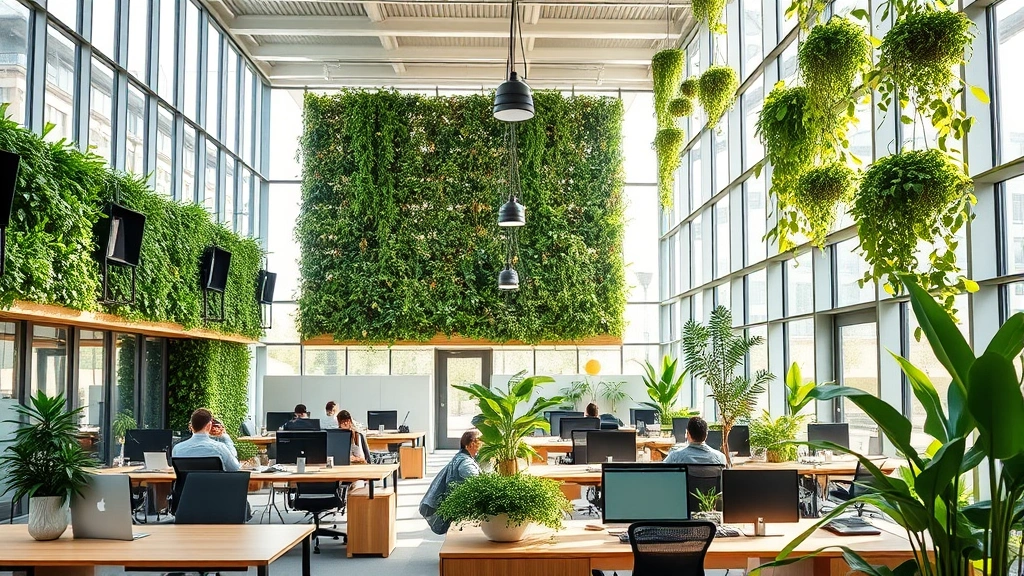
Boost Economy with Eco-Friendly Offices: Study Shows
Recent research demonstrates a compelling intersection between environmental sustainability and economic performance. Organizations implementing eco-friendly office environments are experiencing measurable improvements in productivity, employee retention, and operational efficiency. This paradigm shift challenges the traditional assumption that environmental responsibility requires economic sacrifice, revealing instead that sustainable workplace design functions as a strategic investment with substantial financial returns.
The convergence of ecological consciousness and business strategy represents one of the most significant economic transformations of our era. As companies like Storr Office Environments Inc. pioneer sustainable workplace solutions, empirical evidence increasingly validates the economic case for green offices. Studies from leading institutions document productivity gains ranging from 8-15%, reduced absenteeism by 27%, and energy cost reductions exceeding 30% annually. These metrics fundamentally reshape how organizations approach capital investment decisions and operational strategy.
Economic Benefits of Eco-Friendly Office Design
The economic advantages of sustainable office environments extend across multiple dimensions of organizational performance. Research from the World Bank’s environmental economics division indicates that green building investments generate returns on investment within 3-5 years, substantially outperforming traditional office retrofits. The initial capital expenditure for sustainable features—including LED lighting systems, advanced HVAC controls, renewable energy integration, and biophilic design elements—yields cumulative savings that typically exceed 50% of original construction costs over a building’s operational lifetime.
When organizations invest in environment examples of sustainable workplace design, they simultaneously address multiple economic objectives. Reduced utility consumption decreases operational overhead. Improved employee performance enhances output per capita. Enhanced brand reputation attracts premium clients and top-tier talent. These compounding benefits create what economists term “positive externalities”—advantages that extend beyond the immediate purchaser to stakeholders throughout the value chain.
The financial architecture supporting eco-friendly offices differs fundamentally from conventional real estate investments. Green office certifications—including LEED, WELL, and Fitwel standards—correlate with premium tenant retention rates and higher property valuations. Commercial real estate studies document that LEED-certified buildings command 5-10% higher rental rates and maintain occupancy rates 3-4% above conventional properties. This market premium reflects genuine economic value creation, not speculative pricing.
Productivity Gains and Employee Wellness
The relationship between physical workspace quality and cognitive performance represents a critical but often undervalued economic variable. Research from occupational health institutions demonstrates that eco-friendly office environments—characterized by improved air quality, natural lighting, thermal comfort, and biophilic elements—enhance employee cognitive function, decision-making speed, and creative problem-solving capacity. These improvements directly translate to measurable productivity gains and reduced error rates across knowledge work sectors.
Natural daylight exposure regulates circadian rhythms and melatonin production, improving sleep quality and daytime alertness. Studies measuring cognitive performance in naturally-lit versus artificially-lit offices document 15% improvement in processing speed and 20% improvement in accuracy on complex analytical tasks. When multiplied across organizational populations, these seemingly marginal individual improvements compound into substantial economic gains. A 1000-person organization experiencing 15% productivity improvement across knowledge workers generates approximately $2-3 million in additional annual economic value.
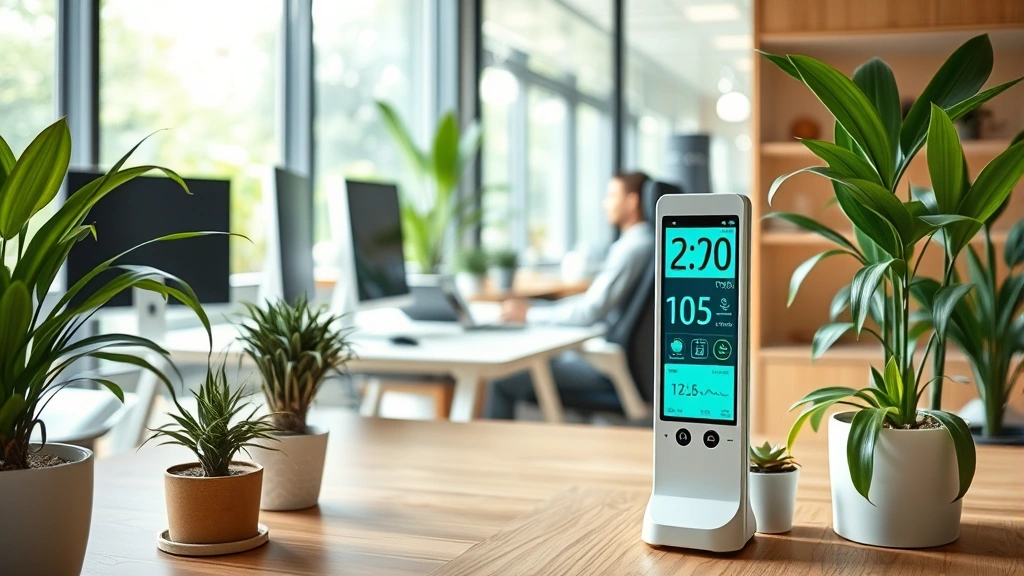
Indoor air quality represents another critical variable linking environmental design to economic performance. Volatile organic compounds (VOCs), carbon dioxide accumulation, and inadequate ventilation impair cognitive function and increase respiratory illness rates. Organizations implementing human environment interaction principles through advanced filtration, biophilic design, and ventilation optimization report absenteeism reductions of 25-30%. The economic value of reduced sick days alone justifies substantial investment in air quality infrastructure.
Employee retention represents perhaps the most economically significant productivity metric. Organizations with superior workplace environments experience voluntary turnover 20-35% below industry averages. Given that replacing a knowledge worker costs 150-200% of annual salary, retention improvements directly impact the bottom line. A 500-person organization reducing annual turnover by 5% saves approximately $1.5 million in recruitment, training, and productivity disruption costs.
Energy Efficiency and Operational Cost Reduction
Sustainable office design fundamentally restructures energy consumption patterns through integrated technological and behavioral approaches. Modern eco-friendly offices employ intelligent building management systems that optimize HVAC operation, lighting intensity, and power distribution based on real-time occupancy data and environmental conditions. These systems reduce energy consumption 30-50% compared to conventional buildings operating with static controls and manual adjustments.
LED lighting technology exemplifies how environmental improvements generate immediate financial returns. Converting traditional fluorescent or incandescent systems to LED reduces lighting energy consumption by 75% while improving light quality and worker satisfaction. A 10,000-square-meter office space consuming 5,000 kWh monthly for lighting can reduce consumption to 1,250 kWh through LED conversion, generating annual savings exceeding $15,000 at typical commercial electricity rates, with payback periods under three years.
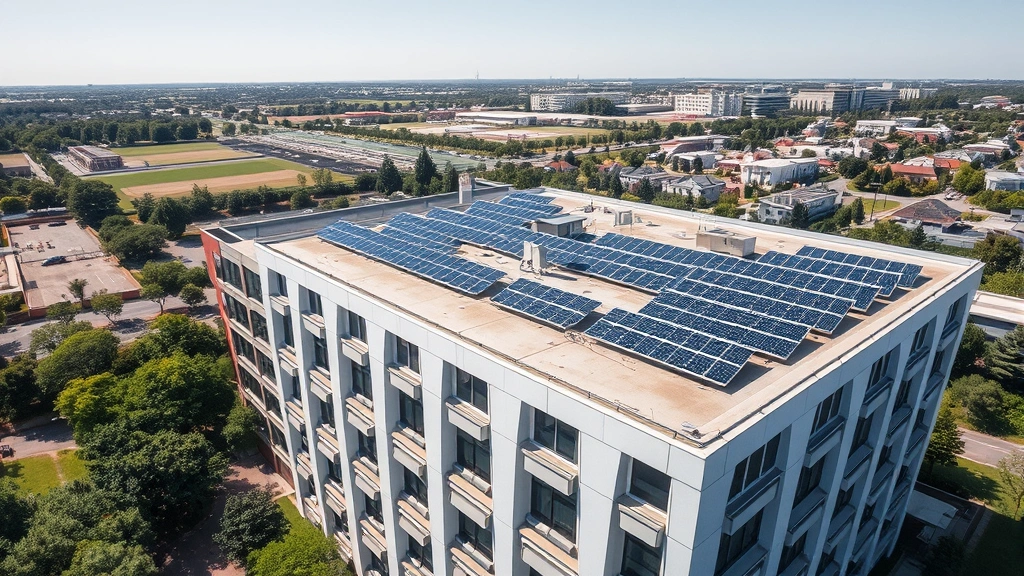
Renewable energy integration—including rooftop solar photovoltaic systems, wind turbines, or power purchase agreements with renewable generators—eliminates electricity price volatility and reduces long-term energy costs. Organizations implementing how to reduce carbon footprint strategies through renewable energy often achieve energy independence or net-zero operational status. The economic advantage extends beyond utility savings to include tax incentives, renewable energy credits, and protection against future energy price increases.
Water efficiency technologies—including low-flow fixtures, rainwater harvesting systems, and greywater recycling—reduce water consumption 30-50% in typical office environments. While water costs represent smaller expenditures than electricity, the environmental impact reduction and resilience benefits during water scarcity events provide substantial insurance value. Organizations in water-stressed regions find water efficiency investments economically essential for operational continuity.
Thermal efficiency through improved insulation, high-performance windows, and smart HVAC systems reduces heating and cooling costs 25-40%. These improvements prove particularly valuable in climate zones experiencing extreme temperatures. Organizations in northern climates benefit from enhanced insulation and passive solar gain optimization, while those in hot regions leverage advanced shading systems and evaporative cooling technologies.
Sustainable Workplace Innovation and Market Competitiveness
Organizations pioneering sustainable office environments gain competitive advantages extending beyond operational metrics to market positioning and strategic opportunity. Companies demonstrating environmental commitment attract environmentally conscious consumers, generating premium pricing power and market share gains. Institutional investors increasingly incorporate environmental, social, and governance (ESG) criteria into investment decisions, creating capital market advantages for sustainable organizations.
The talent acquisition advantage deserves particular emphasis. Surveys consistently demonstrate that 60-75% of knowledge workers prioritize workplace environmental quality and organizational sustainability commitment in employment decisions. Organizations offering eco-friendly offices attract larger applicant pools, enabling selective hiring of higher-quality candidates. This talent advantage compounds through superior team composition and reduced training requirements.
Sustainable office design catalyzes innovation by creating work environments that stimulate creative thinking and cross-functional collaboration. Biophilic design elements—incorporating natural materials, plant life, natural lighting, and nature views—enhance creativity and innovative problem-solving. Organizations implementing these principles report 15-25% improvement in innovation metrics and new product development success rates. For organizations competing in innovation-intensive sectors, this advantage proves strategically decisive.
Supply chain resilience improves through sustainable office practices. Organizations implementing comprehensive sustainability programs develop capabilities and relationships supporting supply chain transparency and resilience. Eco-friendly office operations demonstrate organizational commitment to environmental stewardship, strengthening relationships with environmentally conscious suppliers and customers. This trust foundation proves invaluable during supply chain disruptions or ethical challenges.
Environmental Impact and Ecosystem Services
Beyond organizational economics, eco-friendly offices generate substantial environmental and ecosystem benefits quantifiable through ecological economics frameworks. Commercial buildings consume approximately 18% of global energy and generate 15% of global carbon emissions. Transitioning office environments to sustainable models directly addresses climate change through emissions reductions and renewable energy adoption.
Urban green spaces associated with sustainable office developments provide ecosystem services—including air purification, stormwater management, urban cooling, and pollinator habitat—with measurable economic value. UNEP research quantifies ecosystem service values; urban green spaces provide $5,000-$15,000 annual value per hectare through air quality improvement, temperature regulation, and stormwater capture. Organizations developing sustainable offices with integrated green infrastructure generate these ecosystem benefits while improving workplace quality.
Biodiversity enhancement through sustainable office landscaping supports pollinators and beneficial insects essential for global food security. Organizations incorporating native plantings, pollinator gardens, and habitat corridors contribute to biodiversity conservation while creating aesthetically superior and psychologically restorative work environments. This integration of ecological and economic objectives exemplifies the emerging paradigm of regenerative business practices.
Water quality improvements result from sustainable office stormwater management systems. Traditional impervious office campuses generate runoff that degrades aquatic ecosystems through thermal pollution, sedimentation, and contaminant transport. Permeable pavements, bioswales, and constructed wetlands integrated into sustainable office design filter runoff, recharge groundwater, and reduce downstream pollution. These ecosystem improvements provide water quality benefits extending far beyond organizational boundaries.
Implementation Strategies for Organizations
Organizations seeking to implement eco-friendly office environments should adopt phased approaches balancing immediate impact with long-term transformation. Initial priorities typically include energy efficiency retrofits, LED lighting conversion, and HVAC optimization—interventions offering rapid payback periods and immediate operational improvements. These foundational improvements establish momentum and generate financial resources supporting deeper sustainability transformation.
Second-phase implementation typically addresses workspace quality and biophilic design. Incorporating natural materials, increasing daylight exposure, integrating plant life, and optimizing thermal and acoustic comfort requires architectural and design expertise but yields substantial productivity and retention benefits. Organizations should engage employees in design processes, ensuring solutions reflect actual user needs and preferences.
Third-phase implementation emphasizes renewable energy integration, water efficiency, and regenerative design principles. Organizations should evaluate rooftop solar potential, investigate power purchase agreements with renewable providers, and implement advanced water management systems. These capital-intensive investments justify detailed financial analysis and often benefit from available tax incentives and rebate programs.
Organizations should establish measurement frameworks quantifying economic and environmental benefits. Key performance indicators should include energy consumption (kWh/square meter), water consumption (liters/person/day), employee productivity metrics, absenteeism rates, retention rates, and cost per unit output. These measurements enable data-driven decision-making and demonstrate value to stakeholders.
Certification programs including LEED, WELL, and Fitwel provide structured frameworks guiding sustainable office implementation. While certification costs typically range from $15,000-$50,000, the market recognition, tenant attraction, and operational efficiency improvements justify these investments. Organizations should select certification programs aligning with their specific priorities and geographic context.
Engagement with specialized sustainable office design firms—including companies like Storr Office Environments Inc. that specialize in eco-friendly workplace solutions—accelerates implementation and ensures optimal results. These firms bring expertise in material selection, system integration, and performance optimization that internal teams typically cannot match. Partnerships with sustainability consultants provide access to define environment and environmental science expertise supporting comprehensive sustainability strategies.
Organizations should integrate sustainable fashion brands and ethical procurement practices into office operations, extending environmental responsibility beyond physical infrastructure to supply chain ethics and material sourcing. This comprehensive approach demonstrates authentic commitment to sustainability rather than superficial greenwashing.
Continuous improvement represents the final implementation principle. Organizations should regularly reassess performance against benchmarks, identify optimization opportunities, and invest in emerging technologies improving efficiency or environmental performance. Sustainable office transformation represents ongoing evolution rather than completed project.
FAQ
What is the typical return on investment for eco-friendly office retrofits?
Most eco-friendly office improvements generate returns on investment within 3-5 years through combined energy savings, productivity improvements, and reduced absenteeism. Energy efficiency retrofits typically achieve payback within 2-3 years, while comprehensive sustainability improvements including productivity benefits achieve payback within 3-5 years. Organizations should conduct detailed financial analysis specific to their context, considering local energy costs, climate conditions, labor rates, and specific improvement measures.
How do eco-friendly offices affect employee productivity?
Research documents productivity improvements of 8-15% resulting from superior air quality, natural lighting, thermal comfort, and biophilic design elements. These improvements stem from enhanced cognitive function, reduced illness and absenteeism, and improved employee satisfaction and retention. Organizations should measure productivity through specific metrics relevant to their operations, rather than relying on general benchmarks.
What certifications should organizations pursue for sustainable offices?
LEED (Leadership in Energy and Environmental Design) provides comprehensive building sustainability certification. WELL Building Standard focuses specifically on occupant health and wellness. Fitwel emphasizes employee fitness and movement. Organizations should select certifications aligning with their priorities; LEED provides broader sustainability focus, while WELL emphasizes health outcomes. Many organizations pursue multiple certifications addressing different objectives.
Can small organizations implement eco-friendly office practices?
Absolutely. Small organizations benefit substantially from eco-friendly practices, often achieving higher percentage cost reductions than large organizations due to lower absolute expenditure requirements. Small organizations should prioritize high-impact, low-cost improvements including LED lighting, programmable thermostats, and behavioral changes before pursuing capital-intensive investments. Shared office spaces and leased facilities can implement many improvements through negotiation with landlords, positioning sustainability as mutual benefit.
How do sustainable offices contribute to climate change mitigation?
Commercial buildings generate approximately 15% of global carbon emissions. Eco-friendly offices reduce emissions through energy efficiency, renewable energy adoption, and reduced transportation through remote work capability. Organizations implementing comprehensive sustainability practices can reduce emissions 50-80% compared to conventional offices. At scale, widespread office sustainability transformation represents a critical climate change mitigation strategy.
What role does biophilic design play in sustainable offices?
Biophilic design—integrating natural elements including plant life, natural materials, natural light, and nature views—enhances employee wellbeing, creativity, and cognitive function. Research documents productivity improvements, stress reduction, and improved air quality from biophilic design. Organizations should incorporate these elements strategically, ensuring integration with overall design rather than superficial application.


