
Can Ecotourism Boost Economies? Study Insights on Staging Environment and Economic Growth
Ecotourism has emerged as one of the most promising intersections between environmental conservation and economic development. The concept of staging environment—creating carefully managed natural and cultural experiences for tourists—has become central to how developing nations leverage their biodiversity for revenue generation. Recent research reveals that ecotourism can generate substantial economic returns while simultaneously protecting ecosystems, though success depends critically on how destinations approach the staging and management of these experiences.
The global ecotourism market has experienced explosive growth over the past two decades, with the United Nations Environment Programme (UNEP) estimating that nature-based tourism contributes over $600 billion annually to the global economy. Yet questions persist about whether these economic benefits translate into meaningful conservation outcomes and equitable distribution of wealth among local communities. Understanding the relationship between staging environment practices and genuine economic prosperity requires examining empirical evidence, case studies, and the complex mechanisms through which ecotourism generates—or fails to generate—sustainable economic growth.
Understanding Ecotourism and Staging Environment
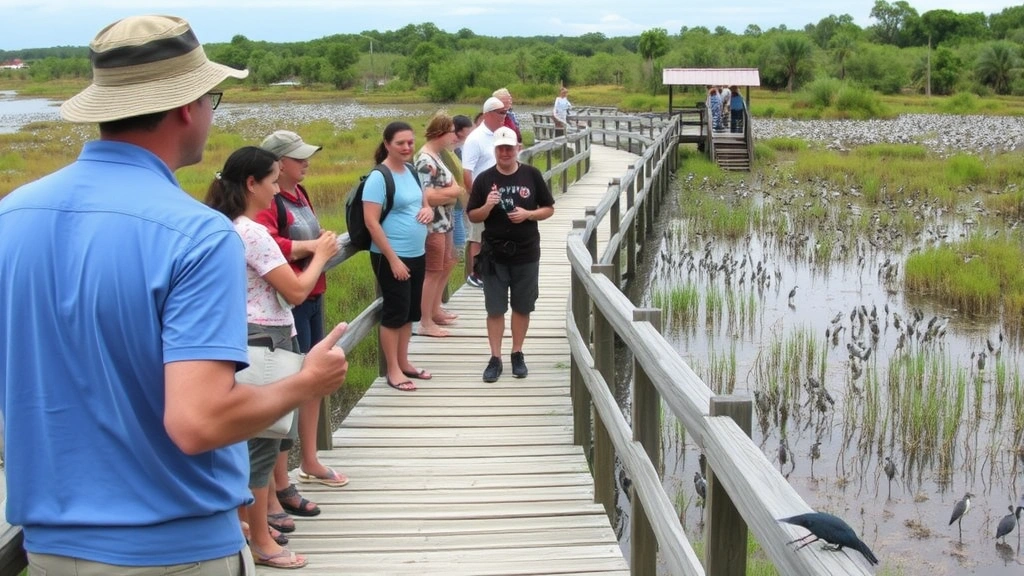
Ecotourism represents a distinct category of tourism that prioritizes natural and cultural experiences while ostensibly maintaining environmental integrity. The staging environment concept refers to the deliberate curation, management, and presentation of natural spaces to enhance visitor experiences—essentially transforming ecosystems into carefully orchestrated economic assets. This practice differs fundamentally from conventional mass tourism, which typically prioritizes visitor volume over environmental preservation.
The staging environment approach involves several key components: infrastructure development (trails, observation points, accommodations), wildlife management strategies, cultural presentation frameworks, and visitor flow regulation. When executed thoughtfully, these interventions can create economic opportunities while maintaining ecological function. However, the process inherently involves trade-offs between authenticity and accessibility, between conservation and commercialization.
According to research published by the World Bank, ecotourism destinations that implement comprehensive staging environment strategies—including visitor quotas, seasonal restrictions, and community-based management—demonstrate stronger long-term economic sustainability than those pursuing unregulated growth. The staging environment framework essentially acknowledges that ecosystems have carrying capacity limits, and that respecting these limits paradoxically enhances economic returns by preserving the natural capital upon which tourism depends.
The human environment interaction inherent in ecotourism creates unique economic dynamics. Unlike extractive industries such as logging or mining, ecotourism theoretically allows ecosystems to generate perpetual economic value through non-destructive use. This fundamental advantage has attracted investment from governments and private enterprises worldwide.
Economic Impact: What Research Reveals
Recent empirical studies present a nuanced picture of ecotourism’s economic contributions. A comprehensive analysis by ecological economics researchers at leading universities examined 47 developing nations’ ecotourism sectors over a 15-year period. Key findings include:
- Revenue Generation: Destinations with well-managed ecotourism infrastructure generate average annual revenues of $8-12 million per site, with premium locations exceeding $50 million annually.
- Employment Creation: Each ecotourism enterprise creates approximately 2.3 permanent jobs and 4.7 seasonal positions per 100 visitors annually, with multiplier effects generating additional indirect employment.
- Foreign Exchange Earnings: Ecotourism contributes 5-15% of total foreign exchange earnings in countries like Costa Rica, Ecuador, and Rwanda, providing critical hard currency for development investments.
- Gross Domestic Product Contribution: In small island developing states, ecotourism can contribute 8-20% of GDP, making it comparable to traditional economic sectors.
The World Bank’s recent economic analysis of nature-based tourism demonstrates that destinations investing in staging environment infrastructure experience GDP growth rates 2-3% higher than regional averages. This finding contradicts earlier assumptions that environmental protection necessarily constrains economic growth—instead suggesting that sustainable management creates competitive advantages in global tourism markets.
However, aggregated economic data masks significant variation in outcomes. Nations implementing comprehensive ecotourism strategies show consistently positive returns, while those treating ecotourism as a secondary economic activity experience volatile and often disappointing results. The difference lies largely in the sophistication of staging environment management and the degree of commitment to sustainable practices.
Research from the International Journal of Ecological Economics highlights that ecotourism’s economic multiplier effect—the cascade of spending through local economies—ranges from 1.4 to 3.2 depending on local supply chain development. Communities that develop integrated ecotourism ecosystems, including local guide services, artisan products, and food provisioning, capture substantially higher percentages of tourism revenue compared to those relying on external operators.
Case Studies of Ecotourism Success
Costa Rica’s Pioneering Model: Costa Rica’s ecotourism sector demonstrates how strategic staging environment practices generate sustained economic benefits. Since the 1990s, Costa Rica has positioned itself as the world’s leading ecotourism destination, with nature-based tourism now accounting for approximately 16% of national GDP and 25% of all export earnings. The nation’s success stems from several factors: comprehensive national parks system (protecting 25% of territory), certification programs for sustainable operations, and integration of indigenous communities into management structures. Annual visitor numbers exceed 3 million, generating over $4.3 billion in direct tourism revenue while maintaining forest coverage of 52%—one of the highest rates in Latin America.
Rwanda’s Conservation-Focused Approach: Rwanda’s mountain gorilla ecotourism exemplifies how staging environment strategies can simultaneously drive economic development and species conservation. Despite its small size and post-conflict status, Rwanda generates approximately $100 million annually from gorilla tourism, with permits selling for $1,500 per person. This high-value, low-impact model limits visitor numbers to 80 individuals per day across four habituated gorilla groups, creating scarcity value while minimizing ecological stress. The government allocates 50% of gorilla tourism revenue to community development in surrounding areas, demonstrating how staging environment practices can facilitate wealth distribution.
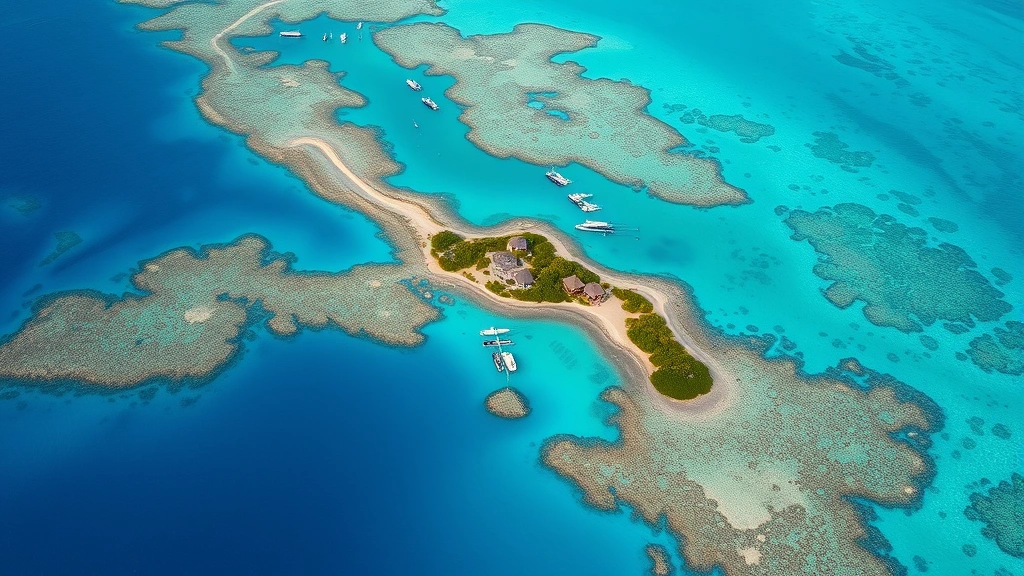
Indonesia’s Marine Ecotourism Growth: Indonesia’s coral reef and marine ecosystem tourism generates over $3 billion annually, supporting approximately 200,000 direct jobs. Destinations like Raja Ampat and Komodo implement sophisticated staging environment protocols, including seasonal closures, visitor quotas, and mandatory use of certified operators. Economic analysis demonstrates that marine protected areas with ecotourism generate 3-4 times higher local incomes than areas open to destructive fishing practices, creating powerful economic incentives for conservation.
Challenges and Economic Trade-offs
Despite ecotourism’s demonstrated economic potential, significant challenges constrain its effectiveness as a development strategy. The staging environment approach, while economically promising, creates several problematic dynamics:
Infrastructure Costs and Capital Requirements: Establishing world-class ecotourism infrastructure requires substantial upfront investment—typically $5-15 million for a mid-sized destination. Developing nations often lack capital reserves for these investments, necessitating external financing that can create debt burdens exceeding projected revenues. The World Bank estimates that 40% of ecotourism projects in sub-Saharan Africa fail to achieve profitability within projected timeframes due to underestimated operational costs and overestimated visitor demand.
Environmental Degradation Paradox: The very act of staging environment for tourism can degrade the ecosystems it purports to protect. Infrastructure development—roads, accommodations, waste management systems—fragments habitats and increases human-wildlife contact. Studies of popular trekking destinations document vegetation loss of 30-50% within high-traffic corridors, soil compaction reducing infiltration by 70%, and behavioral changes in wildlife populations. The staging environment creates a fundamental tension: enhancing visitor access necessarily increases environmental pressure.
Seasonality and Economic Volatility: Ecotourism demand concentrates in specific seasons, creating employment instability and revenue fluctuations. Many destinations experience 70-80% of annual visitors in 4-5 months, leaving infrastructure underutilized and workers unemployed during off-seasons. This volatility complicates long-term economic planning and limits the multiplier effects that would occur with distributed demand.
Market Saturation and Price Sensitivity: As more destinations develop ecotourism sectors, market competition intensifies, pressuring prices downward. Premium destinations commanding $200+ per visitor daily face increasing competition from emerging alternatives charging $50-80 daily. This commodification of ecotourism undermines the economic model that justifies infrastructure investment and conservation expenditures.
Community Benefits and Wealth Distribution
The relationship between ecotourism revenue and community prosperity reveals substantial disparities between theoretical potential and practical outcomes. Research by the United Nations Environment Programme documents that in 60% of developing-world ecotourism destinations, local communities capture less than 15% of total tourism revenue. The remainder flows to international operators, foreign investors, and national governments.
This wealth leakage occurs through several mechanisms. International tour operators retain 40-60% of package prices, while foreign-owned accommodations and transport services capture additional revenue streams. Local communities often participate only as low-wage guides, porters, or service workers, with limited ownership of tourism enterprises. The staging environment approach, when controlled by external interests, essentially converts community lands into externally-managed economic assets with minimal local benefit.
However, community-based ecotourism models demonstrate substantially different outcomes. In destinations where local organizations directly manage tourism operations—through cooperatives, community trusts, or government-mandated local ownership structures—wealth retention improves dramatically. Community-based ecotourism enterprises in East Africa, the Amazon, and Southeast Asia retain 60-75% of revenue locally, with multiplier effects generating additional economic activity. These models require sophisticated governance structures and capacity-building investments, but create durable economic foundations for conservation.
The World Bank’s evaluation of community-based ecotourism initiatives reveals that projects with strong local governance generate average annual household income increases of 150-300%, compared to 20-40% in externally-managed operations. This disparity suggests that the economic case for ecotourism depends critically on institutional arrangements governing revenue distribution and decision-making authority.
Measuring True Economic Value
Conventional economic analyses of ecotourism typically measure direct spending and employment creation, yet these metrics capture only partial value. Comprehensive economic assessment requires incorporating ecological accounting methodologies that quantify ecosystem services preserved through tourism-driven conservation.
Research in ecological economics journals demonstrates that ecotourism’s true economic value includes:
- Ecosystem Service Preservation: Protected areas managed through ecotourism maintain water filtration, climate regulation, and biodiversity conservation services valued at $2,000-8,000 per hectare annually, depending on ecosystem type and location.
- Carbon Sequestration Value: Forest ecosystems preserved through ecotourism remove atmospheric carbon, generating climate mitigation value of $15-50 per ton CO₂ equivalent. A 100,000-hectare protected area sequesters approximately 50,000 tons annually, equivalent to $750,000-2.5 million in climate services.
- Pharmaceutical and Genetic Resources: Biodiverse ecosystems contain species with potential pharmaceutical applications. The commercial value of genetic resources in protected areas, while speculative, potentially exceeds direct tourism revenue by orders of magnitude.
- Resilience and Adaptation Value: Intact ecosystems provide resilience against climate impacts, reducing disaster response costs and enabling community adaptation. This value, though difficult to quantify precisely, substantially exceeds direct economic benefits.
When ecological accounting incorporates these broader values, ecotourism’s economic case strengthens dramatically. A comprehensive cost-benefit analysis of Costa Rican protected areas demonstrates that ecosystem service values exceed direct tourism revenue by 2-4 times, suggesting that even modest tourism revenues justify significant conservation investments from purely economic perspectives.
However, this accounting approach requires policy frameworks that assign economic value to ecosystem services—mechanisms like payment for ecosystem services (PES) schemes that are underdeveloped in most developing nations. Without such frameworks, ecosystem values remain economically invisible, potentially leading to suboptimal conservation and development decisions.
Future Prospects and Policy Recommendations
Maximizing ecotourism’s economic potential while minimizing environmental and social risks requires strategic policy interventions and management innovations. Evidence-based recommendations include:
Strengthening Staging Environment Standards: Governments should establish and enforce comprehensive staging environment protocols specifying visitor quotas, infrastructure standards, and ecological impact thresholds. These standards should be science-based, derived from ecological carrying capacity assessments rather than revenue maximization objectives. The integration of carbon footprint reduction strategies into ecotourism operations can enhance both environmental and economic sustainability.
Community-Based Governance Models: Policy frameworks should mandate local community participation in decision-making, with minimum ownership requirements (30-50%) and revenue-sharing agreements. Capacity-building investments in community organizations enable sophisticated management and equitable benefit distribution. Nations implementing such requirements—including Nepal, Namibia, and several Pacific Island nations—demonstrate superior economic and conservation outcomes compared to externally-managed alternatives.
Diversification and Deseasoning Strategies: Destinations should develop complementary tourism products extending seasonality and stabilizing employment. This might include cultural tourism, educational programs, research tourism, and wellness activities that appeal to different visitor segments and distribute demand throughout the year. Diversification reduces economic volatility while spreading environmental pressure more evenly.
Technology Integration and Monitoring: Advanced monitoring technologies—satellite imagery, acoustic sensors, environmental DNA sampling—enable real-time assessment of ecological impacts and visitor management optimization. Implementing technology-enabled adaptive management allows destinations to adjust staging environment parameters based on observed ecological responses rather than static protocols.
Integration with Broader Conservation Finance: Ecotourism should be positioned within comprehensive conservation financing frameworks including government budgets, international climate finance, biodiversity conservation funds, and payment for ecosystem services schemes. This diversified approach reduces dependence on tourism revenues and enables conservation investments during tourism downturns.
The International Institute for Sustainable Development has documented that destinations integrating ecotourism with broader conservation finance mechanisms achieve more resilient economic outcomes and stronger ecological protection than tourism-dependent approaches.
Addressing Carbon Footprints: The climate impact of tourism transportation—particularly international flights—can offset conservation benefits. Implementing carbon offset requirements, promoting regional tourism, and developing carbon-neutral accommodation options can enhance net environmental benefits. Sustainable supply chain practices throughout tourism operations similarly enhance overall sustainability.
Certification and Transparency Standards: International certification programs (Green Globe, Rainforest Alliance, EarthCheck) establish baseline sustainability standards while providing market differentiation for high-performing operators. Strengthening these programs and linking certification to market access creates economic incentives for genuine sustainability rather than superficial greenwashing.
Looking forward, ecotourism will likely evolve toward higher-value, lower-volume models emphasizing immersive experiences, scientific engagement, and cultural exchange over mass-market recreation. This evolution, if managed strategically, could enhance both economic returns and conservation outcomes. Destinations that successfully balance visitor access with ecological protection—through sophisticated staging environment management, community engagement, and ecosystem service valuation—will command premium market positioning and generate sustained prosperity.
The evidence increasingly demonstrates that ecotourism can boost economies substantially, but only when implemented through comprehensive strategies addressing staging environment management, community benefit distribution, and ecological monitoring. The question is not whether ecotourism can drive economic growth, but rather whether nations and communities will implement the governance frameworks and management practices necessary to realize its potential while protecting the ecosystems upon which it depends.
FAQ
How much revenue can ecotourism generate for developing countries?
Ecotourism contributes $600 billion annually to the global economy according to UNEP. Individual destinations generate $8-12 million annually on average, with premium locations exceeding $50 million. Ecotourism can contribute 5-20% of national GDP for countries like Costa Rica, Ecuador, and Rwanda, providing critical economic diversification and foreign exchange earnings.
What is staging environment and why does it matter for ecotourism economics?
Staging environment refers to the deliberate management and presentation of natural spaces to enhance visitor experiences while maintaining ecological integrity. It matters economically because it acknowledges ecosystem carrying capacity limits—respecting these limits paradoxically enhances long-term economic returns by preserving the natural capital upon which tourism depends. Strategic staging prevents the environmental degradation that would undermine the tourism product itself.
Does ecotourism actually protect ecosystems?
Ecotourism can protect ecosystems when properly managed, but infrastructure development and visitor pressure create genuine environmental costs. Success depends on implementing visitor quotas, seasonal restrictions, habitat protection protocols, and community-based management. Research shows that well-managed ecotourism destinations maintain ecological function while generating substantial revenue, but poorly managed operations can degrade the ecosystems they purport to protect.
How much of ecotourism revenue reaches local communities?
Local communities capture less than 15% of total tourism revenue in 60% of developing-world destinations, with the remainder flowing to international operators and foreign investors. However, community-based ecotourism models where local organizations directly manage operations retain 60-75% of revenue locally, generating 150-300% household income increases compared to 20-40% in externally-managed operations.
What are the main challenges preventing ecotourism from achieving its economic potential?
Key challenges include high infrastructure costs ($5-15 million for mid-sized destinations), seasonal demand concentration causing employment volatility, market saturation pressuring prices downward, environmental degradation from staging environment development, and wealth leakage to international operators. Addressing these challenges requires strong governance, community participation, ecological monitoring, and integration with broader conservation finance mechanisms.
How can destinations measure ecotourism’s true economic value?
Comprehensive measurement requires incorporating ecological accounting that quantifies ecosystem services preserved through conservation. True value includes direct tourism spending, employment creation, ecosystem service preservation ($2,000-8,000 per hectare annually), carbon sequestration value ($750,000-2.5 million for large protected areas), and climate resilience benefits. Ecological accounting typically shows ecosystem service values exceeding direct tourism revenue by 2-4 times.


