Environment’s Role in Economy: Scientific Insight
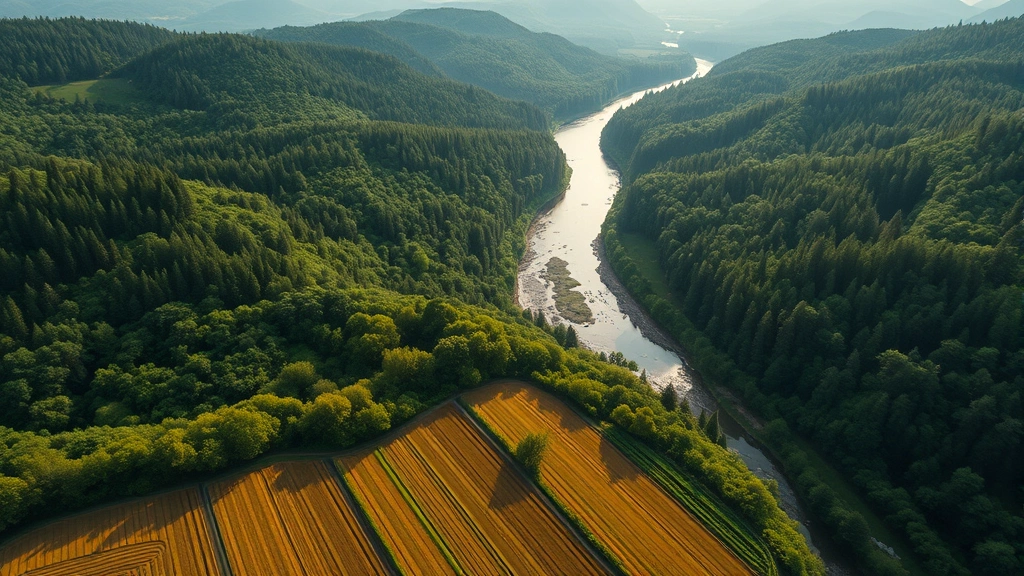
The phrase “you are who you are because of your environment” transcends individual psychology—it fundamentally describes economic systems, market structures, and societal prosperity. Environmental conditions shape economic outcomes through resource availability, climate stability, ecosystem services, and spatial geography. Scientific evidence increasingly demonstrates that environmental degradation directly reduces economic productivity, while ecosystem restoration generates measurable financial returns. This intersection of environmental science and economic theory reveals that sustainable development isn’t merely an ethical imperative but an economic necessity.
Modern economies are embedded within natural systems, yet conventional economic models often treat the environment as an external factor rather than a foundational pillar. When we examine historical economic development, we discover that civilizations thriving near abundant freshwater, fertile soils, and stable climates accumulated wealth faster than those in resource-constrained regions. Today, this relationship persists: nations with robust environmental governance and biodiversity protection report higher long-term GDP growth, lower poverty rates, and greater economic resilience compared to those experiencing rapid ecological collapse.
Ecosystem Services as Economic Foundation
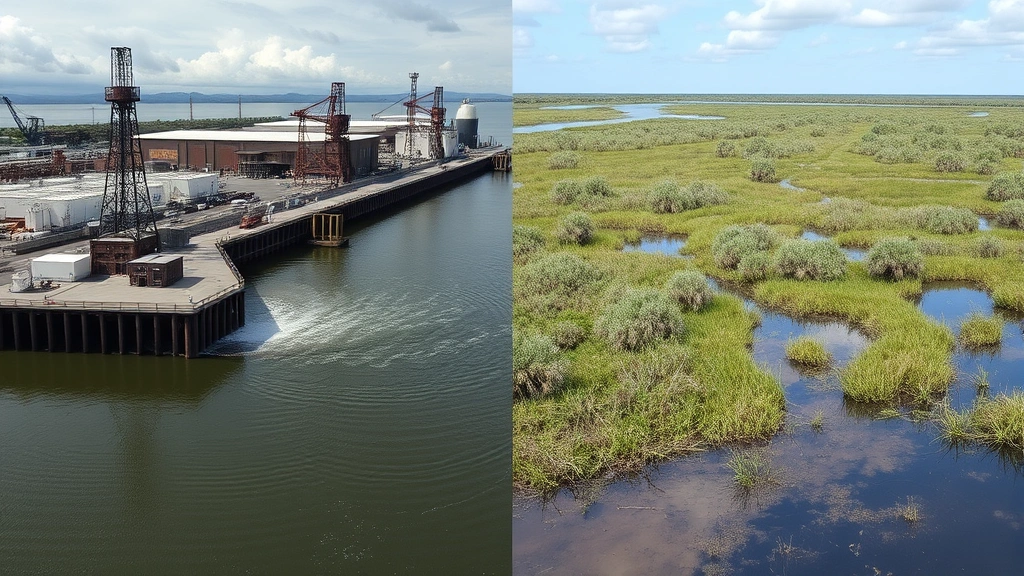
Ecosystem services—the benefits humans derive from natural systems—generate an estimated $125-145 trillion annually in global economic value. These services include pollination, water filtration, carbon sequestration, flood regulation, and nutrient cycling. Despite their enormous value, most economic accounting systems assign zero monetary worth to these services until they’re disrupted. A river’s water purification capacity, for instance, provides services worth thousands of dollars per hectare annually, yet remains invisible in national GDP calculations.
The environment and environmental science increasingly document how ecosystem collapse triggers cascading economic failures. When coral reefs degrade, fishing communities lose income, tourism revenue disappears, and coastal protection vanishes—costs exceeding billions for island nations. Similarly, agricultural productivity depends entirely on pollinator populations; the economic value of pollination services globally reaches $15-20 billion annually, yet 40% of pollinator species face extinction. UNEP research demonstrates that investing in ecosystem restoration generates economic returns of 7-30 times the initial investment through restored services.
Understanding human environment interaction reveals that economies function as subsystems within ecological systems, not the reverse. This paradigm shift—recognizing biophysical limits—transforms how we evaluate economic policies. Carbon sequestration by forests, for example, prevents atmospheric CO₂ accumulation that would otherwise cost economies trillions in climate damages. Yet conventional GDP accounting treats forest preservation as economically neutral until timber is harvested.
Environmental Capital and Wealth Accounting
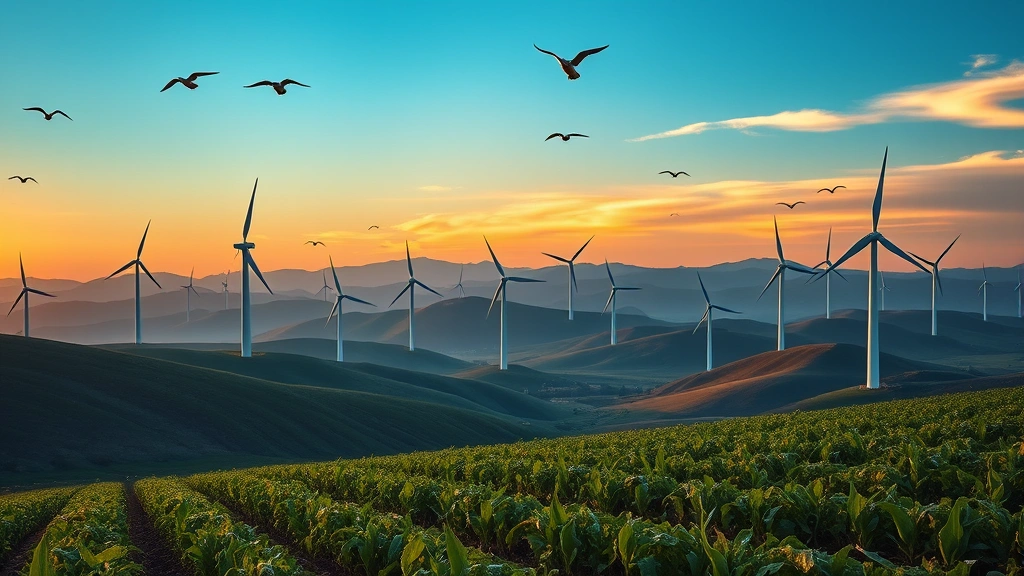
Wealth extends beyond financial and human capital to encompass natural capital—the stock of environmental assets generating flows of ecosystem services. Countries with declining natural capital (depleted fisheries, degraded soils, deforestation) experience hidden economic contraction masked by rising GDP. The World Bank’s Genuine Progress Indicator adjusts GDP for environmental degradation, revealing that many rapidly developing nations experience negative wealth accumulation despite positive GDP growth.
Indonesia exemplifies this paradox: nominal GDP grew 5-6% annually while natural capital declined 2-3% yearly due to forest loss, fishery depletion, and soil degradation. Adjusted for environmental accounting, true economic growth was negligible or negative. This distinction matters profoundly for long-term prosperity. Nations managing natural capital sustainably—Costa Rica, Bhutan, and Nordic countries—demonstrate that environmental protection correlates with stable, resilient economies and superior quality-of-life metrics.
Environmental economics research from leading scientific journals quantifies natural capital depreciation across sectors. Agricultural soils lose productivity worth $400 billion annually through erosion and nutrient depletion. Fisheries lose $80 billion yearly from overharvesting. Groundwater depletion costs $600 billion in irrigation-dependent regions. These aren’t externalities—they’re direct wealth destruction measurable in balance sheets.
Climate Stability and Economic Productivity
Climate represents the ultimate environmental factor shaping economic outcomes. Temperature stability, precipitation patterns, and extreme weather frequency determine agricultural yields, energy costs, infrastructure durability, and labor productivity. The climate system’s current destabilization imposes escalating economic costs: extreme weather damages exceed $300 billion annually and accelerate. Heat stress reduces labor productivity by 10-15% in affected regions. Crop failures trigger commodity price spikes affecting food security globally.
The economic calculus favors rapid decarbonization. Delaying climate action by one decade increases mitigation costs 30-40% and compounds adaptation expenses exponentially. Conversely, renewable energy deployment, energy efficiency improvements, and reforestation generate immediate economic benefits: job creation, energy cost reduction, air quality improvement, and health benefits. Studies from ecological economics research centers demonstrate that climate-positive policies yield net economic benefits of $4-6 per dollar invested when accounting for avoided damages and co-benefits.
Economic modeling reveals climate tipping points beyond which recovery becomes impossible regardless of investment. If Atlantic Meridional Overturning Circulation collapses, European economies face $10+ trillion in cumulative damages. Permafrost thaw unleashes carbon feedback loops costing economies trillions in abrupt climate adjustment. These non-linear risks demand precautionary economic policy prioritizing climate stabilization over short-term growth maximization.
Resource Scarcity and Market Dynamics
Environmental constraints increasingly shape market prices and economic competitiveness. Freshwater scarcity affects 4 billion people, constraining agricultural production and industrial capacity. Rare earth mineral concentration in geopolitically sensitive regions creates economic vulnerabilities for technology-dependent economies. Soil degradation threatens food security for 2 billion people dependent on degraded agricultural land. These environmental limits directly determine economic potential and competitive advantage.
Strategies to reduce carbon footprint simultaneously improve economic efficiency and resource security. Circular economy models—minimizing waste and maximizing material reuse—reduce costs while lowering environmental impact. Companies implementing resource efficiency measures report 15-25% cost reductions alongside emissions decreases. Renewable energy adoption insulates economies from volatile fossil fuel markets, improving price stability and predictability for long-term planning.
Resource-constrained economies increasingly adopt bioeconomy models converting renewable biological resources into value-added products. This transition requires environmental stability—functional ecosystems producing biomass sustainably. Nations investing in agricultural innovation, forestry management, and aquaculture within ecological limits build competitive advantages in growing green markets. Conversely, resource-depleting economies face rising input costs, reduced productivity, and declining competitiveness.
Biodiversity Loss and Economic Costs
Biodiversity underpins ecosystem resilience and economic stability. Genetic diversity in crops ensures adaptation to changing conditions; species diversity in natural communities provides functional redundancy preventing complete service collapse. Yet current extinction rates exceed background rates 100-1000 times, eliminating evolutionary options and ecosystem insurance. The economic cost of biodiversity loss reaches $2-5 trillion annually through lost ecosystem services, reduced agricultural productivity, and increased disease transmission.
Pharmaceutical industry dependence on natural compounds illustrates biodiversity’s economic value: 40% of pharmaceutical sales derive from natural product-inspired drugs, generating $200+ billion annually. Extinction of species we haven’t yet studied eliminates potential medical breakthroughs and economic opportunities worth billions. Agricultural productivity depends on maintaining wild relatives of crop species for breeding disease-resistant and climate-adapted varieties—genetic resources worth trillions that vanish with habitat destruction.
Pollinator decline exemplifies biodiversity loss economics: honeybee colony collapse disorder costs agriculture $5.7 billion annually in lost pollination services. Wild pollinator populations provide additional pollination valued at $10+ billion yearly. Yet habitat loss, pesticide use, and climate change reduce pollinator populations 25-45% across regions. Economic modeling suggests continued pollinator decline could reduce global crop productivity 5-8% within decades, triggering food insecurity and price volatility affecting billions.
Environmental Policy as Economic Stimulus
Evidence increasingly supports environmental protection as economically productive investment rather than costly regulation. Green infrastructure—wetlands for flood control, forests for water filtration, mangroves for coastal protection—provides services at 50-80% lower cost than engineered alternatives while generating co-benefits (habitat, recreation, carbon storage). Investment in renewable energy, efficiency retrofits, and ecosystem restoration creates jobs faster than fossil fuel industries while building long-term economic resilience.
The blog resources on environmental economics document case studies showing environmental policies stimulate innovation and competitiveness. Denmark’s wind energy sector employs 30,000 people and generates €7 billion annually in exports. Costa Rica’s payment for ecosystem services program protects forests while providing farmers sustainable income. China’s ecological restoration programs employ millions while reducing desertification and improving water security. These aren’t trade-offs between environment and economy—they’re complementary investments.
Environmental taxation and carbon pricing mechanisms internalize costs currently externalized to society and future generations. Carbon taxes ranging $50-100 per ton incentivize rapid decarbonization while generating government revenue for transition support. Plastic taxes reduce pollution while encouraging circular economy innovation. Pollution charges on industrial emissions fund cleanup and drive technological advancement. Economic modeling demonstrates that revenue-neutral environmental taxation—combining pollution taxes with income tax reductions—maintains economic growth while improving environmental outcomes.
The transition to sustainable economies requires deliberate policy but generates net economic benefits. Estimates suggest global GDP grows 2-3% faster over 50 years with aggressive climate and biodiversity policies compared to business-as-usual scenarios, while avoiding catastrophic losses exceeding 10-15% GDP in later decades. This temporal shift—accepting modest near-term investments for massive long-term gains—represents rational economic decision-making grounded in environmental science.
FAQ
How do ecosystem services translate into measurable economic value?
Ecosystem services generate economic value through multiple channels: direct market value (timber, fish, agricultural products), replacement cost (cost of engineered alternatives), and avoided damage cost (flood prevention, water purification, disease regulation). Valuation methods include market pricing, hedonic pricing (property value differences reflecting environmental quality), contingent valuation (willingness to pay surveys), and ecosystem service modeling. While imperfect, these methods reveal ecosystem services generate trillions annually, dwarfing costs of protection.
Why do environmental factors receive insufficient weight in economic policy?
Conventional economic models treat environment as external to economic systems, not foundational. Environmental benefits (clean air, stable climate, biodiversity) lack market prices, rendering them economically invisible in GDP accounting. Discounting future benefits undervalues long-term environmental protection. Political economy factors—fossil fuel industry influence, short-term electoral cycles, capital concentration in extraction industries—create policy biases favoring immediate extraction over sustainable management. Reforming national accounting systems and extending political planning horizons would rebalance policy toward environmental sustainability.
Can economies grow indefinitely within finite environmental systems?
Physical constraints limit absolute economic growth measured in material throughput, but qualitative growth (efficiency, knowledge, services) can continue indefinitely. Decoupling GDP growth from resource consumption and emissions is theoretically possible and partially achieved in some nations. However, global decoupling remains insufficient—rising consumption in developing nations outpaces efficiency gains in developed economies. Ultimately, economies must operate within biophysical limits, requiring transition to steady-state models emphasizing well-being, equity, and sustainability over GDP maximization.
What economic evidence supports environmental protection over extraction?
Comprehensive cost-benefit analyses consistently show environmental protection generates net economic benefits. Forest conservation provides greater long-term value than timber extraction through carbon storage, water regulation, and biodiversity. Fishery protection through marine reserves increases catches and economic returns compared to open-access depletion. Soil conservation maintains agricultural productivity worth billions annually. Renewable energy deployment reduces energy costs and price volatility compared to fossil fuels. These aren’t marginal benefits—environmental protection frequently generates returns 5-10 times protection costs.
How should environmental capital be incorporated into economic accounting?
Nations should adopt integrated environmental-economic accounting systems valuing natural capital alongside financial and human capital. This requires: establishing baseline environmental asset inventories, measuring annual changes in stocks and flows, assigning monetary values using scientifically defensible methods, and incorporating environmental accounts into national income accounting. The UN System of Environmental-Economic Accounting (SEEA) provides standardized frameworks. Implementation would reveal true economic growth, guide policy toward sustainability, and enable long-term planning based on realistic resource constraints and wealth trajectories.


