
Economic Growth vs. Ecosystem Health: Study Insights
The tension between economic expansion and environmental preservation has become one of the most pressing challenges of our time. For decades, policymakers have operated under the assumption that robust GDP growth and ecosystem health operate on opposing trajectories—a zero-sum game where prosperity comes at nature’s expense. However, emerging research from ecological economists and environmental scientists suggests this dichotomy may be far more nuanced than previously understood.
Recent comprehensive studies reveal that the relationship between economic activity and ecosystem degradation is not inevitable but rather contingent upon the specific mechanisms through which growth occurs, the regulatory frameworks governing resource extraction, and our willingness to internalize environmental costs into economic calculations. This exploration examines the latest research findings, their implications for policy, and pathways toward genuine sustainability that neither sacrifices human welfare nor planetary boundaries.
The Traditional Growth Paradigm and Its Environmental Costs
The post-World War II economic model prioritized GDP expansion as the primary measure of national success. This framework, rooted in Keynesian economics and modernization theory, treated natural resources as infinite inputs available for unlimited extraction and exploitation. The environmental costs of this approach became increasingly visible during the latter half of the twentieth century—from atmospheric pollution in industrialized cities to the depletion of fisheries and tropical forests.
Research compiled by the World Bank demonstrates that countries pursuing maximum GDP growth without environmental constraints experienced average ecosystem service losses valued at 4-6% of their GDP annually. These losses encompass pollination services, water purification, carbon sequestration, and climate regulation provided by natural systems at no monetary cost to producers.
The fundamental problem with this model lies in what economists term “negative externalities”—costs imposed on society and the environment that are not reflected in market prices. When a manufacturing facility pollutes a river, the company avoids the cleanup costs, effectively transferring this burden to downstream communities, agricultural users, and future generations. This market failure creates a systematic bias toward environmental degradation.
Understanding this dynamic requires examining the definition of environment and environmental science through an economic lens. The environment is not merely a scenic backdrop to economic activity but rather the fundamental biophysical substrate upon which all economic systems depend. Environmental science reveals the intricate feedback mechanisms—tipping points, cascading failures, and non-linear responses—that conventional economics often ignores.
The 2021 Dasgupta Review, commissioned by the UK government, quantified the scale of this challenge: natural capital depreciation across the global economy exceeds $2 trillion annually. This represents wealth destruction occurring invisibly within standard economic accounts, as we liquidate natural assets to inflate current GDP figures.
Decoupling Economic Growth from Environmental Degradation
A transformative concept has emerged from ecological economics research: the possibility of absolute decoupling, where economic growth proceeds while environmental impacts decline. This differs from relative decoupling, where environmental damage still increases but at a slower rate than economic expansion.
Evidence for absolute decoupling exists but remains geographically concentrated. Denmark, Costa Rica, and several Scandinavian nations have achieved GDP growth of 2-4% annually while simultaneously reducing carbon emissions, improving air quality, and expanding forest cover. These successes share common characteristics: substantial investment in renewable energy infrastructure, stringent environmental regulations with enforcement mechanisms, and explicit valuation of ecosystem services in policy decisions.
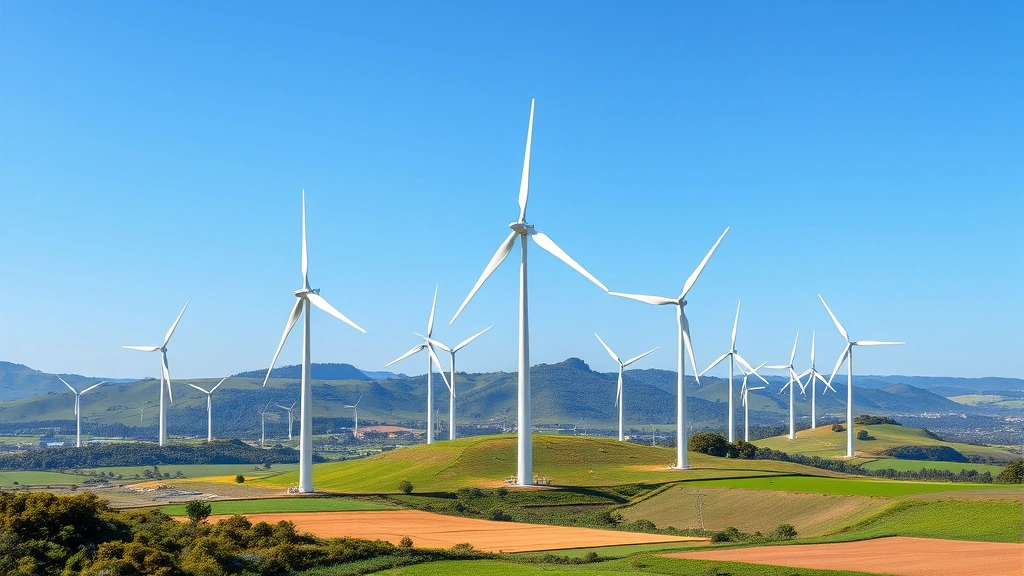
The mechanisms enabling decoupling include technological innovation, structural economic shifts, and behavioral change. Renewable energy technologies have declined in cost by 90% for solar and 70% for wind over the past decade, making clean energy economically competitive without subsidies in many markets. Simultaneously, wealthy economies have shifted toward service-based sectors with lower material intensity than manufacturing.
However, research from the United Nations Environment Programme emphasizes a critical caveat: much apparent decoupling in wealthy nations reflects outsourcing of production to lower-income countries. When accounting for consumption-based emissions (attributing environmental impacts to the final consumer rather than the producer), decoupling becomes far less evident. This highlights the interconnected nature of global supply chains and the danger of measuring progress through narrow geographical boundaries.
True decoupling requires addressing the rebound effect—the tendency for efficiency gains to stimulate increased consumption. When vehicles become more fuel-efficient, lower driving costs encourage additional travel, partially offsetting environmental benefits. Achieving genuine decoupling demands complementary policies that cap absolute resource extraction while allowing efficiency improvements to benefit consumers through lower prices and improved services rather than increased throughput.
The human environment interaction fundamentally shapes these decoupling pathways. Behavioral economics reveals that individuals rarely make purely rational consumption choices based on price signals alone. Cultural values, social norms, and institutional structures powerfully influence resource use patterns. Decoupling strategies that work with these psychological and social realities—through choice architecture, social proof, and community engagement—prove more effective than those relying solely on market mechanisms.
Ecosystem Services and Economic Valuation
The field of ecological economics has developed sophisticated frameworks for quantifying ecosystem services—the benefits humans derive from natural systems. These include provisioning services (food, water, materials), regulating services (climate, water purification, pollination), supporting services (nutrient cycling, soil formation), and cultural services (recreation, spiritual value, aesthetic appreciation).
The challenge lies in translating these services into monetary terms without reducing their intrinsic value or creating perverse incentives. A forest possesses value as a carbon sink, a watershed, a habitat, a source of timber, and a source of cultural meaning—often simultaneously and to different stakeholders. Assigning a single price risks treating these diverse values as fungible and negotiable.
Recent studies published in Ecological Economics and Nature Sustainability journals demonstrate that ecosystem service valuation, when conducted carefully, can illuminate hidden economic benefits of conservation. Wetland restoration projects that cost $50,000-100,000 per hectare generate estimated benefits of $150,000-300,000 annually through flood mitigation, water purification, and fishery support. These calculations show that conservation often represents superior long-term economic investment compared to conversion to agriculture or development.
The World Bank’s Natural Capital Accounting initiative seeks to integrate ecosystem services into national accounting systems, creating adjusted net savings measures that subtract natural capital depreciation from GDP. Countries implementing these frameworks gain clearer pictures of true economic progress. For instance, Indonesia’s adjusted net savings often run 2-3 percentage points below reported GDP growth, revealing the hidden costs of deforestation and resource depletion.
Valuation methodologies include market-based approaches (revealed preference through actual transactions), contingent valuation (surveying willingness to pay), hedonic pricing (inferring values from property prices), and benefit transfer (applying values from studied ecosystems to similar unstudied systems). Each approach carries limitations and potential biases, underscoring the importance of triangulation across multiple methods.
Case Studies: Nations Leading the Sustainability Transition
Examining specific national experiences illuminates pathways toward reconciling growth and environmental protection. Costa Rica presents a compelling example, achieving the paradoxical outcome of increasing forest cover while maintaining 4% average annual GDP growth from 1990-2020.
Costa Rica’s success rested on several policy pillars: payment for ecosystem services programs compensating landowners for forest conservation at rates exceeding agricultural returns; aggressive renewable energy investment (99% of electricity from renewables by 2021); ecotourism development creating economic incentives for forest preservation; and constitutional recognition of environmental rights. These policies transformed forests from liabilities (requiring clearing for agricultural value) into assets generating income through conservation.
Germany’s Energiewende (energy transition) demonstrates decoupling in a wealthy, industrialized context. Despite phasing out nuclear power and reducing coal usage, Germany maintained economic growth while cutting emissions 40% since 1990. This required massive renewable energy investment ($300+ billion), grid modernization, energy efficiency improvements, and behavioral shifts toward lower-consumption lifestyles among portions of the population.
Rwanda’s green growth strategy, documented in World Bank case studies, illustrates approaches in lower-income contexts. Facing severe deforestation and agricultural decline, Rwanda implemented reforestation programs, sustainable agriculture practices, and renewable energy expansion. Remarkably, forest cover increased from 18% to 27% of national territory between 2000-2020 while per capita income nearly tripled.
However, these successes contain important caveats. Costa Rica’s forest recovery reflects partly the abandonment of marginal agricultural lands as farmers migrated to urban areas or shifted to higher-value crops. Germany’s emissions reductions partially reflect deindustrialization and offshoring of manufacturing. Rwanda’s achievements, while genuine, emerged from post-conflict recovery dynamics that may not replicate in other contexts.
Strategies for reducing your carbon footprint at individual and organizational levels provide complementary approaches to national policy frameworks. When aggregated across millions of actors, behavioral changes create market signals and political pressure supporting systemic transitions.
The Role of Policy and Market Mechanisms
Economic theory suggests that properly designed policies can align private incentives with social welfare, enabling growth compatible with environmental protection. The primary policy instruments include carbon pricing (taxes or cap-and-trade systems), regulatory standards, tradeable permits, and incentive programs.
Carbon pricing mechanisms represent the most economically efficient approach to internalizing climate costs. By setting a price on greenhouse gas emissions—whether through carbon taxes or cap-and-trade systems—policymakers create financial incentives for emissions reductions while allowing flexibility in how entities achieve targets. The European Union Emissions Trading System, despite imperfections, has driven emissions reductions in covered sectors at costs substantially below early projections.
However, carbon pricing faces political obstacles and economic limitations. Setting the correct price requires estimating the social cost of carbon—the present-value damage from an additional ton of emissions. Estimates range from $50-$300 per ton, introducing enormous uncertainty into policy design. Additionally, carbon pricing alone cannot address non-climate environmental issues like biodiversity loss, water pollution, or soil degradation.
Regulatory approaches, while potentially less economically efficient than pricing, offer political durability and address multiple environmental concerns simultaneously. Fuel efficiency standards for vehicles, emission limits for industrial facilities, and protected area designations create certainty and prevent environmental degradation regardless of economic conditions. The Clean Air Act in the United States, despite its economic costs, generated estimated health benefits exceeding $30 for every dollar spent on compliance.
Subsidy reform represents an underutilized policy lever. Global fossil fuel subsidies exceed $5 trillion annually when including environmental costs, while renewable energy subsidies total roughly $150 billion. Reallocating these resources would accelerate energy transitions while improving fiscal balances in many nations. Yet subsidy reform faces fierce political opposition from incumbent industries and constituencies benefiting from current arrangements.
Market-based conservation mechanisms, such as payment for ecosystem services and biodiversity offsets, harness economic incentives for environmental protection. The concept of sustainable fashion brands demonstrates how market mechanisms can drive environmental improvements across supply chains when consumers reward sustainable practices and companies internalize environmental costs.
Payment for ecosystem services programs, operating in over 50 countries, compensate landowners for conservation activities—forest protection, wetland restoration, agricultural practices supporting biodiversity. These programs work most effectively when payment levels exceed the opportunity cost of alternative land uses and when monitoring ensures genuine environmental additionality.
Biodiversity offsets, where developers compensate for environmental damage by funding conservation elsewhere, remain controversial. Critics argue they enable destruction of irreplaceable ecosystems while funding often-ineffective conservation projects elsewhere. Proponents counter that offsets enable development while generating funding for conservation that might otherwise not occur. Evidence suggests outcomes depend heavily on implementation quality and baseline conditions.
Challenges in Measuring True Economic Progress
Perhaps the deepest challenge in reconciling growth and environmental health involves measurement. GDP, despite well-documented limitations, remains the dominant metric guiding policy decisions. GDP counts environmental destruction as economic gain—logging an old-growth forest increases GDP through timber sales without deducting the loss of the forest itself. This accounting framework systematically biases policy toward short-term extraction over long-term sustainability.
Alternative metrics attempt to capture more complete pictures of societal progress. The Genuine Progress Indicator (GPI) adjusts GDP for environmental degradation, resource depletion, income distribution, and non-market activities like caregiving. Countries calculating GPI often find their economic progress substantially lower than reported GDP growth, particularly when accounting for environmental costs.
The Inclusive Wealth Index, developed by the United Nations, measures changes in productive capital stocks—manufactured capital, human capital, and natural capital. This framework reveals that some apparently growing economies are actually experiencing wealth decline when natural capital losses exceed gains in other forms of capital.
Bhutan’s adoption of Gross National Happiness as its primary development metric represents a bold alternative to GDP-focused accounting. While Bhutan continues pursuing economic growth, explicit constitutional provisions require that development benefit the environment and culture, not merely expand economic output. This framework has influenced policy toward sustainable tourism, organic agriculture, and forest conservation.
The challenge in implementing alternative metrics involves political economy. GDP figures are easily calculated, widely understood, and useful for international comparisons. Alternative metrics require more complex calculations, face methodological debates, and resist simple interpretation. Policymakers accustomed to GDP-focused decision-making often resist adopting new frameworks, even when these frameworks provide more accurate representations of progress.
Research from ecological economics institutes emphasizes that no single metric can capture the multidimensional nature of sustainability. Societies require dashboards of indicators spanning environmental, economic, and social dimensions. The Sustainable Development Goals framework, while imperfect, represents an attempt to move beyond single-metric thinking toward comprehensive assessment of progress.
Achieving compatibility between growth and ecosystem health requires fundamentally reconceiving what we mean by economic progress. Rather than maximizing output regardless of composition, sustainable economies optimize for human wellbeing within planetary boundaries. This may involve lower material throughput but potentially higher quality of life through improved health, stronger communities, and preserved natural systems for future generations.

FAQ
Can economies grow indefinitely while maintaining ecosystem health?
Absolute decoupling of growth from environmental impact remains possible within planetary boundaries, but only through dramatic shifts in economic structure, technology, and consumption patterns. Wealthy nations may achieve modest growth (1-2% annually) while improving environmental conditions, but global perpetual growth at historical rates appears thermodynamically impossible. Future growth must emphasize quality over quantity—expanding services, experiences, and knowledge rather than material throughput.
What role do developing nations play in growth-environment tradeoffs?
Developing nations face acute dilemmas: poverty reduction often requires economic expansion, yet following wealthy nations’ historical development pathways would exceed planetary boundaries. However, developing countries can leapfrog to sustainable technologies without building fossil fuel infrastructure. Wealthy nations bear responsibility for financing this transition and consuming less to create ecological space for development in poorer countries.
How can businesses align profit motives with ecosystem protection?
Businesses can capture value from ecosystem protection through renewable energy adoption reducing energy costs, waste reduction improving efficiency, ecosystem service payments generating revenue, and premium pricing for sustainable products. However, voluntary action proves insufficient—regulatory frameworks establishing minimum standards ensure competitive fairness and prevent race-to-the-bottom dynamics where companies compete by externalizing environmental costs.
What technological innovations most promise growth-environment compatibility?
Renewable energy technologies, energy storage, precision agriculture, circular economy manufacturing, and carbon capture technologies offer significant potential. However, technology alone cannot solve sustainability challenges—technological fixes without consumption reduction and systemic change merely delay inevitable ecological limits. Technology works best complementing policy reforms and behavioral shifts.
How do ecosystem services valuations influence policy decisions?
Monetizing ecosystem services makes environmental protection economically visible, enabling cost-benefit analyses comparing conservation against development. Yet monetization risks reducing nature to commodities and enabling trade-offs between irreplaceable ecosystems and financial compensation. Most effective policies combine ecosystem service valuation with regulatory protections preventing conversion of critical ecosystems regardless of monetary calculations.
Which nations demonstrate successful growth-environment integration?
Costa Rica, Denmark, and Rwanda exemplify different pathways toward compatibility. Costa Rica emphasizes conservation-based development, Denmark focuses on renewable energy and efficiency, while Rwanda demonstrates post-conflict recovery with environmental sustainability. However, each success reflects specific historical, geographical, and political contexts that resist simple replication elsewhere.


