Building an Inclusive Economy: A Research Focus on Environmental Integration
The concept of an inclusive economy has emerged as a critical framework for addressing systemic inequalities while simultaneously tackling environmental degradation. Unlike traditional economic models that prioritize growth metrics alone, an inclusive economy recognizes that sustainable prosperity depends on equitable resource distribution, environmental stewardship, and the participation of marginalized communities in economic decision-making. This research-driven approach integrates ecological principles with economic policy, creating pathways where environmental protection and social equity reinforce rather than contradict each other.
Building an inclusive economy requires fundamental shifts in how we measure progress, allocate resources, and design institutions. The World Bank and leading economic institutions increasingly acknowledge that environmental degradation disproportionately affects low-income populations, creating a vicious cycle of poverty and ecosystem collapse. By centering inclusivity in economic frameworks, policymakers can address both the root causes of inequality and environmental destruction simultaneously, creating what researchers call the “dual dividend” of sustainable development.

Understanding Inclusive Economic Frameworks
An inclusive economy extends beyond traditional poverty reduction measures to encompass systemic participation in wealth creation and environmental governance. Research from the World Bank’s Inclusive Growth Initiative demonstrates that economies achieving sustainable development share common characteristics: broad-based opportunity creation, equitable access to resources, and institutional frameworks that amplify marginalized voices. The inclusive environment concept specifically addresses how economic structures can simultaneously protect natural systems and ensure human dignity across all socioeconomic strata.
The theoretical foundation rests on recognizing that environmental goods—clean air, water, forests, and biodiversity—represent shared commons essential for all economic activity. When these resources become privatized or degraded without compensation to affected communities, inequality deepens. Conversely, when economic policies explicitly protect environmental integrity while expanding opportunity, they create what ecological economists term “inclusive sustainability.” This framework challenges the false dichotomy between environmental protection and economic development, instead positioning them as complementary objectives.
Our Ecorise Daily Blog explores how businesses and governments are implementing these frameworks across diverse contexts. From cooperative enterprises managing forest resources to inclusive supply chains that compensate smallholder farmers, practical examples demonstrate that inclusive economic models generate measurable benefits. Research indicates that companies operating with inclusive environmental principles report lower operational risks, enhanced employee retention, and stronger community relationships—factors increasingly recognized as financial assets by institutional investors.
The Environmental Dimension of Economic Inequality
Environmental inequality represents one of the most persistent yet understudied dimensions of global economic disparity. Low-income communities disproportionately experience exposure to pollution, climate hazards, and resource scarcity, while simultaneously possessing limited capacity to influence environmental policies affecting their livelihoods. This pattern reflects historical patterns of colonialism, discriminatory zoning, and institutional exclusion that continue shaping environmental distribution today.
Research quantifying environmental inequality reveals stark disparities. Children in low-income neighborhoods experience asthma rates three to four times higher than affluent areas, directly attributable to proximity to industrial facilities and transportation corridors. Agricultural workers in developing nations face pesticide exposure without access to protective equipment or healthcare. Coastal communities dependent on fishing witness ecosystem collapse from industrial pollution generated elsewhere. These environmental burdens translate directly into health costs, reduced productivity, and intergenerational poverty—creating what environmental justice scholars call “ecological debt” owed by high-consumption societies to affected populations.
Understanding human environment interaction through an economic lens reveals how market failures perpetuate this inequality. When environmental costs remain externalized—not reflected in market prices—polluters face no incentive to reduce harm, while affected communities bear costs they neither created nor benefited from. An inclusive economy requires mechanisms that internalize these externalities, compensate affected populations, and redistribute environmental benefits equitably. This might include carbon pricing with revenue recycled to low-income households, restoration projects prioritizing historically degraded communities, or benefit-sharing agreements ensuring indigenous communities profit from ecosystem services on their lands.
The United Nations Environment Programme documents how environmental degradation threatens development gains in vulnerable regions, emphasizing that climate adaptation and mitigation investments must prioritize inclusive approaches that strengthen rather than displace marginalized populations. Building inclusive environmental economies requires redistributive mechanisms ensuring that green transitions benefit those most dependent on natural resources.
Green Jobs and Workforce Transition
One of the most tangible manifestations of inclusive environmental economics appears in green job creation and workforce transition programs. As economies decarbonize, millions of workers in fossil fuel industries, manufacturing, and extractive sectors face displacement. An inclusive approach ensures these transitions create quality employment opportunities for affected workers rather than concentrating benefits among technical elites while leaving communities economically devastated.
Research on successful transition programs reveals critical success factors: advance notice allowing workers to retrain, wages maintained during transition periods, pension protections, and community investment ensuring local economic diversification. Germany’s coal phase-out exemplifies this approach, allocating €40 billion to affected regions for economic restructuring. Conversely, regions experiencing rapid deindustrialization without support programs demonstrate the political instability and social costs of exclusionary transitions, including increased mortality, substance abuse, and political polarization.
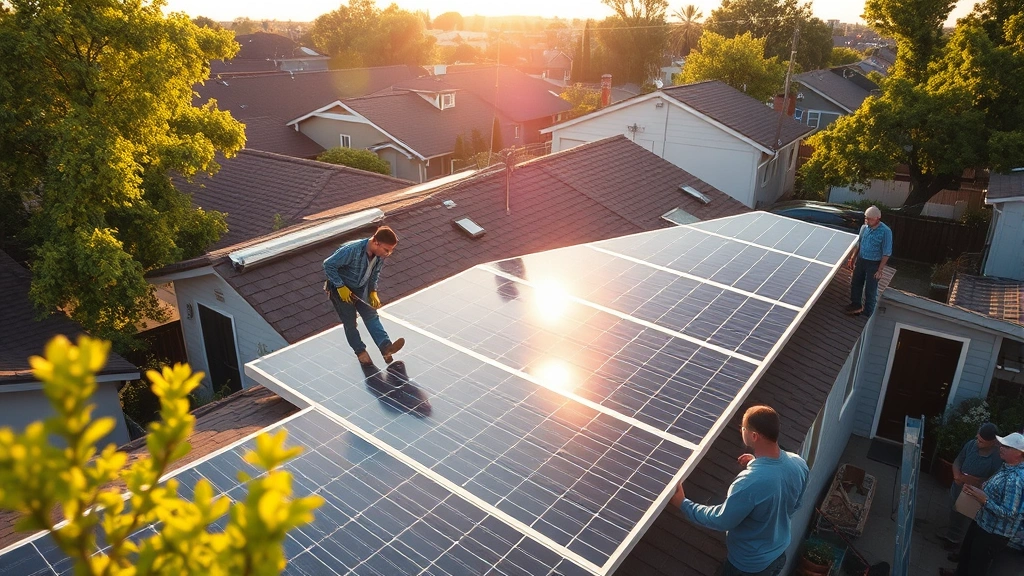
Green jobs encompass diverse opportunities: renewable energy installation and maintenance, ecosystem restoration, sustainable agriculture, energy efficiency retrofitting, and circular economy manufacturing. These sectors employ workers across skill levels and educational backgrounds, from engineers designing wind turbines to laborers installing rooftop solar. An inclusive economy prioritizes pathways ensuring workers from disadvantaged backgrounds access these opportunities through apprenticeships, community colleges, and targeted training programs. Research from the International Labour Organization documents that green jobs often offer higher wages and stronger unionization than positions they replace, particularly when designed with inclusive principles.
Exploring renewable energy for homes reveals how distributed energy systems create localized economic opportunities. Community solar projects, cooperative wind farms, and household solar installations generate wealth retention within local economies, contrasting with centralized fossil fuel systems where profits concentrate among distant corporations. This economic structure builds wealth among participants while reducing environmental impact—a hallmark of inclusive environmental economics.
Community-Based Natural Resource Management
Community-based natural resource management (CBNRM) represents a practical institutional framework for building inclusive environmental economies. Rather than centralizing resource control among governments or corporations, CBNRM devolves authority and benefits to communities directly dependent on and responsible for resource stewardship. Evidence demonstrates that when communities possess secure tenure, participate in decision-making, and capture economic benefits, they achieve superior environmental outcomes compared to centralized management systems.
Indigenous communities managing approximately 80% of Earth’s remaining biodiversity despite occupying roughly 22% of land area exemplify CBNRM effectiveness. Research documents that indigenous-managed territories experience significantly lower deforestation rates, higher species diversity, and greater carbon storage than protected areas excluding local communities. Yet these communities rarely capture proportional economic benefits from ecosystem services they provide. An inclusive economy requires benefit-sharing mechanisms recognizing and compensating communities for conservation contributions, whether through payment for ecosystem services, revenue-sharing from ecotourism, or preferential access to resource extraction rights.
CBNRM applications extend across sectors. Fishing communities managing marine protected areas sustain both fish stocks and livelihoods. Pastoralist groups in drylands using traditional grazing practices maintain grassland productivity and carbon sequestration. Forest communities practicing agroforestry generate diverse income streams while maintaining biodiversity. These systems demonstrate that environmental protection and economic opportunity need not conflict when communities control resources and capture benefits.
Implementing CBNRM requires addressing historical injustices and power imbalances. Many communities lack legal recognition of traditional tenure rights, facing dispossession by governments or corporations claiming environmental protection as justification. An inclusive approach mandates legal frameworks securing community land rights, ensuring free prior informed consent before resource decisions, and establishing transparent benefit-sharing mechanisms. Organizations like the International Union for Conservation of Nature increasingly emphasize that conservation without inclusion perpetuates colonialism under environmental guises.
Policy Mechanisms for Inclusive Growth
Translating inclusive environmental principles into economic reality requires specific policy mechanisms addressing market failures, redistributing resources, and reforming institutions. These mechanisms operate across multiple scales, from international agreements to local ordinances, creating coherent systems where environmental protection and economic inclusion reinforce each other.
Carbon Pricing with Progressive Distribution: Carbon taxes or cap-and-trade systems create financial incentives for emissions reductions while generating revenue. An inclusive approach recycles revenue progressively, providing rebates to low-income households whose consumption patterns generate smaller carbon footprints while funding green investments in disadvantaged communities. British Columbia’s carbon tax includes rebates larger for low-income residents, protecting vulnerable populations from regressive impacts while maintaining emission reduction incentives.
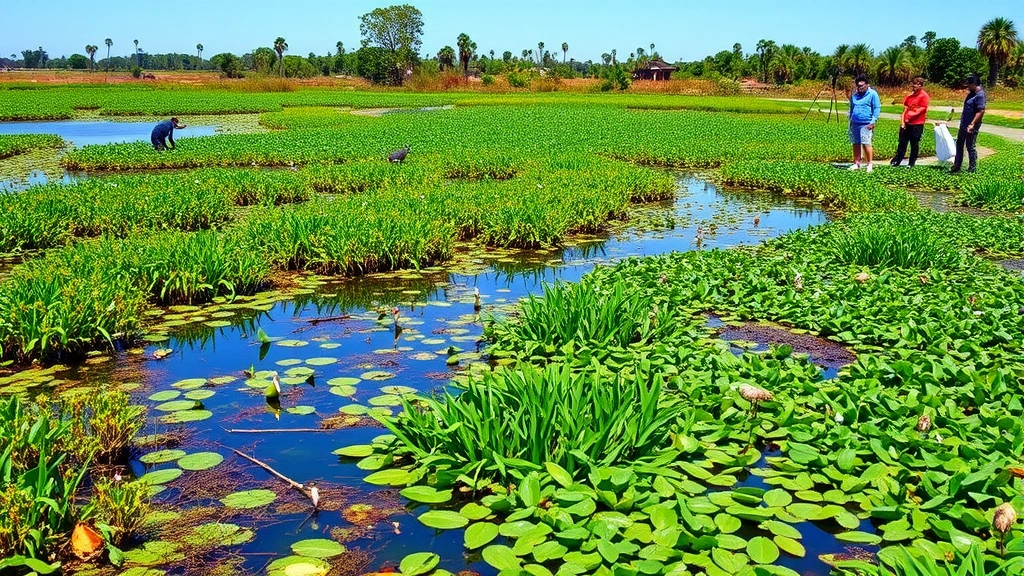
Ecosystem Service Valuation and Compensation: Quantifying environmental benefits in economic terms enables compensation mechanisms. Watershed protection generates measurable water quality improvements benefiting downstream communities; forests sequester carbon worth monetizing through carbon markets; wetlands provide flood protection quantifiable in avoided damages. Policy mechanisms channeling payments for these services to communities providing them create economic incentives for conservation while building local wealth. Costa Rica’s payment for ecosystem services program compensates landowners for forest conservation, generating income while reducing deforestation.
Inclusive Supply Chain Standards: Corporate procurement policies requiring environmental and social standards throughout supply chains create market-driven inclusion mechanisms. Fair trade certification ensures agricultural workers receive living wages; environmental certifications reward farmers reducing chemical inputs; supply chain transparency enables consumers supporting inclusive producers. While market-based approaches possess limitations, they demonstrate how economic incentives can align with inclusive environmental objectives when properly designed.
Community Benefit Agreements: When extractive or development projects affect communities, benefit agreements establish community participation in decision-making and profit-sharing. Mining companies in some jurisdictions commit to employing local workers, sourcing supplies locally, funding education and healthcare, and restoring ecosystems post-extraction. These agreements remain imperfect—communities often lack sufficient bargaining power—but represent steps toward inclusive project design.
Understanding environment and environmental science foundations strengthens policy design, ensuring mechanisms reflect ecological realities. Policies ignoring ecosystem dynamics or planetary boundaries ultimately fail both environmental and economic objectives.
Measuring Progress Beyond GDP
Fundamental to building inclusive environmental economies is reforming how societies measure progress. Gross Domestic Product, the dominant metric, obscures both inequality and environmental degradation. An economy depleting its natural capital while concentrating income appears successful by GDP metrics despite declining actual wealth and opportunity. Inclusive environmental economics requires metrics capturing distributional impacts and environmental stocks.
Alternative frameworks gaining policy adoption include:
- Adjusted Net Savings: Subtracting resource depletion and pollution damage from GDP, revealing true economic growth when environmental costs are internalized
- Genuine Progress Indicator: Incorporating environmental and social factors including leisure time, income distribution, and health, often revealing stagnation or decline despite GDP growth
- Human Development Index: Measuring health, education, and income rather than production alone, revealing that high consumption societies often underperform on wellbeing metrics
- Ecological Footprint Analysis: Quantifying resource consumption and waste generation relative to planetary capacity, demonstrating that current wealthy-nation consumption patterns are ecologically unsustainable
- Distributional Metrics: Measuring wealth and opportunity distribution, including Gini coefficients, wage ratios, and asset concentration, revealing inequality trends invisible in aggregate metrics
New Zealand, Scotland, and Finland have adopted “wellbeing frameworks” explicitly measuring progress on environmental sustainability and distributional equity alongside economic metrics. These frameworks guide budget allocation and policy evaluation, shifting government priorities from growth maximization to inclusive prosperity. Research indicates that nations prioritizing wellbeing metrics achieve superior outcomes on both environmental protection and social cohesion compared to GDP-maximizing economies.
The concept of reducing carbon footprint extends beyond individual behavior to systemic metrics evaluating economy-wide emissions intensity and distributional impacts. Inclusive frameworks recognize that marginal reductions among high-consumption populations create more welfare improvement than equivalent reductions among subsistence populations, justifying differentiated climate responsibilities.
Academic research in ecological economics increasingly emphasizes that inclusive measurement frameworks aren’t merely technical improvements but represent fundamentally different conceptions of economic purpose. When societies measure what they value, they direct resources accordingly. Measuring inequality alongside growth, environmental degradation alongside production, and wellbeing alongside income creates economies pursuing fundamentally different objectives than GDP-maximization alone.
FAQ
How does an inclusive economy differ from traditional economic models?
Traditional models prioritize aggregate growth and efficiency, often neglecting distribution and environmental impacts. Inclusive models explicitly address how growth is distributed, who benefits from economic activity, and what environmental costs are incurred. They recognize that sustainable prosperity requires broad-based opportunity and environmental integrity, not merely maximum production.
Can environmental protection and economic development coexist?
Yes, when designed inclusively. Environmental degradation and poverty often stem from the same root causes: institutional exclusion, market failures, and unjust resource distribution. Addressing these causes simultaneously through inclusive frameworks can generate environmental improvement and economic opportunity together. However, this requires rejecting growth-at-any-cost models in favor of quality-of-life improvements.
What role should governments play in building inclusive environmental economies?
Governments establish legal frameworks protecting environmental and labor rights, internalize environmental externalities through pricing mechanisms, invest in public goods like education and infrastructure, and ensure equitable participation in decision-making. However, inclusive approaches also recognize community and private sector roles in resource stewardship and economic innovation.
How can developing nations transition to inclusive environmental economies without sacrificing growth?
Evidence suggests that inclusive environmental approaches generate growth in quality-of-life metrics while potentially reducing material throughput. Developing nations can leapfrog destructive industrialization patterns by adopting renewable energy, agroecological agriculture, and circular economy principles from inception. International support through technology transfer, climate finance, and debt relief enables this transition without imposing austerity.
What are the biggest barriers to implementing inclusive environmental economies?
Entrenched interests benefiting from current systems resist change; institutional inertia maintains existing structures; global trade rules sometimes conflict with environmental and labor protections; and insufficient political will enables powerful actors to block redistribution. Overcoming these barriers requires social movements, democratic reforms, and international coordination establishing new rules prioritizing inclusion and environmental integrity.
How does sustainable fashion exemplify inclusive environmental economics?
Sustainable fashion brands addressing labor rights, environmental impacts, and supply chain transparency demonstrate how market-based inclusion works. Fair wages for garment workers, reduced chemical pollution, and circular design principles create value for workers, communities, and ecosystems simultaneously, contrasting with conventional fashion’s externalized costs.


