Litter’s Impact on Economy: Study Insights
Littering represents far more than an aesthetic nuisance—it constitutes a significant economic burden on societies worldwide, draining resources from productive investments into cleanup operations and environmental remediation. Recent studies reveal that the annual global cost of litter management, environmental damage, and associated health impacts exceeds hundreds of billions of dollars, yet this expense remains largely invisible in conventional economic accounting. Understanding the economic dimensions of littering requires examining interconnected pathways: direct cleanup costs, ecosystem service degradation, tourism revenue losses, public health expenditures, and the productivity decline stemming from environmental contamination.
The relationship between littering and economic performance extends into multiple sectors simultaneously. When we consider how littering affects the environment, we must simultaneously evaluate its ripple effects across tourism industries, agricultural productivity, fisheries, insurance markets, and property valuations. This comprehensive analysis demonstrates that environmental degradation from litter functions as a hidden tax on economic activity, redistributing wealth from productive sectors toward remediation and away from innovation and growth opportunities.
Direct Cleanup and Waste Management Costs
Municipal and governmental expenditures on litter removal constitute the most visible economic impact of littering behavior. Cities worldwide allocate substantial budgets specifically for street cleaning, park maintenance, and waterway debris removal. Studies indicate that developed nations spend between 0.5% and 2% of their environmental management budgets exclusively on litter collection and cleanup operations. For a city of one million residents, annual litter management costs typically range from $20 to $50 million, representing funds that could otherwise support infrastructure development, education, or healthcare initiatives.
The economic inefficiency of reactive cleanup versus preventive approaches creates compounding costs over time. When littering increases, municipalities must either increase cleanup frequency or tolerate environmental degradation that attracts further littering—a phenomenon documented in behavioral economics research. This creates a vicious cycle where initial littering normalizes the behavior, reducing social stigma and increasing the volume of discarded waste. Consequently, cleanup costs escalate nonlinearly: a 50% increase in littering may require 75% more cleanup resources due to concentration effects and accessibility challenges in removing debris from difficult locations.
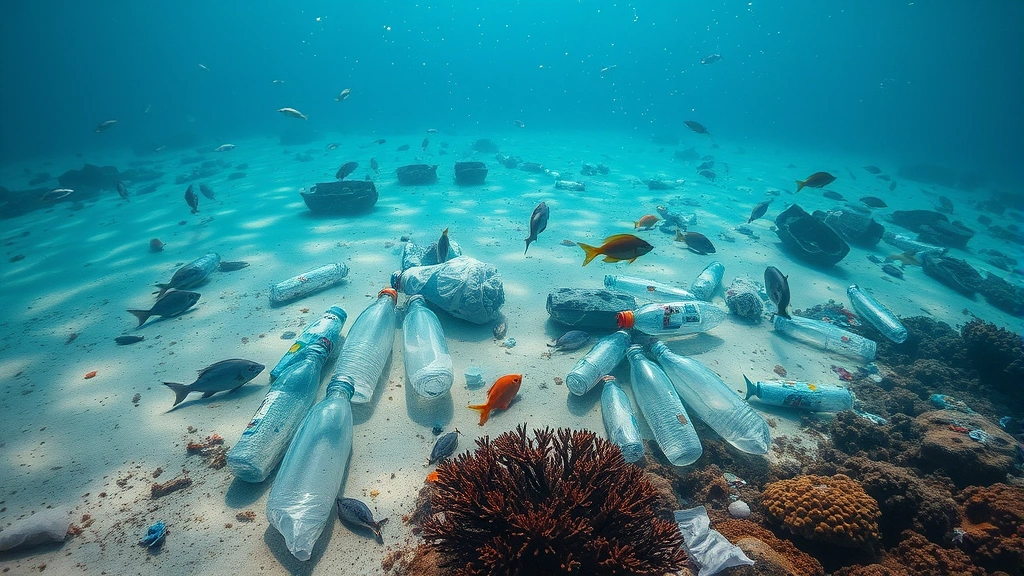
Marine litter cleanup presents particularly acute economic challenges. Removing plastic from oceans requires specialized equipment, trained personnel, and coordinated international efforts. The Ocean Conservancy estimates that marine cleanup initiatives cost between $100,000 and $1 million per ton of recovered plastic, far exceeding the original manufacturing and disposal costs. This economic disparity demonstrates how littering externalities create massive deadweight losses in the economy—resources consumed in cleanup generate no productive output, representing pure economic waste.
Ecosystem Services Degradation and Economic Loss
Littering reduces the capacity of natural systems to provide essential services that underpin economic activity. Environmental examples consistently demonstrate that polluted ecosystems deliver diminished quantities of clean water, air purification, pollination, and climate regulation. Economists quantify ecosystem services through willingness-to-pay studies and replacement cost analyses, revealing that litter-induced degradation costs approximately $4.3 trillion annually in global ecosystem service losses.
Water contamination from litter represents a critical ecosystem service loss with measurable economic consequences. When plastic and debris enter freshwater systems, they reduce water quality, necessitating enhanced filtration and treatment processes. Water utilities globally report that litter-related contamination increases treatment costs by 15-40%, expenses ultimately passed to consumers. For developing nations with limited water infrastructure, litter contamination can render water sources unusable, forcing populations to purchase bottled water or migrate—creating humanitarian crises with profound economic implications.
Soil degradation from persistent litter reduces agricultural productivity and increases cultivation costs. Plastic fragments persist in soil for decades, interfering with root development, water infiltration, and microbial communities essential for nutrient cycling. Agricultural economists estimate that plastic litter reduces crop yields by 3-8% in contaminated regions, translating to billions in lost food production globally. This productivity decline has cascading effects on food security, commodity prices, and rural employment.
Tourism Industry Decline and Revenue Loss
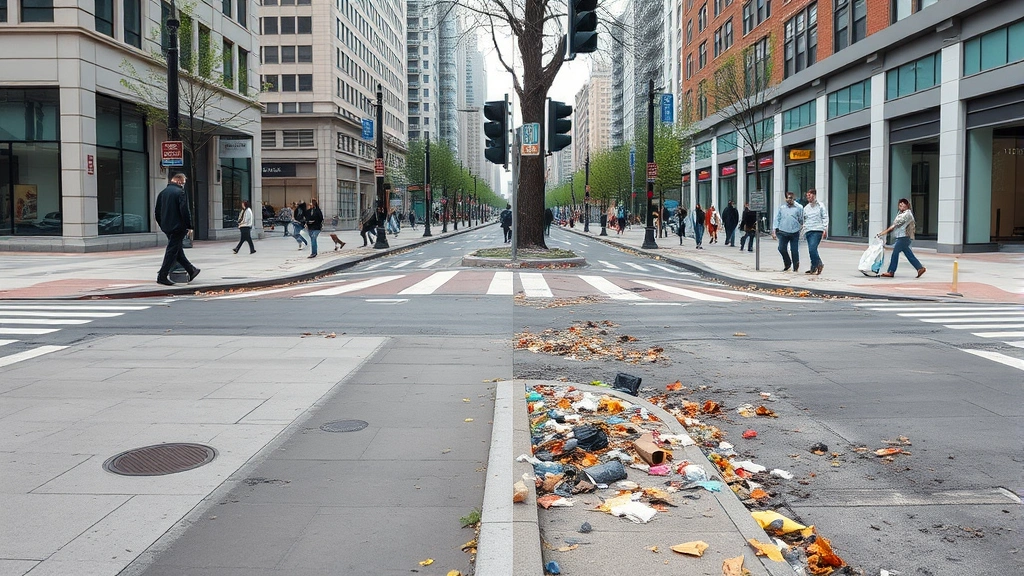
Tourism represents a major revenue source for many economies, particularly in coastal and natural regions. Littering directly undermines tourism appeal and economic returns. Research demonstrates that visitors exhibit strong preferences for clean environments, with 73% of tourists reporting that litter negatively influenced their destination satisfaction and likelihood of returning. This behavioral response translates into measurable revenue declines for tourism-dependent regions.
Beach destinations experience particularly pronounced tourism losses from littering. Studies of coastal communities in Southeast Asia, the Mediterranean, and the Caribbean reveal that visible litter reduces beach visitor numbers by 20-40%, directly correlating with hotel occupancy rates and hospitality revenue. A single beach in a popular destination might lose $5-15 million annually in tourism revenue due to litter accumulation. When aggregated across thousands of coastal destinations globally, litter-induced tourism losses exceed $50 billion annually.
The economic impact extends beyond direct tourism revenue. When destinations lose tourism appeal, associated industries—restaurants, transportation, retail, accommodation—experience proportional revenue declines. Local employment suffers, reducing consumer spending and tax revenues. This creates regional economic stagnation that perpetuates cycles of underinvestment in environmental management, infrastructure, and community development.
Cultural and heritage sites face similar economic pressures. Archaeological sites, historical monuments, and natural wonders attract tourists seeking authentic cultural experiences. Litter degrades these sites’ aesthetic and cultural value, reducing visitation and associated revenues. Indigenous communities that depend on ecotourism face particular vulnerability, as litter contamination undermines the natural capital upon which their economic survival depends.
Public Health Costs and Productivity Decline
Littering generates substantial public health burdens with direct economic costs through healthcare expenditures and indirect costs through productivity losses. Litter accumulation creates breeding grounds for disease vectors—rodents, insects, and pathogens—increasing rates of vector-borne diseases including dengue fever, plague, and leptospirosis. Public health agencies report that litter-associated disease outbreaks cost healthcare systems billions annually in treatment, hospitalization, and prevention programs.
Plastic litter presents emerging health threats through microplastic contamination entering food chains and human bodies. Research documents microplastics in drinking water, seafood, and agricultural products, with potential health consequences still being elucidated. The economic implications include future healthcare costs, reduced productivity from chronic health conditions, and diminished human capital accumulation. The World Health Organization estimates that plastic pollution-related health impacts could cost economies $2.5 trillion by 2050 in direct healthcare expenses and lost productivity.
Psychological and mental health impacts of littered environments constitute underrecognized economic costs. Environmental psychology research demonstrates that littered, degraded environments increase stress, anxiety, and depression rates. These mental health burdens reduce workplace productivity, increase absenteeism, and elevate healthcare expenditures. Studies of neighborhoods with high litter accumulation document 15-25% higher mental health disorder prevalence compared to clean neighborhoods, translating into billions in lost economic productivity.
Occupational health hazards associated with litter management work represent additional economic costs. Sanitation workers experience elevated injury rates, infection risks, and chronic health conditions from handling contaminated waste. These occupational health burdens increase workers’ compensation costs, reduce labor force participation, and create healthcare expenditure burdens. The International Labour Organization documents that hazardous waste exposure costs the global economy approximately $200 billion annually in worker health impacts.
Agricultural and Fisheries Sector Damage
Agricultural systems depend on healthy soil, water, and pollinator populations—all degraded by littering. Plastic litter in agricultural fields interferes with mechanized harvesting, increasing labor costs and reducing efficiency. Farmers must spend additional time and resources removing debris before cultivation, costs that reduce profitability and competitiveness. In developing agricultural regions, these additional costs can determine whether farming remains economically viable.
Fisheries face severe economic impacts from marine and freshwater litter. Fishing equipment becomes entangled in debris, requiring costly repairs or replacement. Fish and shellfish populations decline due to habitat degradation and direct ingestion of plastic particles. Commercial fisheries report 10-30% productivity declines in heavily polluted waters, directly reducing catches and incomes. Aquaculture operations face similar challenges, with disease and mortality rates increasing in litter-contaminated water bodies.
The economic feedback loop between littering and agricultural decline intensifies poverty in rural regions. When agricultural productivity declines, rural incomes fall, reducing consumer spending and tax revenues. This fiscal constraint limits government investment in environmental management, infrastructure, and services, perpetuating degradation cycles. Understanding environmental science principles reveals how physical litter interconnects with economic systems through these feedback mechanisms.

Property Values and Urban Economics
Real estate markets reflect environmental quality through property valuations and rental rates. Neighborhoods with significant litter accumulation experience property value declines of 5-15%, representing substantial wealth losses for homeowners and reduced tax revenues for municipalities. Commercial properties in littered areas face similar valuations pressures, reducing investment attractiveness and business formation rates.
The property value decline mechanism operates through multiple pathways: reduced aesthetic appeal, perceived safety concerns, environmental health risks, and signaling effects where litter signals neighborhood neglect and reduced institutional maintenance. Hedonic pricing studies consistently demonstrate that proximity to littered areas reduces property values more than proximity to other environmental disamenities, indicating strong market preferences for clean environments.
Urban renewal initiatives that address littering generate significant economic returns through property value appreciation and increased business investment. This demonstrates that litter remediation represents economically productive investment, not merely consumption. Cities that implement comprehensive anti-littering programs report property value increases of 8-20% in targeted neighborhoods, substantially exceeding investment costs and generating positive returns on environmental management expenditures.
Behavioral Economics and Consumption Patterns
Littering behavior reflects broader economic and psychological patterns that influence consumption, waste generation, and resource utilization. Behavioral economists identify littering as a tragedy-of-the-commons problem where individual rational decision-making (discarding waste without bearing cleanup costs) produces collectively irrational outcomes (environmental degradation and economic waste). This market failure requires institutional intervention through pricing mechanisms, regulation, or social norm modification.
Consumption patterns directly correlate with littering volumes. Societies with higher per-capita consumption generate more packaging waste and litter-prone products. The economic relationship between consumption intensity and environmental degradation suggests that littering costs represent externalities embedded in consumption decisions. Standard economic analysis indicates that market prices fail to reflect these external costs, leading to overconsumption of litter-generating products.
Extended producer responsibility policies attempt to internalize these externalities by requiring manufacturers to bear end-of-life disposal costs. Such policies create economic incentives for designing less litter-prone products and reducing packaging. Countries implementing comprehensive producer responsibility systems report 20-40% reductions in litter volumes within five years, demonstrating that economic incentives effectively modify consumption and disposal behavior. This economic policy approach reveals how institutional design shapes environmental outcomes and economic efficiency.
Social norm interventions complement economic mechanisms by modifying the cultural acceptability of littering. Behavioral research demonstrates that visible littering increases subsequent littering through norm-signaling effects, while clean environments promote littering reduction. The economic implications are substantial: norm-based interventions cost virtually nothing to implement yet produce significant behavioral changes, representing exceptionally high-return environmental investments.
To further understand economic impacts of environmental degradation, explore how to reduce your carbon footprint and consider broader sustainability approaches. Additionally, understanding sustainable consumption in fashion demonstrates how consumer choices drive environmental outcomes across industries. Complementary strategies like renewable energy adoption reduce broader environmental footprints while generating economic benefits.
Recent research from the World Bank’s environmental economics division quantifies littering’s macroeconomic impacts, documenting how environmental degradation reduces GDP growth rates by 0.5-2% annually in heavily affected regions. UNEP (United Nations Environment Programme) reports that plastic pollution alone costs the global economy $2.5 trillion annually when accounting for all direct and indirect impacts. Research published in Ecological Economics journal demonstrates quantitative relationships between environmental quality metrics and economic productivity across diverse sectors and regions.
FAQ
What are the primary economic costs of littering?
Primary economic costs include direct cleanup expenses ($20-50 million annually for major cities), ecosystem service degradation (valued at trillions globally), tourism revenue losses (estimated at $50+ billion annually), public health costs (healthcare and lost productivity), and property value declines (5-15% in affected neighborhoods). These costs compound when accounting for reduced agricultural productivity, fisheries damage, and occupational health impacts.
How does littering affect the environment economically?
Littering reduces environmental quality, which degrades ecosystem services like water purification, pollination, and climate regulation. These degraded services require replacement through human intervention (expensive water treatment, pollinator management) or result in productivity losses (reduced crop yields, fishing declines). The economic impact flows through reduced tourism, lower property values, increased healthcare costs, and diminished agricultural returns.
Which economic sectors experience the greatest littering impacts?
Tourism, agriculture, fisheries, and real estate sectors experience the most substantial impacts. Tourism-dependent regions lose 20-40% of visitors due to visible litter. Agricultural productivity declines 3-8% from soil contamination. Fisheries experience 10-30% catch reductions in polluted waters. Property values decline 5-15% in littered neighborhoods. These sectoral impacts aggregate into significant macroeconomic effects.
Are there measurable economic returns from anti-littering programs?
Yes. Cities implementing comprehensive anti-littering initiatives report property value increases of 8-20%, tourism revenue growth of 15-25%, and healthcare cost reductions. These returns typically exceed program investment costs within 3-5 years, representing economically productive public expenditures. Producer responsibility policies reducing litter volumes by 20-40% generate economic returns through reduced cleanup costs and increased productivity.
How do behavioral economics explain littering’s economic impacts?
Behavioral economics identifies littering as a tragedy-of-the-commons problem where individual cost-minimizing decisions (avoiding proper disposal) create collective economic losses. Market prices fail to reflect littering’s external costs, leading to overconsumption of litter-generating products. Economic interventions (producer responsibility, pricing mechanisms) and behavioral interventions (norm modification) alter individual decisions, reducing littering and improving economic efficiency.
What role does littering play in climate change economics?
Littering contributes to climate change through multiple pathways: methane emissions from decomposing waste in landfills and natural environments, carbon-intensive cleanup and remediation activities, and reduced carbon sequestration capacity of degraded ecosystems. These climate impacts generate additional economic costs through increased extreme weather damages, agricultural losses, and health impacts. Climate economists increasingly incorporate littering’s climate contributions into models projecting long-term economic damages.


