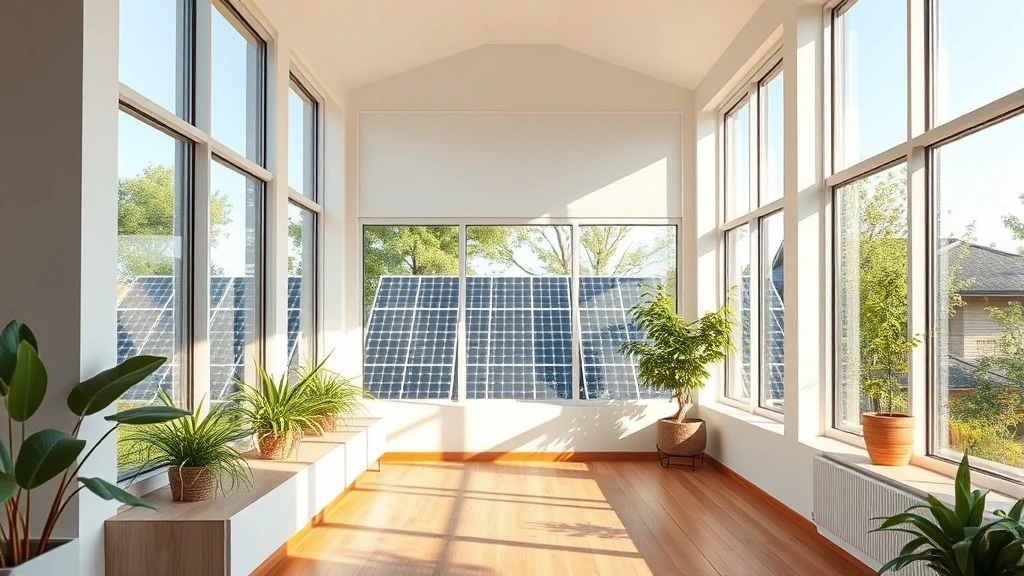
Boost Home Economy: Eco-Friendly Tips from Experts
Creating a sustainable home environment extends far beyond environmental responsibility—it represents a strategic economic investment that strengthens both household finances and planetary health. Expert research increasingly demonstrates that eco-friendly home solutions deliver measurable returns through reduced utility costs, improved property values, and enhanced quality of life. By implementing evidence-based sustainability practices, homeowners can simultaneously lower their ecological footprint while building long-term financial resilience.
The convergence of environmental science and household economics creates unprecedented opportunities for homeowners willing to adopt innovative solutions. Whether through energy optimization, water conservation, or sustainable material choices, these investments generate compounding benefits that ripple through personal finances and broader economic systems. This comprehensive guide explores expert-recommended strategies that transform homes into models of ecological and economic efficiency.
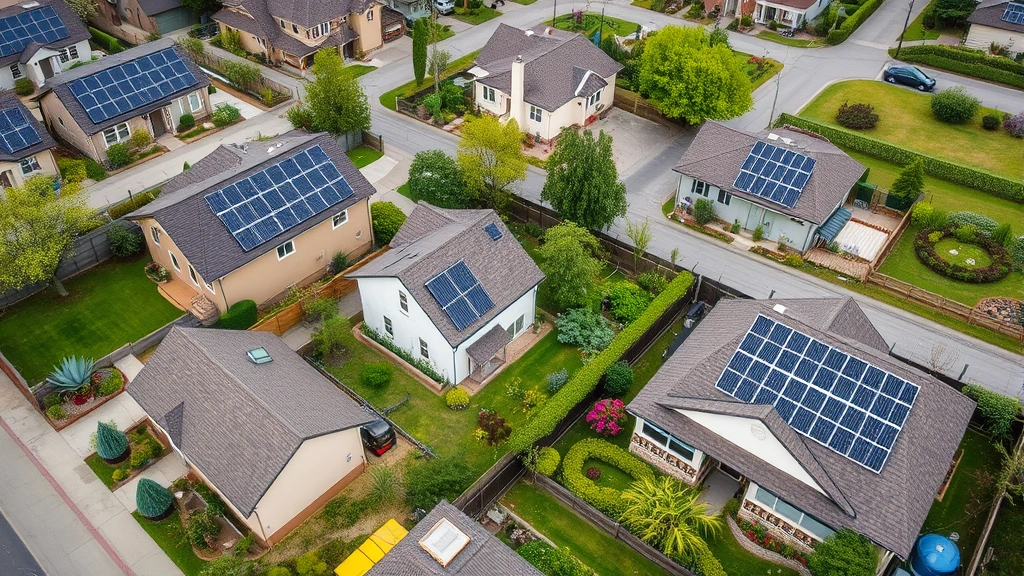
Understanding the Home Economy-Environment Connection
The relationship between household economics and environmental sustainability operates through complex interdependencies that experts increasingly recognize as fundamental to financial planning. According to research from the World Bank, residential energy consumption accounts for approximately 30% of global energy use and generates nearly 8% of direct carbon dioxide emissions. This substantial footprint creates proportional economic opportunities for households implementing systematic improvements.
Understanding environmental science fundamentals provides critical context for household decision-making. Every eco-friendly improvement represents an intersection of ecological impact and financial outcome. Studies demonstrate that households reducing energy consumption by 20-30% realize annual savings of $1,500-$3,000, while simultaneously decreasing their environmental burden. This alignment of economic and ecological interests creates powerful incentives for systematic home improvement.
The concept of human environment interaction at the household level reveals how individual choices aggregate into meaningful systemic change. When thousands of households implement sustainable practices, market demand shifts toward eco-friendly products, driving innovation and cost reduction. This creates a virtuous cycle where early adopters benefit from premium positioning while later adopters enjoy reduced prices.
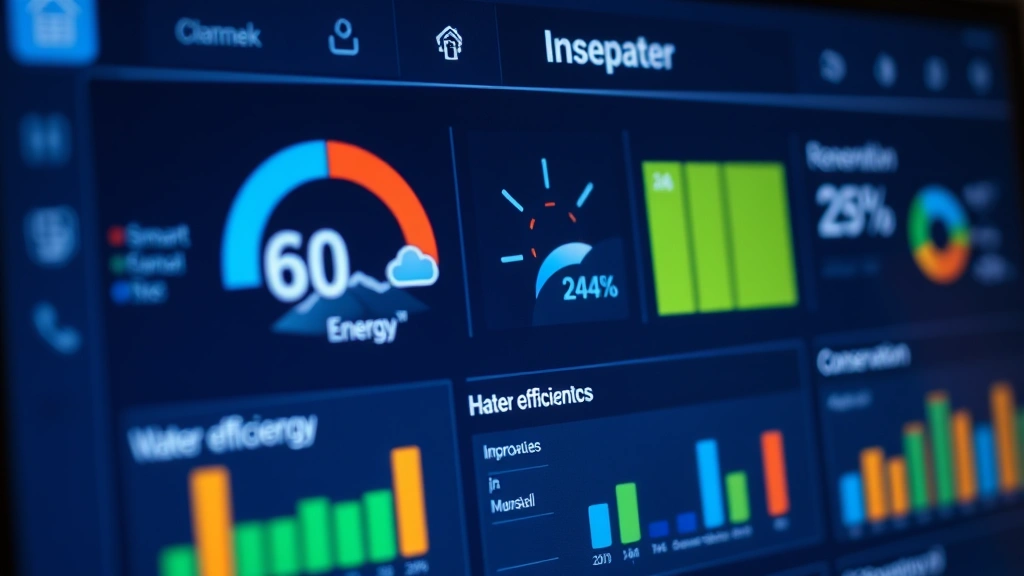
Energy Efficiency: The Foundation of Home Sustainability
Energy efficiency represents the most economically viable entry point for household sustainability initiatives. The U.S. Environmental Protection Agency reports that improving home insulation and sealing air leaks delivers payback periods of 1-3 years, making these investments among the fastest-returning home improvements available. Thermal efficiency directly addresses the largest household energy expenditure—heating and cooling—which consumes 40-50% of typical home energy budgets.
Expert recommendations prioritize systematic energy audits as the foundation for targeted improvements. Professional energy assessments identify efficiency opportunities using thermal imaging and air infiltration testing, revealing invisible losses that homeowners cannot detect through casual inspection. These audits typically cost $200-$400 but generate detailed roadmaps for investments yielding 15-25% energy reductions.
Insulation and Air Sealing: Upgrading attic insulation to R-38 or higher and sealing air leaks around windows, doors, and penetrations addresses the majority of residential heat loss. These measures cost $1,500-$3,500 but reduce heating and cooling costs by 15-20% annually. In cold climates, payback periods frequently fall below three years.
HVAC Optimization: Replacing aging heating, ventilation, and air conditioning systems with ENERGY STAR certified models reduces consumption by 20-40%. Modern systems feature variable-speed compressors and smart thermostats that adjust output based on occupancy and weather patterns. While initial costs range from $5,000-$12,000, utility savings of $200-$400 monthly accumulate rapidly.
Smart Thermostat Implementation: Programmable and learning thermostats reduce energy consumption by 10-15% through automated temperature scheduling and occupancy detection. These devices cost $200-$500 installed and provide granular data on consumption patterns, empowering informed decision-making about further efficiency upgrades.
Exploring renewable energy for homes extends energy efficiency strategies beyond conservation into generation. Solar photovoltaic systems have declined 80% in cost over the past decade, making residential solar economically competitive with grid electricity in most regions.
Water Conservation and Household Economics
Water represents an underappreciated household expense with significant economic and environmental implications. The average American household uses 82 gallons daily per person, with outdoor irrigation accounting for 30% of residential consumption. Water conservation measures deliver dual benefits through reduced consumption and decreased treatment demands on municipal systems.
Fixture Efficiency: Installing low-flow showerheads (1.5-2.0 gallons per minute versus standard 5 gallons per minute) and aerating faucets reduces hot water consumption by 40-50%. These inexpensive modifications cost $50-$200 installed but save 8,000-12,000 gallons annually. In areas with high water and sewer charges, payback periods often fall below one year.
Irrigation Management: Smart irrigation controllers adjust watering schedules based on soil moisture, rainfall, and weather forecasts. These systems reduce outdoor water consumption by 20-50% while improving landscape health through optimized hydration. Controllers cost $200-$500 but save 10,000-40,000 gallons annually in regions with substantial irrigation demands.
Greywater Systems: Capturing wastewater from showers, baths, and washing machines for landscape irrigation reduces potable water consumption by 30-50%. While initial installation costs $3,000-$8,000, these systems provide resilience during water restrictions and reduce municipal demand.
Sustainable Material Choices and Long-Term Value
Material selection profoundly influences both environmental impact and long-term household economics. Sustainable materials often carry higher upfront costs but deliver superior durability, reduced maintenance requirements, and enhanced property values. Understanding lifecycle costs rather than purchase prices reveals economic advantages of premium sustainable options.
Flooring Materials: Bamboo and reclaimed wood flooring cost 20-40% more than conventional hardwood but offer superior durability and environmental credentials. Bamboo matures in 3-5 years versus 20+ years for traditional hardwoods, making it rapidly renewable. These materials appreciate property value by $3,000-$8,000 while reducing environmental impact.
Insulation Materials: Cellulose and sheep’s wool insulation cost 10-30% more than fiberglass but offer superior thermal performance and environmental benefits. Cellulose utilizes recycled paper, while sheep’s wool represents a renewable agricultural byproduct. Both materials provide better moisture management and indoor air quality than synthetic alternatives.
Learning about sustainable materials and sourcing principles extends beyond fashion into home furnishings, fixtures, and finishes. Sustainable home goods increasingly feature transparent supply chains, fair labor practices, and reduced chemical treatments.
Paint and Finishes: Low-VOC and zero-VOC paints eliminate volatile organic compounds that compromise indoor air quality while reducing off-gassing odors. These premium products cost 15-25% more but improve indoor environmental quality and reduce health-related expenses. Studies correlate improved indoor air quality with 5-15% productivity increases for home office workers.
Building Resilience Through Renewable Energy
Residential renewable energy systems represent transformative investments that align household economics with climate imperatives. Solar photovoltaic technology has achieved cost parity with grid electricity across most U.S. regions, while battery storage systems enable energy independence and grid resilience.
Solar Photovoltaic Systems: Residential solar installations cost $2.50-$3.50 per watt after accounting for system components, installation labor, and permitting. A typical 6-kilowatt system costs $15,000-$21,000 before incentives. Federal Investment Tax Credits currently cover 30% of costs, with many states offering additional rebates. Systems generate 25-30-year operational lifespans with minimal maintenance, producing 1,200-1,400 kilowatt-hours annually per installed kilowatt in favorable climates.
The United Nations Environment Programme reports that distributed renewable energy reduces transmission losses by 7-10% compared to centralized generation, improving overall system efficiency. This efficiency advantage, combined with declining battery costs, accelerates the transition toward household energy independence.
Battery Storage Systems: Lithium-ion batteries cost $5,000-$15,000 installed for 10-15 kilowatt-hour capacity. While expensive, these systems provide critical resilience during grid outages and enable time-shifting of solar generation to peak-rate periods. In regions with time-of-use electricity pricing, batteries reduce energy costs by 10-20% while improving reliability.
Heat Pump Technology: Air-source and ground-source heat pumps achieve 300-400% efficiency by moving thermal energy rather than generating heat through resistance. These systems cost $8,000-$20,000 installed but reduce heating and cooling costs by 50-70% compared to conventional furnaces and air conditioners. Many regions offer substantial rebates accelerating payback to 5-8 years.
Waste Reduction Strategies for Economic Benefit
Waste reduction generates economic value through avoided disposal costs, material recovery, and extended product lifespans. Households implementing comprehensive waste reduction strategies reduce garbage disposal expenses by 40-60% while decreasing environmental burden.
Composting Programs: Residential composting diverts 20-30% of household waste from landfills while generating valuable soil amendments. Hot composting systems process organic matter within 2-3 months, producing finished compost for gardens and landscaping. Initial equipment costs of $300-$800 generate annual savings of $100-$200 in disposal fees while improving soil health and plant productivity.
Material Recovery and Recycling: Comprehensive recycling programs recover 50-70% of household waste streams, reducing landfill disposal while generating revenue through material sales. Aluminum recycling achieves particular economic advantage, with aluminum worth $0.50-$1.00 per pound. Households collecting aluminum beverage containers generate $50-$200 annually while preventing environmental degradation from mining.
Understanding how to reduce carbon footprint through waste reduction reveals broader systemic benefits. Manufacturing virgin materials requires 5-10 times more energy than processing recovered materials, making waste reduction a powerful climate strategy.
Reuse and Repair Economics: Extending product lifespans through repair and reuse reduces consumption while generating significant cost savings. Repairing appliances rather than replacing costs 40-60% less while eliminating manufacturing emissions and material extraction impacts. The emerging “right to repair” movement supports consumer access to repair manuals and replacement parts, extending product lifespans economically.
Indoor Environmental Quality and Health Economics
Indoor environmental quality profoundly influences household health outcomes and associated healthcare expenses. Improving air quality, reducing chemical exposure, and optimizing thermal comfort generate health benefits with measurable economic value. Research from environmental economics institutions demonstrates that improved indoor environmental quality reduces illness-related absences by 10-15% and improves cognitive performance by 5-25%.
Air Quality Management: HEPA filtration systems and air purifiers reduce particulate matter and volatile organic compounds, improving respiratory health and reducing allergy symptoms. These systems cost $500-$2,000 installed but reduce healthcare expenses through fewer respiratory infections and medication requirements. Studies estimate health benefits of $1,000-$3,000 annually for sensitive populations.
Moisture Control: Preventing moisture accumulation through proper ventilation and dehumidification reduces mold growth and associated health problems. Mold remediation costs $2,000-$6,000 when requiring professional intervention, making moisture prevention economically prudent. Smart ventilation systems cost $1,500-$3,500 installed but prevent costly remediation while improving air quality.
Non-Toxic Finishes and Materials: Selecting paints, adhesives, and finishes with minimal chemical off-gassing improves indoor air quality and reduces health impacts. These premium products cost 15-30% more but provide superior durability and indoor environmental quality. Families with children or respiratory sensitivities realize substantial health benefits justifying premium pricing.
Natural Light and Thermal Comfort: Optimizing window placement and skylight installation enhances natural light while improving thermal performance. Abundant natural light improves mood, sleep quality, and productivity, generating health and economic benefits difficult to quantify precisely but recognized by occupational health researchers as substantial.
The convergence of environmental sustainability and household economics creates opportunities for strategic investment and continuous improvement. Systematic implementation of evidence-based eco-friendly solutions transforms homes into efficient, healthy, and economically resilient spaces.
FAQ
What eco-friendly home improvements offer the fastest financial payback?
Air sealing and insulation improvements typically deliver payback periods of 1-3 years through reduced heating and cooling costs. Programmable thermostats and low-flow fixtures also provide rapid returns of 1-2 years. Solar photovoltaic systems offer 6-10 year payback periods with 25-30 year operational lifespans.
How much can households save by implementing eco-friendly solutions?
Comprehensive sustainability improvements reduce household energy costs by 25-40%, water costs by 20-50%, and waste disposal by 40-60%. Combined annual savings typically range from $2,000-$5,000 depending on climate, current inefficiency levels, and implementation scope. Long-term property value increases of 3-5% frequently exceed direct utility savings.
Which eco-friendly improvements increase property value most significantly?
Energy-efficient HVAC systems, solar installations, and insulation upgrades consistently increase property values by 3-5%. Sustainable flooring materials and low-VOC finishes appeal to health-conscious buyers, supporting premium pricing. Water conservation systems and renewable energy installations attract environmentally motivated purchasers.
How do eco-friendly homes perform during economic downturns?
Homes with reduced operating costs maintain affordability during economic stress, supporting market stability. Sustainable features appeal to cost-conscious buyers seeking long-term expense reduction. Properties with renewable energy systems and water independence demonstrate resilience to utility rate increases.
What financing options support eco-friendly home improvements?
Federal tax credits cover 30% of renewable energy and efficiency improvements through 2032. Many states and utilities offer rebates for insulation, HVAC upgrades, and solar installations. Energy efficiency mortgages allow borrowers to qualify for larger loans based on reduced operating costs. Property-assessed clean energy financing enables repayment through property tax assessments.
How can renters implement eco-friendly solutions in their homes?
Renters can install programmable thermostats, low-flow showerheads, and weather stripping without permanent modifications. Portable air purifiers and composting systems require minimal landlord coordination. Energy-efficient lighting and appliances (where permitted) reduce consumption without building modifications. Communicating sustainability interests to landlords frequently results in permission for improvements benefiting property value.


